@ittaia My FLP Lemma 3 mental model "clicked" for me when I compressed the whole system state into this form:
[3,1] - states of two nodes (any number, say, from 1 to 5)
[e,e'] - shared message queue
Better config. labels:
U - uncommitted
C - committed
Then, case 1 becomes this square
@ittaia The hardest part with FLP85 is to trust the "graph of configurations" abstraction. I compressed the whole system state to `[local states][message queue]` out of definition from the original article, and it made me mentally trust the proof like it's a real execution model
@ittaia My FLP Lemma 3 mental model "clicked" for me when I compressed the whole system state into this form:
[3,1] - states of two nodes (any number, say, from 1 to 5)
[e,e'] - shared message queue
Better config. labels:
U - uncommitted
C - committed
Then, case 1 becomes this square
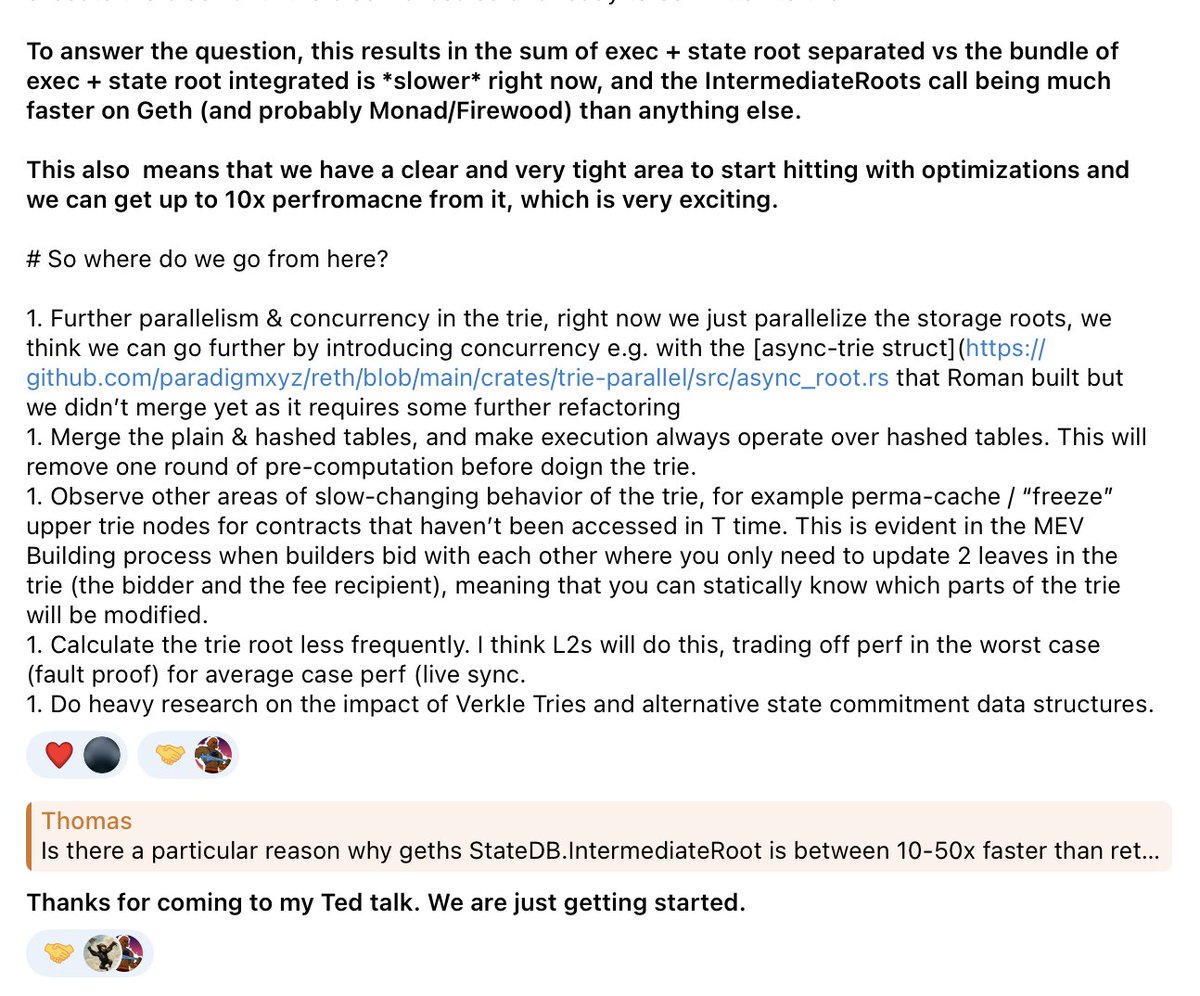
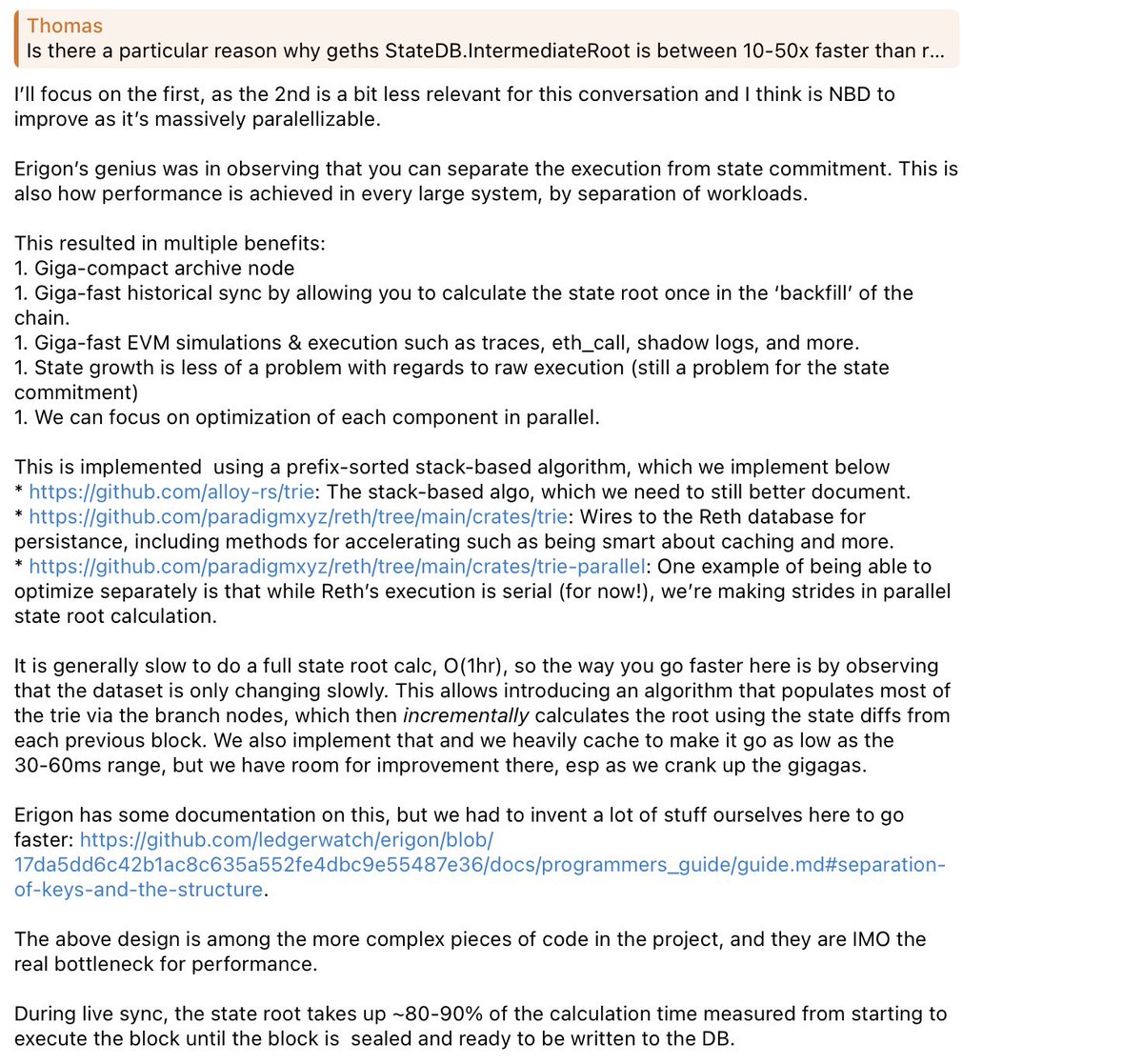
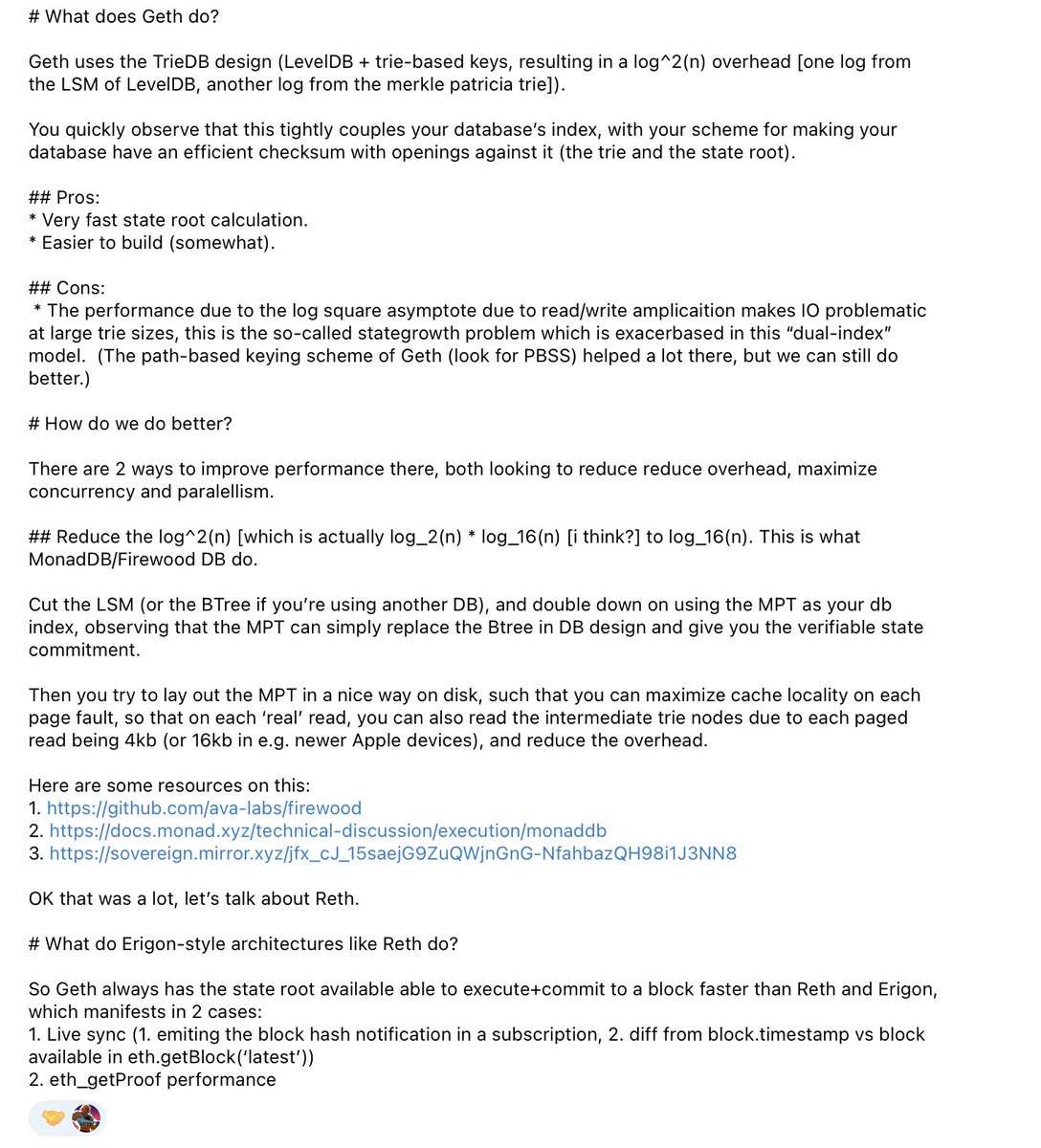
Today in the Reth chat I dumped everything I know about >10x'ing the performance of Reth's state root, the real bottleneck in crypto performance.
This includes my understanding of how other DBs like Geth, Solana, Monad, Firewood achieve their performance & verifiability.
#Security is about doing basic things well. People tend to overcomplicate. And in reality, it's good when at least the basic #security controls are really integrated into processes or into the product.
Fun fact: though I write about #cybersecurity basically, the most popular article on my blog is about #Qemu automation via terminal.
https://t.co/2U5R4dK59z
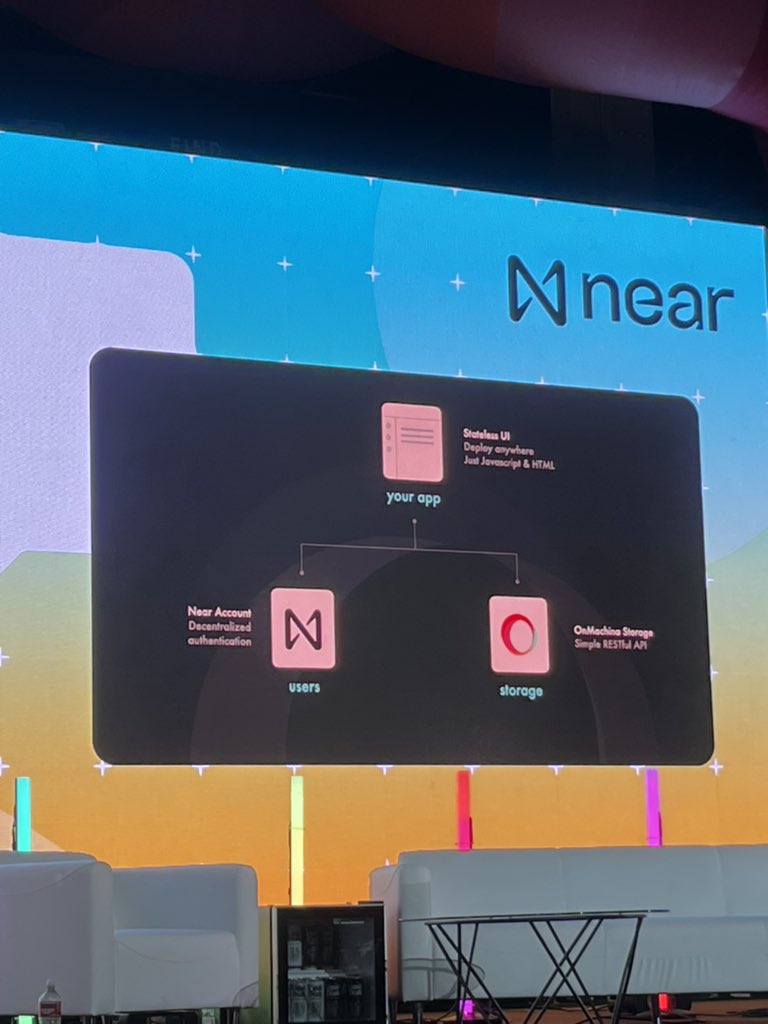
@a_seven_life@OnMachina Sorry to hear that. From the statement I see that it were other people originally... Personally, I joined OnMachina in 2023 to build a decentralized storage: technology and engineering are on my shoulders, and we have progress.
Very impressive demo from @onmachina👌
Decentralised storage is coming to NEAR 😏
Currently on Testnet, calling for developers to join Beta Program.
#NEAR#NEARisNOW
@a_seven_life@OnMachina No, I know nothing 😕 2 years ago I wasn't even in Web3 space. Are you sure you don't confuse different companies with a similar name?
Seems like, many developers just put different ideas, which don't fit into strong #FT and #NFT concepts, into #SFT (Semi-FT): shares (more like FT), tickets (more like NFT), inapp purchases. Many of them have different mutually-incompatible requirements.
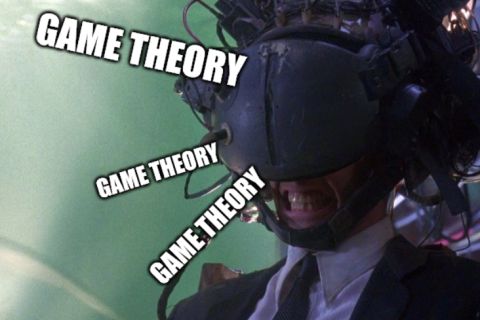
I have completed the #GameTheory course on Coursera. The course itself is really bad except for practical assignments. Thankfully, I found an incredible YouTube course @gametheory101 (William Spaniel).
Me, trying to absorb the Game Theory in the past few weeks:
If you wish to understand the principles and algorithms of #decentralization, I recommend a pretty deep course about Secure Multi-Party Computation (SMPC): https://t.co/xUBBxE5pHk (e.g. there are Byzantine Agreement and Reed-Solomon error correction algorithms). By @nptelindia









![fadeevab_com's tweet photo. @ittaia My FLP Lemma 3 mental model "clicked" for me when I compressed the whole system state into this form:
[3,1] - states of two nodes (any number, say, from 1 to 5)
[e,e'] - shared message queue
Better config. labels:
U - uncommitted
C - committed
Then, case 1 becomes this square https://t.co/6jW84RizRZ](https://pbs.twimg.com/media/HJoY8V2XgAUKk2b.png)