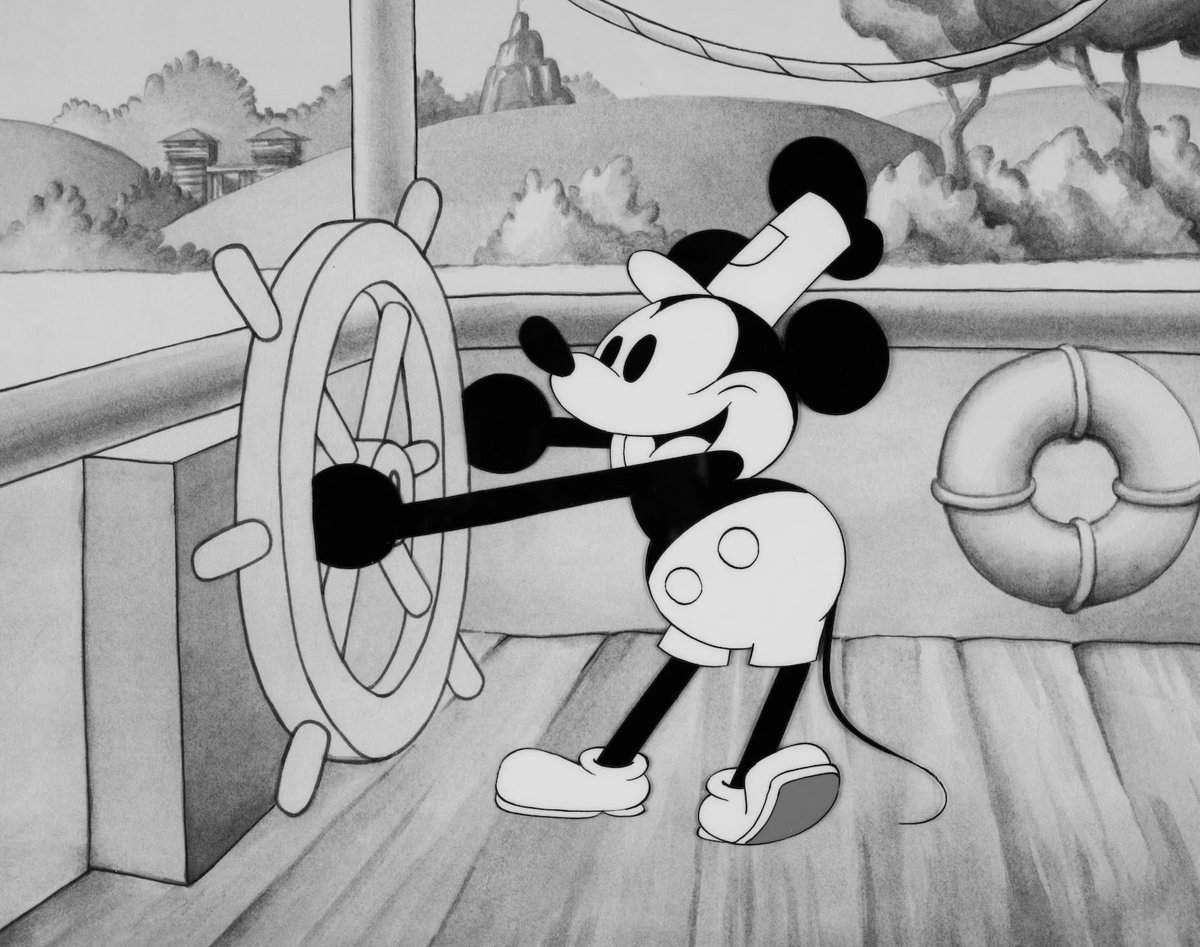
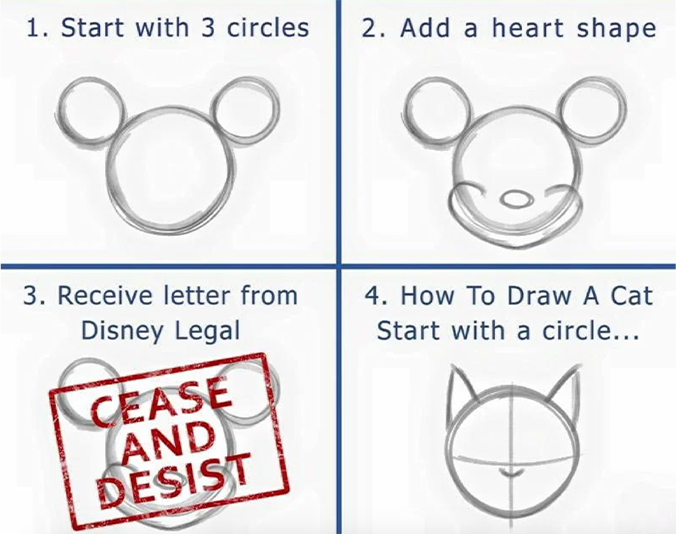
Ever since Mickey first appeared as a steamboat pilot a year before the Great Depression, the length of creative copyright has been extended...
again....
....and again.
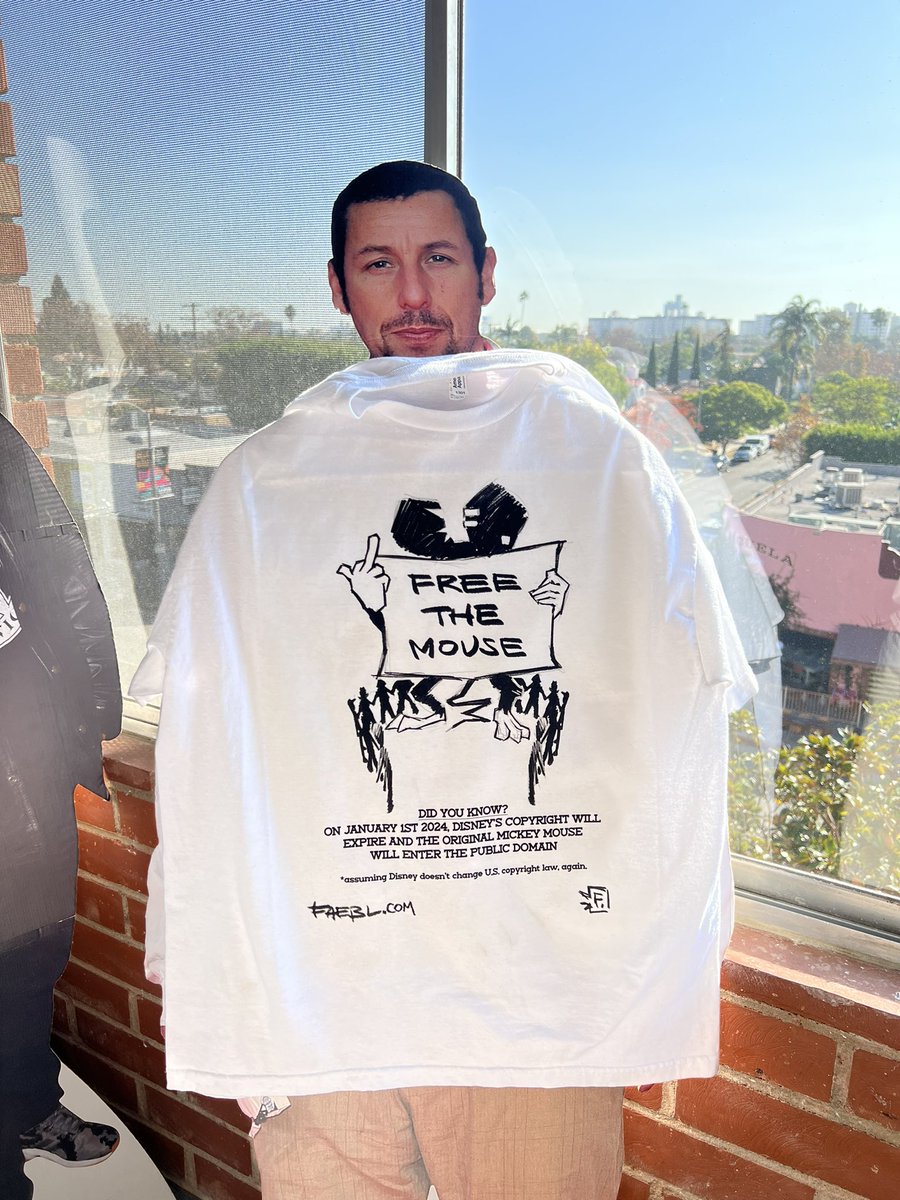
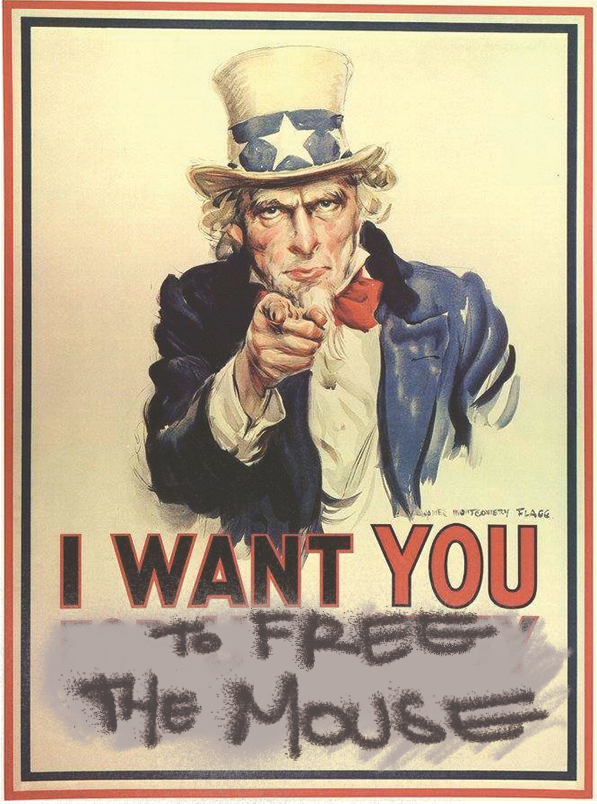
FREE THE MOUSE🐭
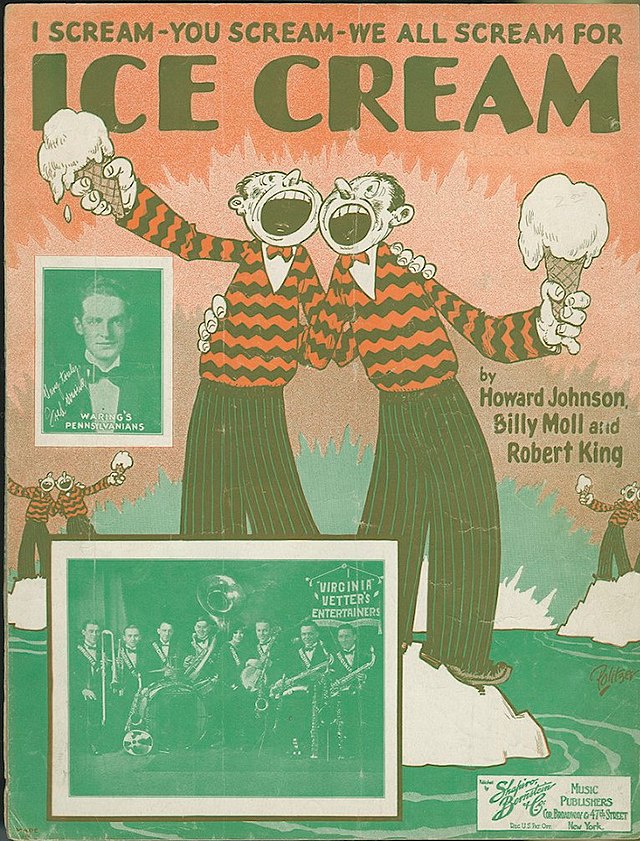
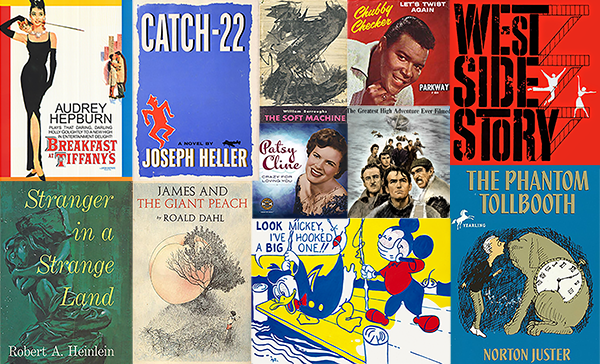
"I Scream, You Scream, We All Scream for Ice Cream" is a popular song by Howard Johnson, Billy Moll, & Robert A. King that entered the Public domain this year.
After initial success as a late 1920s novelty song, the tune became a traditional jazz standard.
The public domain is our cultural commons and a crucial resource for innovation and access to knowledge.
Copyright policy should strive to promote ideas and creativity - not diminish, a robust, accessible public domain.
Project Gutenberg (@gutenberg_org) is a volunteer effort to digitize and archive cultural works, to “encourage the creation and distribution of eBooks”. It was founded in 1971 by Michael S. Hart and is the oldest digital library.
Currently, it offers over 49,000 FREE eBooks to read/use and they are all part of the Public Domain in the U.S. aka copyright-free.
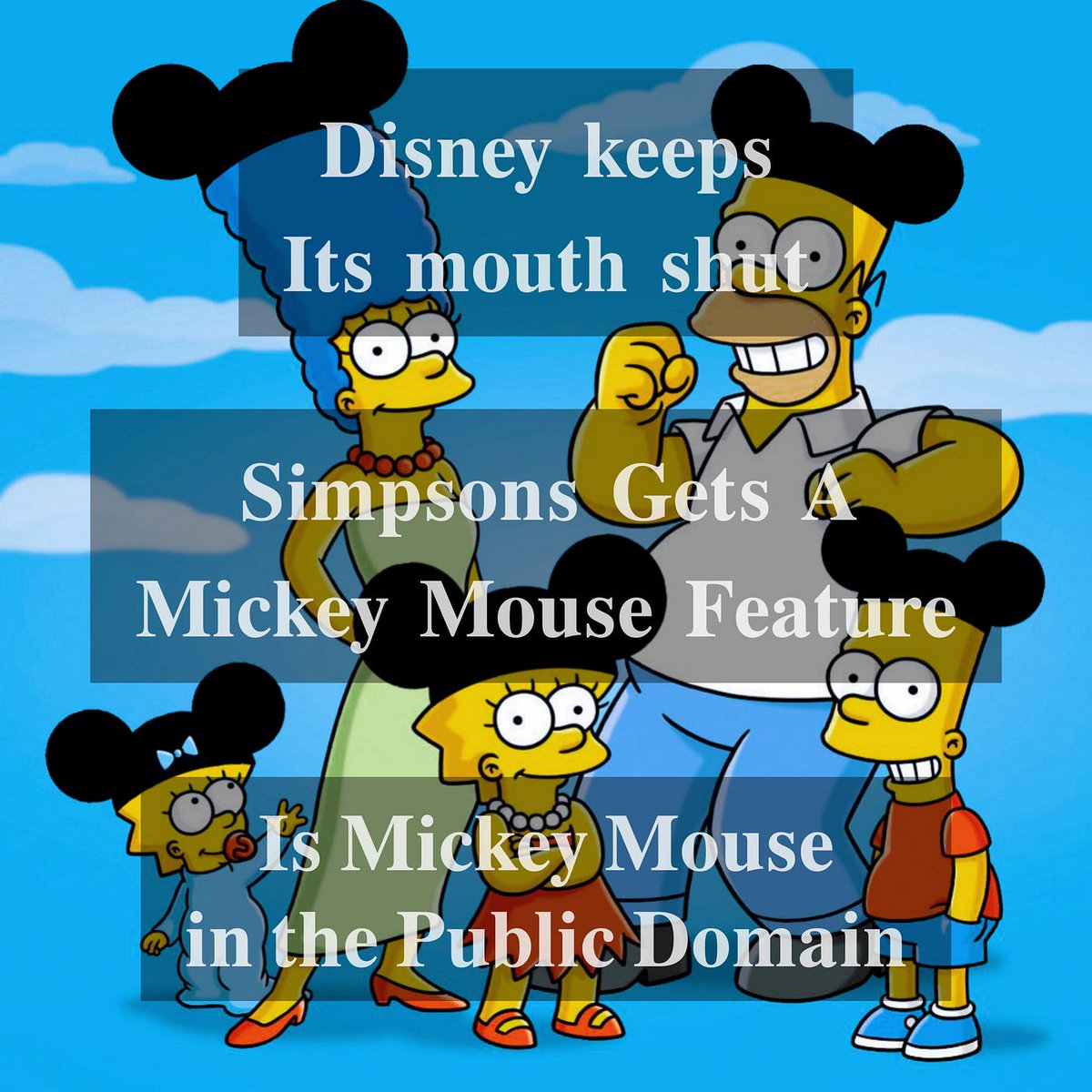
Today, Congress holds the power to modify copyright duration as needed, suggesting that Mickey Mouse’s copyright could see another extension before 2024 hits.
But should it?
Does Disney’s legal manipulation serve any positive benefits to society at large, or does it merely further enforce the repertoire of private interests?
FREE THE MOUSE🐭
https://t.co/vd73IJnXhV
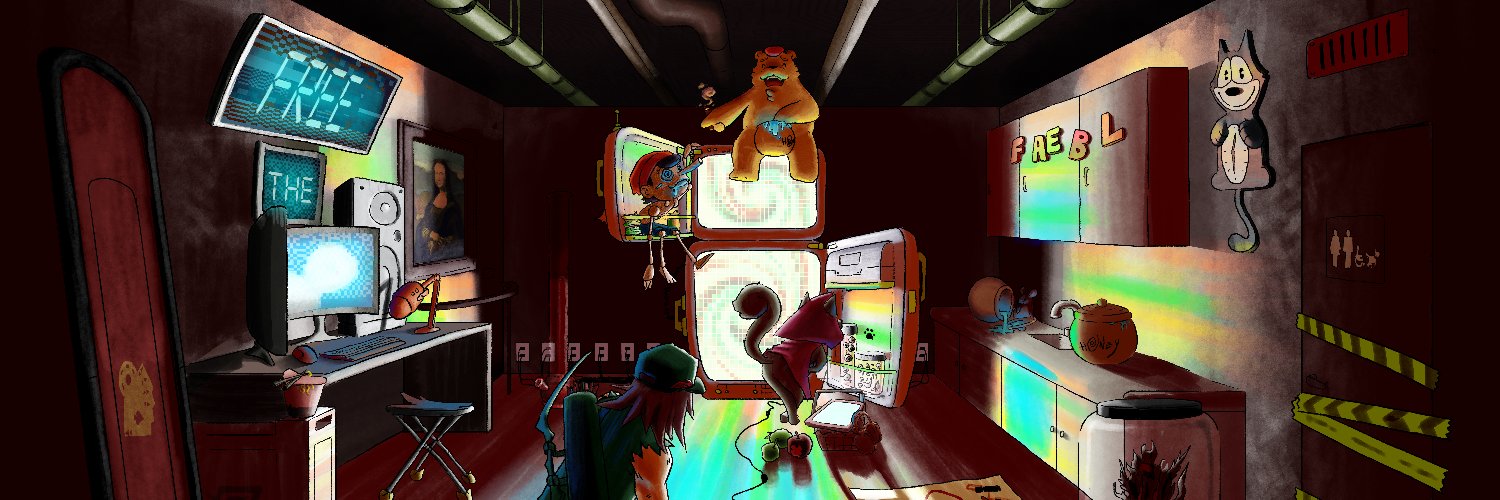
FAEBL anticipates the release of the world’s most recognizable rodent from the control of the Walt Disney Company.
This will have been, barring any more last-minute extensions, a very long time coming…
FREE THE MOUSE at https://t.co/0qLtSbLSVC
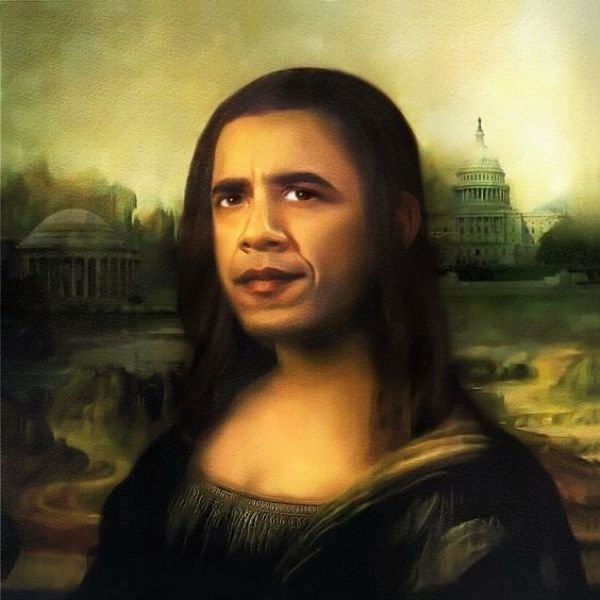
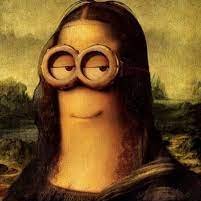
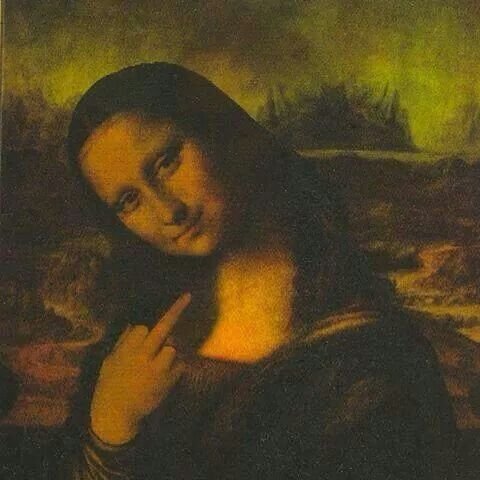
Leonardo da Vinci's Mona Lisa is one of the most recognizable and famous works of art in the world.
It is also one of the most replicated and reinterpreted.
How?
Public Domain.
Simply changing portions of the text, adding footnotes, references, opinions etc to Public Domain books can allow you to recreate new works which then be copyrighted to you as the new author.