MBBS candidate @UOH
bookish|creative worrier|advocate|
predilect indepth for a science based revolution to the current knowledge|
competent|adequate in purpose
“It is fitting that Israel, often a lonely voice in a hostile world and another state that has patiently struggled for official recognition, is the first country to acknowledge Somaliland’s independence… This rare geopolitical event benefits everyone involved…"
"As important, Somaliland has acquired a much-needed advocate and ally. Somaliland’s leaders dream of winning recognition from the U.S. The new relationship with Israel could build support for Hargeisa’s cause in Washington among those who hadn’t previously thought much about Somaliland or even known it existed.” https://t.co/riwWm5APkO
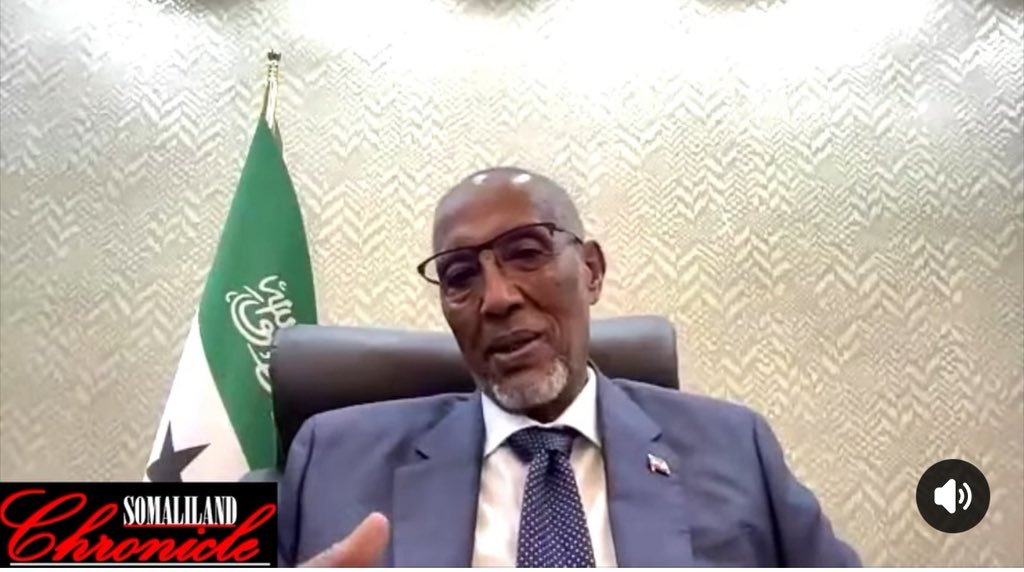
In his recent interview, the first of its kind since leaving office, the former president of Somaliland mentioned that the three prominent opponents to Somaliland’s recognition are Egypt, Somalia, and Qatar.
"The Trump Administration and Secretary Rubio have already made significant strides in strengthening the U.S.-Somaliland relationship – the United States can continue to nurture this partnership with a separate and more accurate travel advisory, which accords with the stable situation on the ground," said Co-Chair Smith.
https://t.co/NvaqRCIeeV
Chameleonic nationalism! Mr. Mashruuc Xabashi is the last person who should utter such words. No matter how well this content reflects the true history of our nation- SOMALILAND, it loses all credibility in the eyes of many because it comes from him-Mr Mashruuc Xabashi.
A must-watch documentary, The Unrecognised tells the story of “a land with a history untold, a people unbowed, and a nation the world refuses to see.” It narrates in detail the richness in #Somaliland. Coming soon.
This argument is weak: it uses irrelevant criteria (ethnicity/religion/language), reduces history to ‘clan,’ relies on a slippery slope fallacy, ignores Somaliland’s 1960 independence and voluntary union, and even contradicts itself.
With due respect, Dr. Kani’s, @torunkani argument overlooks history. Somaliland’s case cannot be dismissed by pointing to shared ethnicity, language or religion. If that were the standard, the Arab world would be one country today. Muslim nations that shared one language and even one state have separated peacefully and been recognized, Egypt and Syria were once the United Arab Republic, yet today they stand as two sovereign states. Somaliland is no different:
Somaliland joined in a hurried and unratified union with Italian Somalia a union that lacked a binding legal framework and we lawfully reclaimed our sovereignty in 1991 when that union collapsed.
Turkey’s internal anger at its own separatist movements should not be projected onto Somaliland. Our cause is not rebellion; it is the democratic restoration of a statehood that already existed. Somaliland’s future is decided in Hargeisa, not in Ankara.
And to President Cirro: diplomacy is not about lowering the dignity of your own people. It is about defending their right to be heard. Somalilanders expect you to speak with clarity recognition, not half-measures, is their will.
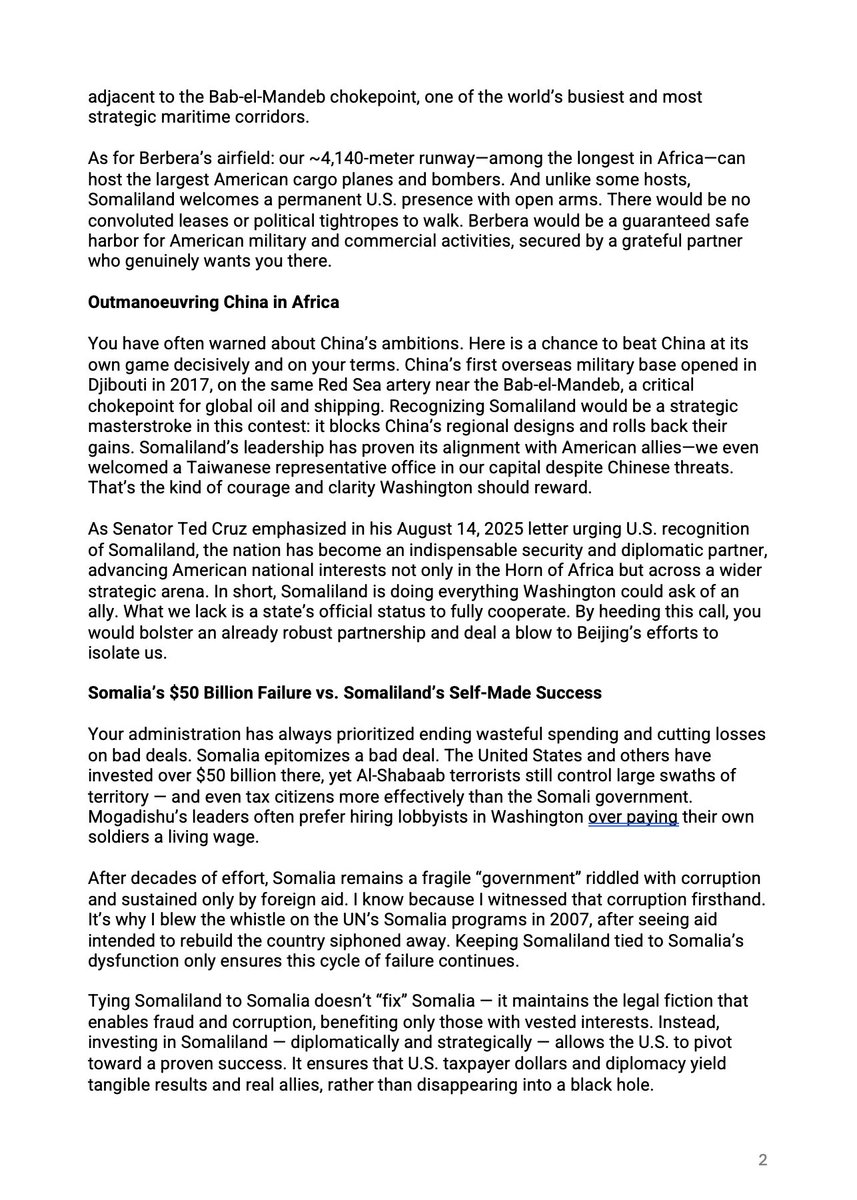
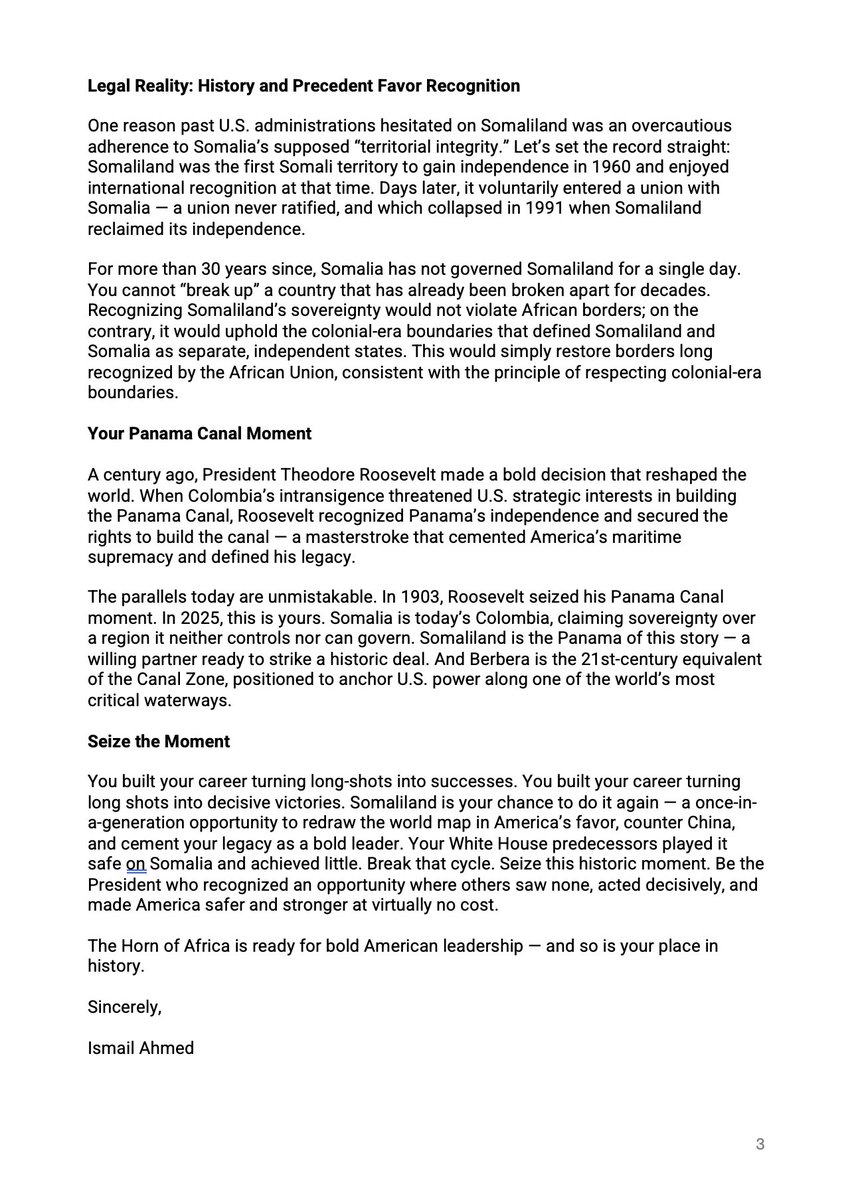
Dear @realDonaldTrump
This is your Roosevelt moment on the Red Sea! As a Somaliland-born founder of WorldRemit & former UN whistleblower on Somalia aid corruption, I urge you to recognize Somaliland’s independence in exchange for exclusive access to Berbera’s military base — a low-cost win over China’s gains & Somalia’s $50B failure.
Full open letter attached.
🇺🇸 Trump’s Panama Canal Moment
Somaliland offers America exclusive access to Berbera’s port & 4km airfield—a low-cost, high-impact foothold in one of the world’s most strategic corridors.
In 1903, Roosevelt recognized Panama & secured the canal.
In 2025, Trump can recognize Somaliland & secure the Red Sea.
#RecognizeSomaliland
It is both shocking and deeply disappointing the signing of a Memorandum of Understanding (MoU) between the Ministry of Foreign Affairs of Somaliland and ISSIR, a Hargeisa-based organization whose senior management includes the current Director General of the Ministry.
This is an unacceptable conflict of interest. When public officials hold influential positions in both government and external organizations, it compromises the integrity of decision-making and erodes public trust in our institutions.
This action directly contradicts the principles of transparency, accountability, and ethical governance that the Ministry claims to champion. It is a betrayal of the public's confidence and a stain on the credibility of our foreign affairs leadership.
Shame on the Minister. The vision and values you claim to uphold are clearly not reflected in what was signed today. Somaliland deserves better—leaders who place national interest above personal ties and who safeguard the dignity of public office.
We call for urgent clarification, accountability, and a reconsideration of this MoU to restore public trust and uphold the standards of good governance. @ISIR_INSTITUTE@somalilandmfa@MohamedBarawani
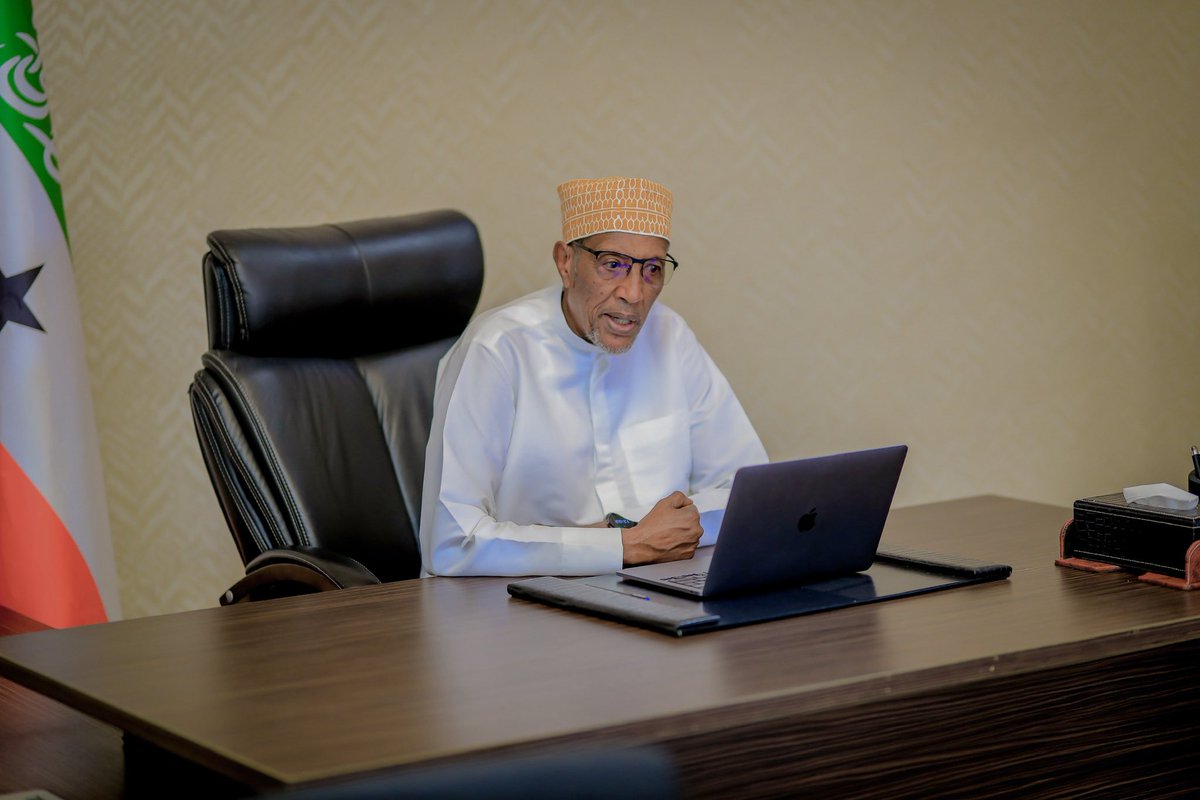
I had a virtual farewell meeting with the UK Ambassador, H.E. @MikeNith1 I thanked him for his service, the strong cooperation, and the excellent diplomatic relations during his tenure. I wish him a bright and successful future.
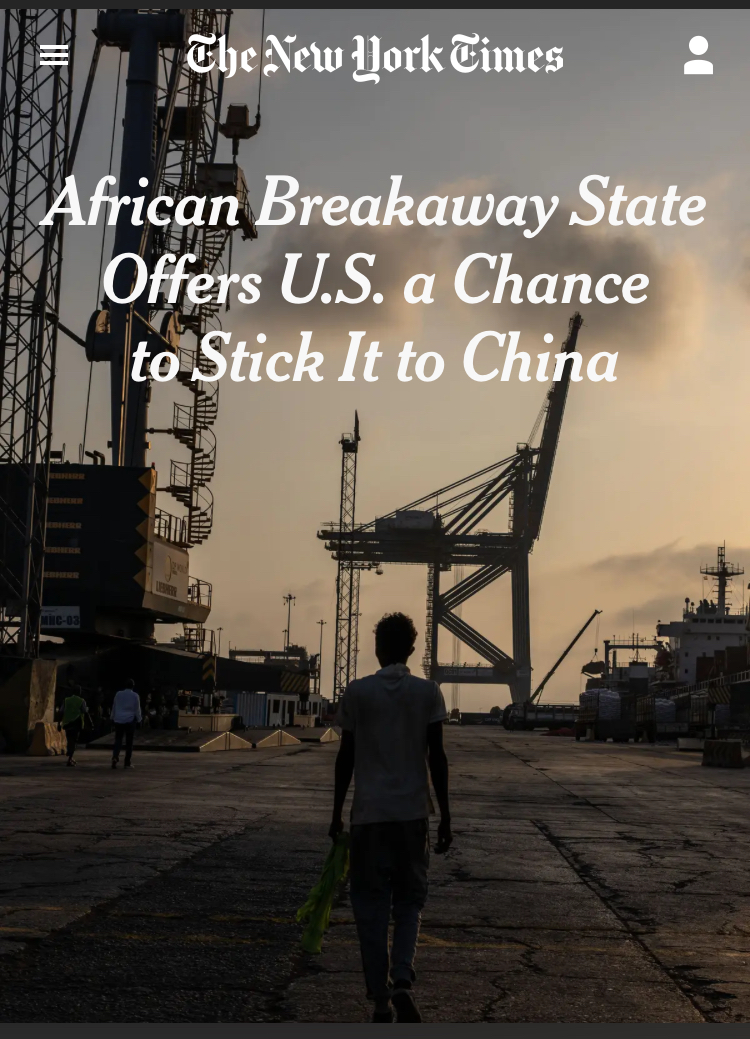
From the New York Times:
By Abdi Latif Dahir and Joao Silva April 12, 2025
The Cold War-era airstrip, its asphalt gleaming in the sunlight, stretched toward the coastline on the Horn of Africa. A few miles away, dock workers unloaded cargo at a port on the Gulf of Aden, a vital global shipping route frequently under attack by Houthi rebels from Yemen.
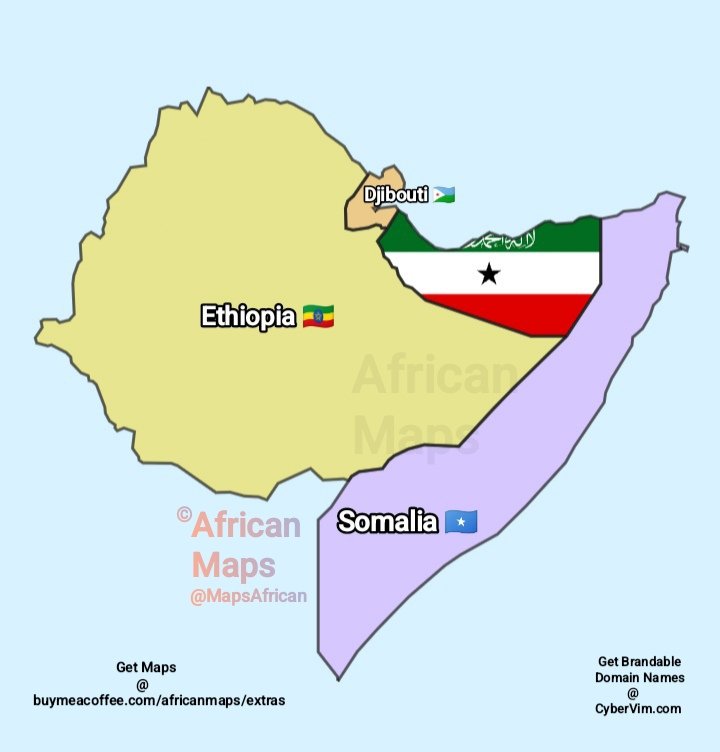
These two maritime facilities in Berbera city belong to Somaliland, an enclave of about five million people that has functioned independently from Somalia since 1991. Some Somalilanders see the port and the airstrip as the keys to achieving a decades-old ambition: international recognition.
Somaliland has its own currency and passport, as well as control over its foreign and military affairs. It has held several widely praised independent elections. Now, it wants to make a deal with President Trump in which the United States would lease both the port and the airstrip in exchange for long-awaited statehood.
Gaining an endorsement from the most powerful country in the world, Somalilanders say, would bring global investment and broader diplomatic and security ties. But some analysts fear that recognizing Somaliland could disrupt the region, strengthen groups like Al Shabab and upset close U.S. allies like Egypt, Turkey and the African Union, who fear the move would set a precedent for secessionist movements across Africa.
The timing may be auspicious. The Trump administration is considering closing its embassy in Mogadishu, the capital of Somalia, citing security risks. Persistent attacks from Houthis have disrupted international shipping, heightening concerns of growing instability in the region. And as the trade war with China heats up, a new U.S. foothold on the continent could help counter Chinese influence.
“Myself and my people are hopeful that the business-mindedness of President Trump will lead to the recognition of Somaliland,” President Abdirahman Mohamed Abdullahi said last month in an interview with The New York Times at the presidential palace in Hargeisa, the capital. “This is the biggest opportunity we’ve had.”
Mr. Abdullahi plans to visit Washington in the coming months. The deal he envisions includes a U.S. military base along the territory’s 500-mile shoreline hugging the Gulf of Aden. Such access would give the United States a critical presence on a major shipping route and a strategic vantage point to monitor conflicts in the region, including in Somalia.
Last week, Gen. Michael E. Langley of Africa Command warned the Senate Armed Services Committee about escalating threats from the Qaeda-linked group Al Shabab and ISIS, which he said was directing its global operations from Somalia. “Left unchecked, they will have a direct effect on the homeland,” he said.
Some Republican leaders and Mr. Trump’s allies are calling for a re-evaluation of U.S. policy toward Somalia, citing concerns over the country’s persistent instability. Somalia is among the countries facing a complete travel ban under proposed restrictions from the Trump administration.
The United States currently has a base in neighboring Djibouti, next to Chinese and European military operations. Somaliland would be a less congested option for monitoring the waterway and launching potential strikes against Houthi targets in Yemen, Somaliland officials say.
The base would be coupled with Berbera International Airport, which at 2.6 miles has one of the longest landing strips in Africa. The airfield was built by the Soviet Union in the mid-1970s and was once rented by NASA for space shuttles. It was recently renovated by the United Arab Emirates, but remains vacant.
Somalilanders’ enthusiasm for Mr. Trump comes after years of building a close rapport with congressional Republicans, conservative think tanks and Mr. Trump’s former appointees, many of whom have called on the United States to increase its engagement with Somaliland, recognize it and open a representative office in Hargeisa.
Somaliland is one of the few places in Africa that has maintained close diplomatic ties with Taiwan and has positioned itself as an indispensable American ally willing to stand up to China and its expanding influence on the continent.
“Many countries, when forced to choose between the U.S. and China, opt for the latter,” Mr. Abdullahi wrote in a January letter to Mr. Trump that was obtained by The Times. “We have consistently chosen — and will continue to choose — America, Taiwan and other free, democratic partners.”
One scorching afternoon in Hargeisa last month, Edna Adan was busy sorting through piles of folders at her office.
At 87, she walks briskly and shows no sign of slowing down from her work as a nurse-midwife, an activist and the founder of a major maternity hospital and a university in the city that carry her name.
In the early 2000s, Ms. Adan served as Somaliland’s first female foreign minister. She still speaks passionately about how Somalia and Somaliland have always been separate states.
Somaliland was a British protectorate until its independence on June 26, 1960. Days later, it merged with the Italian-administered Somalia to form the Somali Republic. Almost immediately, Somalilanders felt marginalized and neglected by the new government.
Then, in the 1980s, because of political marginalization and repression, there was an open rebellion against Mogadishu. The Somali Army, under the dictator Siad Barre, carried out widespread massacres. Somaliland says that the union was officially dissolved when Somalia’s central government collapsed in 1991.
But no country has been willing to give Somaliland global recognition, limiting its ability to sign security agreements, access international markets, formally participate in international sports or properly control its airspace.
“We have been denied our voice,” Ms. Adan said. “We have been denied a place to tell our story.”
Global attention on Somaliland’s pursuit of independence fluctuated until last year, when a former president took a risk. On Jan. 1, 2024, Somaliland announced it had signed a deal allowing Ethiopia to build a naval facility on its coastline in exchange for recognition.
Ethiopia never publicly committed to recognizing Somaliland as an independent state. But the agreement set off a major diplomatic and military standoff with Somalia, and raised concerns about a wider regional conflict that would pull in Ethiopia’s longtime adversaries, Eritrea and Egypt. After Turkish mediation, Somalia and Ethiopia agreed to end their dispute in December.
But the standoff had another effect: refocusing attention on Somaliland’s strategic assets, including its natural resources.
Orina Chang, a Taiwanese-American investor formerly with Morgan Stanley, recently worked with a mix of American and Somaliland geologists to map out locations for rare earth minerals across parts of Somaliland. Agencies, including the U.S. International Development Finance Corporation, have shown interest in investing in the projects, she said.
“The U.S. government is now more interested in Somaliland than before,” she said. “All of a sudden, people are calling.”
Somali officials in Washington have hired a lobbying firm with deep Republican connections to help get closer to Mr. Trump.
Last month, Somalia’s president wrote his own letter to Mr. Trump, offering the United States exclusive control of two air bases and two ports — including the port in Berbera. Somaliland officials dismissed the offer as “desperate,” asserting that Somalia did not have the authority to provide the United States with an asset it did not control.
“They seem to be on a suicide mission, and there is nothing they can do to stop the upcoming recognition of Somaliland,” Abdirahman Dahir Adan, the territory’s foreign minister, who met officials in Washington last week, said in an interview.
Even as it seeks global recognition, Somaliland is dogged by several domestic challenges, including high unemployment and persistent poverty and inequality.
Tensions between China and Somaliland escalated when Taiwan opened a representative office in Hargeisa in 2020. Taiwan has spent millions of dollars supporting military training, agriculture, medicine and infrastructure in Somaliland.
China recently met with officials from and provided aid to a region in Somaliland’s east that is in conflict with the government in Hargeisa. Observers and officials say the move was aimed at rattling Somaliland and getting it to abandon its ties to Taiwan. On Saturday, Somalia’s prime minister arrived in the disputed region for a planned visit, the Somali state news agency reported, a move that Somaliland’s Foreign Ministry called “provocative” and “ill timed.”
“It would really be seen as a major setback for the Chinese if the United States were to recognize Somaliland,” said Eric Olander, a founder of the China-Global South Project website. “Should Somaliland go down this path, it’s inserting itself into a struggle with China that it will never escape from.”
In addition to fearing that recognition of Somaliland could sow long-term problems in the region, some analysts say that it could become linked to U.S. divisions.
Without bipartisan support, Somaliland could also be seen as a pet issue for congressional Republicans, leading to a backlash under a future Democratic administration, observers say.
For now, these are all risks that Somaliland says it is willing to take. “For 34 years, we have proven to the world that we are an example of peace and stability,” said Hafsa Omer, 22, who founded an all-girls basketball team in Hargeisa. “Give us our recognition now.”
My number one favorite SNM figure—the founder!
Smart, visionary, and a well rounded leader.
InshaAllah, we will fulfill your legacy and that of the SNM.
Claims by Somalian government officials that Al-Shabaab is a foreign import, particularly from Somaliland are false!
Let's set the record straight in this short 8 part thread on Al-Shabaab's leadership in Somalia.