We're building Fairmint with a clear vision: bringing recordkeeping and liquidity on the same rail. Onchain.
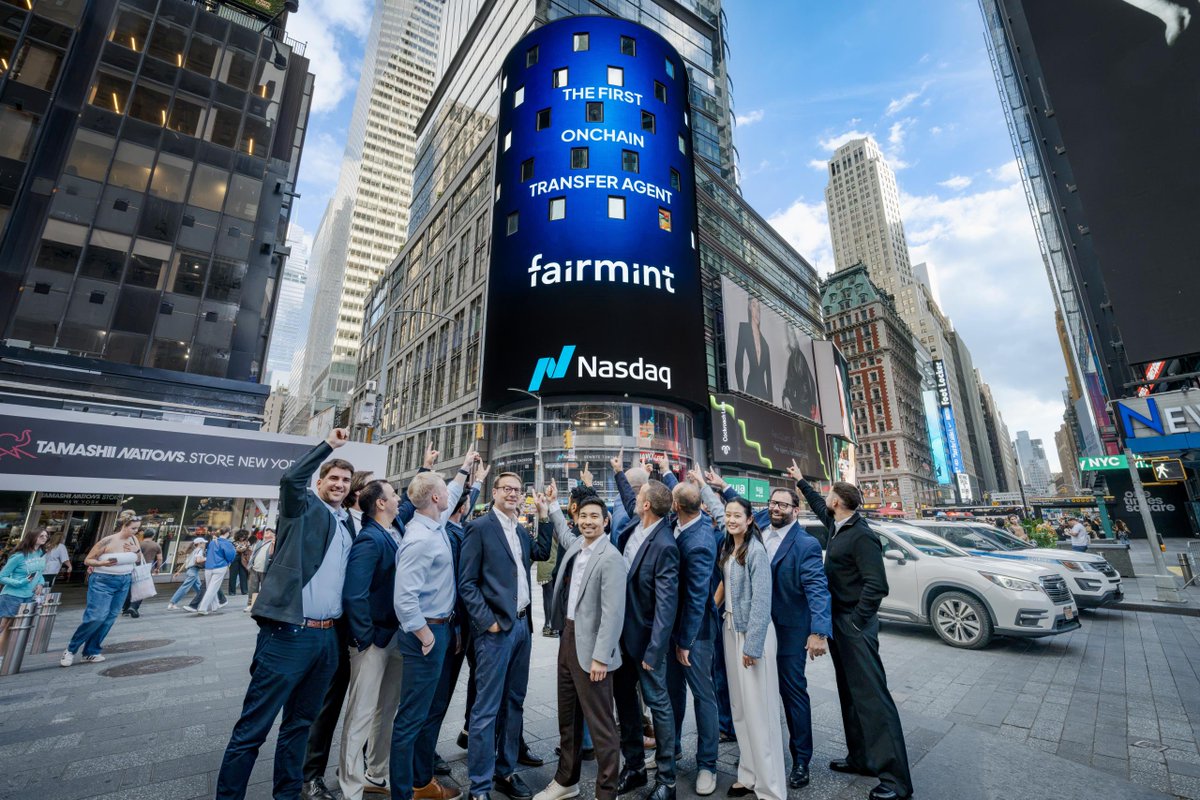
Great to have everyone together in New York this week 🗽
we talk a lot about trading stocks onchain
but being able to borrow against them is another reason to get the ownership infrastructure right.
What you can do with your shares matters too 🤝
A shareholder finds someone willing to buy their private-company shares.
Great. But the company may still need to check who's buying, whether the transfer is allowed and what approvals are required.
Being able to move a token doesn't remove any of that.
Retail adoption of tokenized stocks is moving fast. The issuer side needs to keep pace too.
The transfer agent layer needs just as much innovation if official ownership records are going to keep up with onchain markets.
Tokenization on Solana is hitting new all-time highs!
The latest data shows record growth across multiple RWA categories:
- Tokenized credit holders: 19,789 ATH
- Tokenized stock asset holders across tracked markets: ~1.5M ATH, up 6.7%
NVDAx leads individual tokenized stocks with 190.1K holders, ahead of SPCX at 111.1K.
Another huge milestone for onchain asset adoption.
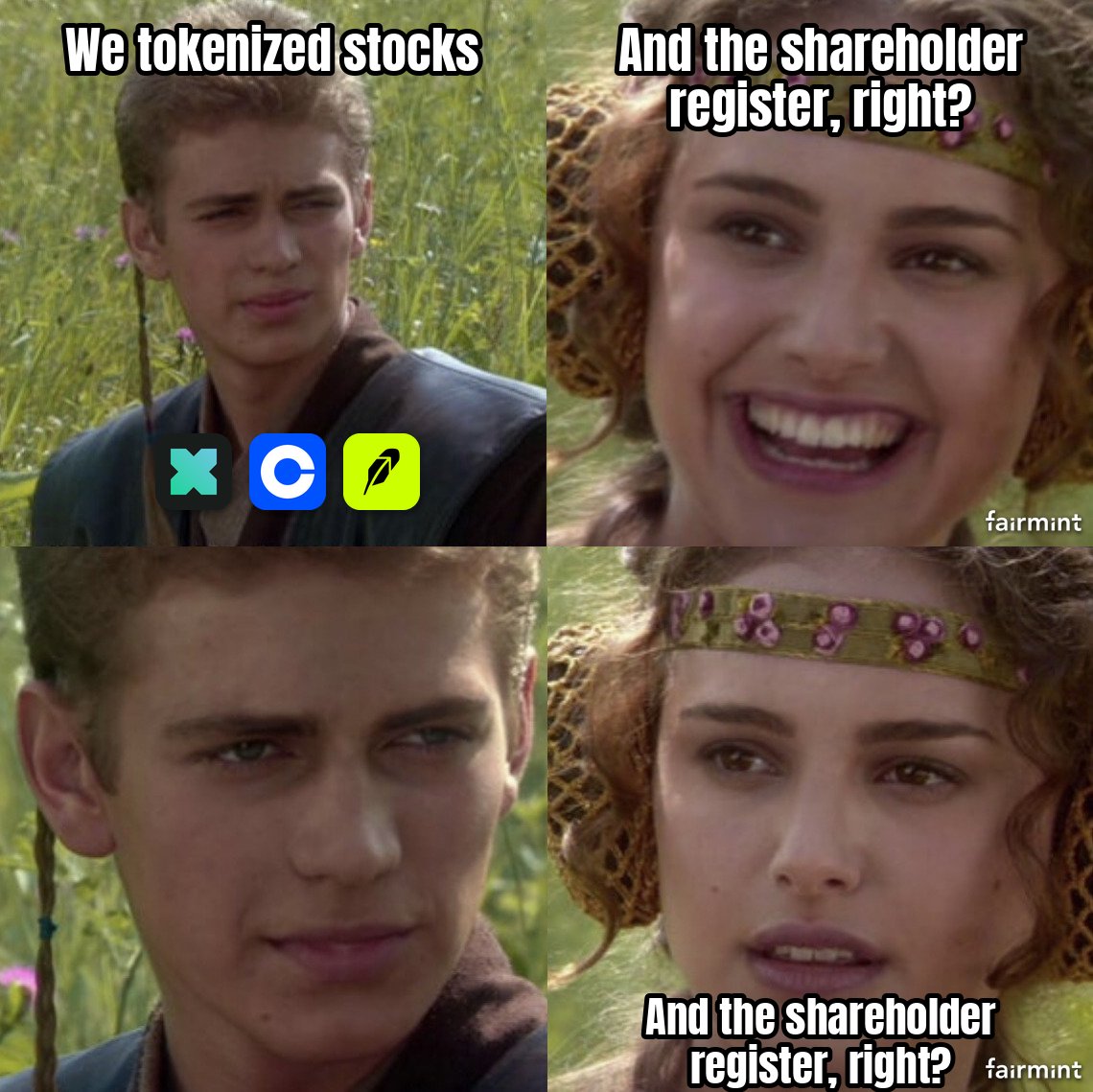
We're figuring out how to trade, lend and borrow against tokenized stocks while the companies issuing those shares are still stuck with outdated ownership infrastructure 🤔
Would be great to put as much energy into fixing that side of the market too
“A token is not equity. But equity can be a token.”
That distinction changes everything about tokenized stocks.
Our CEO @Joris_DLN on why the official shareholder register matters, from yesterday’s webinar with @CantonStrategic 👇
Private markets still need clear data.
@fairmint and @Blockworks seek 2.4 million CC for a shared Canton asset feed.
If approved, it would give data services a common format without exposing private ownership records.
https://t.co/kjc1Umhshe
Moving a cap table between providers can mean converting years of share issuances, transfers, option grants and exercises into a different data format.
OCF (Open Cap Table Format) gives equity systems a common structure for exchanging that data.
When someone says they own a "tokenized stock", what do they actually own?
A token giving them rights to shares held by a custodian? Or shares recorded on the company's official register?
Both get called tokenized stocks, but the rights you get can be very different.
Your cap table says an investor owns 10,000 shares.
Your shareholder register says 9,500.
Now someone has to figure out where those 500 shares went before the next financing or share transfer.
Imagine two systems showing different owners for the same shares.
Both have a transaction history. Both look up to date.
Which one actually determines who owns the shares?
That's a legal and market-infrastructure question, not just a data-sync problem.
Putting shares onchain and recording share ownership onchain aren't necessarily the same thing.
At Fairmint, we're building infrastructure around the authoritative shareholder register, where ownership is officially recorded.
We're an SEC-registered transfer agent.
A lot of attention on where tokenized stocks will trade
we spend our time on how those trades connect back to the company and its shareholders.
Bringing transfer agency onchain is how we're building that connection 🤝
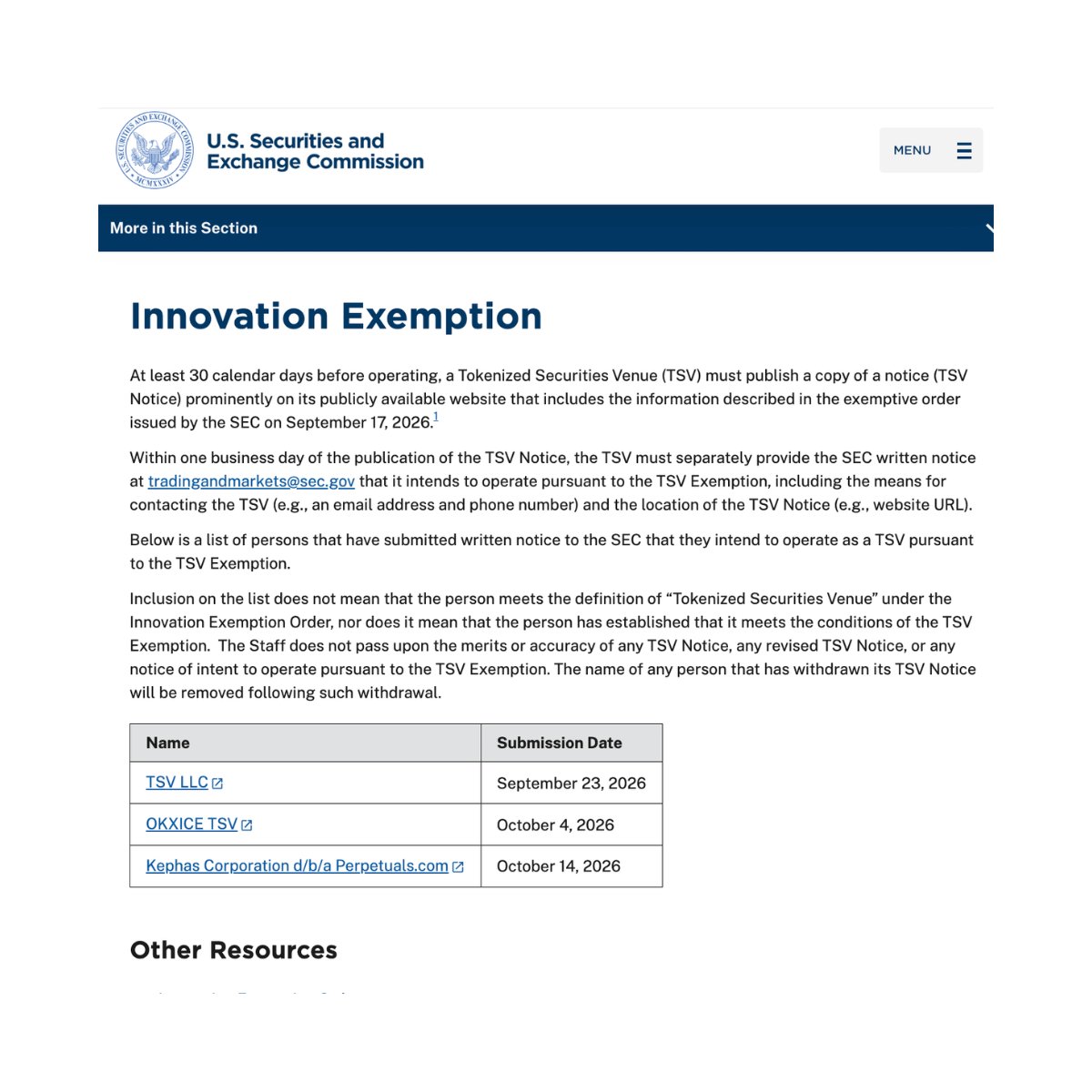
THE BLOCK: SEC lists three firms that have filed notices to operate tokenized securities venues under its Innovation Exemption: TSV LLC, OKXICE TSV, and Perpetuals[dot]com (Kephas Corporation).
"Inclusion on the list does not mean that the person meets the definition of 'Tokenized Securities Venue' under the Innovation Exemption Order, nor does it mean that the person has established that it meets the conditions of the TSV Exemption," the SEC noted.