أستاذة في جامعة ستانفورد تقضي 20 عام في دراسة سبب امتلاك بعض الأشخاص حظ أكبر.
استنتاجها:
الحظ ليس صدفة، إنه مثل الريح: يجب أن نضع له شراعًا.
إذا أردت أن أكون أكثر حظ، سأفعل هذه الأشياء السبع:
شاب ترك الجامعة وأصبح مساعدًا بحث لروبرت غرين، كتب في عام 2016 كتاب يجادل فيه بأن الشيء الوحيد الذي يدمر معظم مؤسسي شركات التقنية ليس السوق، ولا المنافسة، ولا سوء الحظ، بل العدو نفسه الذي كتب عنه ماركوس أوريليوس في مذكراته قبل 1800 عام.
اسم الكتاب: «الأنا هي العدو» (Ego Is the Enemy)، ومؤلفه ريان هوليداي.
ترك هوليداي جامعة كاليفورنيا في ريفرسايد وهو في التاسعة عشرة من عمره ليتدرّب تحت إشراف روبرت غرين، مؤلف كتاب «القوانين الـ48 للسلطة». أمضى سنوات داخل الغرف التي كان يكتب فيها غرين، يقرأ الكتب القديمة التي يستشهد بها، ويراقب عن قرب كيف يعمل الباحث الجاد فعلًا.
وبحلول منتصف العشرينات من عمره، بدأ يكتب كتبه الخاصة. وعندما بلغ التاسعة والعشرين، نشر الكتاب الذي أصبح لاحقًا قراءة شبه إلزامية داخل وادي السيليكون، ودوري NFL، وحتى داخل الجيش الأمريكي.
صدر الكتاب عام 2016، وهو مبني على فلسفة عمرها أكثر من ألفي عام تُعرف باسم الرواقية (Stoicism)، صاغها ثلاثة رجال لم يكن بإمكانهم تخيل مدى ارتباط أفكارهم بعالم عام 2026.
كان ماركوس أوريليوس إمبراطورًا رومانيًا. وكان يحتفظ بمذكرات خاصة لم يكن ينوي نشرها يومًا، يكتب فيها كل ليلة كيف يتجنب الغرور، وكيف يتوقف عن ردود الفعل المندفعة، وكيف يمنع السلطة من إفساد حكمه على الأمور.
أما سينيكا فكان مستشارًا للأباطرة. أصبح ثريًا ومشهورًا، ثم أُجبر في النهاية على الانتحار عندما انقلبت السياسة ضده.
أما إبكتيتوس فكان عبدًا يونانيًا تحول إلى فيلسوف، وكان يعلّم طلابه أن معظم ما يدمر الإنسان يأتي من داخله، لا من خارجه.
وعلى الرغم من أن هؤلاء الثلاثة عاشوا في عصور مختلفة، فقد انتهوا جميعًا إلى النتيجة نفسها:
العدو ليس العالم. العدو هو ذلك الجزء بداخلك الذي يريد من العالم أن يؤكد باستمرار مدى أهميتك.
أخذ هوليداي هذه الفكرة وبنى عليها إطارًا يناسب العصر الحديث: المؤسسون، والمهندسون، والكتاب، والرياضيون، وكل شخص يحاول إنجاز عمل ذي قيمة أمام الناس.
يقول إننا نعيش دائمًا داخل واحدة من ثلاث مراحل:
الطموح. النجاح. الفشل.
ونتنقل بينها باستمرار.
وفي كل مرحلة، يهاجمنا الأنا بطريقة مختلفة.
المرحلة الأولى: الطموح
في هذه المرحلة تعمل على شيء لا يهتم به أحد بعد.
مستودع GitHub لديه 12 نجمة فقط.
شركة ناشئة بلا مستخدمين.
نشرة بريدية تضم 30 مشتركًا.
أو مسودة كتاب لا تزال على جهازك المحمول.
في هذه المرحلة، يريد منك الأنا أن تتحدث عن العمل بدلًا من إنجازه.
يريدك أن تنشر عن الإطلاق قبل أن تُنهي الإطلاق.
أن تجادل الناس على منصة X حول خططك المستقبلية بدلًا من شحن التحديث التالي.
والمشكلة أن الحديث عن العمل يمنحك جرعة صغيرة من الرضا تشبه إلى حد كبير الرضا الناتج عن إنجاز العمل نفسه.
دماغك لا يميز بينهما جيدًا.
فتغرد عن المشروع، وتشعر بإحساس الإنجاز، ثم تؤجل العمل الحقيقي إلى الغد.
وصفة هوليداي بسيطة ومباشرة:
تحدث أقل. اعمل أكثر.
الثقة هادئة. أما الأنا فصاخبة.
المرحلة الثانية: النجاح
هنا يبدأ العمل بإعطاء نتائج.
يتجاوز المشروع ألف نجمة.
تحصل الشركة على جولة تمويل.
ينتشر منشورك بشكل واسع.
أو تحصل أخيرًا على التغطية الإعلامية التي كنت تطاردها لسنوات.
في هذه المرحلة يريد منك الأنا أن تعتقد أنك وصلت.
أن تتوقف عن التعلم.
أن تتوقف عن الاستماع.
أن تتوقف عن التشكيك في افتراضاتك.
لأن لديك الآن دليلًا على أنك كنت محقًا طوال الوقت.
هذه هي المرحلة التي يراها هوليداي الأكثر تدميرًا للمسيرات المهنية.
مؤسسون ينجحون في الجولة الأولى من التمويل ثم ينهارون في الجولة التالية.
مطورون يتحول مشروعهم إلى نجاح كبير ثم يتعفن تدريجيًا لأنهم توقفوا عن الاستماع للمستخدمين.
صناع محتوى يحققون نجاحًا فيروسيًا واحدًا، ثم يقضون السنوات الخمس التالية في تكرار الصيغة نفسها حتى يتوقف الجميع عن الاهتمام.
إحدى أقوى عباراته تقول:
“النجاح مُسكر، لكن الحفاظ عليه يتطلب رصانة.”
عليك أن تستمر في معاملة نفسك كمبتدئ، حتى بعد أن يقرر العالم أنك أصبحت خبيرًا.
المرحلة الثالثة: الفشل
هذه مرحلة لا مفر منها لكل مؤسس ومبتكر.
المشروع الذي لم يستخدمه أحد.
الشركة التي نفد تمويلها.
الإطلاق الذي فشل.
الكتاب الذي لم يُبع.
في هذه المرحلة يريد منك الأنا أن تلقي اللوم على الجميع ما عدا نفسك.
السوق مخطئ.
المستثمرون أغبياء.
المستخدمون لم يفهموا.
المنافس غشاش.
التوقيت كان سيئًا.
ويرى هوليداي أن هذه أخطر استجابة ممكنة للفشل، لأنها تمنع الشيء الوحيد القادر على إنقاذك:
التعلم الصادق.
الموقف الرواقي عند الفشل هو أن تنظر إلى الخسارة بوضوح بارد.
أن تفصل بين ما كان خطأك وما كان مجرد سوء حظ.
أن تصلح ما كان خطأك.
ثم تواصل السير.
يتبع..
BREAKING: Claude can now run Stock Market research like a top consulting firm (for free).
Here are 10 Claude prompts that replace $100K/year stock analysts.
(Save for later)
كتب معلم مدرسي أيرلندي متعلم ذاتيًا كتابًا في عام 1854 لم يقرأه تقريبًا أحد لمدة 80 عامًا، حتى التقطه طالب في معهد ماساتشوستس للتكنولوجيا يبلغ من العمر 21 عامًا وأدرك أنه يمكن استخدامه لتصميم كل حاسوب في تاريخ البشرية.
كان اسمه جورج بول. والكتاب يُدعى "تحقيق في قوانين الفكر".
وُلد بول في عام 1815 في لينكولن، إنجلترا. كانت عائلته فقيرة. ترك المدرسة في سن 16 لدعمها. علم نفسه اللاتينية واليونانية والفرنسية والألمانية والإيطالية.
ثم علم نفسه الرياضيات. بحلول سن 19، كان قد فتح مدرسته الخاصة. بحلول سن 24، كان ينشر أوراقًا أصلية في مجلة كامبريدج للرياضيات، يتنافس مع رجال قضوا عقودًا داخل أفضل الجامعات في بريطانيا.
لم يحصل أبدًا على درجة علمية. لم يكن لديه مرشد أبدًا. في عام 1849، وظّفته كلية كوينز في كورك أستاذًا على أي حال.
في عام 1854، نشر تحفته الرئيسية. ما بناه داخلها كان شيئًا لم يحاول أحد القيام به من قبل على هذه الحجم. حوّل المنطق إلى جبر.
قبل بول، كانت المنطق فلسفة. كنت تجادل في جمل. كنت تستدل في فقرات. كانت قوية ومستحيلة تمامًا التلقائية، لأنه لم يكن هناك نظام رسمي تحتها، فقط اللغة.
قصّر بول الأمر إلى الحساب الحسابي. أظهر أن كل فعل من أفعال التفكير البشري يمكن اختزاله إلى عمليات على قيمتين. صحيح أو خاطئ. واحد أو صفر. و، أو، لا. إذا كانت كلا الشرطين صحيحين، فالنتيجة صحيحة. إذا لم يكن أي منهما، فالنتيجة خاطئة. كل حكم يصدره العقل البشري، كل قرار، كل استنتاج، يمكن كتابته كمعادلة تتبع تلك القواعد.
قرأه المناطقة. وجدوا الأمر مثيرًا للاهتمام. أما المهندسون الذين يبنون الآلات فلم يسمعوا به أبدًا.
لمدة 83 عامًا، ظل الكتاب هناك.
ثم في عام 1937، كان طالب ماجستير في معهد ماساتشوستس للتكنولوجيا يبلغ من العمر 21 عامًا يدعى كلود شانون يعمل على أطروحة حول دوائر الترحيل الكهربائية. مفاتيح يمكن أن تكون مفتوحة أو مغلقة. تيار يتدفق أو لا يتدفق.
قرأ بول وفهم شيئًا لم يربطه أحد من قبل.
المفتاح المفتوح هو صفر. المفتاح المغلق هو واحد. دائرة تحتوي على مفتاحين متسلسلين تنقل التيار فقط عندما يكون كلاهما مغلقًا. هذا هو و. دائرة تحتوي على مفتاحين متوازيين تنقل التيار عندما يكون أحدهما مغلقًا. هذا هو أو. أثبت شانون أن كل علاقة منطقية ممكنة وصفها بول يمكن بناؤها جسديًا باستخدام الأسلاك والمفاتيح.
هذا الرؤية الواحدة هي الأساس لكل حاسوب تم صنعه على الإطلاق.
بعد شانون، توقف مصممو الرقائق عن التفكير في الكهرباء وبدأوا في التفكير في المنطق. كل ترانزستور في كل معالج يعمل الآن ينفذ عملية بولية. كل جملة إذا في كل قاعدة برمجية هي منطق بولي. كل استعلام قاعدة بيانات يستخدم و أو أو. كل عتبة شبكة عصبية تُشعل أو لا تشعل. كل ذلك يعمل جبر معلم مدرسي متعلم ذاتيًا من لينكولن الذي توفي قبل 160 عامًا.
الجزء الأغرب هو ما حدث لبول في النهاية.
كان يمشي إلى الفصل في نوفمبر 1864 عندما انحبس في عاصفة مطيرة. قدم محاضرة لساعات في ملابس مبللة. عاد إلى المنزل مريضًا. زوجته ماري كانت تؤمن بالطب الهميوباثي واعتقدت أن العلاج يجب أن يعكس السبب. لفّته في أغطية مبللة وسكبت عليه ماءً باردًا مرارًا وتكرارًا.
توفي بعد أيام قليلة. كان عمره 49 عامًا.
لم يرَ ترانزستورًا أبدًا. لم يرَ دائرة أبدًا. لم يرَ آلة جسدية واحدة تعمل قاعدة واحدة من قواعده.
كتابه في المجال العام. مجاني للتنزيل. معظم المهندسين يستخدمون كلمة بولي عشرات المرات في الأسبوع. يكاد أحد منهم لا يعرف من يقولون عنه.
الرجل الذي منطقه يعمل داخل كل هاتف وكل خادم وكل نموذج ذكاء اصطناعي على الأرض توفي مبللاً بالماء في بلدة أيرلندية صغيرة، 83 عامًا قبل أن يدرك أحد ما بناه فعليًا.
عالم حاسوب هولندي ألقى محاضرة واحدة في عام 1988 يجادل فيها بأن البرمجة تختلف عن أي شيء حاول البشر القيام به من قبل، والسبب في أن معظم البرمجيات على الأرض معطلة هو أننا ما زلنا نعلمها كما لو كانت هواية.
اسمه كان إدسغر دايكسترا. فاز بجائزة تورينغ في عام 1972. اخترع خوارزمية المسار الأقصر التي ما زالت تعمل عليها كل أجهزة الـGPS على الأرض.
كتب الورقة البحثية التي قتلت جملة goto في لغات البرمجة الحديثة.
قضى 50 عامًا بهدوء كواحد من أكثر المفكرين تأثيرًا في تاريخ علوم الحاسوب بأكمله، وكان في مزاج سيئ جدًا بحلول الوقت الذي وقف فيه في مؤتمر ACM لعلوم الحاسوب في عام 1988 لإلقاء المحاضرة التي لم يرغب في سماعها أحد تقريبًا في المؤتمر.
كانت المحاضرة بعنوان "عن قسوة تدريس علوم الحاسوب حقًا".
هي الآن واحدة من أكثر الأوراق البحثية اقتباسًا في تاريخ تعليم الحوسبة بأكمله. تم تصنيفها في أرشيفه كـEWD1036، مكتوبة بخط يده الدقيق بالقلم الجاف لأنه رفض استخدام الآلة الكاتبة ورفض بشكل مشهور استخدام البريد الإلكتروني لباقي حياته.
كان الحجة بسيطة ومقلقة.
البرمجة، قال دايكسترا، هي جديد جذري. ليست أداة جديدة. ليست مهارة جديدة. ليست نسخة أسرع من شيء يعرفه البشر بالفعل كيفية القيام به. فئة جديدة تمامًا من النشاط الفكري ليس لها سابقة حقيقية في تاريخ الجنس البشري بأكمله، ولم تُبنَ عقولنا للتعامل معها.
إليك ما كان يقصده بذلك.
عندما يكتب مبرمج سطرًا من الكود عالي المستوى ويضغط على تشغيل، قد يؤدي ذلك السطر الواحد إلى مليار عملية على مستوى السيليكون.
النسبة بين التجريد الذي تعمل فيه والأحداث الفيزيائية التي تسببها فعليًا هي تقريبًا مليار إلى واحد. لم يضطر أي مهندس في التاريخ قبل الحوسبة إلى التفكير في نظام يمتد عبر مثل هذه النسبة داخل رأسه الخاص.
يُفكر بناء الجسور في قضبان الصلب وفيزياء الوزن. يُفكر الجراح في الأعضاء وفيزياء الأنسجة. يُفكر الكيميائي في الجزيئات وفيزياء الروابط.
جميعهم يعملون داخل نسب من المقياس الفيزيائي حيث تكون الأشياء الأكبر والأصغر التي يحتاجون إلى التفكير فيها ضمن بضع درجات من البعد عن بعضها البعض.
يكتب المبرمج روتينيًا سطرًا واحدًا ينسق مليار حدث فيزيائي على رقاقة، ومن المتوقع منه التنبؤ بسلوك جميعهم مسبقًا.
جادل دايكسترا بأن الدماغ البشري ببساطة لم يُبنَ لهذا. كل حدس تطورناه على مدى مئات الآلاف من السنين يأتي من عالم من الأجسام متوسطة الحجم تتصرف بطرق مستمرة. الحوسبة هي العكس. إنها منفصلة، ليست مستمرة.
يمكن أن ينهار برنامج يعمل بشكل مثالي مليار مرة في التكرار المليار والأول بسبب بت واحد. حرف واحد مفقود من سطر كود يمكن أن يُسقط شبكة كهرباء. لا يوجد هامش. لا يوجد تدهور تدريجي. النظام إما يعمل أو لا يعمل، والطريقة الوحيدة للمعرفة هي تشغيله فعليًا.
كان هذا الجزء من المحاضرة الذي جعل دايكسترا الجميع في الغرفة غير مرتاحين.
قال إن الطريقة التي يُدرس بها علوم الحاسوب في الجامعات كانت كارثة هادئة. كان الأساتذة يعلمون البرمجة كما يعلم النجارون النجارة. بأمثلة. باستعارات. بتشبيهات لأشياء يفهمها الطلاب بالفعل. الملفات مثل المجلدات. الذاكرة مثل المكتب. الدالة مثل الوصفة.
قال دايكسترا إن هذا يجعل الأمر أصعب على الطلاب للتفكير بوضوح. النقطة الكاملة للجديد الجذري هي أنه لا يوجد شيء في تجربتك السابقة لمقارنته به.
في اللحظة التي تبدأ فيها بالوصول إلى الاستعارات، فإنك تهرب بحدسات قديمة لا تنطبق، وسيخونك تلك الحدسات في المرة الأولى التي تحاول فيها التفكير في نظام لم يُبنَ الاستعارة لوصفه.
كانت جملته الدقيقة هذه: الطريقة المعتادة التي نخطط بها اليوم للغد هي بمفردات الأمس. ومفردات الأمس، كما جادل، كانت تقتل المجال.
السبب في أن معظم البرمجيات معطلة هو نتيجة لهذا الإساءة الفهم الواحدة. يُعلم المبرمجون التفكير في الكود كحرفة. شيء تحصل على إحساس به.
شيء تلتقطه من خلال الممارسة. شيء يصبح الحدس فيه أكثر حدة مع الخبرة.
قال دايكسترا إن هذا خاطئ تمامًا. البرمجة ليست حرفة. إنها أقرب إلى الرياضيات من النجارة، وفي اللحظة التي تعاملها فيها كحرفة، تضمن أن البرمجيات التي تنتجها ستكون مليئة بالأخطاء التي لا يمكن للحرفية التقاطها.
الحل، في نظره، كان تعليم البرمجة كما تُدرس الرياضيات. يجب أن تتمكن من إثبات صحة برنامجك قبل تشغيله.
يجب أن تفكر في كودك بشكل رسمي، كما يفكر الرياضياتي في نظرية، ليس كما يشعر النجار طريقه عبر مفصلة. الطلاب الذين تعلموا بهذه الطريقة، قال، سيخرجون من دروسهم بثقة لا يمكن لأي كمية من ممارسة الكتابة إنتاجها.
نُشرت المحاضرة في Communications of the ACM في عام 1989. لم يستمع المجال. استمرت الجامعات في تعليم البرمجة بنفس الطريقة.
A British biologist looked at 200,000 years of human history and found that the entire reason humans broke out of poverty was not intelligence, not language, not even agriculture, but one mechanism so simple a 6-year-old could explain it.
His name is Matt Ridley.
He is a zoologist by training, an evolutionary biologist by career, and in 2010 he wrote a book called The Rational Optimist that quietly argued the most important fact about human progress had been hiding in plain sight for the entire history of economics.
Naval Ravikant has been telling people to read everything Ridley has ever written for the last 15 years. The reason is the argument inside this one book.
For 200,000 years, anatomically modern humans walked around with the same brain you have right now. Same skull size. Same neural architecture. Same raw capacity for language, planning, and abstract thought.
For roughly 190,000 of those years, almost nothing happened. Generation after generation lived and died inside the same Stone Age toolkit their great-great-grandparents had used. Then somewhere around 50,000 years ago, the line on the chart of human progress started to tick upward. Then it bent. Then it exploded.
The question Ridley spent years on was the only question that mattered. What changed.
It was not the brain. The brain had been the same for 190,000 years. It was not language, which had existed long before the takeoff. It was not even agriculture, which arrived only 10,000 years ago and was actually preceded by the upward bend, not the cause of it.
What changed was that humans started trading with strangers.
This sounds too small to be the answer. Ridley argues that it is the answer to almost everything. The moment one human exchanged a useful object with another human from a different group, something happened that no other species on earth had ever done.
Two ideas that had developed in isolation came into contact. The flint knapper learned what the spear maker had figured out. The fisherman from the coast learned what the hunter from the forest had figured out. The two pieces of knowledge fused into something neither side could have produced alone.
Ridley calls this ideas having sex. The phrase sounds frivolous and it is meant to. The point is that ideas, like genes, get better when they combine with other ideas from different lineages.
An idea sitting inside one head, no matter how brilliant the head, eventually hits a ceiling. The same idea exposed to ten thousand other ideas does something genes do under sexual reproduction. It mixes. It recombines. It produces offspring nobody planned.
The cleanest proof of this argument is the most uncomfortable case study in the book. Tasmania.
Around 10,000 years ago, rising sea levels cut Tasmania off from mainland Australia. A population of roughly 4,000 humans was now isolated on an island, with no possibility of contact with the rest of humanity. They had the same brains. The same language. The same starting toolkit as their cousins 150 kilometers north. The natural experiment was now running.
What happened next is something no economist or geneticist had ever predicted.
The mainland Australians kept inventing. Boomerangs. Spear-throwers. Fishing nets. Bone needles for sewing fitted clothes. Watercraft with paddles. Their technology compounded slowly across the centuries.
The Tasmanians went the other way. They did not just fail to invent the new tools their cousins were developing. They started losing the tools they already had. Fishing was abandoned within a few thousand years. Bone tools disappeared. Fitted clothing disappeared. They forgot how to make fire from scratch and started carrying lit firebrands from camp to camp instead, relighting their fires from a neighbor's whenever their own went out.
By the time European explorers arrived in the 17th century, the Tasmanians had the simplest toolkit of any human society ever recorded. Their material culture had gone backward for 8,000 years.
The archaeologist Rhys Jones called it a slow strangulation of the mind.
Joseph Henrich at Harvard later proved with formal mathematical models that there was nothing wrong with Tasmanian brains. There was something wrong with their network. A toolkit requires a critical mass of people exchanging skills to maintain itself.
The act of teaching a skill is imperfect. Every generation loses a small percentage of what the last generation knew. If your population is large enough and trading widely enough, those losses get caught and corrected by someone else who still remembers.
If your population shrinks below a certain threshold and stops mixing with outsiders, the small losses compound until entire technologies disappear.
This is the part that should haunt anyone reading this in 2026.
Intelligence is not a property of the individual brain. Intelligence is a property of the network the brain is connected to. A genius in isolation will produce less than a mediocre thinker inside a dense exchange of other mediocre thinkers.
The thing your ancestors needed in order to break out of 190,000 years of stagnation was not better brains. It was better connections between brains they already had.
The implication for any individual is direct and uncomfortable. If you are smart and isolated, you will be outproduced by people half as smart who are connected.
The most successful people in any field are almost never the smartest people in it. They are the ones positioned at the intersection of the most idea flows. They are reading more authors than their competitors. They are talking to more people from more disciplines. They are in the rooms where ideas from different lineages bump into each other.
Ridley ends the book on the line that sounds optimistic but is actually a warning its this "The future will be invented by people who connect ideas, not by people who guard them."
A mathematician at Bell Labs noticed that the scientists who won Nobel Prizes and the ones who never amounted to anything were equally smart, equally hardworking, and equally credentialed, and the only thing that separated them was a single question almost nobody is brave enough to ask themselves before they die.
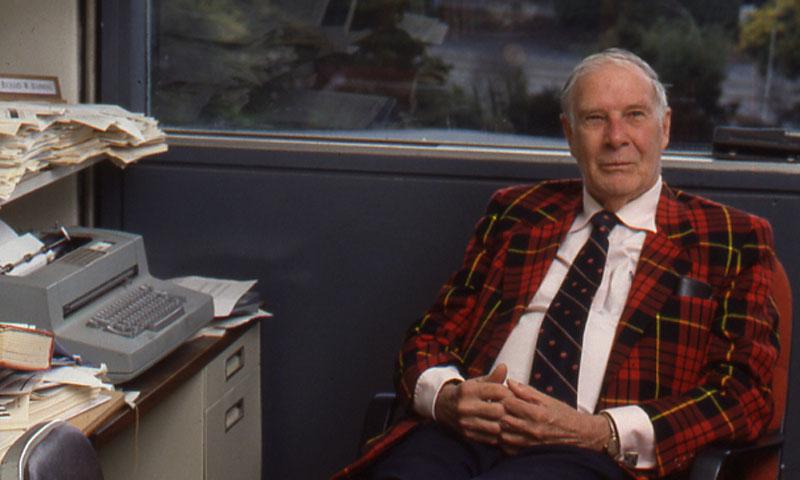
His name was Richard Hamming.
He spent 30 years at Bell Labs, in the same building as John Tukey, Walter Brattain, and a long list of physicists who took home Nobel prizes for work they did down the hall from his office, including the legendary Claude Shannon.
His invention of error-correcting codes made modern computing possible. He has won the Turing Award. And all the while he was creating his own legacy he was secretly doing a study on the people around him.
The study was straightforward. 2 Teams. The legends and the lost. Same I.Q.s. Degrees same. Same desk hours. Same access to the world’s best resources.
And yet, at the end of 40 years in their careers, one group had changed entire fields, and the other group could not be remembered by their own colleagues five years after retirement. He wanted to discover what the actual difference was.
In March 1986, he stood before 200 researchers in a Bellcore auditorium and told them what he had seen.
He said it all came down to one question. And hardly anyone he ever met was willing to ask it directly.
He called it the Friday-afternoon ritual. He spent years blocking out his Friday afternoons and not doing anything productive with them every week. No experiments. No meetings. No deliverables.
He called it Great Thoughts Time. He sat down with a notebook and asked himself a couple of questions in order. What are the most relevant problems in my discipline? And why I am not working on either of them.”
Most weeks, the answer was the same, he said. For a week now he had marched confidently in a direction he did not think was the most important direction. He was a goer. He worked a bit. He was getting clean results that would publish in respected journals. (
And for five days straight he'd been lying to himself about whether any of it mattered.
The reason almost nobody does this ritual is because the honest answer is unbearable. The thing is that if you sit down on a Friday afternoon and say out loud that you are not working on the most important problem in your field, now you have to do something about it.
You have an immediate change in direction, or you have to keep lying to yourself every week from that point on. Most people choose the lie.
In the short term it’s cheaper, but over a career it’s more expensive.
Hamming took the ritual a step further in the Bell Labs cafeteria. He began approaching scientists he barely knew, asking them what they thought the most important problems in their field were.
A week later he would ask them why they had not worked on these problems. Eventually people wouldn't have lunch with him. “I had to keep finding new tables,” he said.
Nobody had a good answer for that, and being around someone who kept asking it made every meal feel like a performance review.
The line that broke me is the line that most people skim over in the transcript. His words: If you do not work on an important problem you are unlikely to do important work.
That’s not motivational line. It is a rational one. You cannot make a great result from a problem that does not matter. Input restricts the output. The choice of the problem is the ceiling of the career.
The transcript has been freely available on the internet for almost 40 years. Stripe Press published the complete lectures as a book. Naval Ravikant quotes it all the time. It’s still given out to new hires at every serious engineering lab in Silicon Valley.
Most people will not run the ritual this Friday. They will be busy. They always are.
Christina Koch spent 328 days on the International Space Station in 2019. Her rescue dog Sadie went viral for the reunion at the front door.
She just flew 252,756 miles around the Moon, farther than any human in history, becoming the first woman to travel beyond low Earth orbit. Same door. Same dog. Same reaction.
The resume on this woman is almost fictional. Before NASA, she spent 3.5 years living in the Arctic and Antarctic. She did a winter-over at the South Pole. Temperatures hitting -111°F. Months without sunlight, without mail, without fresh food. She ran firefighting crews and glacier search-and-rescue teams in one of the most extreme environments on the planet.
Then 328 days on the ISS. Six spacewalks totaling 42 hours outside the station, including the first three all-female spacewalks in history. Then three years of Artemis training. Then she strapped into the most powerful rocket ever built, flew past the far side of the Moon, watched Earth set behind the lunar horizon for the first time since 1972, endured reentry at 3.9 Gs through plasma hot enough to melt steel, and splashed down in the Pacific.
And the dog gave her the same greeting she gets when she comes back from the grocery store.
Sadie doesn't know the difference between 250 miles up and 252,756 miles away. She doesn't know the capsule exterior was thousands of degrees during reentry. She doesn't know her owner just broke a distance record that stood since Apollo 13.
The dog just knows the door opened.
Koch wrote afterward: "I'm still pretty sure I was the happier side of this reunion."
Of course she was. She's the one who knows how far away she actually went.
In 1948, a 32-year-old at Bell Labs published a paper nobody fully understood.
Engineers found it too mathematical. Mathematicians found it too engineering-focused. One prominent mathematician reviewed it negatively.
That paper - "A Mathematical Theory of Communication", became the founding document of the digital age.
The man was Claude Shannon. Father of Information Theory.
At 21, he wrote the most important master's thesis of the 20th century.
Working at MIT on an early mechanical computer, Shannon noticed its relay switches had exactly two states - open or closed. He had just taken a philosophy course introducing Boolean algebra, which also operated on two values: true and false.
Nobody had ever connected these two things.
His 1937 thesis proved that Boolean algebra and electrical circuits are mathematically identical, and that any logical operation could be built from simple switches.
Howard Gardner called it "possibly the most important, and also the most famous, master's thesis of the century."
Every digital computer ever built traces back to this insight.
At 29, he proved that perfect encryption exists.
During WWII, Shannon worked on classified cryptography at Bell Labs. His work contributed to SIGSALY, the secure voice system used for confidential communications between Roosevelt and Churchill.
In a classified 1945 memorandum, he mathematically proved the one-time pad provides perfect secrecy, unbreakable not just computationally, but provably, permanently, against an adversary with infinite power.
When declassified in 1949, it transformed cryptography from an art into a science. It laid the foundations for DES, AES, and every modern encryption standard.
At 32, he defined what information is.
His 1948 paper introduced one equation:
H = −Σ p(x) log p(x)
Shannon entropy. The average uncertainty in a probability distribution. The minimum bits required to encode a message.
Three things followed:
> He defined the bit - the fundamental unit of all information. His colleague John Tukey coined the name.
> He proved the channel capacity theorem, every communication channel has a maximum rate of reliable transmission. You can approach it. You can never exceed it.
> He unified telegraph, telephone, and radio into a single mathematical framework for the first time.
Robert Lucky of Bell Labs called it the greatest work "in the annals of technological thought."
Where his equation lives in AI today:
Cross-entropy loss - the function training every classifier and language model, is derived directly from H. Decision tree splits use information gain, which is H applied to data. Perplexity, the standard LLM evaluation metric, is an exponentiation of cross-entropy.
Every time a neural network trains, Shannon's formula runs inside it.
He also built the first AI learning device.
In 1950, Shannon built Theseus, a mechanical mouse that navigated a maze through trial and error, learned the correct path, and repeated it perfectly. Mazin Gilbert of Bell Labs said: "Theseus inspired the whole field of AI."
That same year he published the first paper on programming a computer to play chess. He co-organized the 1956 Dartmouth Workshop, the founding event of AI as a field.
The man:
He rode a unicycle through Bell Labs hallways while juggling. He built a flame-throwing trumpet, a rocket-powered Frisbee, and Styrofoam shoes to walk on the lake behind his house.
He called his home Entropy House.
When asked what motivated him: "I was motivated by curiosity. Never by the desire for financial gain. I just wondered how things were put together."
In 1985, he appeared unexpectedly at a conference in Brighton. The crowd mobbed him for autographs. Persuaded to speak at the banquet, he talked briefly, then pulled three balls from his pockets and juggled instead.
One engineer said: "It was as if Newton had showed up at a physics conference."
He died in 2001 after a decade with Alzheimer's, the cruel irony of information slowly leaving the mind of the man who defined what information was.
Claude, the AI model, is named after Claude Shannon, the mathematician who laid the foundation for the digital world we rely on today.
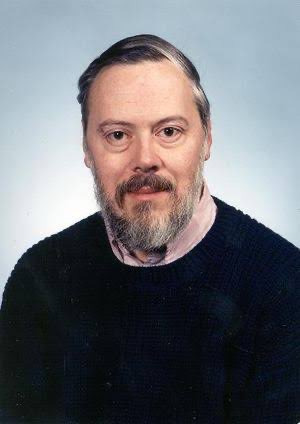
Dennis Ritchie created C in the early 1970s without Google, Stack Overflow, GitHub, or any AI ( Claude, Cursor, Codex) assistant.
- No VC funding.
- No viral launch.
- No TED talk.
- Just two engineers at Bell Labs. A terminal. And a problem to solve.
He built a language that fit in kilobytes.
50 years later, it runs everything.
Linux kernel. Windows. macOS.
Every iPhone. Every Android.
NASA’s deep space probes.
The International Space Station.
> Python borrowed from it.
> Java borrowed from it.
> JavaScript borrowed from it.
If you have ever written a single line of code in any language, you did it in Dennis Ritchie’s shadow.
He died in 2011.
The same week as Steve Jobs.
Jobs got the front pages.
Ritchie got silence.
This Legend deserves to be celebrated.
A blog post just wiped $30 billion off IBM in a single afternoon.
Not a product launch. Not an earnings miss. Not a competitor undercutting on price.
A five-minute blog post explaining that Claude can read COBOL.
IBM dropped 13%. Worst single-day loss since October 2000. Twenty-five years of stock resilience ended by one AI company publishing a capability update.
Here’s what happened:
95% of ATM transactions in America run on COBOL. Hundreds of billions of lines power banking, airlines, and government systems. The developers who built them retired decades ago. The knowledge left with them. Finding engineers who can even read COBOL gets harder every quarter.
IBM’s moat was never the technology. It was the fact that nobody else could understand it. Entire consulting empires existed because the code was too old, too tangled, and too critical to touch. Companies paid IBM billions because the alternative was catastrophic system failure.
Then Anthropic published a blog post saying Claude Code can map dependencies across thousands of lines of COBOL, document workflows, identify migration risks, and translate legacy logic into modern languages. Modernization in quarters instead of years.
The market heard: the priesthood just lost its monopoly on the sacred language.
And this isn’t the first time. Last week Anthropic announced Claude Code Security for vulnerability scanning. CrowdStrike dropped. Okta dropped. Cloudflare dropped. One company is serially destroying legacy moats with blog posts.
Now here’s where it gets surreal.
This same company, on the same day, also published evidence that three Chinese AI labs ran 24,000 fake accounts and 16 million exchanges to steal Claude’s capabilities. DeepSeek used it to build censorship tools. MiniMax pivoted within 24 hours when a new model dropped, redirecting half its traffic to steal the latest version.
And yesterday, the Pentagon summoned this same company’s CEO for what officials called a “sh*t-or-get-off-the-pot meeting,” threatening to blacklist them like Huawei for refusing to let the military use Claude without safety restrictions.
Three stories. One company. Twenty-four hours.
The company destroying legacy moats faster than the market can reprice them is simultaneously being threatened by its own government and looted by foreign competitors.
Anthropic is valued at $380 billion. Its CEO says a 12-month delay in AI would make him bankrupt. The Pentagon wants to designate it a supply chain risk. Chinese labs are running industrial espionage against it. And it just proved it can vaporize $30 billion in market cap with a Monday morning blog post.
Whatever you think about AI disruption, IBM’s stock just settled the argument.
Full institutional analysis on my Substack.
https://t.co/AEv8EMPdsZ
The Nintendo Power Line was a hotline that provided customer support and gameplay advice for Nintendo games.
It ran from the publishing of the first issue publication of Nintendo Power in 1988 until June 2010, closing in favor of the Internet.
Here's an employee helping someone with questions about The Legend of Zelda.
@NTarnopolsky This list is loaded with “Logical Fallacies!!” false dichotomy, guilt by association, hasty generalization, false analogy, equivocation, demonization, appeal to emotion, slippery slope, circular reasoning, and collective guilt.. Im amazed how the writer managed in a single post!