1) Glad this is out! In this piece @raghavi_vis and I make a case for a sensory judgment in int'l crim law using the Ongwen judgment as a case study. We argue that sensory judgments would better serve ICL's affective potential and allow it to embrace diverse epistemologies.
The 6th article of our Int Crim Law Rev special issue on the Ongwen case at the ICC edited by Fabio Ferraz and I has been published: "Constructing a Sensory Alternative to the Ongwen Judgment" by Raghavi Viswanath and Fangyi Li, and it is open-access:
https://t.co/kxhW7VtVZc
What happens when formal justice systems overlook spiritual dimensions of healing?
Fangyi Li @EdinburghUni explores how survivors in #Cambodia & #Timor-Leste seek justice through Buddhist merit-making & Indigenous death rituals.
https://t.co/43usMcKx0E
#HumanRights
1/3 Today, an anecdote shared by an invited speaker at #NeurIPS2024 left many Chinese scholars, myself included, feeling uncomfortable. As a community, I believe we should take a moment to reflect on why such remarks in public discourse can be offensive and harmful.
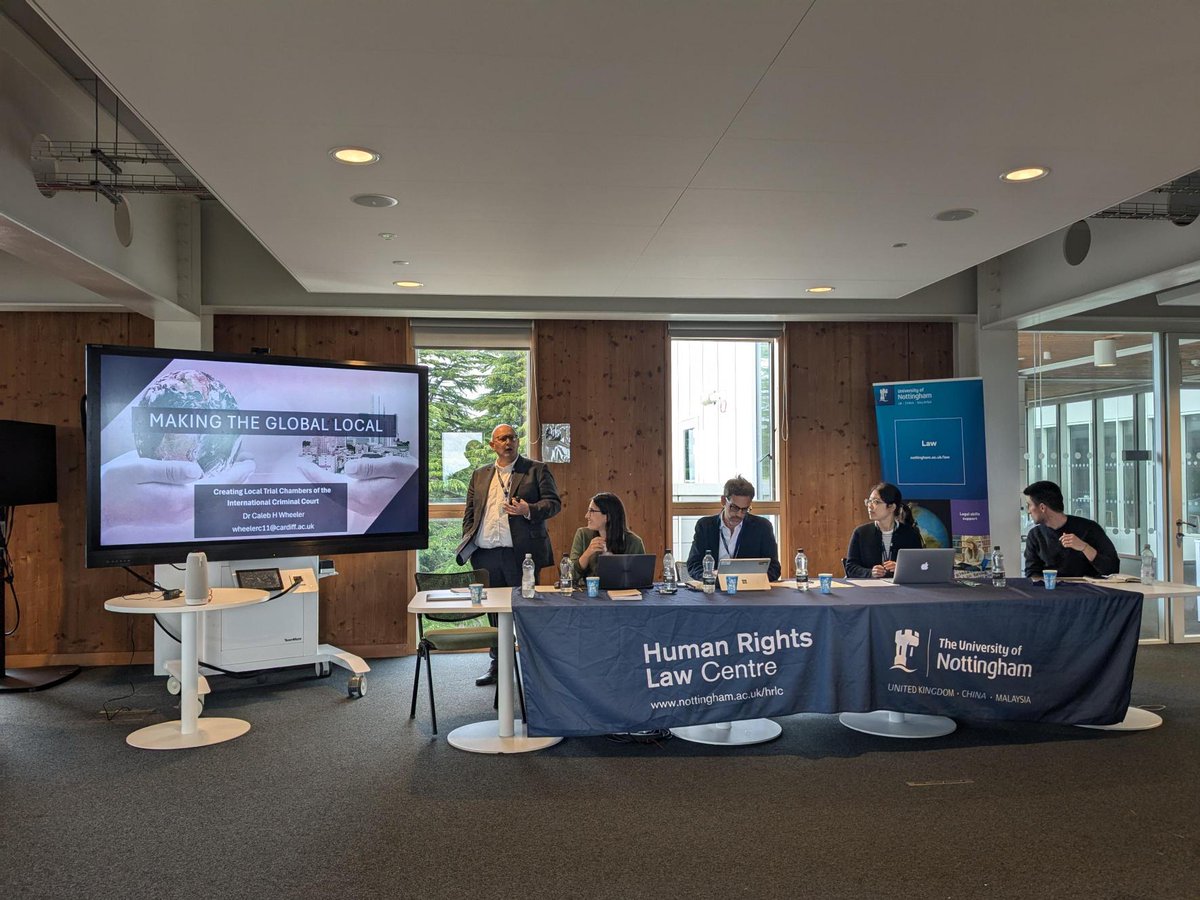
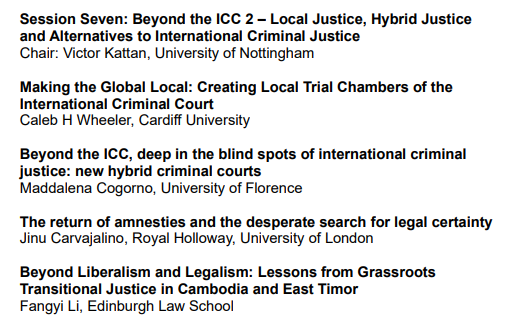
A wonderful day at Nottingham presenting my research & listening to the insightful sharings of my co-panelists and many more speakers. Thanks to @VictorKattan for chairing the panel and to @HemiMistry & @natkhod for putting together such a fantastic event!
Continuing our discussion of alternatives to criminal justice beyond the ICC, the final session of the conference focuses on local & hybrid approaches to justice. Chaired by @VictorKattan, with speakers @CalebHWheeler, @maddalenacog, @JinuCarvajalino, & @fangyi_L#UoN_ICL24
🚨 REGISTRATION REMINDER 🚨
ICJ Conference is open for registration till Tuesday 1 July 2024!
To book your in-person attendance register here: https://t.co/GQWW6YC81u
It was an honour and absolute pleasure to judge the 2024 @ICCMoot (English version) in The Hague and hear arguments on crimes against cultural heritage, State withdrawal from the ICC, and fitness to stand trial. Thanks to the organisers and congrats to all the brilliant teams!
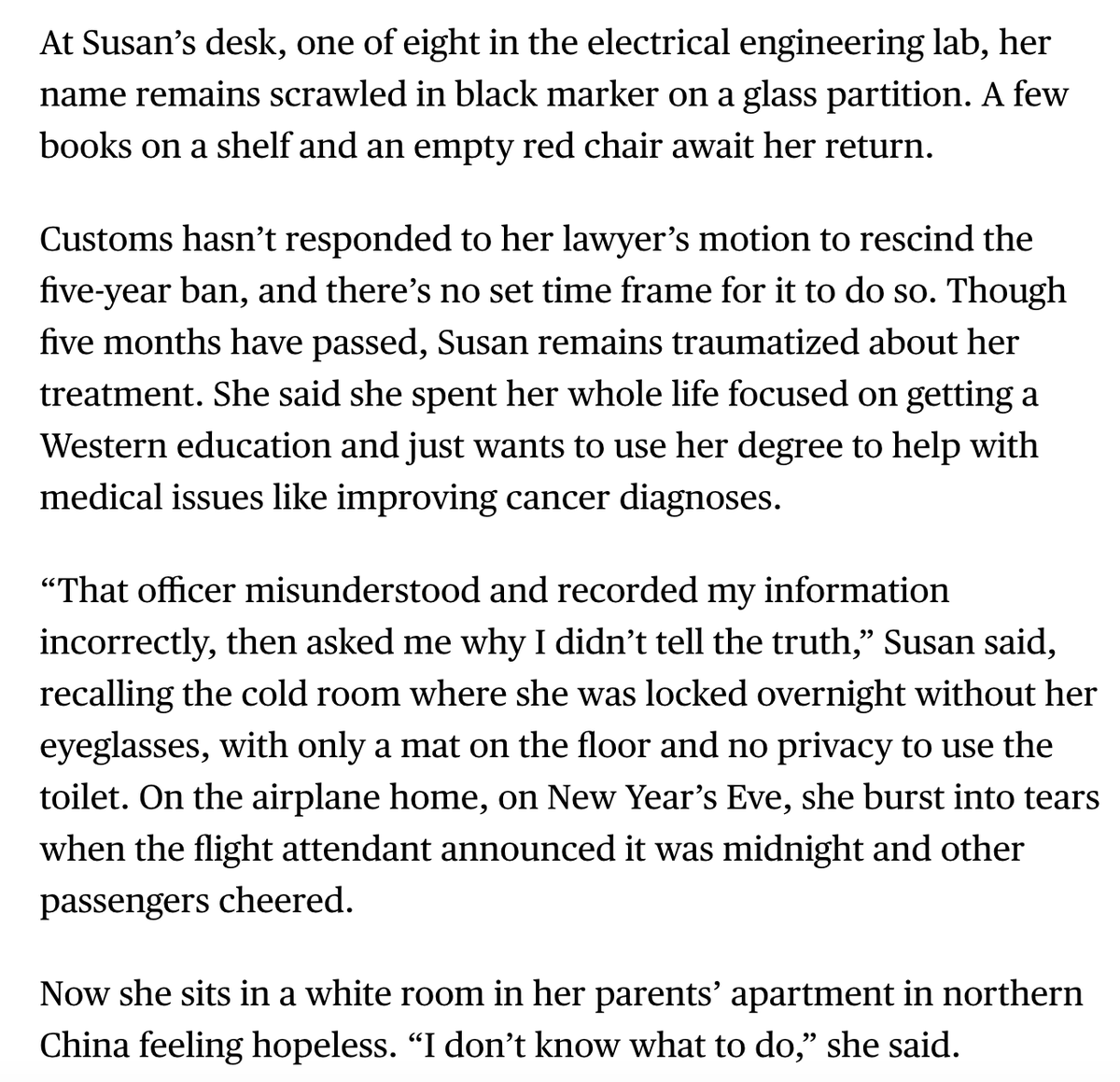
20+ students have had their visas revoked at the US border for simply being Chinese. One PhD student doing cancer research was locked in a room OVERNIGHT—no glasses, no bed, no access to a private toilet.
She just wanted an education. How is this humane?
I have no words.
We really need to stop using "women and children" as a signifier of innocence. Men are also civilians. Men can also be victims of genocide, crimes against humanity, and war crimes.
1) Glad this is out! In this piece @raghavi_vis and I make a case for a sensory judgment in int'l crim law using the Ongwen judgment as a case study. We argue that sensory judgments would better serve ICL's affective potential and allow it to embrace diverse epistemologies.
The 6th article of our Int Crim Law Rev special issue on the Ongwen case at the ICC edited by Fabio Ferraz and I has been published: "Constructing a Sensory Alternative to the Ongwen Judgment" by Raghavi Viswanath and Fangyi Li, and it is open-access:
https://t.co/kxhW7VtVZc
3) Thanks also go to Naman Singh, Andy Aydın-Aitchison, Michelle Burgis-Kasthala, @benjamin_thorne and everyone who gave us feedback at the work-in-progress session of the @EdiCentreIGL. Our paper is linked above, any feedback is welcome!
2) This is initially written for the 'Lights and Shadows in the Ongwen Case at the International Criminal Court' conference. We would like to thank the organisers Juan-Pablo and Fabio, as well as the anonymous reviewer and the editorial team at the ICLA.
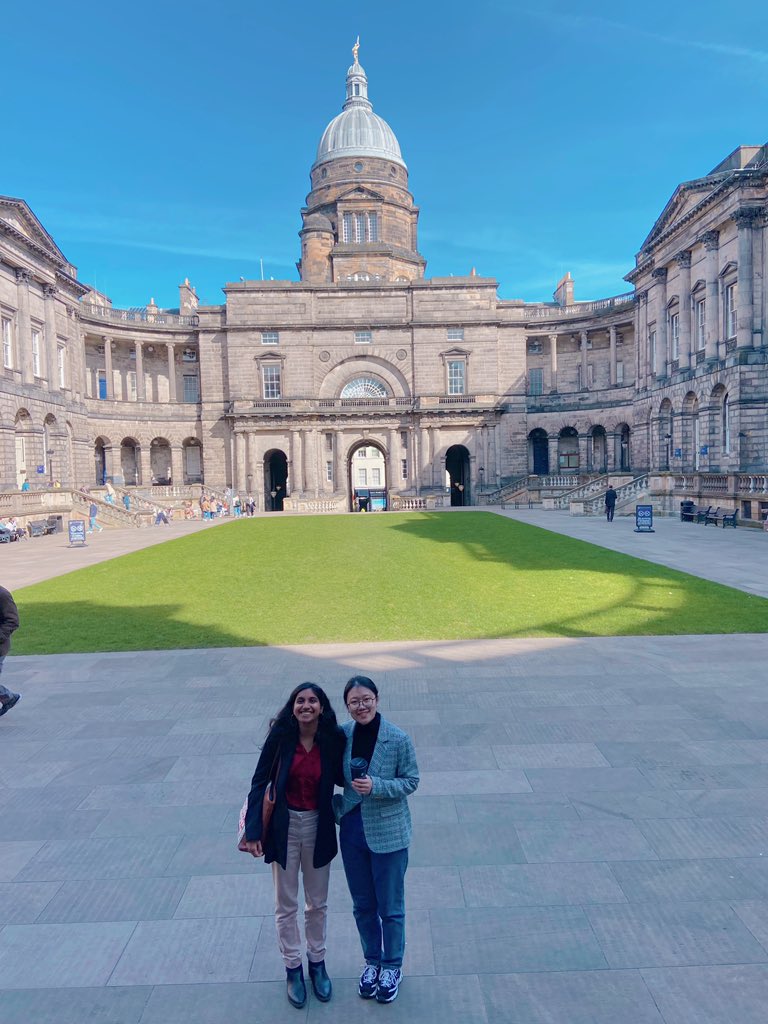
Today my friend @raghavi_vis and I presented our work-in-progress “Constructing a Sensory Alternative to the Ongwen Judgment” @EdiCentreIGL. Received such good feedback, so encouraging for us as ECRs! Thanks @mike_h_picard for chairing and everyone for their excellent inputs!