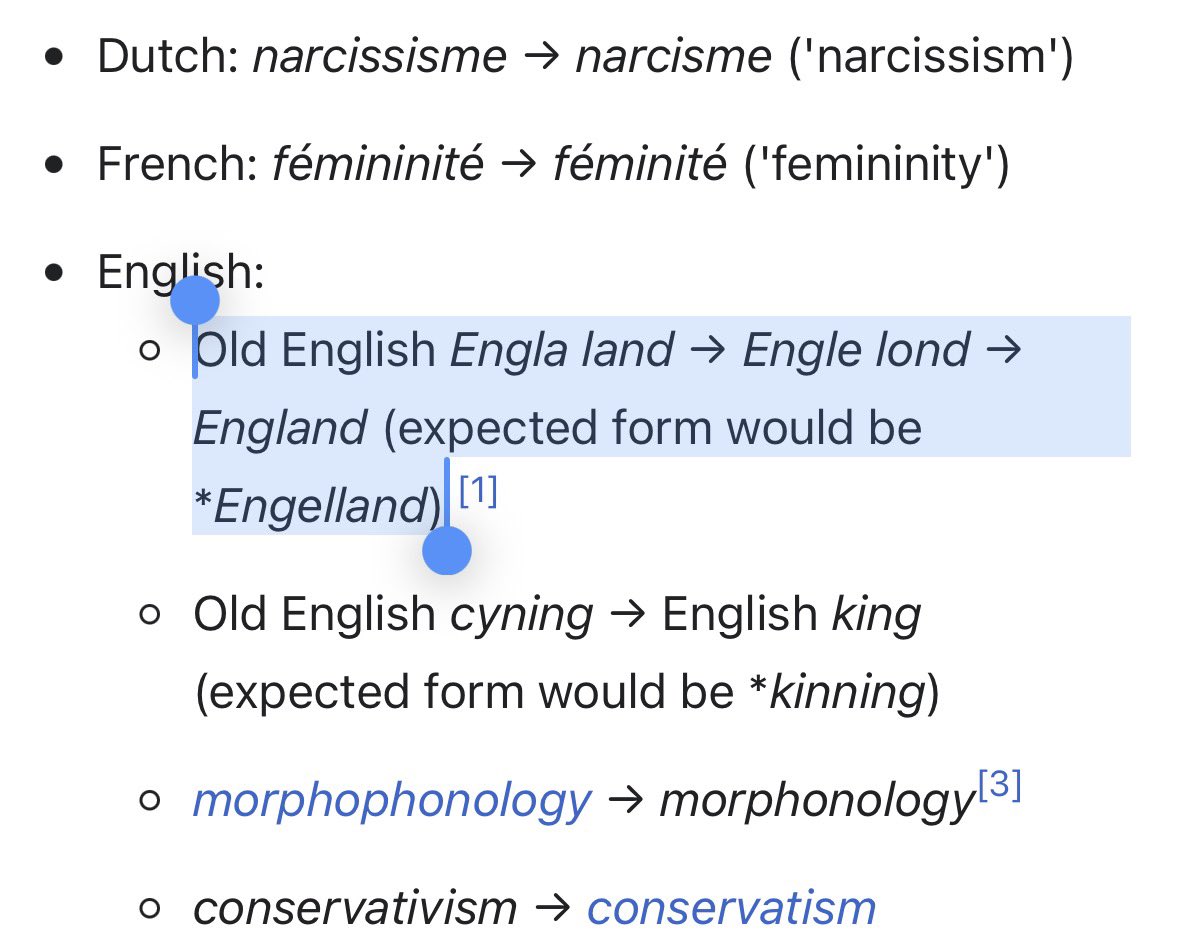
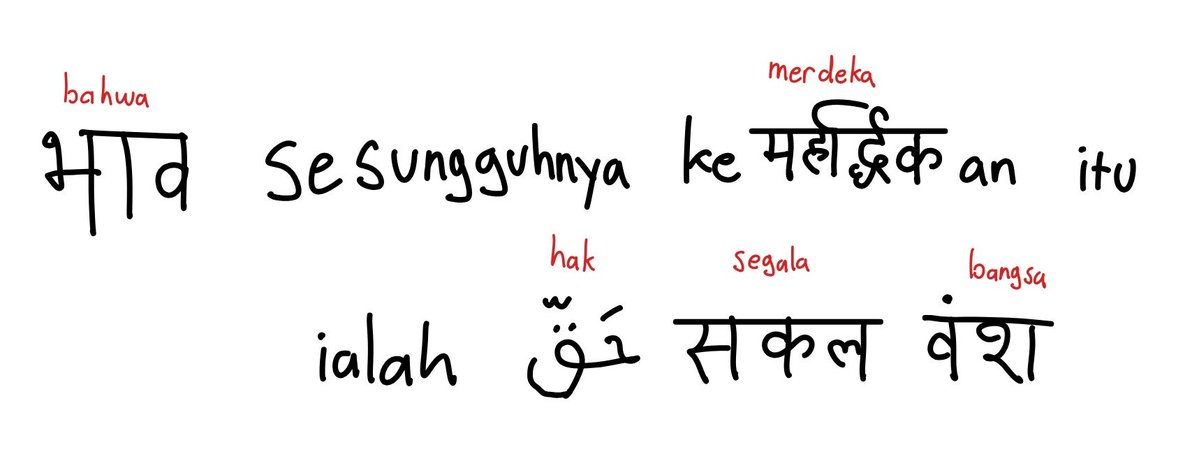
Nobody seems to understand this but I cannot stress enough that a judge told Anthropic that training their AI models didn't constitute copyright violation as long as they 'transferred' the text instead of 'copying' it, legally necessitating the destruction of the books
‼️ Anthropic was hiding a secret internal project to destructively scan every book in the world, irreversibly damaging heritage. The company spent billions of dollars to slice the spines off millions of books, even very rare ones. This means no other AI, and no human, can access this knowledge anymore.
It now markets itself as the responsible lab.
One bookseller told 404 Media his inventory is full of rare, foreign-language and low-circulation books, meaning that if they are destroyed in the process of becoming training data, they will be even harder to obtain.
Second-hand booksellers across Europe are sounding the alarm, because rare books are being destroyed. They have received random lists of thousands of titles. Books too obscure to resell at a profit. Requests arriving overnight from companies nobody in the trade has heard of.
One email came from "Nataly" at 2077AI, a Singapore company. Attached: 3,000 English titles grouped by ISBN. A 1999 geomechanics monograph. A 2018 study of laser shock peening on ceramics. A 2021 academic book on Irish folk tales.
A German dealer watched the orders arrive every night between 3am and 5am. Canadian company Zoom Books, buying systematically, titles with nothing in common. Zoom told Swiss broadcaster SRF that this is a regular recycling and trading model.
I'm a second-generation bookseller. My family runs Houston's largest used & rare bookstore and I'm building an AI tool for used bookstores. We got hit by exactly these orders, including a single order for 70 obscure books that made us pause online sales entirely. So I dug in. I don't think this connects the way people want it to.
Every ingredient of the viral story is true. ISBNdb really does advertise sourcing books for AI companies. Anthropic really did destructively scan millions of books though they were mostly acquired through things like library deaccessions, not bookstore inventory. And booksellers really are getting bizarre bulk orders. But "rare" here isn't what you're picturing. It's The Insider's Guide to Metro Denver (1995) and how-to-use-WordPerfect 1991 manuals. Obscure, but often not precious.
When we combed through our orders, nearly every book bought from us was either unavailable on Amazon or listed there at 5, 10, 20x our price on the platform they were purchased on. And the shipments are going to FBA prep companies: which is what you do with a book you're about to resell, not one you're about to cut apart. There is more than circumstantial evidence that this is a well-funded company running algorithmic arbitrage, buying underpriced or out-of-stock books to relist on Amazon at markup. This evidence includes an official denial that they are selling to train AI but I don't want to mention them for several reasons. You can Google it.
That's more mundane than the shredder story. The actual risk is worse, though, because it's quieter: books that don't sell via FBA eventually get liquidated. If we really hold the last copies of some of these (and comparing platforms, it looks like we might) we're feeding them into a portal they may not come back from. No AI company required.
Everyone assumes the internet preserved everything. It didn't. Many of these books have almost no metadata anywhere, just a scattered listings across proprietary databases then nothing. That's what my project is for: building better bibliographic records for these books than exist anywhere else, so we at least have a map of what we stand to lose. So the Library of Alexandria is still burning, just more slowly, and kore from “who cares” than from some cinematic villain.
(I am open to being corrected.)
Full writeup: https://t.co/tHXMH0L3us
So AI labs are buying old books by the pallet, slicing them apart, scanning the pages, and pulping what's left. The orders are keyed to ISBNs and blind to scarcity. Nobody in the pipeline checks whether the book being shredded is one of the last copies on earth. Some of them probably are. 1/6
What do you think is the biggest challenge LGBTQ+ 🏳️🌈 activists face while living in a refugee camp, and how can people around the world help?
#LGBTQ#gay#refugees#queers
if you are a Filipino, this short 6 minute explanation of our economy is a horror short that shows just how precarious our situation is
please, watch this esp if you understand english if you havent already