Google changed how ad blockers work with Manifest v3. So we changed Browser Guard. Rebuilt from the ground up with smarter behavior analysis and faster response
Learn how Manifest v3 made us rethink Browser Guard, and why that's a good thing.
https://t.co/M5lmbGeBKc
If you have ever been an AT&T customer, consider this a reminder that your data may already be circulating in forms that are genuinely useful to attackers.
https://t.co/QnIy9heddT
Scams happen in conversations. Now protection does too.
Malwarebytes is now available as a ChatGPT app.
After connecting the app, just ask @Malwarebytes to check suspicious links, emails, domains, phone numbers, and more to make spotting scams easier than ever.
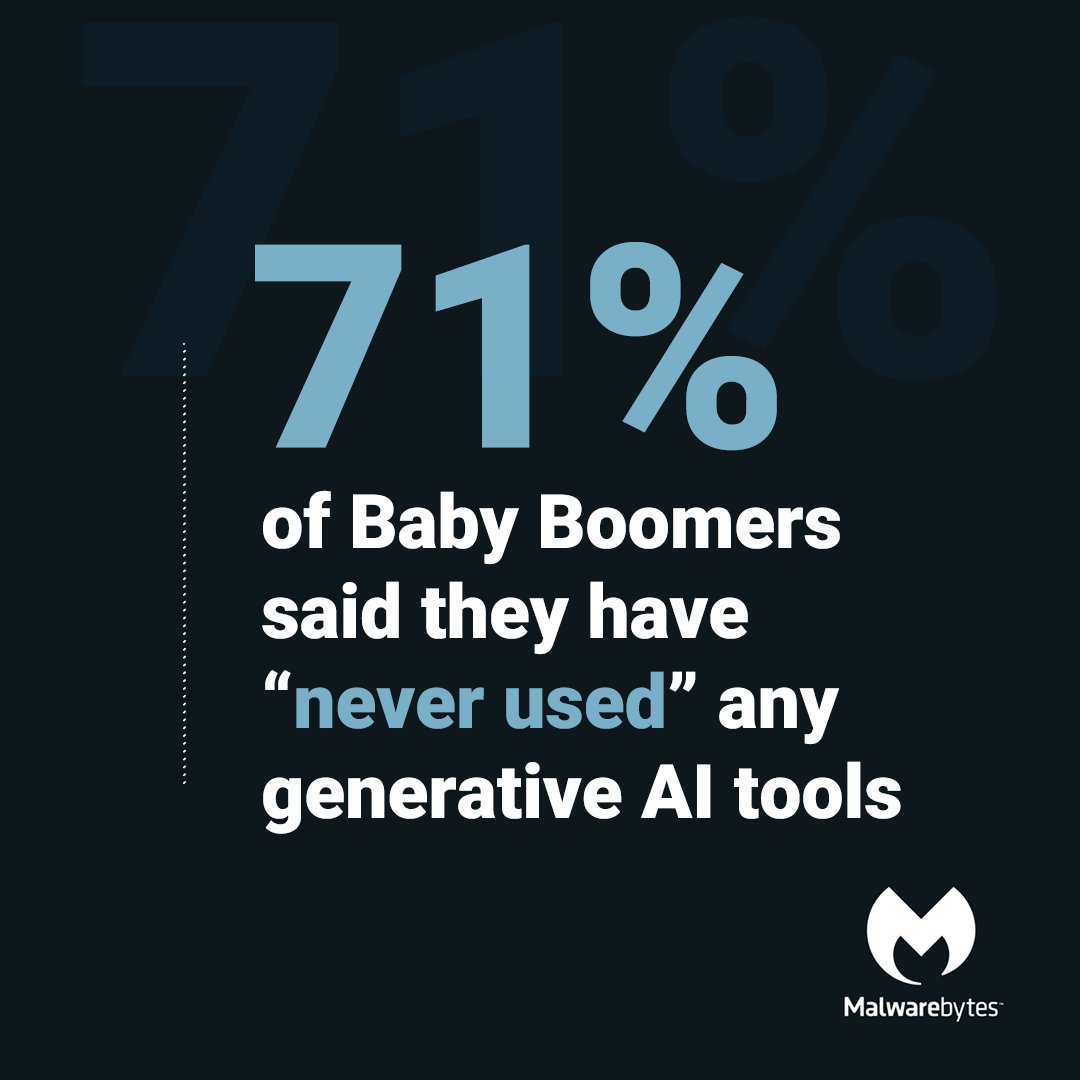
AI is everywhere, and Baby Boomers don't trust it. 📵
Our latest research found that Baby Boomers see AI technologies like ChatGPT, Google Gemini, and Meta AI as serious privacy threats, even more than social media.
See our research in our latest blog. https://t.co/uIU6gJ2jQd
An air fryer, a ring, and a vacuum get brought into a home. What they take out is your data (Lock and Code Cybersecurity Podcast S05E24) https://t.co/ymaD4ScNWZ via @Malwarebytes
Cybercriminal gang “Phish ’n Ships” infected 1,000+ websites with fake listings for in-demand products, routed users to scam pages to steal info.
https://t.co/3SqUx4glMq
Malwarebytes' Jérôme Segura reveals how a Google ad for Google Authenticator was involved in tricking users into visiting a decoy website leading to DeerStealer. https://t.co/luCHTSl5sM
If you aren't using an ad blocker then you may see malicious search ads that impersonate legitimate sites, like this one for CNN.
This ad appears to link to the official CNN website, but "The CNN News" sounds pretty sus.
Wonder what happens if we click it...
1/🧵