China is paying for Brz beans almost $40/t above last year, and this is not cause the farmer selling is slower (in % is behind LY but in volume is the same). Logistics is more expensive, mainly ocean freight.
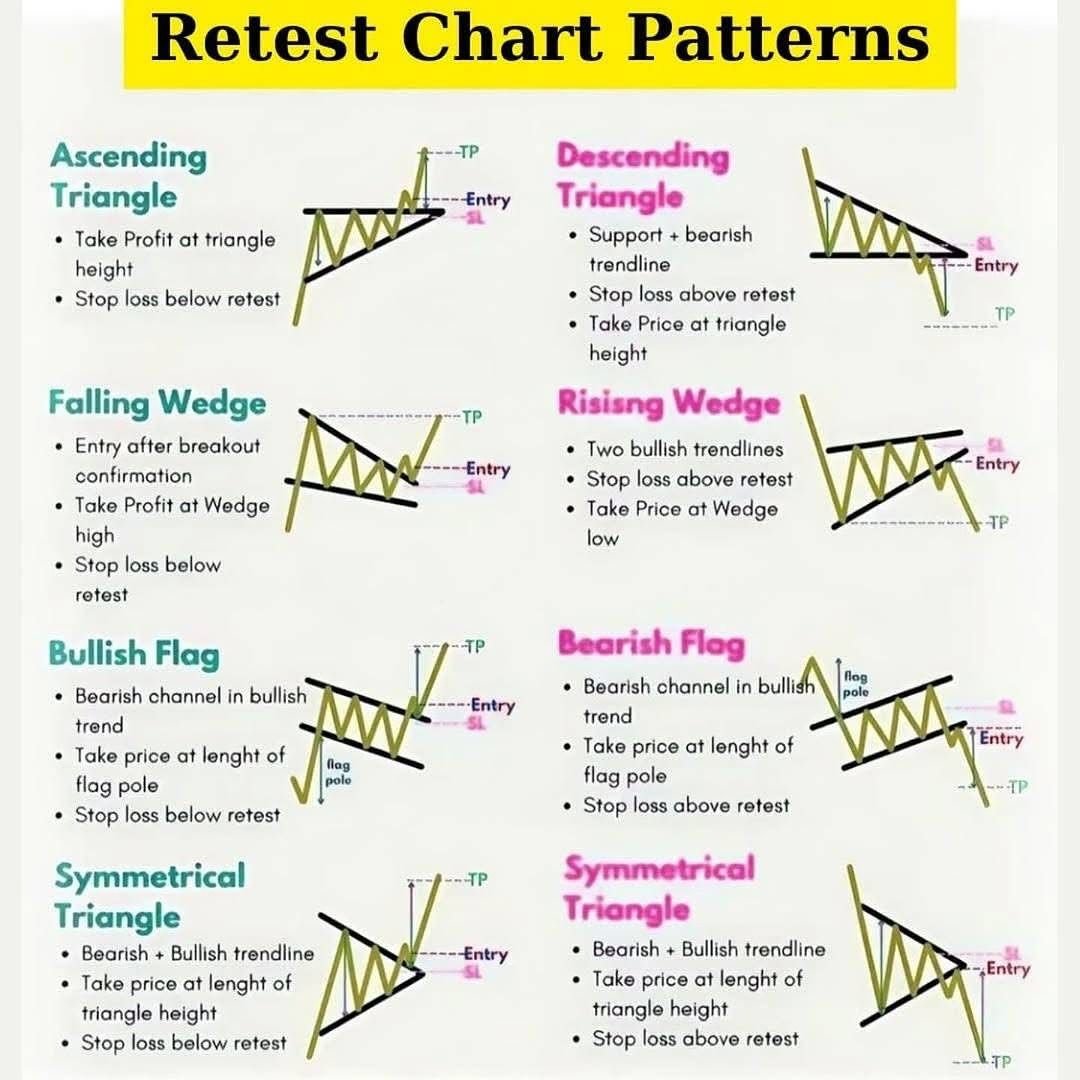
🚨HOW TO SPOT A RISING WEDGE (AND TRADE IT CLEANLY)📌
Here’s a quick breakdown of the rising wedge pattern from the chart;
✅ Resistance = price keeps hitting a ceiling that gets steeper.
✅ Support = price bounces higher but on weaker moves.
📉 The trade setup;
✅ Entry (SL Entry) = near the lower support line.
✅ Stop loss = just below that support.
✅ Target = the downside break of the wedge.
🧠 Why it works;
Buying pressure fades as the wedge narrows. Once support breaks, sellers take over.
✍️Stay patient. Let the pattern complete.
Rupanya senang je nak unsubscribe Gmail kita dari website merapu supaya taklah kerap full je inbox storage. Kan?
Just taip https://t.co/Gys8q7mcjP then tekan je button unsubscribe tu (rujuk gambar)
Atau...
3 Trade Entry Styles Simplified :
1. Limit Order – Buy at demand zone dip.
2. Candle Confirmation – Enter after bullish close.
3. Retest Confirmation – Wait for pullback after breakout.
Smart entries start with solid setups.
Trading with Ichimoku shows trend and support/resistance, while MACD confirms momentum; together they signal stronger buy or sell opportunities and help avoid false entries.
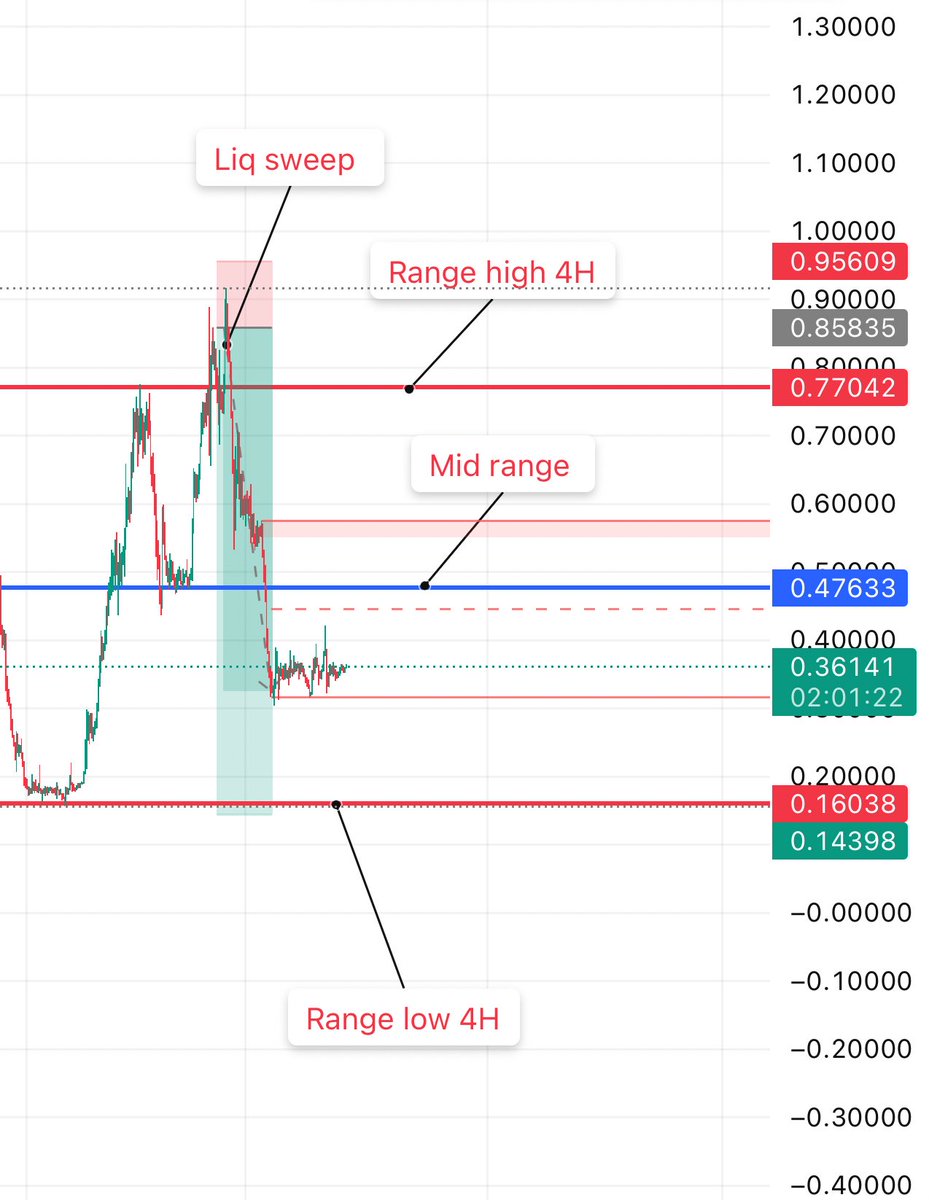
This one habit will remove 70% of your bad trades.
Before every trade, write it down.
Start with the 4H:
• Find the direction
• Look for a liquidity sweep
Then go to 15M:
• Wait for confirmation
• Execute the entry
Risk management:
• Stop loss: above the sweep
• TP1: mid-range (move stop to breakeven)
• TP2: range low (full TP)
If you can’t write the trade plan.
Don’t take the trade.
7 rules to protect your capital:
1. Always check the chart.
2. Don't buy on good news if price already ran up.
3. "Cheap" can get cheaper, don't catch a falling knife.
4. Never buy in a downtrend.
5. Don't hold losers just because P/E looks low.
6. Be consistent, discipline is everything.
🔥 The Ultimate MACD + Bollinger Bands Combo 🔥
Most traders use indicators alone. Smart traders use them in confluence.
Here’s a high-probability setup you don’t want to miss:
📈 LONG SIGNAL:
✅ Price touches or closes near the Upper Band
✅ MACD Line crosses Below the Signal Line
✅ Entry is when price pulls back to the Lower Band & MACD crosses Above
🛑 STOPLOSS: Just below the Lower Band
⏱ Best Timeframes:
• Intraday: 15min–30min
• Swing: 1H–4H
🧠 Pro Tip: The Upper Band touch filters strength. The MACD crossover confirms momentum shift. Wait for both to align.
🎯 Master the setup. Trade with precision.
The 20/50 EMA crossover is a powerful trend-following tool. When 20 crosses above 50, uptrend. When it crosses below, downtrend. Ride the wave with moving averages.
🚨 BREAKING: Google Gemini can now analyze any stock like a Wall Street analyst (for free).
Here are 10 insane Gemini prompts that replace $4,000/month Bloomberg terminals:
Save for later🔖
The Only EMA System You’ll Ever Need (Used the Right Way)👇
Price doesn’t “respect” indicators.
It respects the average cost of smart money.
That’s all EMAs are.
EMA = context, not magic.
• EMA 9 → Intraday traders
• EMA 21 → Swing traders
• EMA 50 → Trend traders
• EMA 200 → Investors & big trends
Different EMAs = different players.
Market control rule:
Price above EMA → Buyers in control
Price below EMA → Sellers in control
High-probability filter:
Price above 200 EMA
21 EMA above 50 EMA
Pullback toward 21 EMA
Volume dries up on pullback
Buy only on bullish candle near 21 EMA
Trend phases:
Initiation
EMA pullback
Momentum expansion
Weakness (stop chasing)
Exit like a pro:
• Take partials at 1:2 RR
• Move stop to breakeven
• Trail with 21 EMA
• Exit fully if price closes below 50 EMA
EMAs don’t predict.
They protect you from bad trades.
Trade with context. Stay patient.
#trading
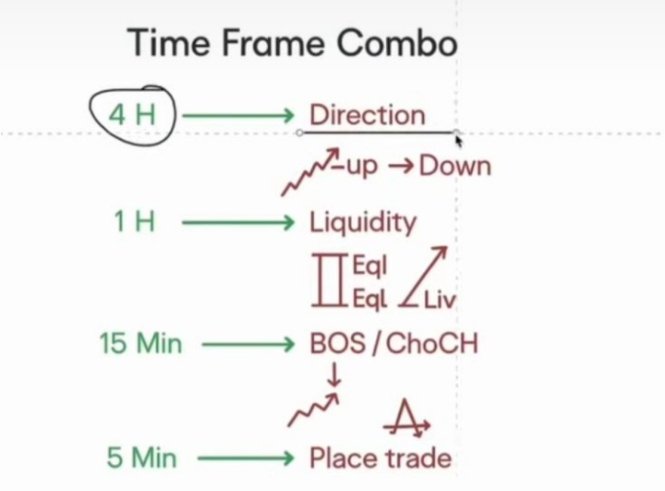
Most traders fail because they stare at one timeframe.
Here’s how to use four like a pro:
• 4H = Your compass (Trend direction)
• 1H = Liquidity map (Where the stops are)
• 15M = The trigger (BOS/ChoCH confirmation)
• 5M = Execution (Pull the trigger)
Higher timeframe bias + lower timeframe precision = consistent wins.
Trade the structure, not the noise. 📉📈
GOLD 1979 vs 2026
Same pattern repeating
1979: Iran war -> oil price 2x -> crysis and dump
2026: Iran war -> oil price 2x -> (we are here)
Notifs on before I call when dump starts
Monsoon 2026 Update
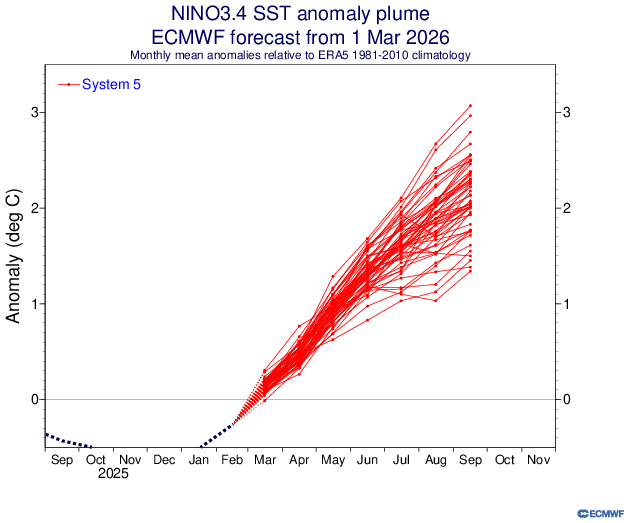
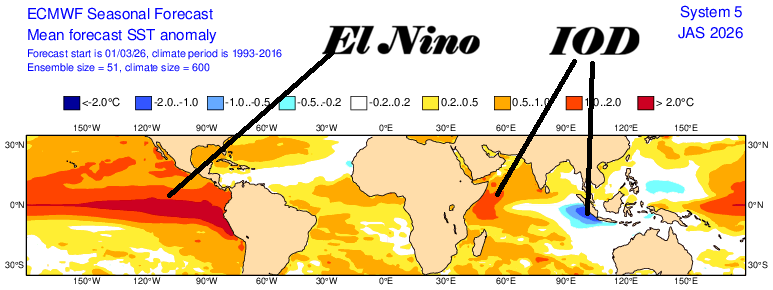
In view of emerging indications of a possible El Niño event over the Pacific and the concerns regarding the prospects for the 2026 monsoon season, I would like to highlight the following key points:
There is a high probability that an El Niño event will develop over the equatorial Pacific during the 2026 monsoon season. Seasonal forecasts from ECMWF and NCEP (USA) suggest that it could evolve into a strong El Niño event.
These models also indicate the possible development of a positive Indian Ocean Dipole (IOD) during the monsoon season.
While a strong El Niño is typically associated with deficient monsoon rainfall over India, a positive IOD generally tends to support normal or above-normal rainfall, partly offsetting the El Niño influence.
However, forecasts made at this time of the year carry significant uncertainty due to the so-called “spring predictability barrier.”
Historically, the simultaneous occurrence of a strong El Niño and a positive IOD has been observed in 1972, 1982, 1997, 2015, and 2023. Among these years, the Indian monsoon was normal in 1997 (100% of LPA) and near normal in 2023 (95% of LPA). The remaining years—1972, 1982, and 2015—experienced deficient monsoons.
Therefore, there is reason for cautious concern regarding the potential development of a strong El Niño event during the coming monsoon season.
Given the current uncertainties, clearer signals are likely to emerge by May 2026, when the evolution of El Niño and IOD conditions can be assessed with greater confidence.
At present, there is no reason for alarm. However, the government and relevant agencies should closely monitor the evolution of these climate drivers and begin considering strategic response measures that can be implemented once more reliable forecasts become available.
It is also important to consider the possible delayed impacts of this year’s El Niño, particularly on heat waves in 2027. There is a possibility of more frequent and intense heat waves next year, with an earlier onset potentially beginning as early as March.
India has strong scientific expertise and forecasting capability, and these strengths should be effectively leveraged to anticipate and manage the potential impacts on the monsoon and related climate extremes.
Summary:
At this stage, the message is not to panic, but to remain vigilant and begin thinking proactively about strategies to manage possible impacts.
I will continue to update this assessment as new information becomes available.
Please note that this is not an official seasonal forecast of the Indian monsoon. For the authoritative monsoon forecast, please refer to the India Meteorological Department (IMD).
@Indiametdept@PMOIndia@atriauniversity