Natural Flood Management (NFM) works with the natural environment to store and/or slow down the flow of water running through the catchment. Find out more https://t.co/TG9S7q5YrX
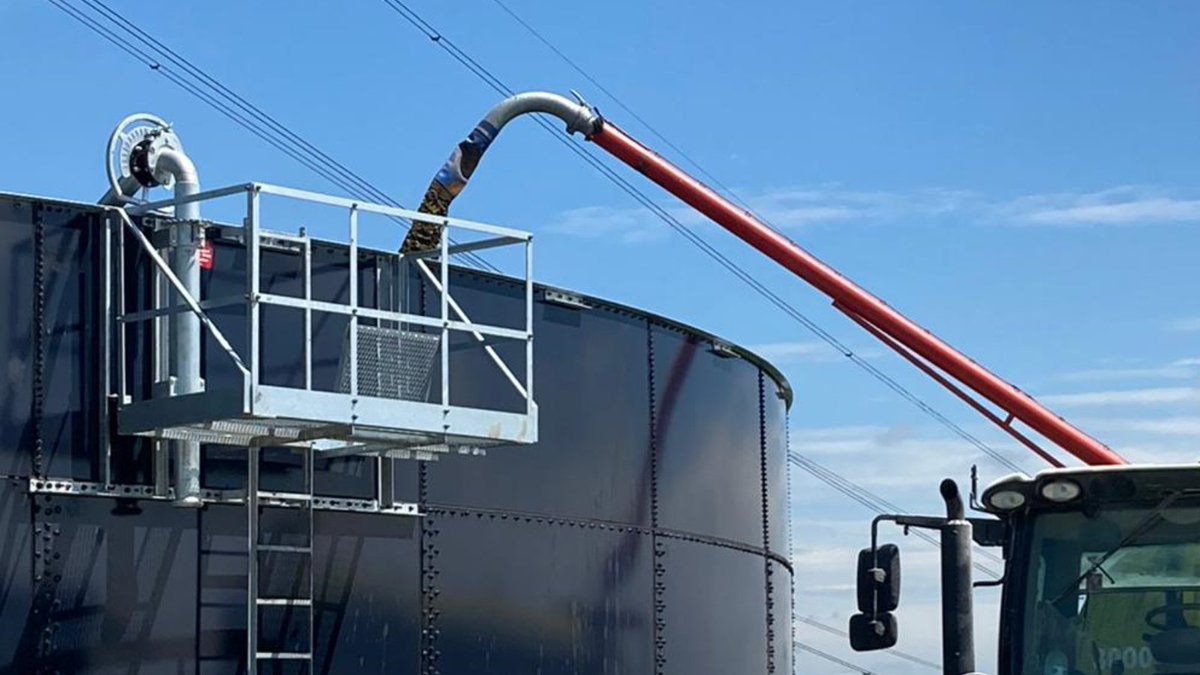
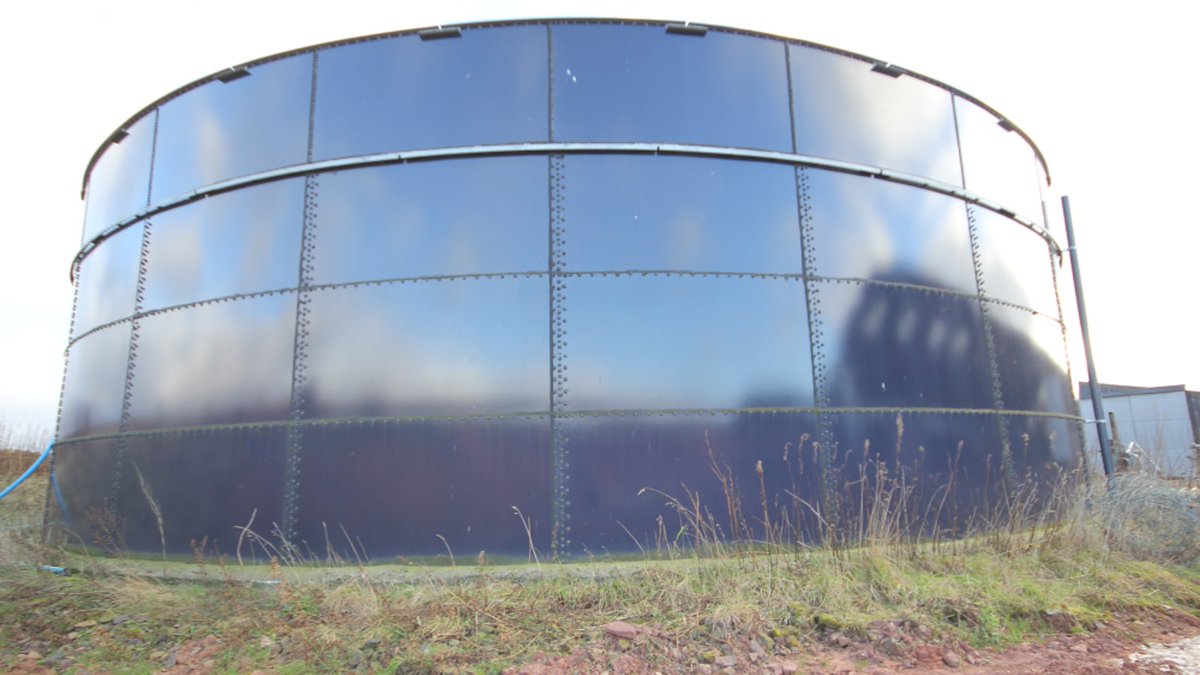
❔ Can imported digestate & farm produced slurry be kept in the same store?
✅ Yes, stores must meet the necessary standards & have a min 22 wks capacity for the amount of cattle slurry produced on farm & the quantity of digestate imported during housing. https://t.co/wTIqn01h5B
How many weeks slurry storage do you have/need? Storage capacity for slurry produced by housed cattle must be sufficient for 22 weeks, but when calculating ensure that dirty water/rainfall & any imported slurry/digestate are accounted for. Know The Rules: https://t.co/AyaDef9qUF
We're not joking... we really do have a useful guide for equine owners or livery yards to help identify and reduce diffuse pollution risks, improve water quality and meet legal responsibilities. Find it at https://t.co/DN9JKbSTA4 @BritishHorse
Stay up to date with our new Water Environment SEPA Update to receive news, guidance, and insights on water management and sustainability.
Sign up and read previous editions at https://t.co/LYue0hgRUO.
Within the 4-Point Plan: 1: Managing dirty water around the steading
2: Calculating the amount of slurry & manures collected from housed livestock 3: Guide to creating a RAMS map. 4: Ideas to reduce poaching around watercourses from livestock. https://t.co/TyKDLma4ia
Have you heard about the 4-Point Plan? It's a useful guide on how to reduce dirty water around the farm, improve nutrient management, carry out a land risk assessment for manure & slurry and managing water margins. @ScottishEPA@NetRegs@FASScot
https://t.co/TyKDLma4ia
🎬 Robert Ramsay a farmer & beef consultant with @ConsultingSAC installed a solar alternative watering system on his farm, allowing him to remove livestock from the burn whilst increasing the potential for improved grazing on the farm. https://t.co/gWGLjK71KB
Pls share with those in need @RSABI Urges Farming Community to Apply for £400 Heating Grant. The charity encourages people working in, or retired from, agriculture who are struggling with costs to contact them to request the grant via 0808 1234 555. https://t.co/I7qv6BBUce
🎧 With the recent unseasonably mild weather we take a look back to our 'Managing water on farm - from drought to flooding' podcast. https://t.co/5KyEHFwksq @NFUStweets
A RAMS map looks at land suitability and takes into account pollution risks when spreading slurry and manure. It highlights “no-spread zones” and spreading risks, providing a clear guide for contractors and farmers spreading manure and slurry. https://t.co/JfC9Wngy0Q
Have you had a look at our 4 Point Plan web section? We've shown how you can calculate the potential nutrient value in slurry and manures on your farm. Find out more: https://t.co/dV4HxCiGus
We're heading to @AgriScot on Wednesday. Our stand theme this year is slurry management and how you can benefit from improved slurry storage & utilisation. Hope to see you there! https://t.co/d4bqPq16ky
📽️ Farmer & contractor Ian Watson has already made the move to spreading slurry with a dribble bar. By 1st January 2027 all Scottish livestock farmers producing slurry must use precision equipment for the application of slurry. https://t.co/vnYAZ1BFyk
Whilst straw has traditionally been the livestock bedding material of choice, other materials are available. We’ve collated the livestock bedding materials pros & cons in the PEPFAA code:
https://t.co/3j3denHksf
Our 'Managing dirty water around the farm steading' handout contains top tips on how to reduce the amount of dirty water you are collecting and adding to the store, leaving more space for slurry. https://t.co/DStAHUMxGN