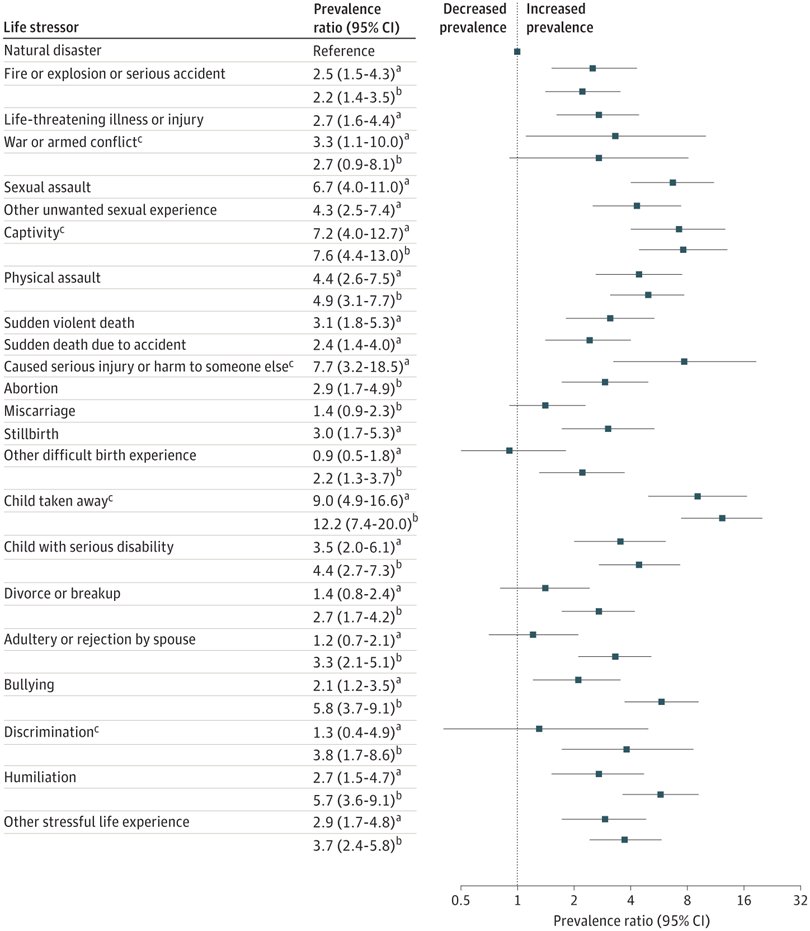
This figure shows a comparison of prevalence, with natural disaster exposure as reference, for a wide range of typical and non-typical trauma exposures.
🇮🇸Iceland, with the world's highest gender equality: New study of trauma among a representative sample of 28,000 adult women found that sexual, physical assaults were common. These stressors were associated with the highest prevalence of probable PTSD. https://t.co/A7tviBG0Uf
In this cross-sectional survey, the prevalence of life stressors ranged from 3.3% for war or armed conflict–related events to 66% for unwanted sexual experiences. Prevalence of probable PTSD was 16% but varied substantially across different stressor types.
Overall similar patterns for both sexes, incidence rates of most disorders peaked before age 20 (b). Bipolar disorder and schiz. peaked at age 20–30 (j,k). Stress-related disorders had a wide peak at 20–40 (d). Note the marked peak for depression at age 80-90 (b).
If anyone wondered about when during the lifespan people receive their first psychiatric diagnosis made in specialized care: New study on sex differences in incidence of psychiatric diagnoses using Swedish register data. https://t.co/H1Qx5DKt5X
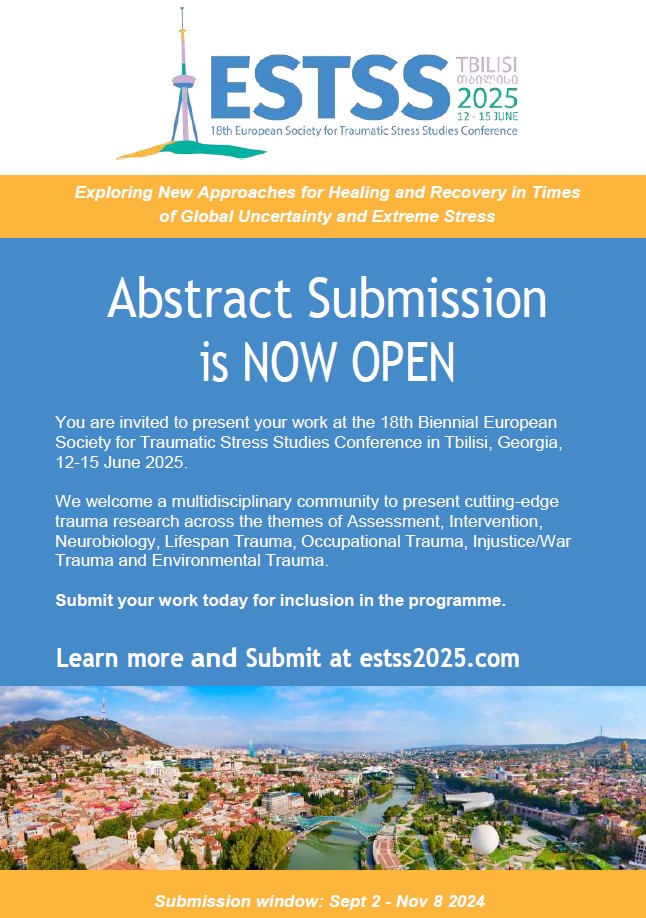
Abstract submission is now open for #ESTSS2025!
You are invited to present your work at the 18th Biennial ESTSS Conference in Tbilisi, Georgia, 12-15 June 2025.
Submit your work today for inclusion in the programme.
https://t.co/mUVaruNil1
Here is a large register study - with a sibling comparison - on the association between traumatic exposure (assault, injury, and bereavement) and psychiatric disorders to understand the role of familial confounding.
https://t.co/HstStSNON4
Congratulations Martina Gustavsson who successfully defended her PhD-thesis on Swedish health care workers’ experiences and management of moral stress today! 💐
Thoughtful opposition by prof. Matthew Hunt from McGill University.
https://t.co/Gz05URmh7b
Intressanta språkliga reflektioner från Etikbloggen med anledning av vår artikel om definitionen av moralisk stress: https://t.co/7i2CunrC4g
Artikeln, a conceptual analysis of moral stress among health care workers during the COVID-19 pandemic: https://t.co/Z7JHOjUMDf
New qualitative study, "Surviving COVID-19: patients’ experiences of care and path to recovery," provides insights into patients’ experiences and may inform future healthcare strategies and policies. #COVID19
https://t.co/Tc0PcaUwTu
New paper on Swedish patient records using a sibling-comparison design found that, "the long-term risk elevation of psychiatric disorders after potentially traumatic events was largely independent of familial factors." https://t.co/AzsnSkTA2P
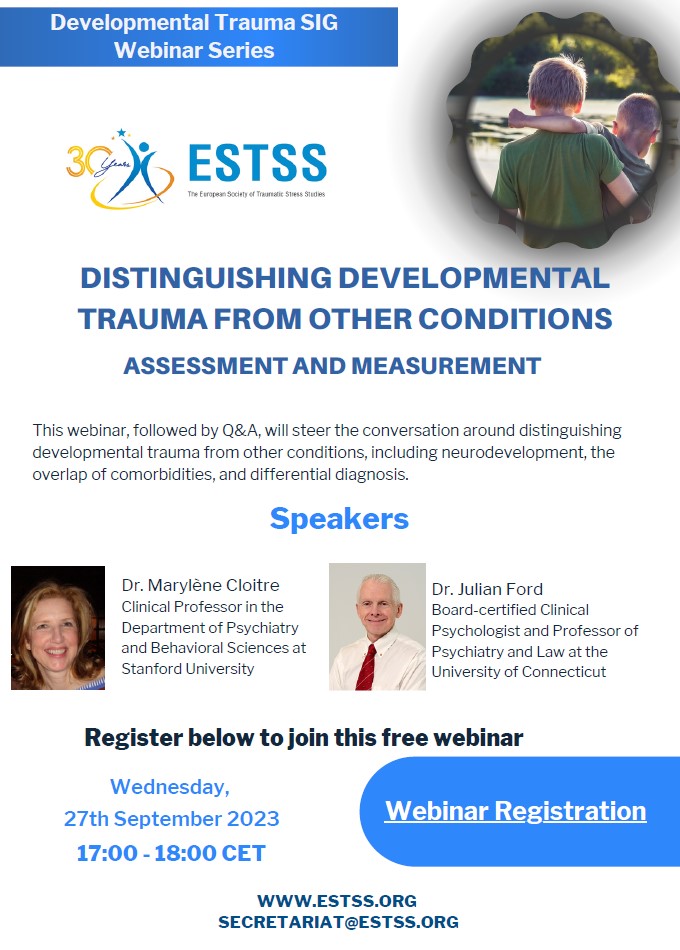
ESTSS free webinar series - Developmental Trauma - Wednesday, September 27.
More info and free registration here:
https://t.co/P8qTRZ34qA
https://t.co/zI2Bwsw97Y
#trauma#webinar
Also grateful to examination board members prof. Hugo Hesser, prof. Karin Brocki, and prof. @Sean_Perrin for taking their time to examine Ida's thesis and bringing their perspectives to the defense.
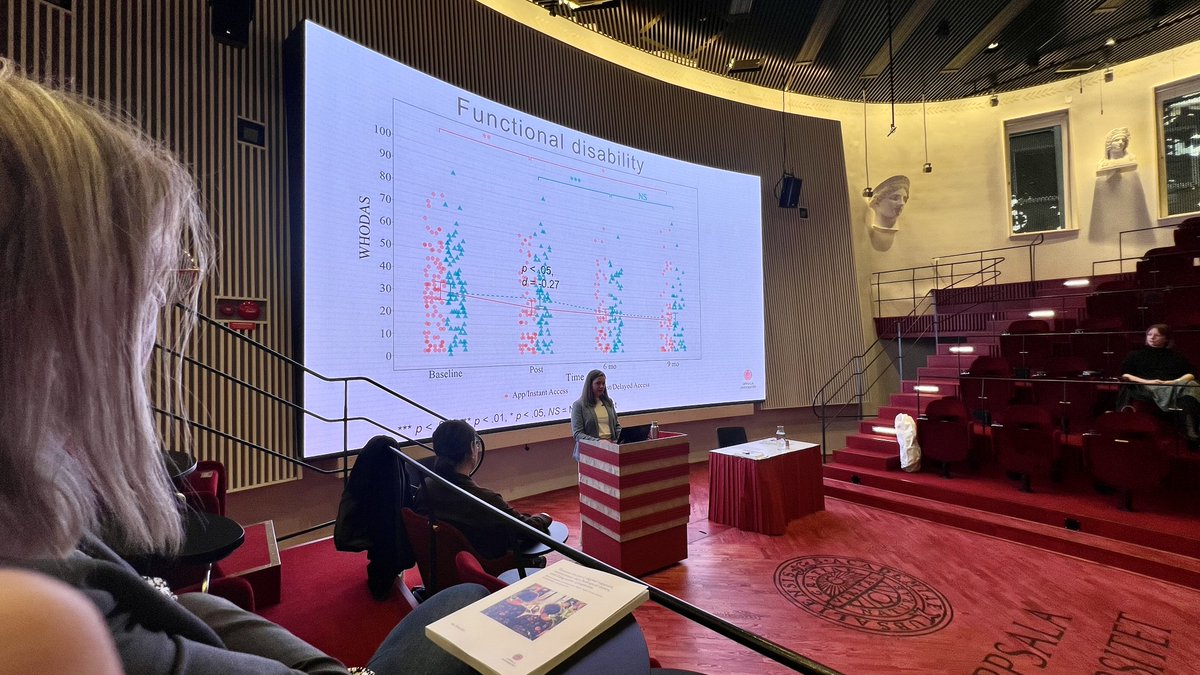
Yesterday Ida Hensler splendidly defended her PhD thesis: Trauma-focused digital support, momentary psychological states, and long-term symptoms: RCT and ecological momentary assessment. Great discussion led by prof. @MPfaltz. Congratulations dr. Hensler!
https://t.co/k8MbakjFNd
Hi everyone! Привіт!
We are a couple of people planning for a children’s hospital in #Ukraine. We are looking for people with healthcare experience who are interested in
1) planning the project or 2) working in the hospital.
Interested? ➡️ please email me.
Please re-tweet.