There is a risk that awake tracheal intubation is becoming increasingly viewed as a 'high acuity, low occurrence' (HALO) event.
This is likely due to a self-reinforcing cycle of reduced awareness of indications and guidelines + reduced exposure and practice + VL.
#anaesthesia #MedTwitter
@VirtueOfNothing@MZanaesthetist
https://t.co/r1NrgkQwbL
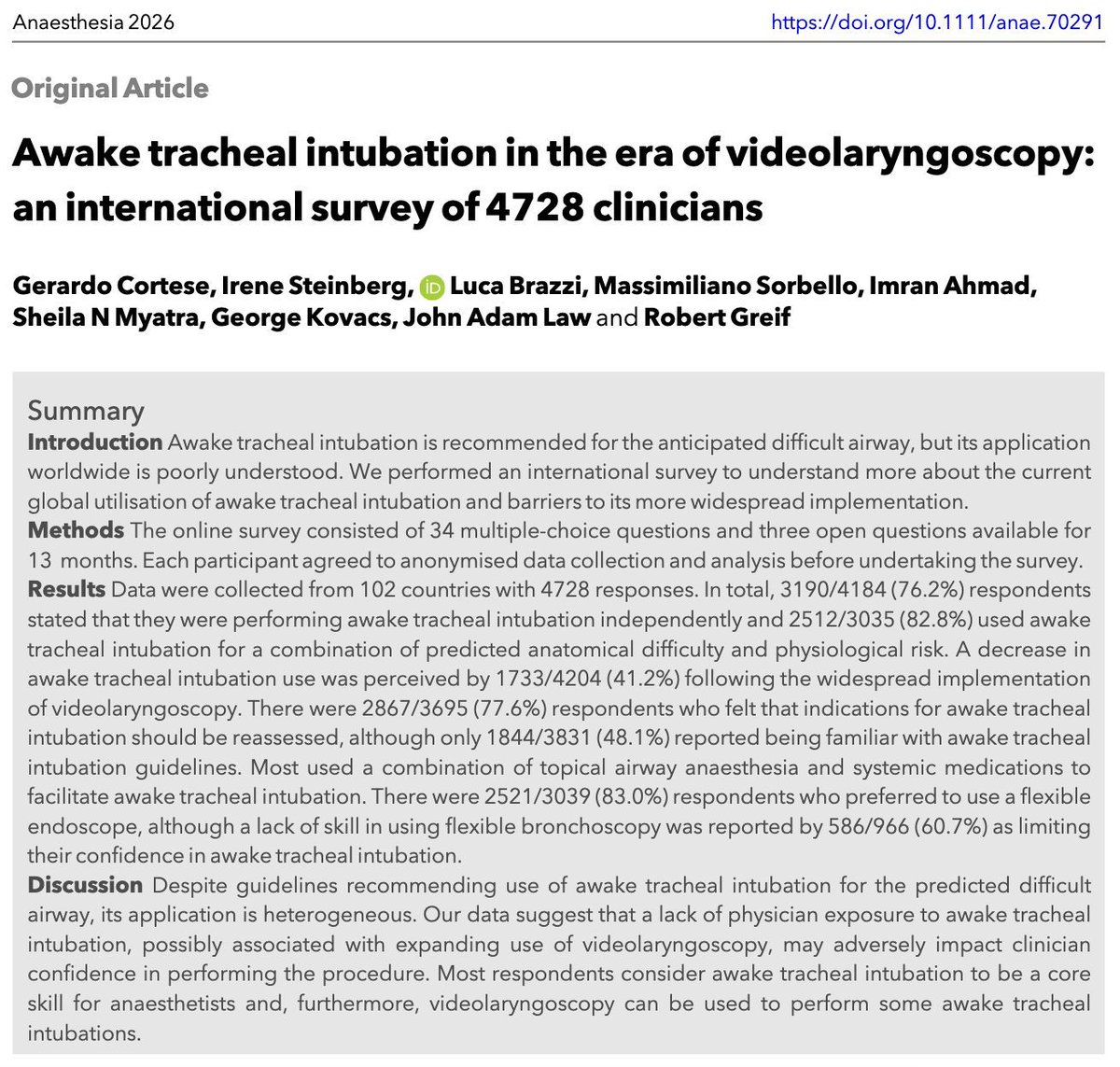
Awake tracheal intubation - a survey
• 96.5% believed that ATI was a core competence for anaesthetists
• 76.2% reported performing the procedure
• 64.5% maintained their skills with <10 ATIs per year
@IreneSteinberg@SorbelloMax@dr_imranahmad@SheilaMyatra
#anaesthesia #airway #MedTwitter
https://t.co/wT1JqLxrrO
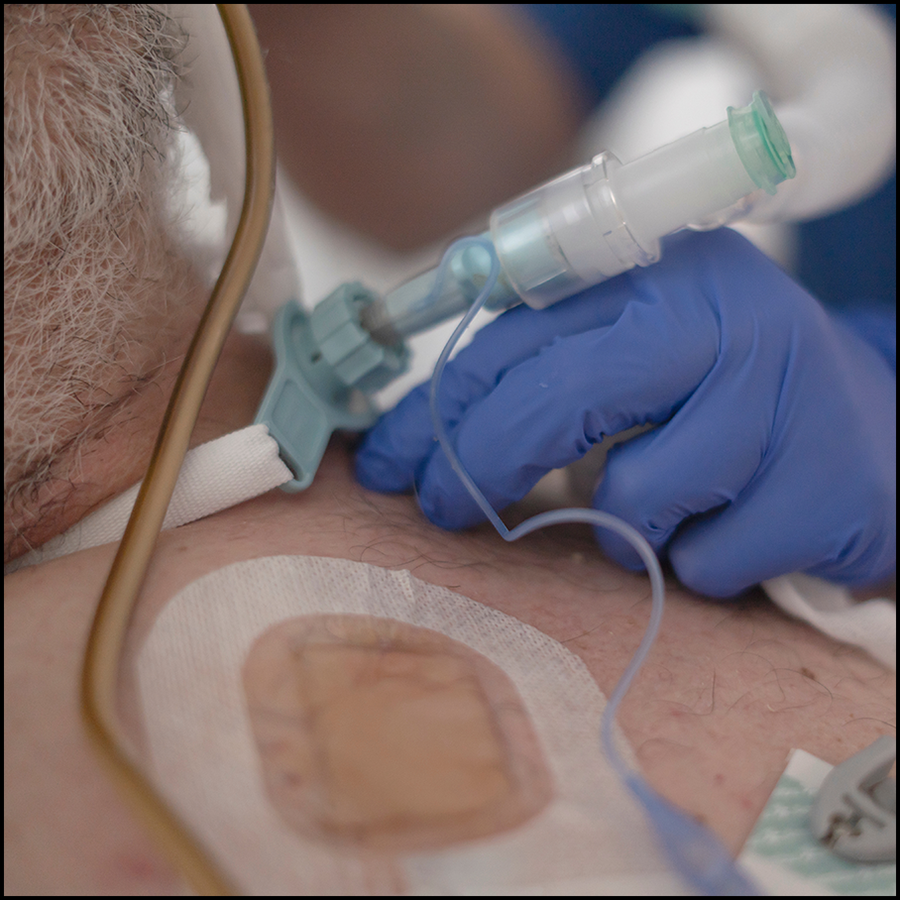
Outside the operating room, airway emergencies are frequently due to complications with existing tracheostomies or laryngectomies. A new Clinical Focus Review by Talan et al. outlines the most common complications and their management.
Read the article: https://t.co/HQ6YoEWhz2
Read a summary of "Sedation vs. general anesthesia for endovascular therapy in acute ischemic stroke: The SEGA randomized clinical trial," in the March 2026 Science, Medicine, and Anesthesiologist: https://t.co/fvYZcfPUIG
In 2024, approximately 58 450 individuals were diagnosed with oral cavity and pharynx cancer and 12 650 were diagnosed larynx cancer in the US. These head and neck cancers accounted for 3.6% of all US cancer diagnoses and 2.6% of cancer-related deaths.
This Review summarizes the epidemiology, clinical presentation, diagnosis, and treatment of head and neck squamous cell carcinomas (#HNSCC) of the upper aerodigestive tract.
https://t.co/O4gJGdVThX
More around #GLP-1RA’s and #fasting – does an overly restrictive regime introduce unintended harm? What #factors affect #pulmonaryaspiration risk?
https://t.co/TqGYdlYNJm
A really important study on CAPNOGRAPHY TRACES DURING OESOPHAGEAL INTUBATION
Important for three reasons
1
It provides important support for needing to satisfy the criteria for sustained exhaled CO2* to exclude oesophageal intubation
2
The morphological differences in CO2 trace from oesophageal and tracheal intubation offer technological opportunity for monitoring solutions to rapidly detect unrecognised oesophageal intubation
3
Sadly, they report a >10% unrecognised oesophageal intubation rate and all out of hospital services should be monitoring theirs and making changes (capnography, capnography interpretation, VL and if this doesn’t work stopping intubating and using SGAs or changing personnel) to make sure the rate is well below this
*Sustained exhaled CO2
- rises and falls with ventilation
- sustained (>7 breaths)
- amplitude > 1kPa
- clinically appropriate
https://t.co/vYYnB5UW70
Alveolar gas equation and its clinical implications
🧮 derivation & application of AGE
💨 fraction of inspired O2
💨 atmospheric pressure
🩸PaCO2 & respiratory exchange ratio
🫁 PAO2 & A–a gradient in the approach of hypoxemia & pulmonary shunt
#FOAMcc
🔓 https://t.co/LqmYQt1cht
Today's Paper of the Day is:
Basing intubation of acutely hypoxemic patients on physiologic principles
https://t.co/JKgcYjlUQ5
Join us to read 1 paper per day and stay up-to-date as we cover the spectrum of critical care across 2025
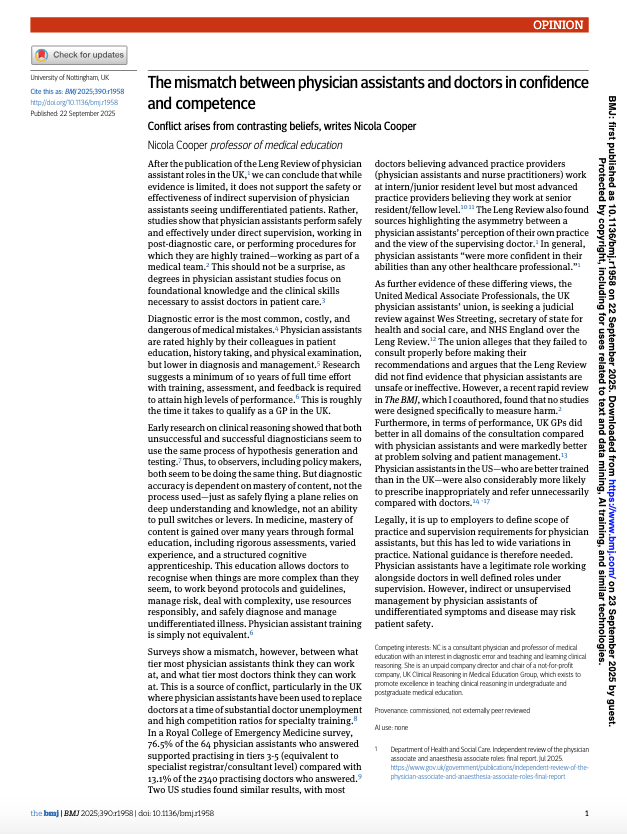
From Professor Nicola Cooper.
"The mismatch between physician assistants and doctors in confidence and competence"
Via @bmj_latest
National guidelines are needed.
Has the @RCPhysicians started work yet? @BDChadwick@HilaryWMedic
Or just more of the same inertia?
@djnicholl@mmamas1973 please ask at the AGM 🙂
https://t.co/SYqxUcAAEH
Today's Paper of the Day is:
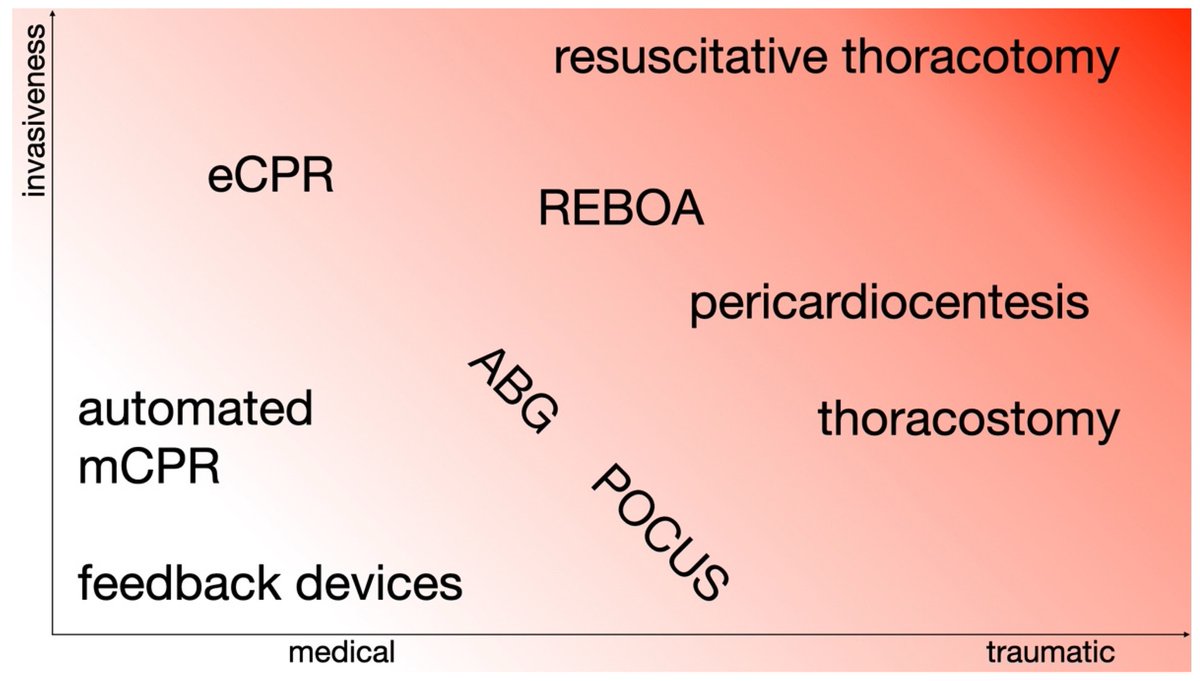
Advanced and Invasive Cardiopulmonary Resuscitation Techniques as an Adjunct to Advanced Cardiac Life Support
https://t.co/JKgcYjlUQ5
Join us to read 1 paper per day and stay up-to-date as we cover the spectrum of critical care across 2025
Trauma Coagulopathy: More Than Just Clotting
Trauma-induced coagulopathy needs a multifaceted approach—hypothermia, acidosis & hypocalcaemia worsen bleeding risks. Learn how to correct & prevent these deadly complications. #TraumaCare
🔗Read more: https://t.co/dfgUVGcb4v
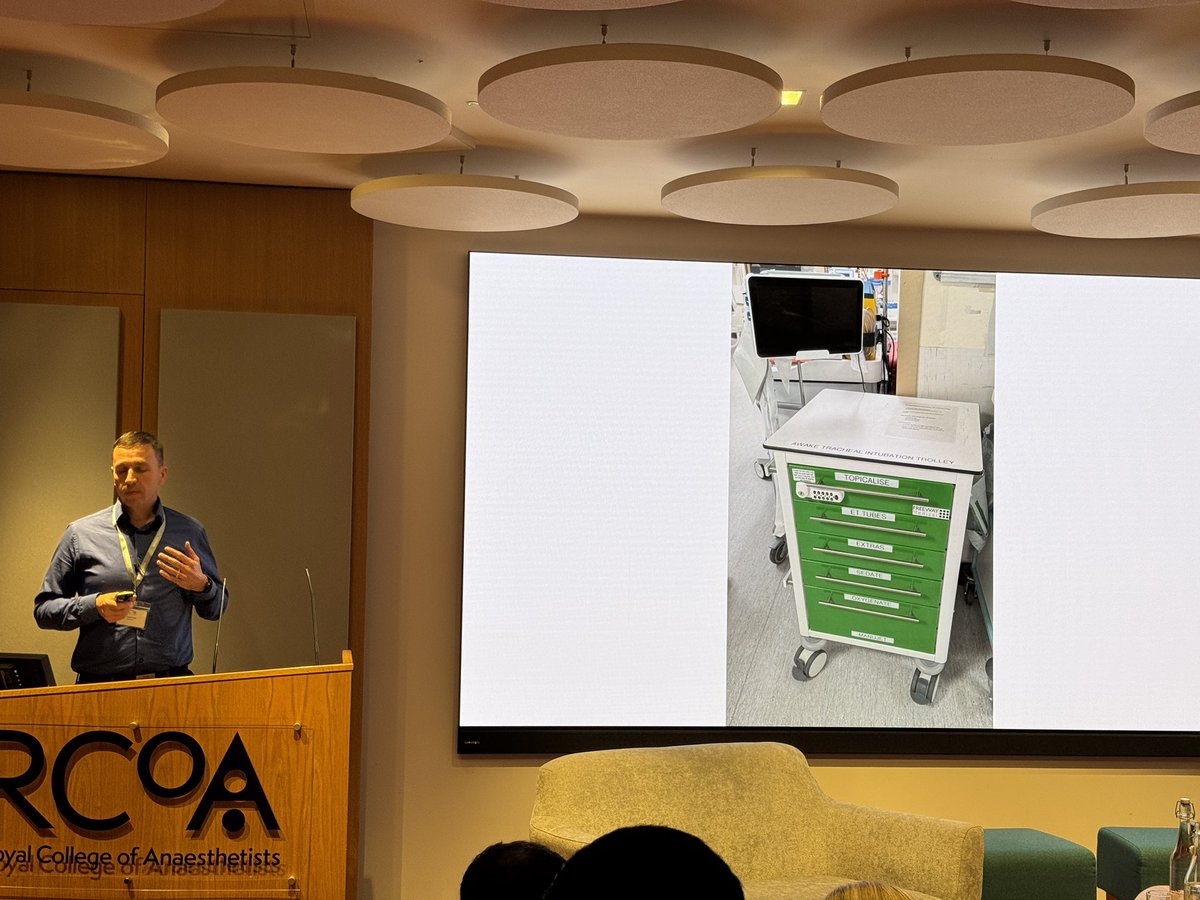
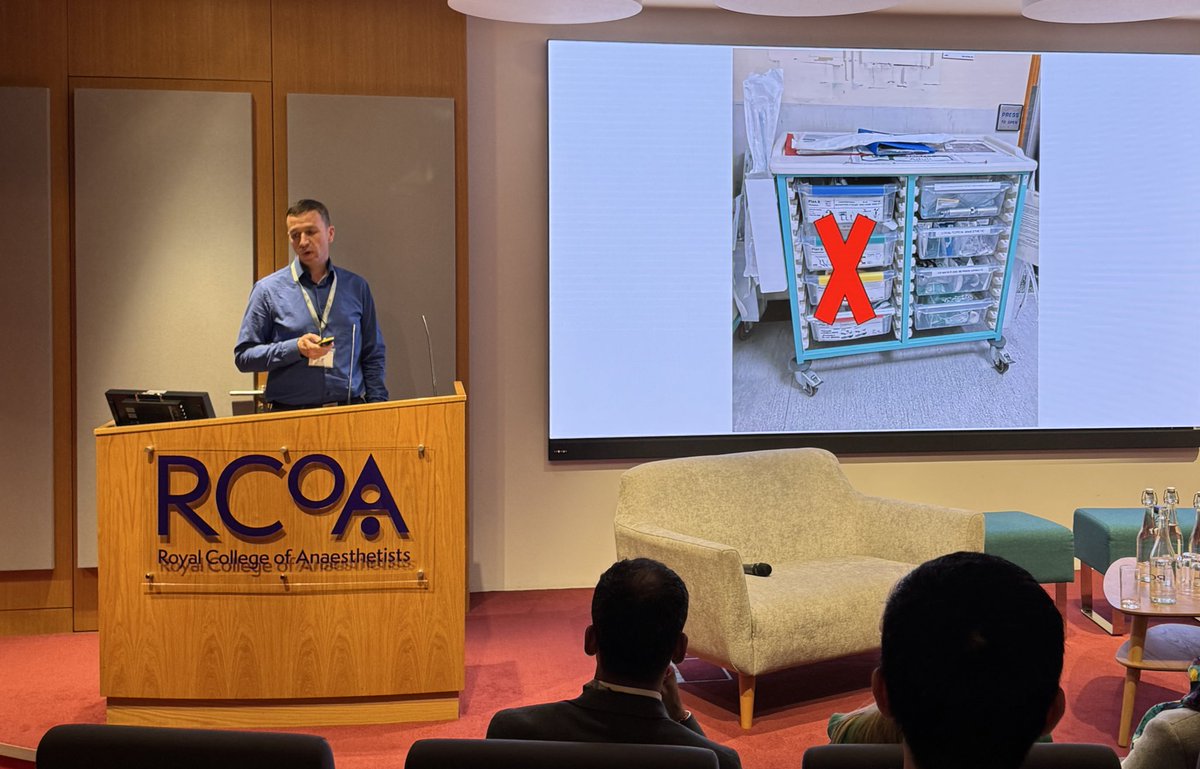
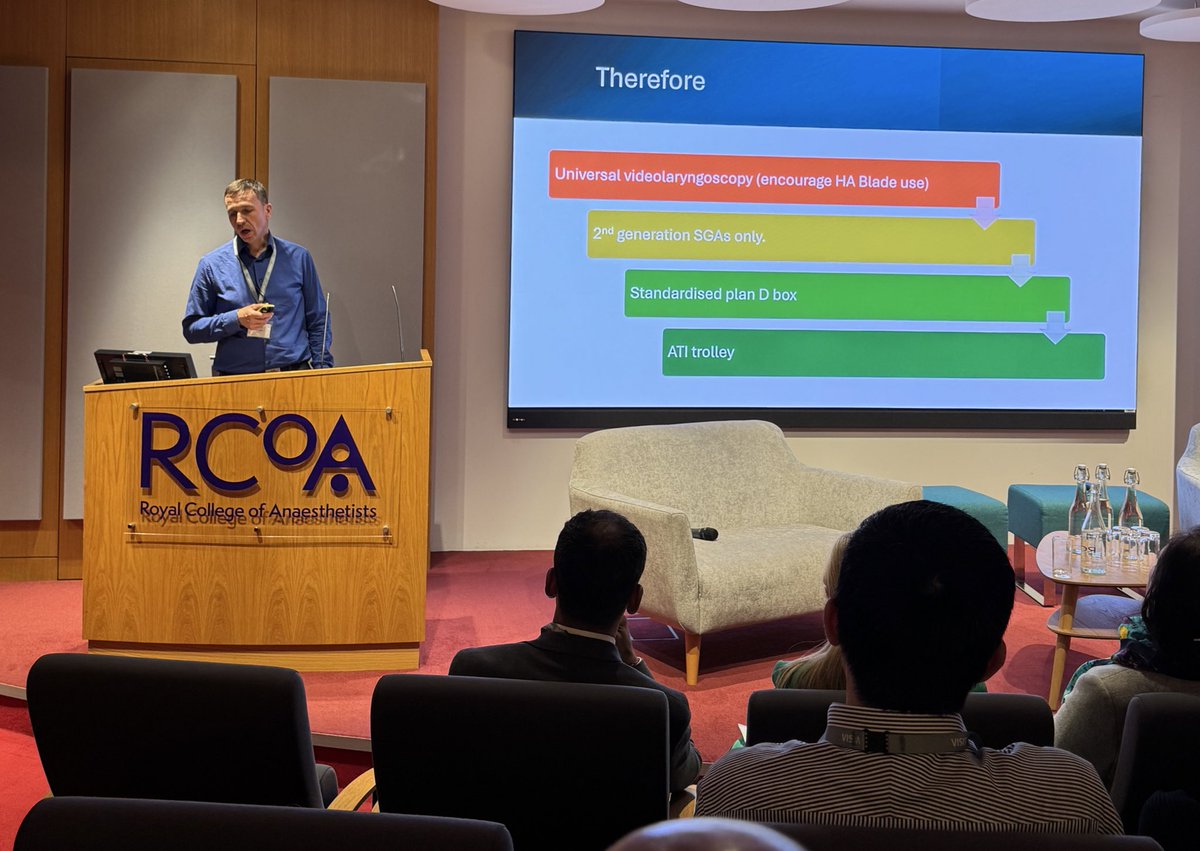
Dr Stuart Gold describing our approach to airway management at @RUHBath@RUHAnaesthesia
1
Follow the evidence (use kit most likely to work)
2
Follow the guidelines (use kits supporting transition through guidelines)
3
Strip away choices
4
What remains is what you need
We have
Universal VL (one manufacturer, Mac & HAVL)
2nd gen SGA (2 choices only)
FONA box
We have no “difficult airway trolley” (everything we need is already on our induction trolley)
We do have an ATI trolley
That’s all folks!!
We no longer have
The ‘Diamond of Death’ in Trauma
⚠️ Hypothermia, acidosis, coagulopathy & hypocalcaemia create a lethal cycle in trauma patients. Early correction of these factors is essential for survival. Learn how to break the cycle. #ICU#TraumaCare
📖Read more: https://t.co/dfgUVGcb4v