War is usually discussed in the language of power. Headlines focus on geopolitics, military strategy, and the decisions of governments. Analysts debate who gains influence, which alliances shift, and what the long-term implications might be.
But far from those debates far from the battlefields and negotiating tables the true cost of war quietly spreads across places that never fired a single shot. For many of us building businesses in Southern Africa, war is not an abstract global event. It is an economic shock that arrives without warning, disrupting industries, supply chains, and the livelihoods of people who have no influence over the conflicts that caused it.
As a young African entrepreneur trying to build in this region, I have seen firsthand how deeply interconnected the world really is.
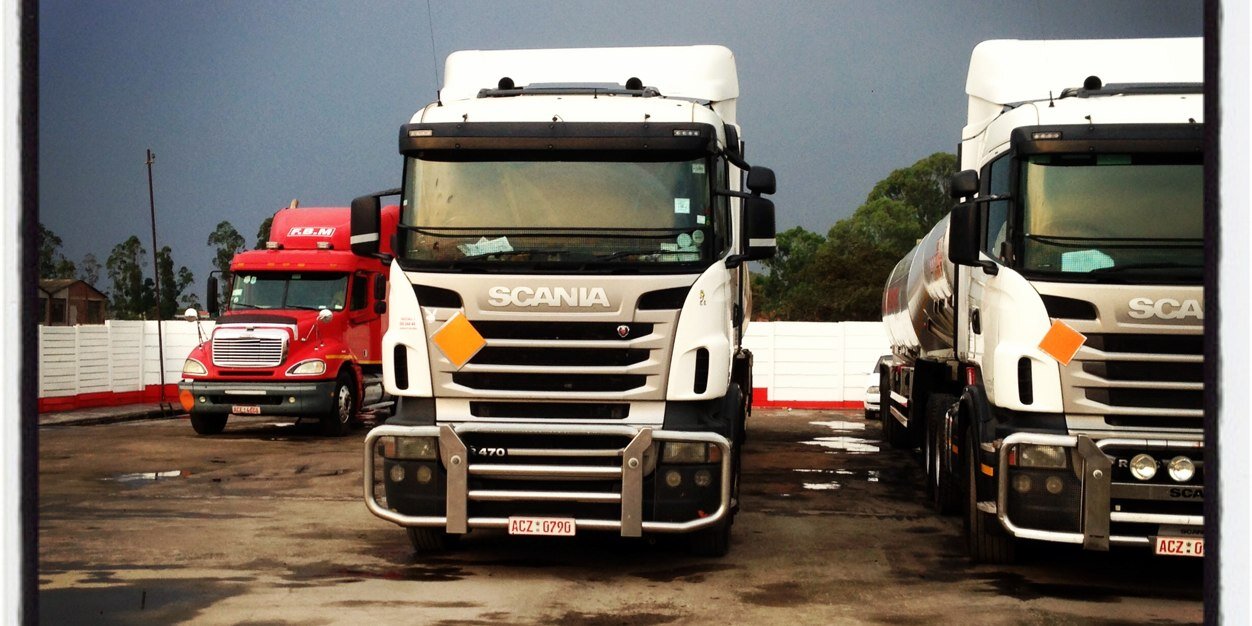
My experience comes from the logistics and fuel transportation sector an industry that operates quietly behind the scenes but plays a critical role in keeping economies moving. Every day, trucks transport aviation fuel across long distances from ports to storage facilities that supply airports. It is a complex system built on coordination, timing, and predictable demand. Under normal conditions, the rhythm of the industry is steady. Aircraft movement drives fuel consumption. Airlines operate their schedules. Supply chains move smoothly.
But war has a way of interrupting that rhythm almost instantly.
Consider what happens when airspace suddenly closes because of conflict in another part of the world. Aircraft stop flying overnight. Flights are cancelled. Airlines suspend routes. And with that single shift, the demand for aviation fuel collapses. The ripple effects travel far beyond the region where the conflict is taking place.
Trucks may already be on the road carrying fuel that was scheduled for delivery days earlier. Drivers have spent hours sometimes days transporting the product across borders and highways. Logistics teams have done everything correctly: fuel was collected on time, routes were planned carefully, and deliveries were scheduled precisely.
Yet when those trucks arrive at the offloading site, the storage tanks are full.
With planes grounded and no flights departing, there is suddenly no demand for the product. The fuel cannot be offloaded. The delivery cannot be completed. The supply chain stalls. And it stalls not because someone failed to do their job, but because the global environment changed overnight. At first glance, this may sound like a business problem. A missed delivery. A disrupted schedule.
In reality, it is a human story.
Behind every truck is a driver who supports a family. In many parts of Southern Africa, one salary often supports four, five, sometimes six people. When deliveries stop, the consequences extend far beyond a company’s balance sheet. Income slows, Household budgets tighten, Communities feel the strain. A geopolitical decision made thousands of kilometres away quietly reshapes the financial stability of families who had no voice in the conflict that caused it.
This is the invisible cost of war.
The headlines focus on military movements and diplomatic tensions. But the economic shockwaves spread through global systems energy markets, aviation networks, transportation routes, and supply chains.
For entrepreneurs trying to build businesses in Africa, these shocks are deeply felt.
Across the continent, a new generation of founders is emerging. Young Africans are building logistics platforms, technology companies, manufacturing ventures, and financial services that are reshaping local economies. There is enormous ambition and creativity driving this movement.
But entrepreneurship in emerging markets already requires resilience. Founders must navigate infrastructure gaps, limited access to capital, and regulatory complexities. These are challenges we expect. What we cannot always prepare for are the sudden disruptions caused by global conflict. One week, markets are stable. The next week, geopolitical tensions disrupt aviation routes, energy demand, or trade flows.
For industries tied to global movement, fuel, transportation, logistics the impact is immediate. Fuel demand drops, Deliveries pause, Storage facilities reach capacity, Operations slow, And entrepreneurs must quickly adapt to circumstances they did not create and cannot control.
This reality raises an important question: who truly bears the cost of war?
It is not only governments funding military campaigns. It is not only soldiers on the battlefield.
The cost is quietly shared by millions of people across the global economy workers, entrepreneurs, families, and communities who absorb the ripple effects of instability. It is carried by the truck driver waiting at a depot that can no longer accept his delivery. It is carried by the entrepreneur recalculating projections after a global shock disrupts demand.
It is carried by households whose livelihoods depend on industries tied to international trade.
For Africa, these disruptions matter deeply. The continent has the youngest population in the world and enormous potential for economic transformation. Across Southern Africa, entrepreneurs are building businesses that create jobs, move goods, and strengthen regional trade. These businesses are not just companies. They are engines of opportunity. But progress requires stability.
When global conflict disrupts supply chains and markets, it slows the momentum of regions that are still building their economic foundations. And yet, despite these challenges, entrepreneurs across Africa continue to build, They innovate, They adapt, They find new ways to keep businesses moving even when global systems become unpredictable.
This resilience is one of Africa’s greatest strengths but it should also push us to think differently about the future. If global shocks can disrupt our businesses overnight, then we must also build systems that are more resilient. Businesses that are not only connected to global markets, but also deeply rooted in local economies.
Businesses that can withstand external shocks because they serve strong regional demand. Businesses that diversify their markets, strengthen local supply chains, and create ecosystems that support sustainable growth. War will always be costly. Not only where bombs fall, but in the stalled trucks, grounded aircraft, disrupted industries, and uncertain futures that ripple across the world.
For entrepreneurs in Southern Africa, the lesson is clear :
We cannot control global conflict but we can control how we build. And perhaps the most important response to instability is this: Build businesses strong enough to endure it.
CORRECT ME IF I'M WRONG BUT, I turn 38 this year and I have realised , as a man, no one cares about you. Not your wife. Not your family. Not your friends. Not your workmates. Nobody. People act like they care, but deep down, they don't. You are on your own. Always on your own.
@MinistryofTID@MastermindSean I have said this for years ., if Delport is paved . It takes 7-10 mins from Ruwa mabvuku to airport ., 15mins to seke road . It will be a game changer a decongester !
A lot of people will never understand the contribution that Colbro Transport made to the Zimbabwean economy. This is a giant whose fall should be distressing. But then, when we are distressed we make skits. We good
As a childless adult it is my duty to embrace hobbies and pastimes that my peers cannot, as they have sacrificed their free time to maintain the population. I must vibe and chill, and do fun things, in their honour
Just saw a man, probably in his fifties, do that cricket bowl-over move little boys always do, inside a shopping mall (???). Further evidence that men never actually grow up.
Form is temporary, class is permanent
Drake named Apple's most streamed artist in 2025
This man is bigger than hip hop itself, he is the Michael Jackson of this modern era
No one is like him