Lo de hoy, en @laverdad_es, o cómo he depositado todas mis esperanzas en Vasile para estar delgada este verano.
Se me lee yendo a su kiosko de confianza o pinchando aquí ⤵️
https://t.co/V7XaGTKNpK
«Sólo cabe pensar que en la Consejería de Cultura de Murcia no consideraron importante adherirse a la Comisión Nacional que hace un año puso en marcha el Ministerio para organizar el centenario de la Generación del 27». Esto de @manuelmadrid_lv https://t.co/ED2ASrmo4l
1/ Cuando se dice que los socios son dueños del Real Madrid, ¿qué significa?
¿De qué es dueño un socio del Real Madrid?
Spoiler: de nada (o casi).
Intento explicarlo hoy en @el_pais con un supuesto hipotético: ¿qué pasaría con el dinero si se vendiera el Bernabéu?
Veamos🧵👇
Por si te sirve de ayuda, a mí me ayudó mucho saber que la tortilla que me gusta tiene que tener la textura adecuada antes de echarla a la sartén. El reposo con el huevo (importante las proporciones y el aporte de yemas) así como las patatas en caliente son clave. En las tortillas que me gustan el paso por la sartén es tan solo para hacerles la piel.
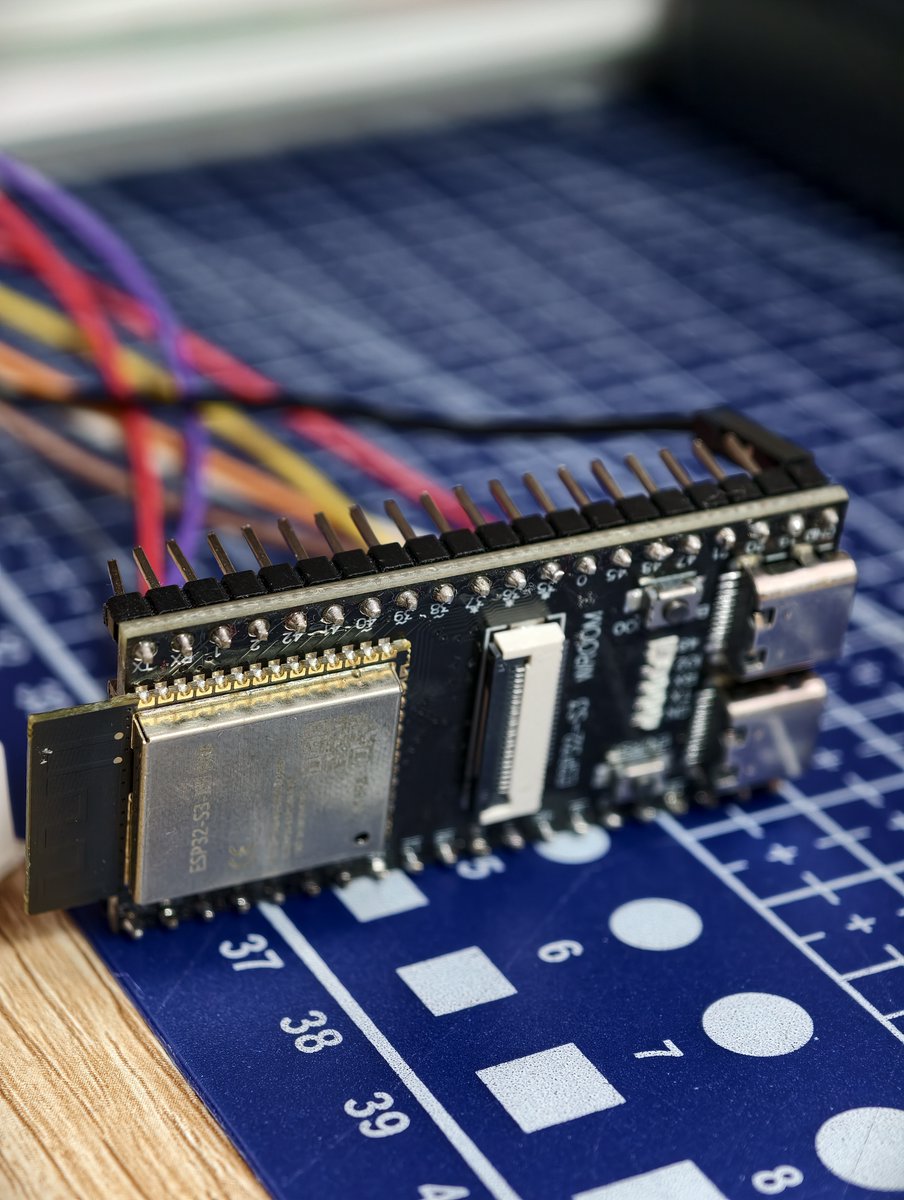
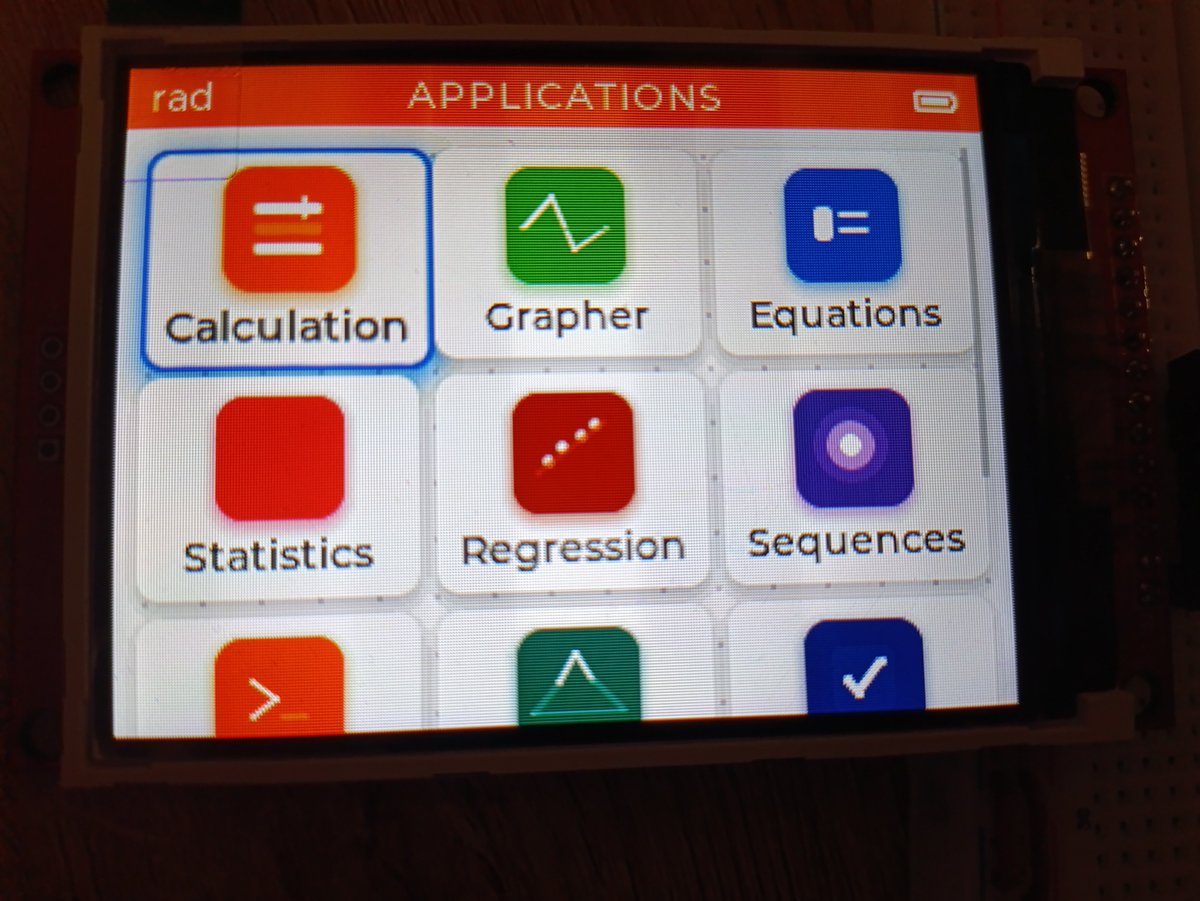
Tengo 15 años y me he propuesto destruir el monopolio de las calculadoras escolares (TI/Casio).
Hoy @david_bonilla cuenta mi historia en @labonilista frente a 16.000 ingenieros, pero aquí os traigo el detrás de las cámaras de cómo he metido un motor CAS en un chip de 5€.
1/n
⚛️ ⚡Hoy hemos presentado nuestro nuevo ordenador cuántico.
▪ Cuenta con tecnología de codificación analógica, complementaria al sistema digital previamente instalado en el BSC.
▪ Se incorpora a #MareNostrumOna, la parte cuántica de MareNostrum 5, que se convierte en uno de los primeros supercomputadores del mundo que combina computación clásica ➕ cuántica tanto digital como analógica.
▪ Consolida la apuesta por la soberanía tecnológica europea: el chip y el software está desarrollado en España por @qilimanjaro y @DoItNow_Tech
➡ https://t.co/cU7XzN7gFp
#PlanRecuperación I #NextGenerationEU I #MareNostrumOna I #EuroQCSSpain
Lo nunca visto, la UCO investigando a la cúpula de la Dirección General de la Guardia Civil de Marlaska por ordenar expedientar a los guardias civiles que indagaban la corrupción en el PSOE.
Bastante entusiasmado con este proyecto:
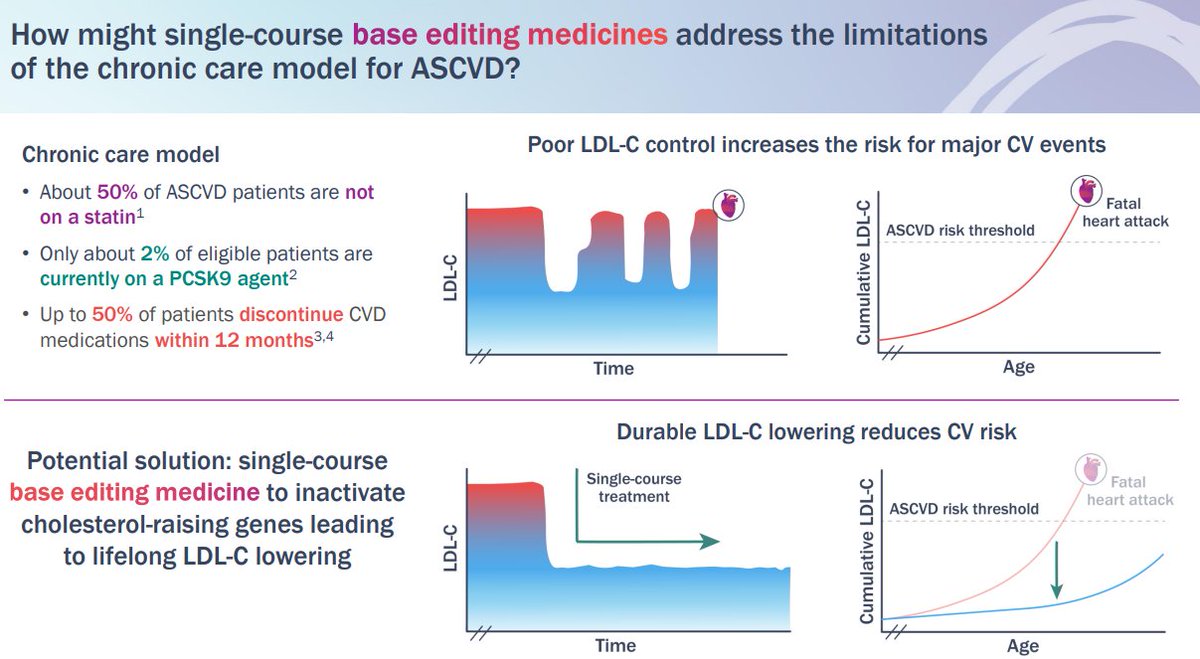
El editor genético de Lilly reduce el colesterol LDL hasta un 62% en una sola dosis.
Esto es de lo más importante que está pasando en medicina cardiovascular: editar genes no para curar una enfermedad rara, sino para reducir un factor de riesgo común y causal.
Si acaba en medicamento tras todas las fases de pruebas, la idea es muy potente: pasar de tomar estatinas o inyectables toda la vida a una infusión única que reduzca el LDL durante años (está por saber si quizá décadas). Pero estamos aún en fase muy temprana.
Claro que tengo mis reservas, toda la industria las tiene, sobre efectos secundarios a largo plazo, si el carácter de la intervención de la edición genética ess irreversible... pero es que sería specialmente útil en hipercolesterolemia familiar, donde el problema empieza desde joven y la exposición acumulada al LDL es enorme.
https://t.co/x5mep2aArM
Este es el discurso de graduación de Jonathan Haidt en NYU que algunos estudiantes quisieron cancelar.
Haidt ofrece unos consejos claros y prácticos para la Generación Z, centrados sobre todo en cómo sobrevivir y prosperar en un mundo diseñado para robarte la atención.
Su mensaje principal a los estudiantes es: valora tu atención ya que es lo más valioso que tienes. Las grandes empresas tecnológicas (especialmente Meta, TikTok y similares) compiten ferozmente por capturarla y vendérsela a anunciantes. No intentan merecerla, sino quitártela. Haidt recomienda protegerla con fuerza: apaga las notificaciones, reduce drásticamente el uso de redes sociales y sé muy consciente de dónde pones tu foco, porque aquello a lo que prestas atención moldea quién te conviertes.
Además, les aconseja hacer cosas difíciles. Los humanos somos antifrágiles: crecemos con el esfuerzo y el estrés moderado. Evitar todo lo incómodo o desafiante solo te debilita. Busca deliberadamente retos en el trabajo, los estudios y las relaciones.
También les anima a invertir su atención en el mundo real y en las personas reales. La soledad es uno de los mayores problemas de su generación, aunque estén “conectados” todo el día. Les dice que prioricen las relaciones cara a cara, las conversaciones profundas y los planes en persona.
Finalmente, recuerda la fórmula clásica para florecer: Amor + Trabajo. Tener relaciones significativas y dedicarse a algo que valga la pena sigue siendo la mejor receta para una vida buena.
En resumen, Haidt les dice a los graduados que el mundo actual es hostil para la mente joven, pero que si protegen su atención, buscan el esfuerzo y se conectan de verdad con los demás, podrán tener una vida extraordinaria.
Exactly five years ago, as a Member of the European Parliament, I filed a 22-page complaint with the European Commission arguing that Spain's €53 million rescue of Plus Ultra, a tiny airline with Venezuelan shareholders operating four leased planes on three Latin American routes, was illegal state aid.
The company was not strategic: 0.1% of Spanish aviation passengers, position 77 by passenger volume. The aid was nearly eight times its financial debt and more than three times the maximum the Commission's own rules allowed. The capital that lifted it out of "firm in difficulty" status pre-Covid (a requirement of the aid approval) came from a €6.3 million participative loan from a Panamanian bank, of which €4.1 million was locked as collateral in a foreign account. The actual loan was €2.2 million.
Today the Audiencia Nacional has indicted former Prime Minister Zapatero for organised crime, traffic of influences, and document falsification in the same case. The criminal investigation alleges that the rescue funds were used to launder money from Venezuelan corruption, with €1.5 million in commissions paid through a consultancy owned by a Zapatero associate.
Plus Ultra is what the "entrepreneurial" state looks like in practice. A small concentrated group (Plus Ultra's shareholders and their political contacts) captured a large diffuse rent (€53 million of Spanish taxpayer money). The politicians making the call were not maximising the survival of strategic Spanish industry.
Rules are out and discretion is back on both sides of the Atlantic. Trump grants tariff exemptions firm by firm, takes equity stakes in Nippon Steel and Intel, allocates CHIPS Act funds on terms that are not public. Everyone in the know trades on the news.
When the market fails the easy solution is "let the state intervene". But the state is not composed of angels, but of politicians who are human beings. When designing solutions to "market failure" one has to always wonder "with this design and these incentives, are there reasons to believe the state will be able to do this better"?
I explained the Plus Ultra case here:
https://t.co/vaT0zOaShY
Link to my allegations in spanish: https://t.co/FWqpynQU5p
And thread below
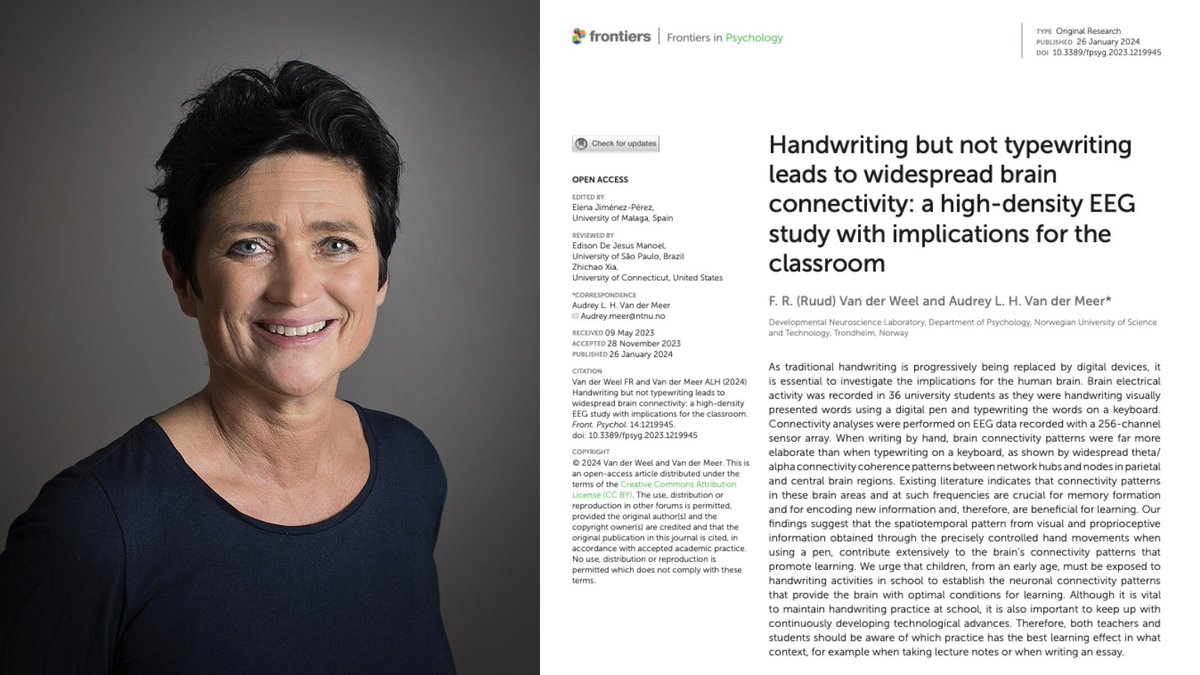
A Norwegian neuroscientist spent 20 years proving that the act of writing by hand changes the human brain in ways typing physically cannot, and almost nobody outside her field has read the paper.
Her name is Audrey van der Meer.
She runs a brain research lab in Trondheim, and the paper that closed the argument was published in 2024 in a journal called Frontiers in Psychology. The finding is brutal enough that it should have changed every classroom on Earth.
The experiment was simple. She recruited 36 university students and put each one in a cap with 256 sensors pressed against their scalp to record brain activity. Words flashed on a screen one at a time.
Sometimes the students wrote the word by hand on a touchscreen using a digital pen, and sometimes they typed the same word on a keyboard. Every neural response was recorded for the full five seconds the word stayed on screen.
Then her team looked at the part of the data most researchers had ignored for years, which is how different parts of the brain were communicating with each other during the task.
When the students wrote by hand, the brain lit up everywhere at once.
The regions responsible for memory, sensory integration, and the encoding of new information were all firing together in a coordinated pattern that spread across the entire cortex. The whole network was awake and connected.
When the same students typed the same word, that pattern collapsed almost completely.
Most of the brain went quiet, and the connections between regions that had been alive seconds earlier were nowhere to be found on the EEG.
Same word, same brain, same person, and two completely different neurological events.
The reason turned out to be something nobody had really paid attention to before her work. Writing by hand is not one motion but a sequence of thousands of tiny micro-movements coordinated with your eyes in real time, where each letter is a different shape that requires the brain to solve a slightly different spatial problem.
Your fingers, wrist, vision, and the parts of your brain that track position in space are all working together to produce one letter, then the next, then the next.
Typing throws all of that away. Every key on a keyboard requires the exact same finger motion regardless of which letter you are pressing, which means the brain has almost nothing to integrate and almost no problem to solve.
Van der Meer said it plainly in her interviews.
Pressing the same key with the same finger over and over does not stimulate the brain in any meaningful way, and she pointed out something that should scare every parent who handed their kid an iPad.
Children who learn to read and write on tablets often cannot tell letters like b and d apart, because they have never physically felt with their bodies what it takes to actually produce those letters on a page.
A decade before her, two researchers at Princeton ran the same fight using a completely different method and ended up at the same answer. Pam Mueller and Daniel Oppenheimer tested 327 students across three experiments, where half took notes on laptops with the internet disabled and half took notes by hand, before testing everyone on what they actually understood from the lectures they had watched.
The handwriting group won by a wide margin on every question that required real understanding rather than surface recall.
The reason was hiding in the transcripts of what the two groups had actually written down.
The laptop students typed almost word for word, capturing more total content but processing almost none of it as they went, while the handwriting students physically could not write fast enough to transcribe a lecture in real time, which forced them to listen carefully, decide what actually mattered, and put it in their own words on the page.
That single act of choosing what to keep was the learning itself, and the keyboard had quietly skipped the choosing and skipped the learning along with it.
Two studies. Two countries. Same answer.
Handwriting makes the brain work. Typing lets it coast.
Every note you have ever typed instead of written went into your brain through a thinner pipe. Every meeting, every book highlight, every idea you captured on your phone instead of on paper was processed at half depth.
You did not forget those things because your memory is bad. You forgot them because typing never woke the part of the brain that would have made them stick.
The fix is the thing your grandmother already knew.
Pick up a pen. Write the thing down. The slower road is the faster one.
Singapore’s Foreign Minister, Dr Balakrishnan casually explaining how he built his own AI agent (a 2nd brain for diplomacy) using Claude & WhatsApp integration etc. on a Raspberry Pi
“You cannot govern a technology you have only been briefed on.” 🇸🇬