Our much anticipated (& pandemic-delayed…) 2020–2021 mini-catalog is now online! 30% off all contents with the promo code "8S20FDUP": https://t.co/hAxiLxJDK3
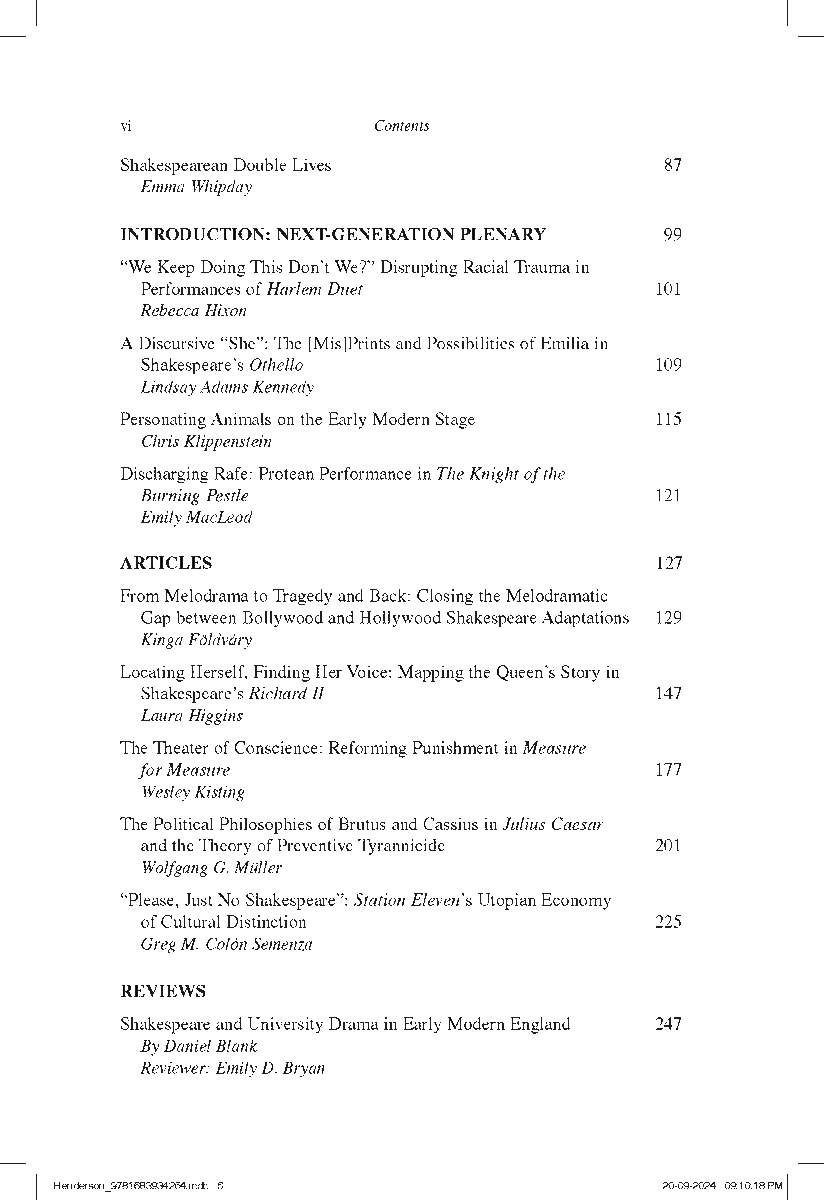
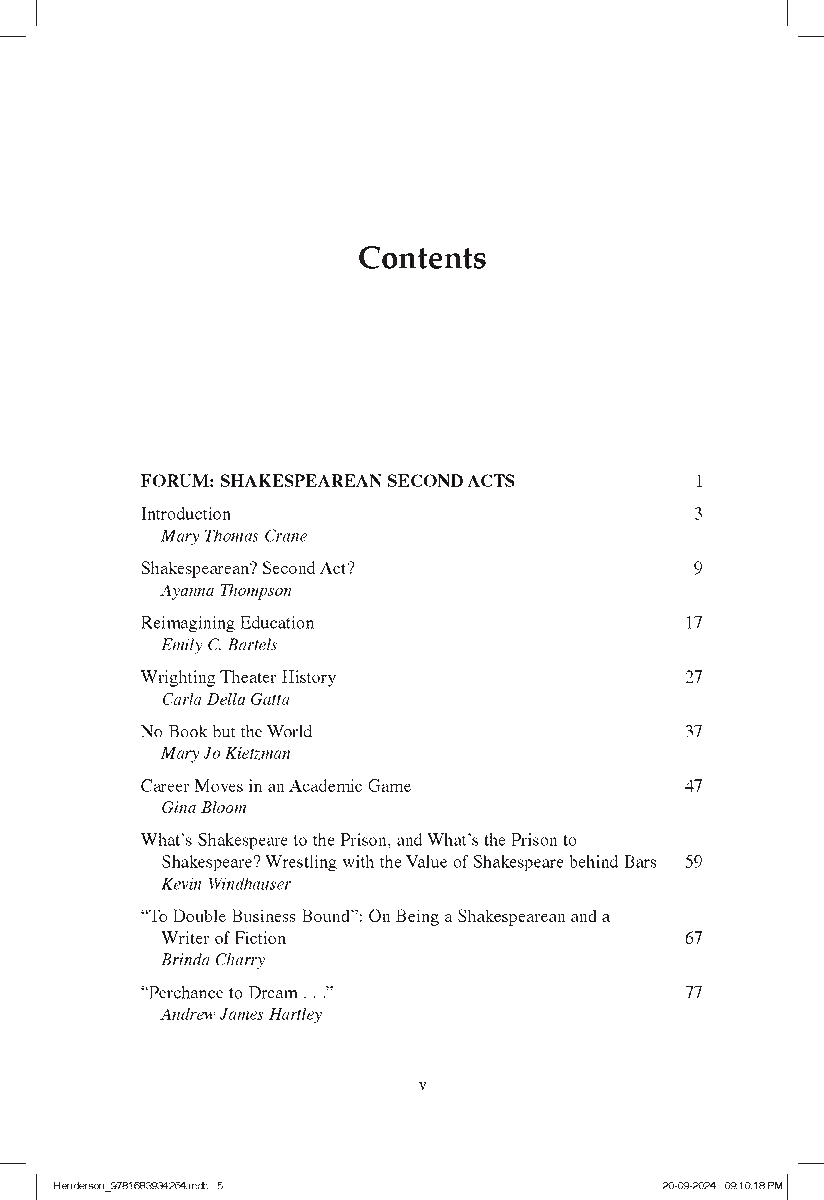
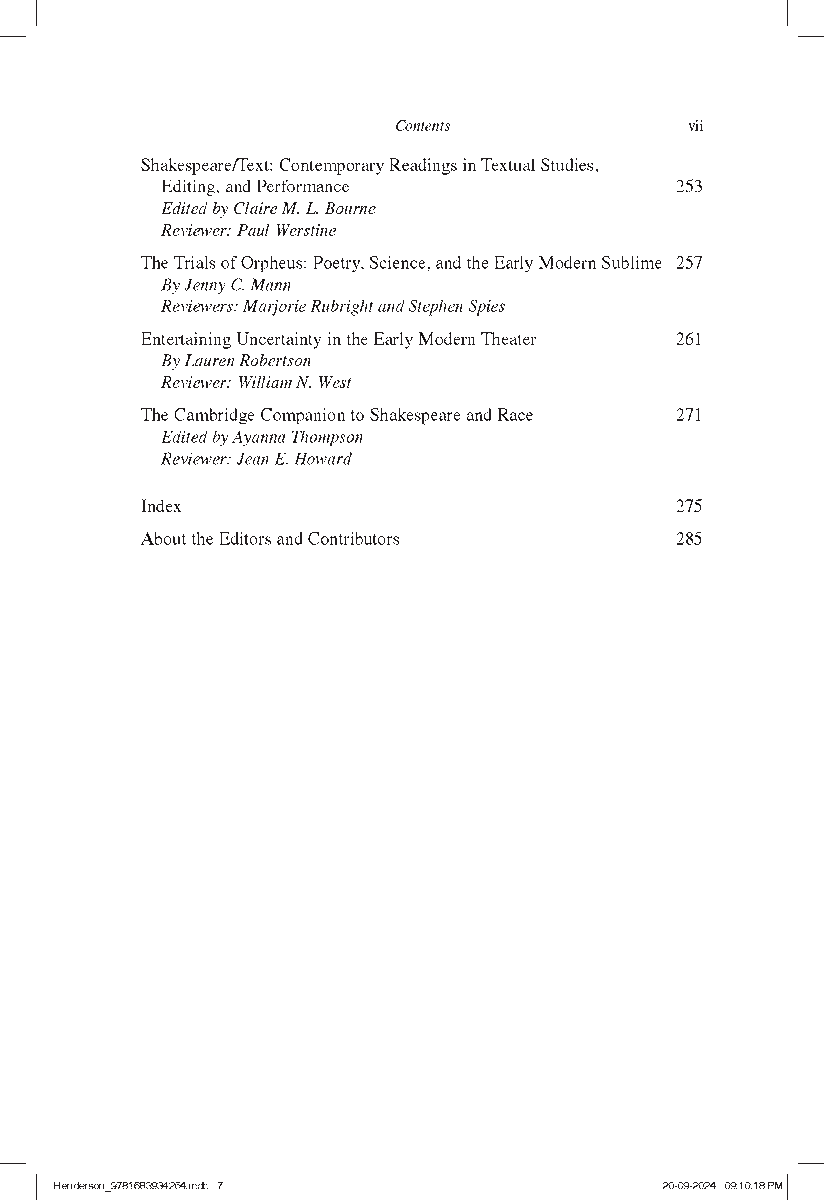
New! from @fdu_press Shakespeare Studies, Volume 52 – Edited by James R. Siemon and @litatmit Prof Diana E. Henderson, assisted by Megan J. Bowman! More info here: https://t.co/6mqBWbUrRg
The catalog of our co-publisher @fdu_press' latest books is now available for browsing. Discover new humanities and social science titles, and save 30% when you add them to your collection!
🔍 More from today's email: https://t.co/0OTECNISxg
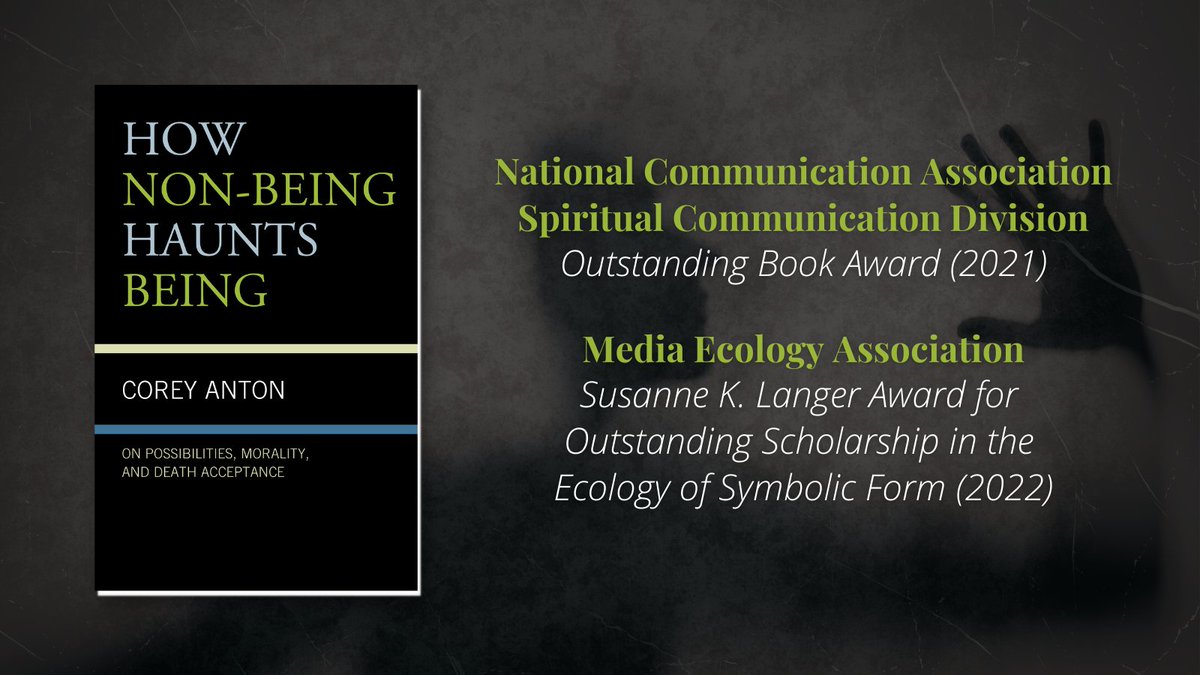
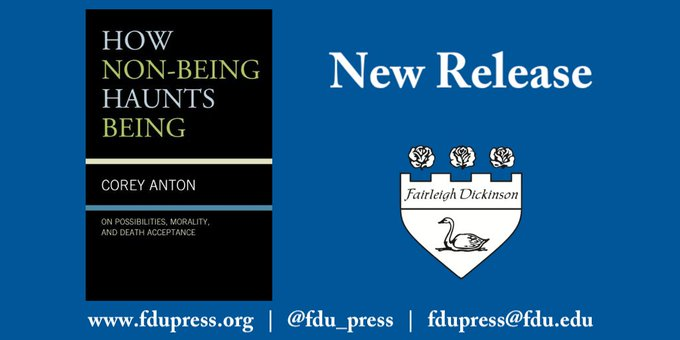
For your philosophy collection: the paperback version of Corey Anton’s “How Non-being Haunts Being” is now available, and with two awards to its name! @fdu_press
📗 Use code “8S22FDUP” for 30% off: https://t.co/Arq8JvckSi
Corey Anton's *How Non-Being Haunts Being* has been awarded the 2022 Susanne K. Langer Award for outstanding Scholarship in the Ecology of Symbolic Form presented by the @MediaEcology Association! {now 30% off & in paperback with code "8S22FDUP"} https://t.co/KRPMI3mXcA
Deborah Eicher-Catt reviews Corey Anton's *How Non-Being Haunts Being* in Atlantic Journal of Communication:
"a much-needed theoretical reversal of our taken-for-granted assumptions about the nature of being and human agency"
https://t.co/2zbCuIx5ib
Some good news: Just received the peer reviews back on the manuscript, and, pending some revisions, @fdu_press has now officially accepted for publication *Speculative Poetry and the Modern Alliterative Revival: A Critical Anthology*.
Some good news: Just received the peer reviews back on the manuscript, and, pending some revisions, @fdu_press has now officially accepted for publication *Speculative Poetry and the Modern Alliterative Revival: A Critical Anthology*.
Our email to academic librarians today features the latest Fairleigh Dickinson University Press catalog with titles from our co-publishing partnership.
🔎 View the @fdu_press email: https://t.co/GabPK7Qheq
✉️ Get news by email: https://t.co/c8yJ90S6SS
I now know--as do you--that Shakespeare likely rewrote plays by Sir Thomas North, often using exact language from North's marginalia in his library books.
Singular genius was Sir William, but, perhaps not quite as much as we previously thought.
New in paperback in FDUP's Shakespeare & The Stage series! Magnus & Cannon's "Shakespeare’s Auditory Worlds: Hearing & Staging Practices, Then & Now" (@CentralCollege)
https://t.co/Unwzgcf6ma