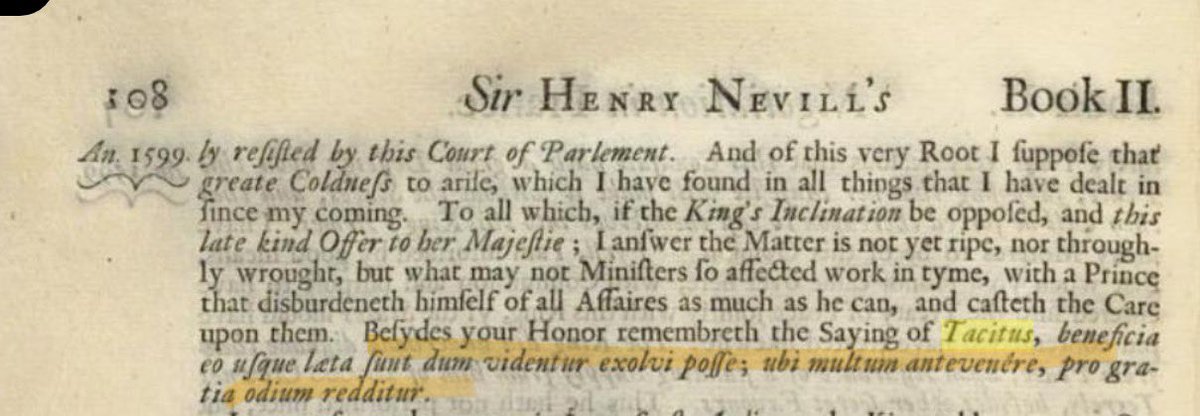
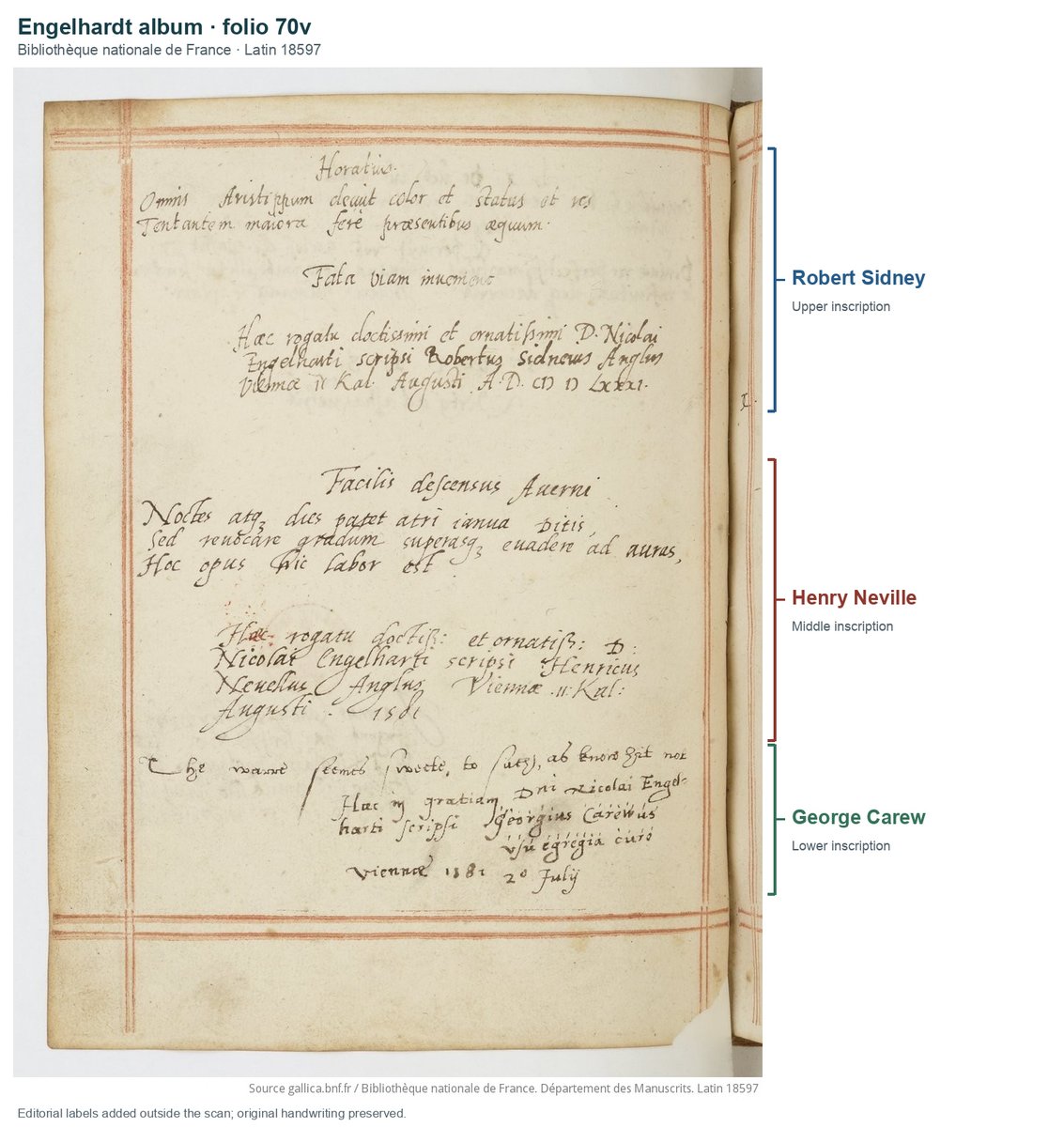
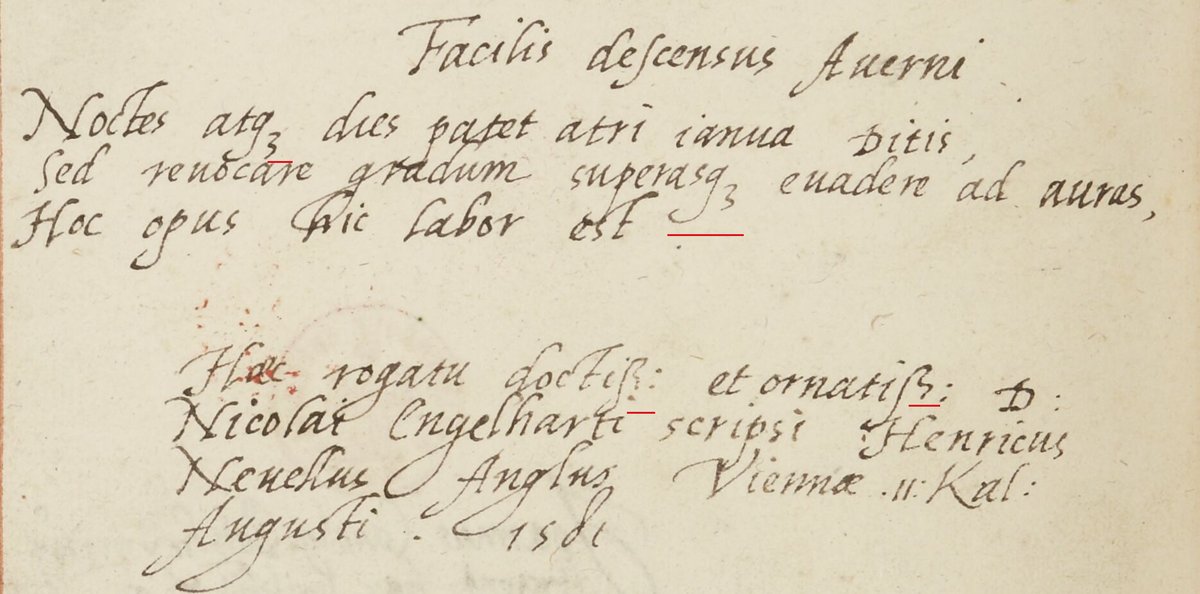
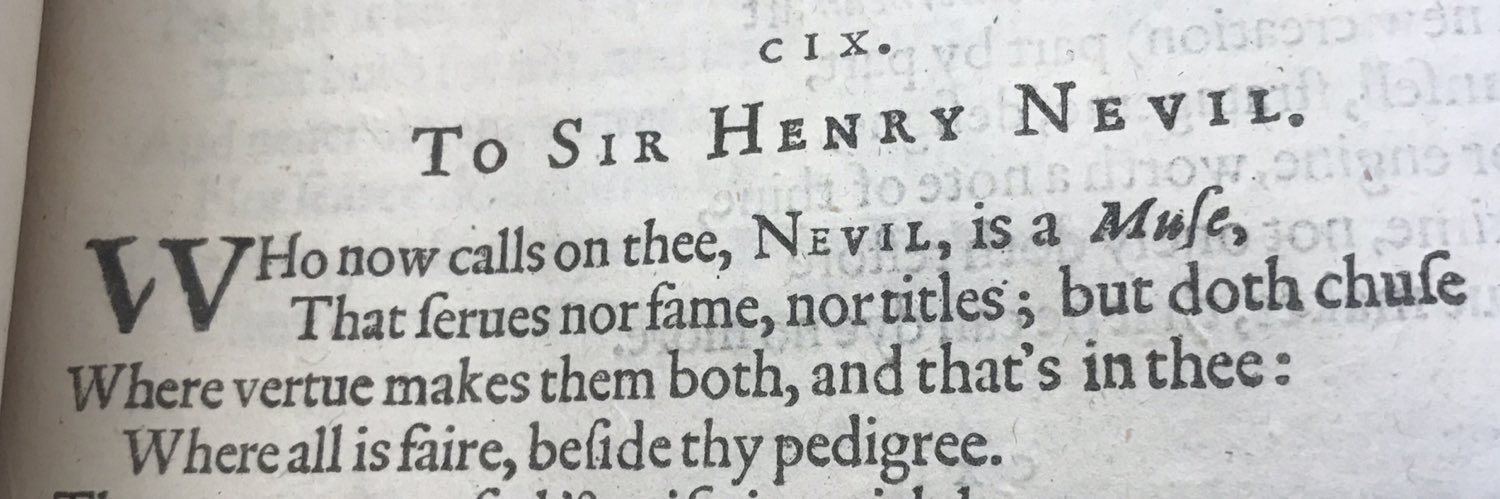
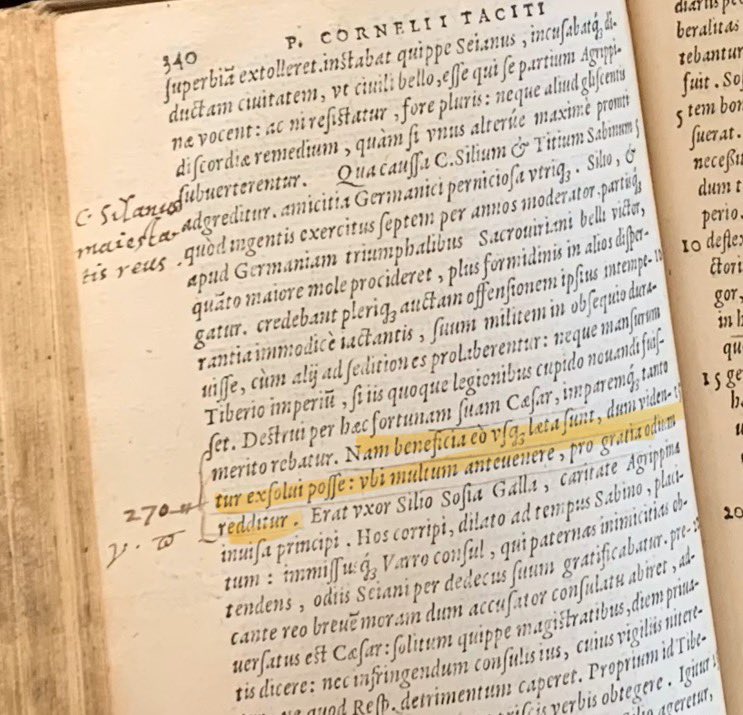
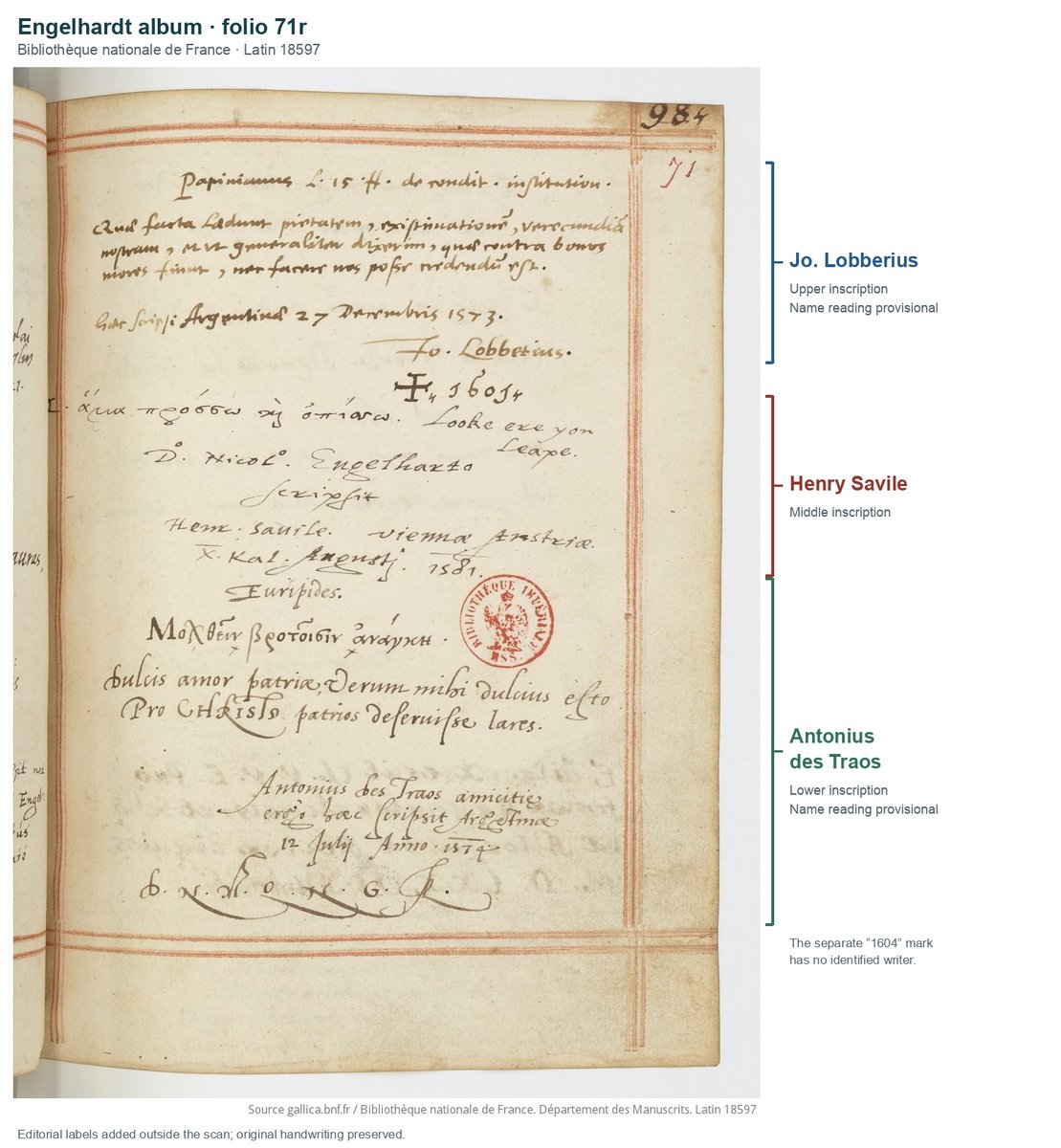
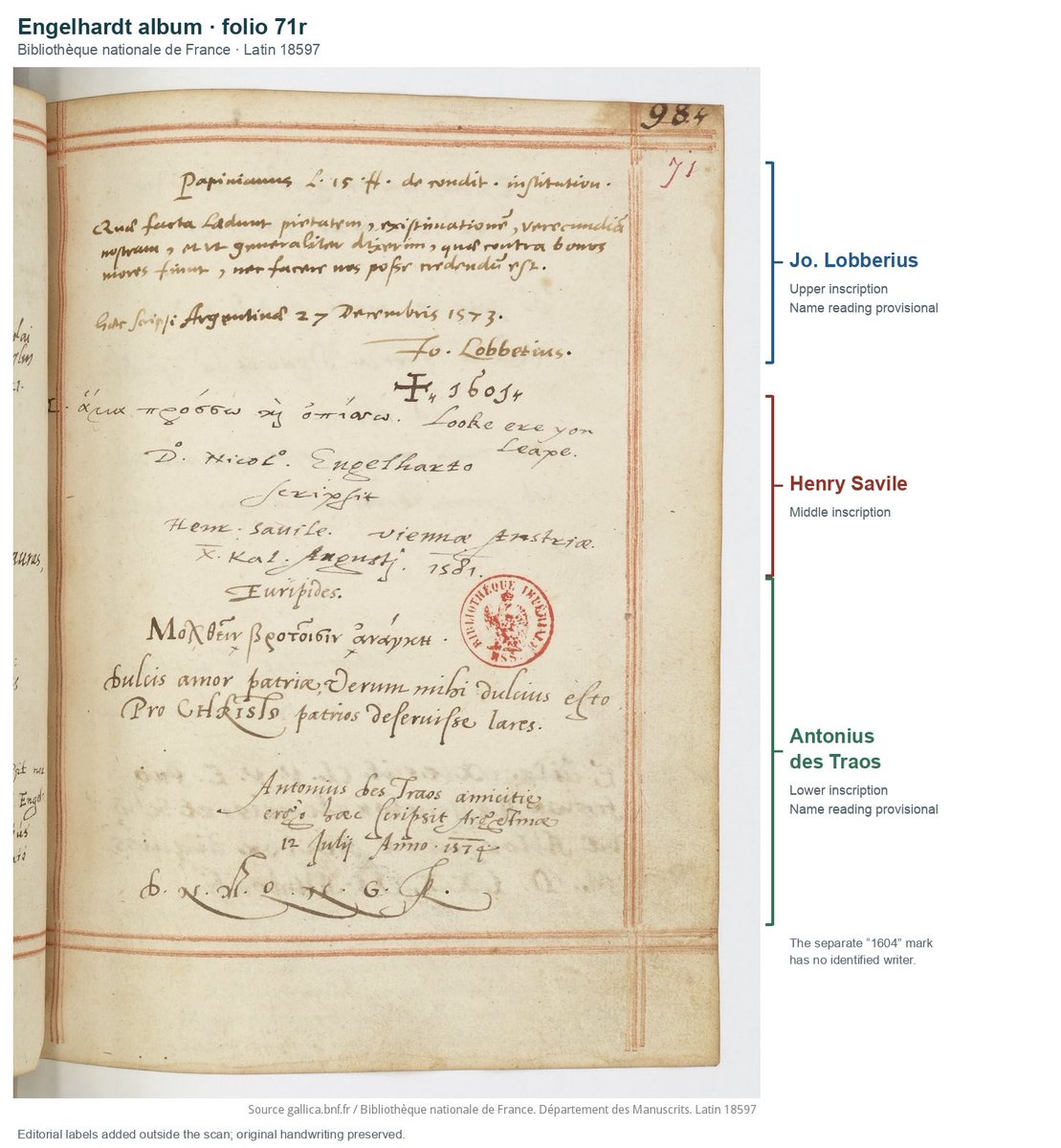
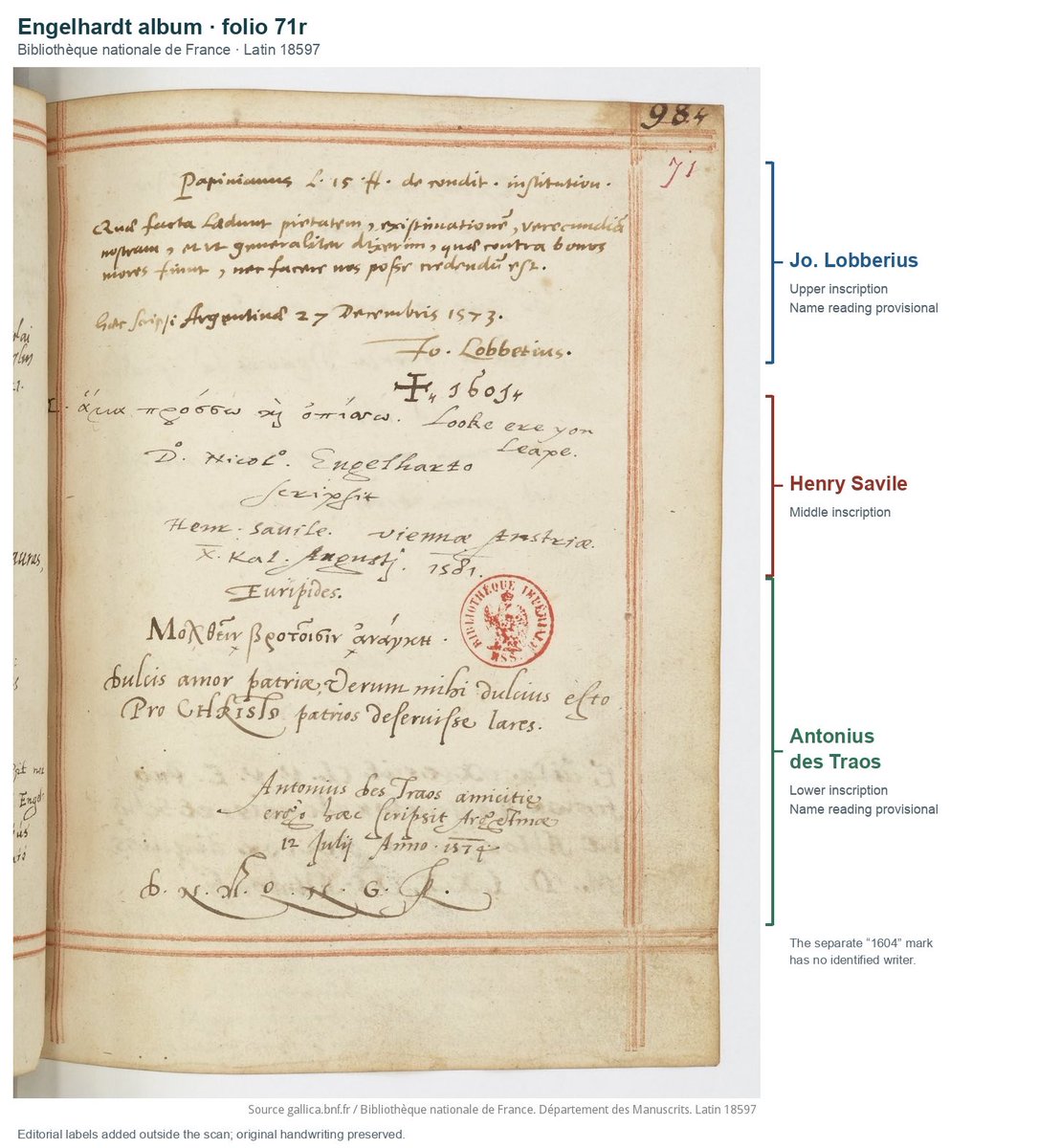
The earliest handwriting we had from Neville was from 1590, and the earliest italic we had was from 1591. So to finally have his italic handwriting from 1581 is huge. He wrote Latin in italic and English in secretary hand. This is actually the most Latin text we have from him. Almost all of his annotations at Audley End are in Latin as well. So we really needed this!
We are in such a messy confused place right now. You know, he gave you all a proof in Lean. All of it, he gave to you. You can study it, improve on it, build on it, however much you like. You can ignore it too and make your own proof!
The death threats I expected, but this novel writing? It was all a massive accident and I had no agency in the matter over years of effort that left you guys repeatedly perplexed (Calegari, who is great, but getting caught up in whatever this self-reinforcing confusion is, sat me down to ask me, where did it all go wrong now that you are giving up on mathematics? when I explained to him I had switched fields and this was the future of math years ago), let alone the argument reflecting any of my understanding. Truly I am grateful for not yet being called a traffic cone. Call Me Continue. Perhaps I should start giving some lip on this site
@emollick First the idea was that they didn’t use LLMs but some other type of automated proof system and pretended it was LLMs. That’s what the denialists were suggesting. This is just an update on that.
New blog post on the Henry Neville handwriting discovery from 1581. Such a big deal, and completely ends any (baseless) doubts about the Audley End annotations. https://t.co/jP0PNDRLws
Also included are inscriptions by his travel companions, Henry Savile (his tutor whose handwriting is also in the same books at Audley End), Robert Sidney (Philip and Mary’s brother) and George Carew (Richard Carew’s brother). This is from Vienna.
One of the biggest Neville discoveries ever! His handwriting from 1581 in Nicolas Engelhardt’s friendship album. This is the first early sample we have of his handwriting and aligns EXACTLY with the early annotations at Audley End, including the double-S and que abbreviation.
How did I find it? ChatGPT Codex Astra 6 (not 6.2) found an article **in Hungarian** that referenced it. If ever there was an example of AI-assisted historical research, this is it.
@melvinjohnsonp@tokumin It jumps to conclusions too rapidly in historical research. Everything is proved! It has no judgment to evaluate evidence soberly.
The AI can produce elegant and beautiful proofs for you too if you want them. Right now he is rushing it out. If he had a little more time, he probably could’ve produced something elegant for everyone to enjoy and certainly the future versions of AI will be able to do that easily.