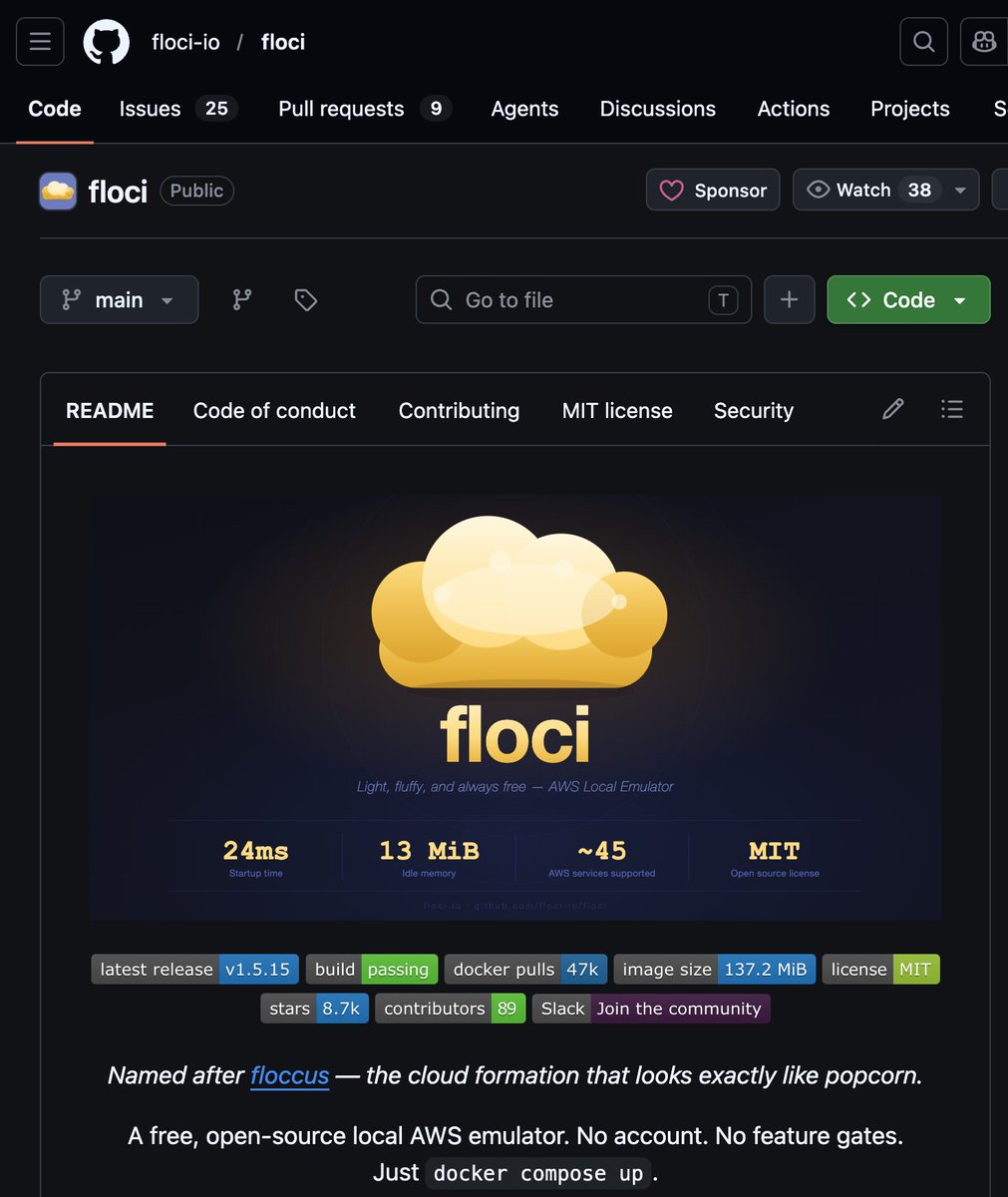
Este proyecto te permite tener AWS en local y gratis.
Sin cuentas ni trucos. Perfecto para practicar.
Se llama Floci y tiene 47 servicios: S3, SQS, Lambda, DynamoDB, RDS...
https://t.co/7RwMy6rjFQ
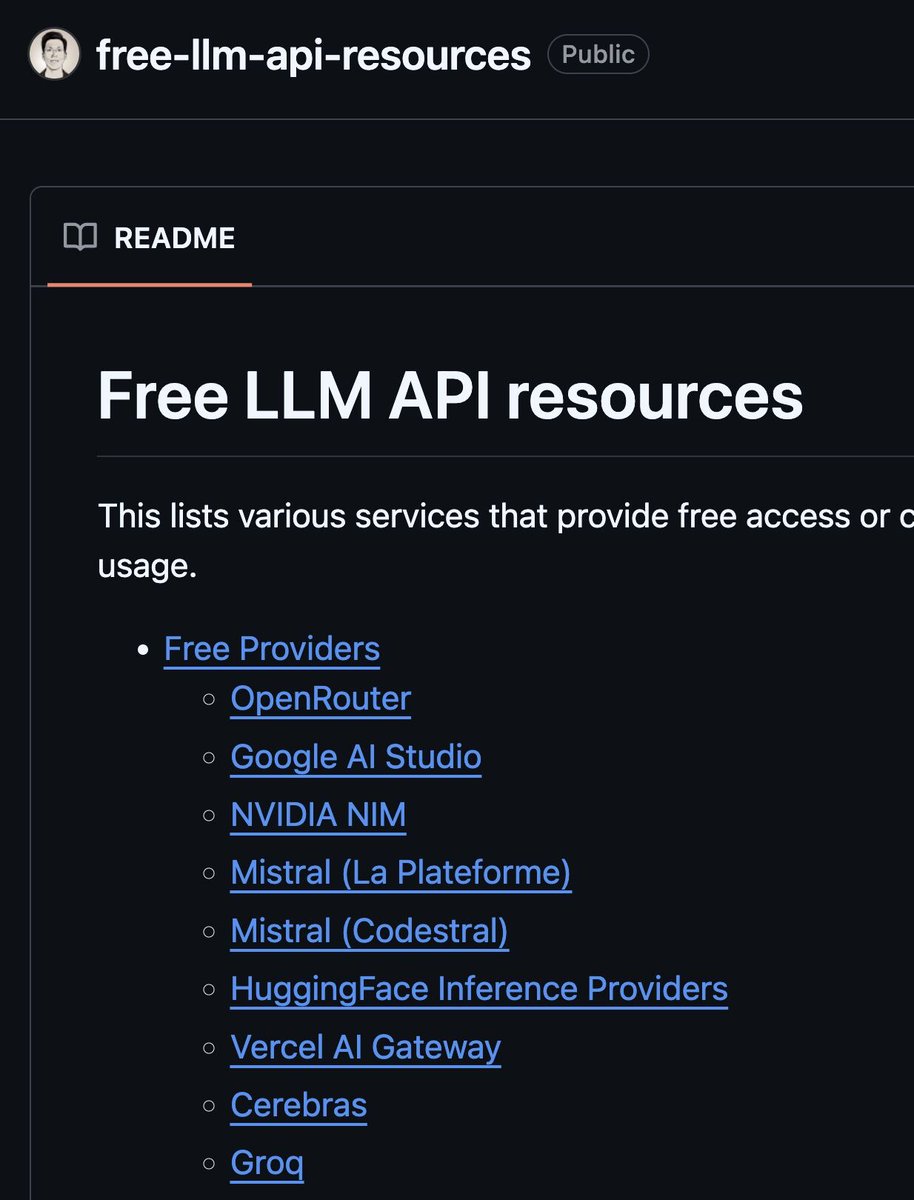
¡Vaya tesoro! Colección de APIs gratuitas de modelos de Inteligencia Artificial. Sin pagos y con límites claros.
✓ +20 modelos disponibles
✓ ChatGPT, DeepSeek, Gemini, Qwen y más
✓ Con requests/minuto y tokens por día
→ https://t.co/6j9yC6kwab
Este repositorio recopila todo lo que necesitas para trabajar con IA y LLM en tus proyectos.
+120 bibliotecas organizadas para cada fase del desarrollo:
→ Entrenar, ajustar y evaluar modelos
→ Desplegar aplicaciones con LLMs y RAG
→ Ejecutar modelos de forma rápida y escalable
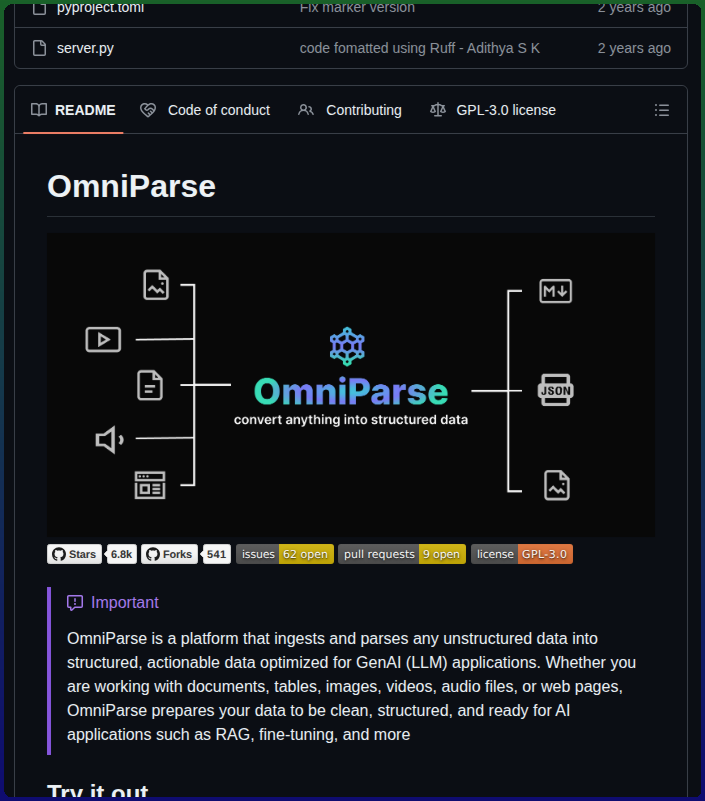
→ Extracción de datos, crawlers y scraper
→ Crear agentes autónomos basados en LLMs
→ Optimización de prompts y seguridad
https://t.co/5GLEupyODV
💸Lanzamos la GUÍA SALARIAL de TECH ESPAÑA 2026 - Manfred
- 22 roles de tecnología
- Distribución por percentiles (25, 50, 75th y 90)
- Rangos salariales por experiencia
- En español e inglés :)
👇
https://t.co/ImKiPFWIlL
Laik, repost y tal si te sirve 💙
Abro hilo comentando🧵
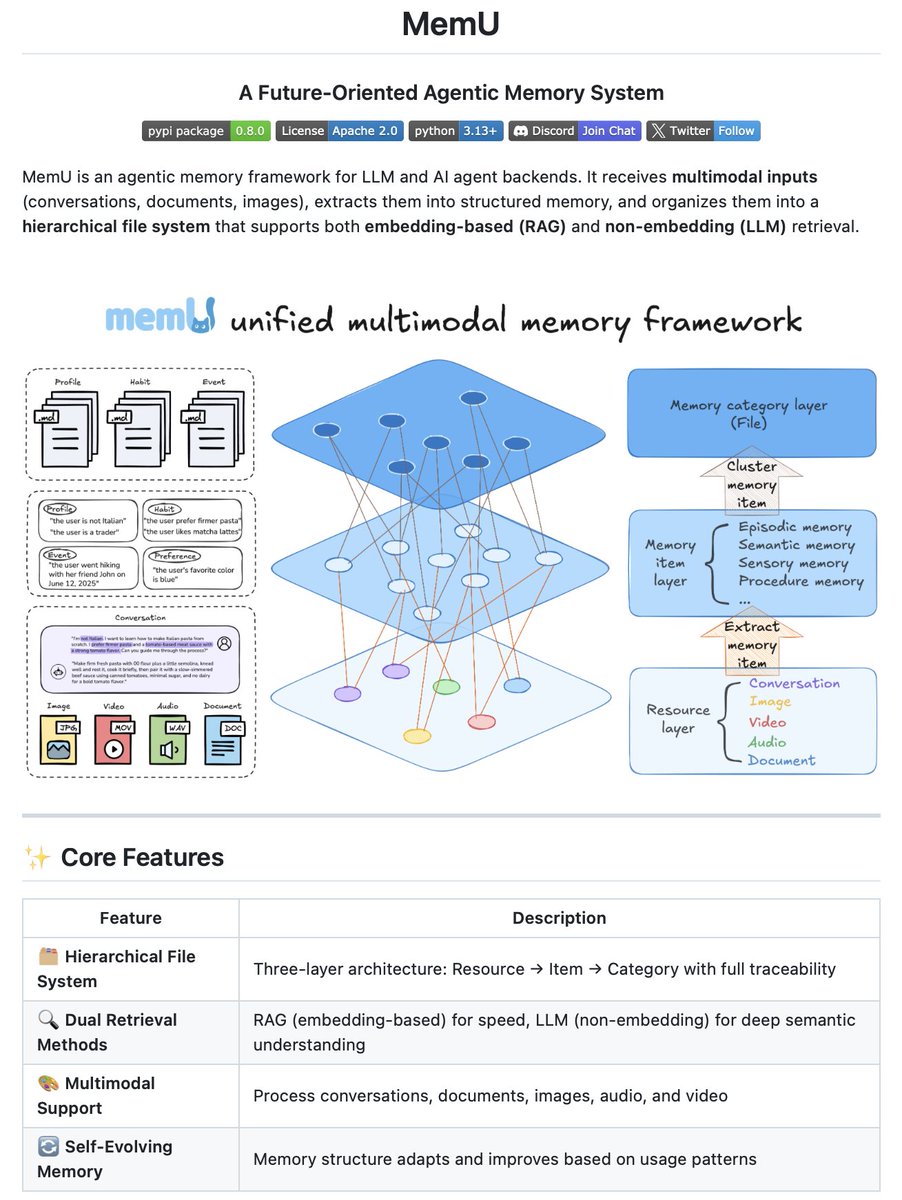
Agentic memory framework for LLMs and AI Agents!
MemU is an open-source agent memory framework that lets LLMs store, organize, and reason over long-term memory using a file-system based design.
Instead of stuffing context or relying only on vector search, MemU lets agents read and reason over memory files directly.
Memory is not an index.
It’s something the model can understand.
MemU ingests multimodal inputs, extracts structured textual memory items, and autonomously organizes them into thematic Markdown files.
How memory is structured:
Raw resources → memory items → memory category files
Documents, conversations, images, and audio are preserved in their original form, without deletion or modification. Facts are then extracted and organized into human-readable memory category files.
Key features:
• Dual-mode retrieval, including LLM-based (non-embedding) search for higher accuracy
• File-system based memory where each category is a Markdown file
• Hierarchical memory layers that preserve traceability
• Native multimodal memory for text, images, audio, and video
• Lightweight and developer-friendly, no heavy graph constraints
• Fully configurable prompts for high extensibility
Why this architecture matters:
Most memory systems force developers to decide what matters.
MemU lets the agent decide.
It learns what to remember, promotes frequently used knowledge, and reorganizes memory as usage evolves. Retrieval works top-down and falls back gracefully when needed.
The result is better temporal reasoning, fewer hallucinations, and memory that actually scales across sessions.
The best part?
It’s 100% open source.
Link to the GitHub repo in the comments!
Top 10 Python Libraries for Generative AI You Need to Master in 2025
(The tools behind document agents, intelligent assistants, and next-gen interfaces.)
Everything you need to know: 🧵
𝗔𝗣𝗜 𝗟𝗲𝗮𝗿𝗻𝗶𝗻𝗴 𝗥𝗼𝗮𝗱𝗺𝗮𝗽
Whether you're a beginner or an experienced developer looking to learn about API, this comprehensive API learning roadmap will guide you through the key concepts and technologies you need to master.
𝟭. 𝗜𝗻𝘁𝗿𝗼𝗱𝘂𝗰𝘁𝗶𝗼𝗻 𝘁𝗼 𝗔𝗣𝗜𝘀
🔹 API Definition: An API is a set of protocols, routines, and tools for building software applications. It specifies how software components should interact.
🔹 API Types:
🔸 Public APIs: Open for use by external developers (e.g., Twitter API)
🔸 Private APIs: Used internally within an organization
🔸 Partner APIs: Shared with specific business partners
🔸Composite APIs: Combine multiple data or service APIs
𝟮. 𝗔𝗣𝗜 𝗔𝗿𝗰𝗵𝗶𝘁𝗲𝗰𝘁𝘂𝗿𝗲𝘀
🔹 REST (Representational State Transfer): A widely used architectural style for web APIs
🔹 GraphQL: A query language for APIs that allows clients to request specific data
🔹 SOAP (Simple Object Access Protocol): A protocol for exchanging structured data
🔹 gRPC: A high-performance, open-source framework developed by Google
🔹 WebSockets: Enables full-duplex, real-time communication between client and server
🔹 Webhook: Allows real-time notifications and event-driven architecture
𝟯. 𝗔𝗣𝗜 𝗦𝗲𝗰𝘂𝗿𝗶𝘁𝘆
🔹 Authentication: Basic, OAuth 2.0, JSON Web Tokens (JWT)
🔹 Authorization: Controlling access rights to resources
🔹 Rate Limiting: Preventing abuse by limiting the number of requests
🔹 Encryption: Protecting data in transit using HTTPS
𝟰. 𝗔𝗣𝗜 𝗗𝗲𝘀𝗶𝗴𝗻 𝗕𝗲𝘀𝘁 𝗣𝗿𝗮𝗰𝘁𝗶𝗰𝗲𝘀
🔹 RESTful conventions: Using HTTP methods correctly, proper resource naming
🔹 Versioning: URI versioning (e.g., /v1/users), Query parameter versioning (e.g., /users?version=1), Header versioning (e.g., Accept: application/vnd. company. v1+json).
🔹 Pagination: Efficiently handling large datasets
🔹 Error Handling: Proper use of HTTP status codes and informative error messages
𝟱. 𝗔𝗣𝗜 𝗗𝗼𝗰𝘂𝗺𝗲𝗻𝘁𝗮𝘁𝗶𝗼𝗻
🔹 Swagger/OpenAPI Specification: A standard for describing RESTful APIs
🔹 Postman: A popular tool for API development and documentation
🔹 ReDoc: A tool for generating beautiful API documentation
𝟲. 𝗔𝗣𝗜 𝗧𝗲𝘀𝘁𝗶𝗻𝗴
🔹 Postman: Allows creating and running API tests
🔹 SoapUI: A tool for testing SOAP and REST APIs
🔹 JMeter: Used for performance and load testing
🔹 API Mocking: Tools like Mockoon or Postman's mock servers for simulating API responses
𝟳. 𝗔𝗣𝗜 𝗠𝗮𝗻𝗮𝗴𝗲𝗺𝗲𝗻𝘁
🔹 API Gateways: Azure API Management, AWS API Gateway, Kongk, Apigee.
🔹 Lifecycle Management: Postman Collections, RapidAPI, Akan.
🔹 API Analytics and Monitoring: Moesif. Datadog, ELK Stack (Elasticsearch, Logstash, Kibana)
𝟴. 𝗜𝗺𝗽𝗹𝗲𝗺𝗲𝗻𝘁𝗮𝘁𝗶𝗼𝗻 𝗙𝗿𝗮𝗺𝗲𝘄𝗼𝗿𝗸𝘀
🔹 Python: Flask, Django REST framework, FastAPI
🔹 JavaScript: Express.js
🔹 Java: Spring Boot