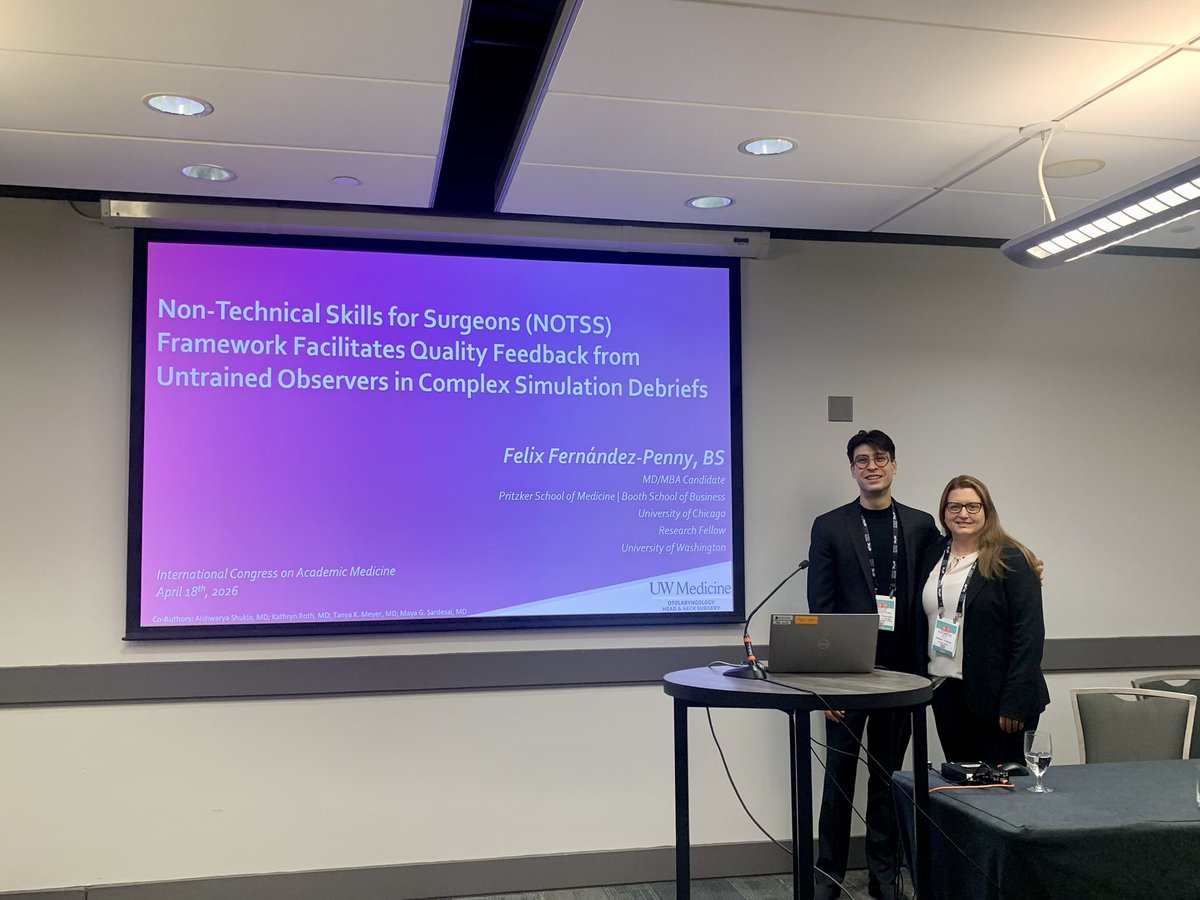
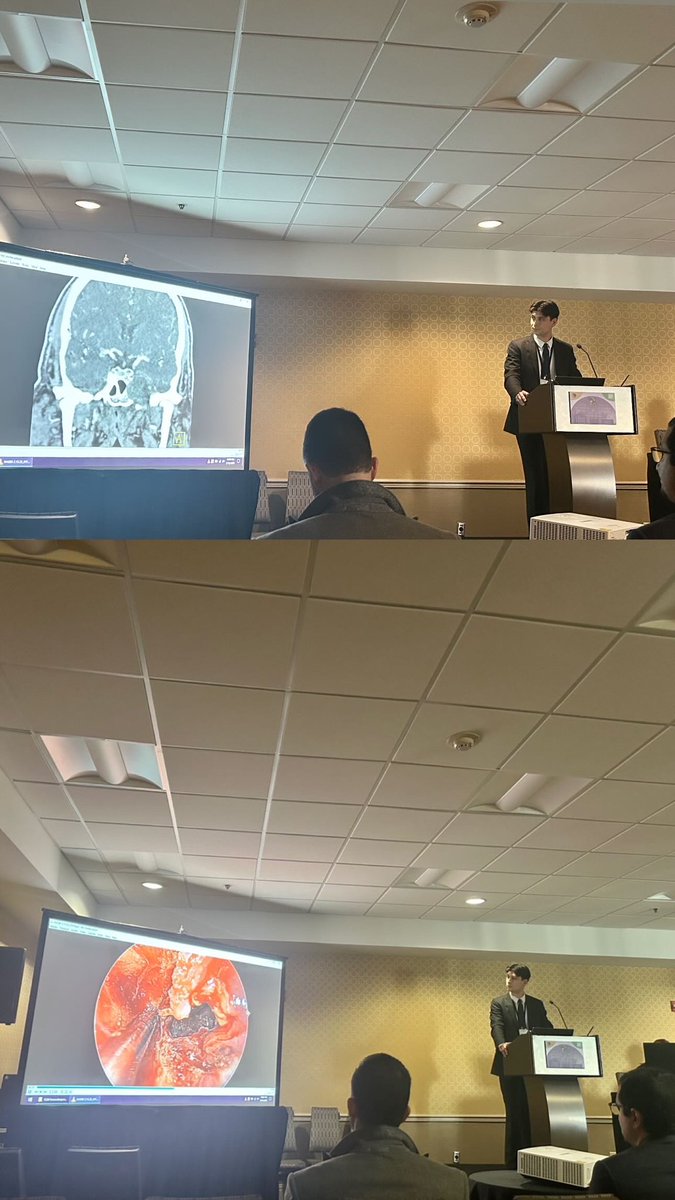
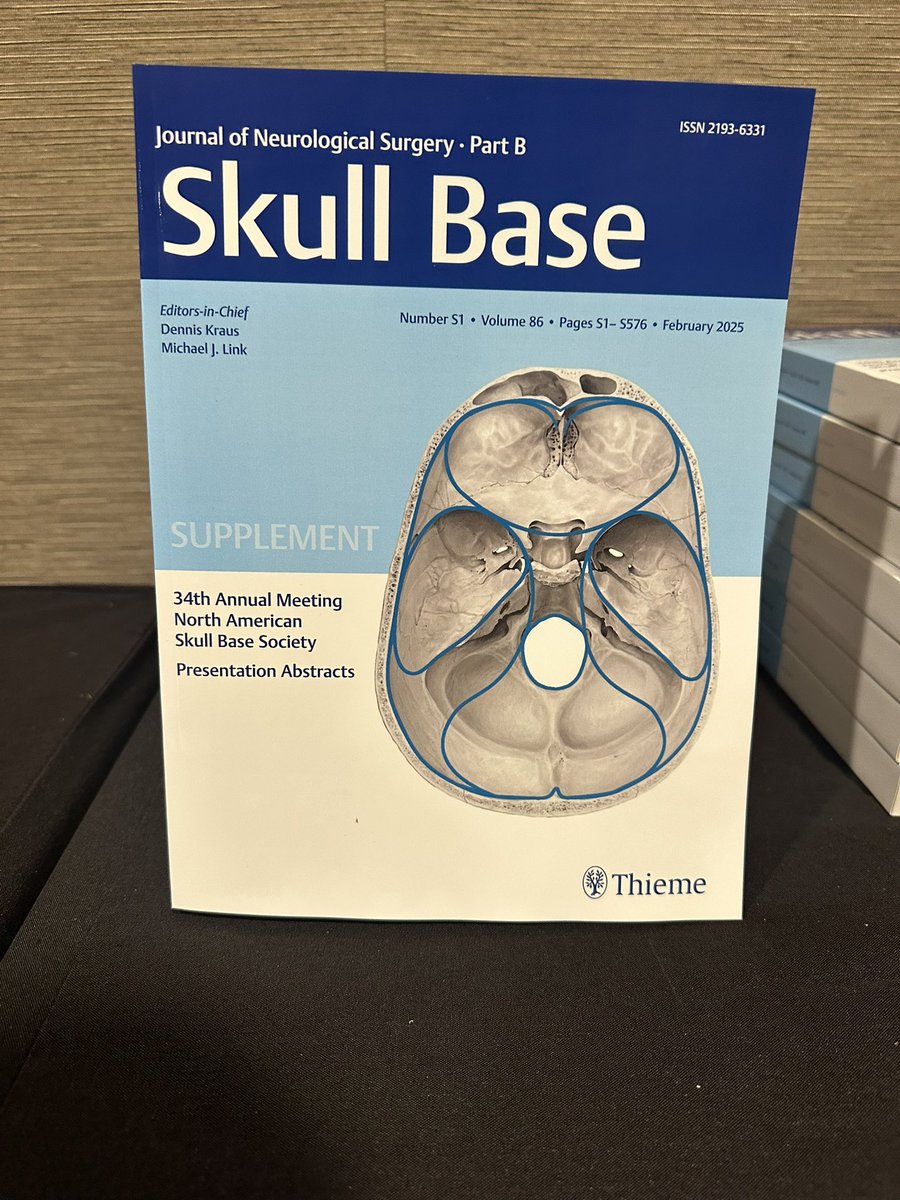
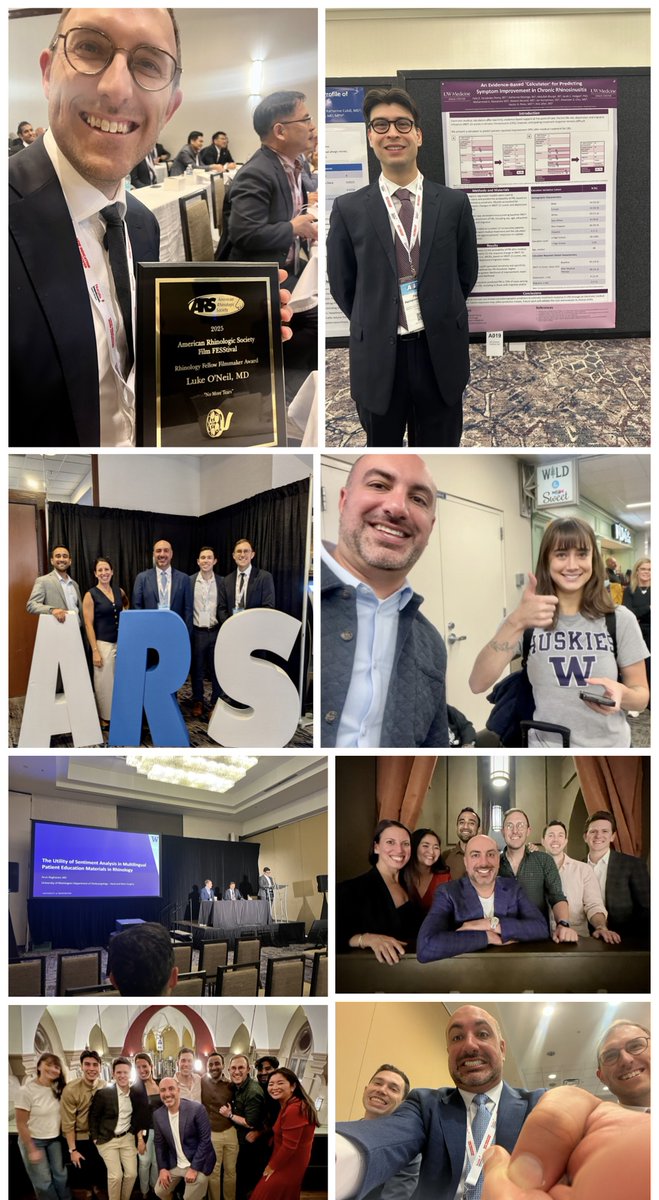
Still buzzing! 2 weeks, 3 meetings, 5 cities rich with learning and new and familiar faces.
Grateful to my mentors, collaborators, and peers, many of whom I’m lucky to call friends and who make this community so special. Humbled, energized and excited for the journey ahead!
New publication! 📄 Ability to Adjust Head Position in a 3D-Printed Flexible Nasolaryngoscopy Model Improves Fidelity and Trainee Experience.
Heartfelt thanks to my incredible @oto_uw and @seattlechildren mentors and senior authors.
https://t.co/Hnuy80Kcbg
Thrilled to share our new publication in IFAR on early recovery after endoscopic endonasal surgery! 📄✨
https://t.co/GkR6usa9rl
Proud of our medical student contributors — @felixfpenny, Katherine Mozingo, and Abdullah Bhurgri — whose dedication powered this project. The future of Rhinology research is bright with trainees like these. 👏 @oto_uw
Out now in IFAR, our study found modifiable predictors of PACU recovery and patient experience after outpatient sinus surgery:
💊 PO Tylenol in PACU → feel better short-term
💤 TIVA → shorter in PACU
👃 packing → longer in PACU
...and more!
https://t.co/XMGRHOPZPF
A terrific time had at @AmRhinoSociety Incredible talks, posters, and (*award-winning*) films representing the incredible @oto_uw Rhinology research group. Beaming with pride and grateful to work alongside such talented peers and mentors.
Big weekend for UW Rhinology at @AmRhinoSociety Meeting in Indy! Proud of our students, residents & fellows for incredible research and presentations — and thrilled that UW took home the 2025 ARS FilmFESStival Award! 🏆 @oto_uw
Here’s to the past, present & future of UW Rhinology!
Incredibly proud of this talented group! Looking forward to sharing our research and celebrating their accomplishments at @AmRhinoSociety in Indianapolis! 🎉
Introducing the 1,000 Flower Collection 🧬🌹
I’m creating 1,000 genetically designed flowers each crafted with new colors, patterns, and shapes.
Here’s how I’m making it happen… and how you can join me on this journey 🧵(1/7)
Auricle Issue 05-28-2025
Featuring Medical Student:
@felixfpenny
And his article:
"Patient Factors Influence Minimal Clinically Important Difference for the SNOT-22 in Medically Treated Chronic Rhinosinusitis"
& More! Full issue on our website - https://t.co/dWcc9XjLyr
Off the tails of an amazing @AmerLaryngoAssn meeting @__COSM, thrilled to share our latest publication, out now in The #Laryngoscope! Our novel FNL trainer provides auditory feedback, prompting biometric responses and enhancing technique. @oto_uw
https://t.co/NRgMUsfgob
Thrilled to be at @__COSM connecting with brilliant colleagues & sharing work — from proficiency metrics and head position in nasolaryngoscopy training, to aesthetic outcomes after sinus surgery — huge thanks and congratulations my amazing coauthors, teams, and mentors!
Does removing the piriform aperture affect cosmesis?
Our study on the Denker’s modification to medial maxillectomy found no negative impact on patient-reported aesthetic outcomes.
@AmRhinoSociety meeting #COSM2025 in NOLA. Bravo MS1 Katherine Mozingo & MS3 @felixfpenny! @oto_uw
Our group's latest, out now in the May issue of @ifar_journal: "Patient Factors Influence Minimal Clinically Important Difference for the SNOT-22 in Medically Treated Chronic Rhinosinusitis"
📄 Full text: https://t.co/6n1eJVcEzQ
Key finding: MCID values for the SNOT-22 are meaningfully influenced by patient sociodemographic factors (gender, ed. level) and comorbidities (depression, migraine).
Implication: a one-size-fits-all threshold may not accurately reflect individual patient experience.