I'm 27.
When I was young I wasted years of my life partying with zero direction...
But then I found a rare document which revealed Pablo Escobar's 17 strategies for success.
Here's what I found:
Investing in land around Nairobi offers great appreciation potential. Consider growth, accessibility, amenities, and developments to make an informed choice. Get started with a 50*100 plot 1.5 km off tarmac for only 750K. Book a visit Now at 0700111143 or https://t.co/NZCQcLHJjD
Why free trade could be meaningless without the free movement of people in Africa.
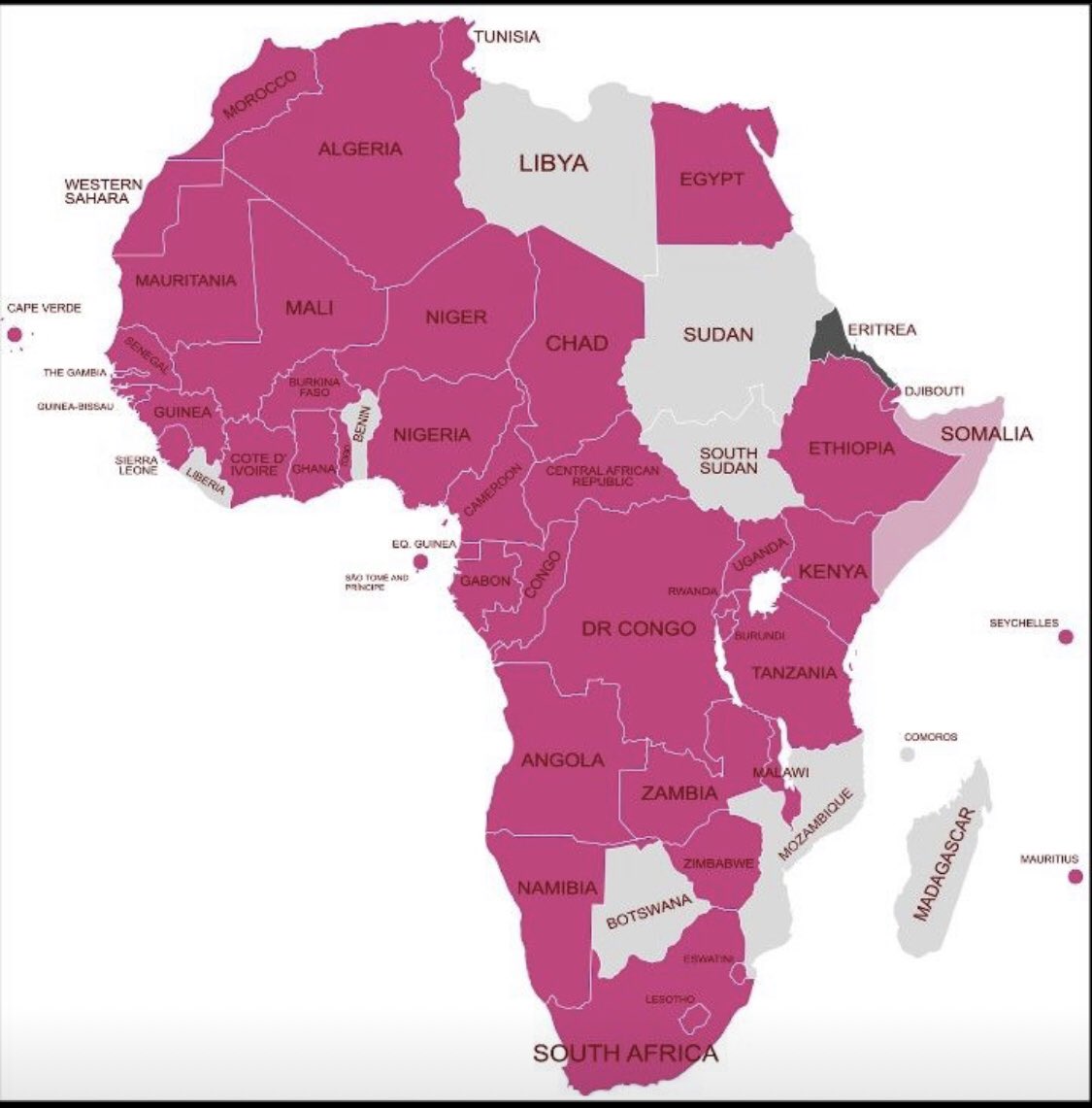
1. When the African Continental Free Trade Area (AfCFTA) became operational in July 2020, many Africans had shown enthusiasm for its success.
2. The goal of the pact is to increase intra-African trade through the removal of trade barriers that leads to a common continental market. The free movement of labour is also a key element of the pact.
3. This notwithstanding, recent policies and posture of some governments in respect of migrants and the freedom of movement of labour across borders seem to undercut the goals and ambitions of AfCFTA.
4. Anything new?
5. The decades that preceded the coming into force of AfCFTA was characterized by restricted movement of labour between and among African states. This had been the results of hyper-national security policies of states and the protection of domestic economic space.
6. At some point it was much easier for Africans to travel to Europe than move to other African states.
7. In late 1969 Ghana expelled many of its inhabitants who were nationals of neighbouring West African states. These people who had migrated to the country as a result of its economic successes in the 1950s and 1960s were given short notice to leave. The country blamed its economic challenges in the late 1960s and early 70s on migrants.
8. Among these were many Nigerians. In the early 1980s, Nigeria reciprocated by expelling hundreds of thousands of Ghanaians. In the infamous “Ghana Must Go”, many people including my own mother were forced out of the country.
9. In recent times, xenophobic attacks and statements against African migrants in African states as well as anti-migration policies pose serious challenges to AfCFTA’s objective of ensuring free movement of people.
10. The recent legal battle between the South African government and Zimbabwean migrants, and the xenophobic statements from the Tunisian government about migrants from Sub-Saharan Africa are examples.
11. This trend undermines the future of AfCFTA as free movement of labour is an integral part of free trade that is geared towards a common market.
12. Admittedly, the disparities between African economies could make better performing economies targets for migrants. However, outright prevention and use of strong language against migrants are not encouraging to the realisation of continental economic goals.
13. The expanding youthful population in Africa and improving access to education is producing huge pools of skills that need to be given freedom to move within the continent. When prevented, they may be forced to move out of the continent. That would not be good for AfCFTA.
Written by: Fidel Amakye Owusu