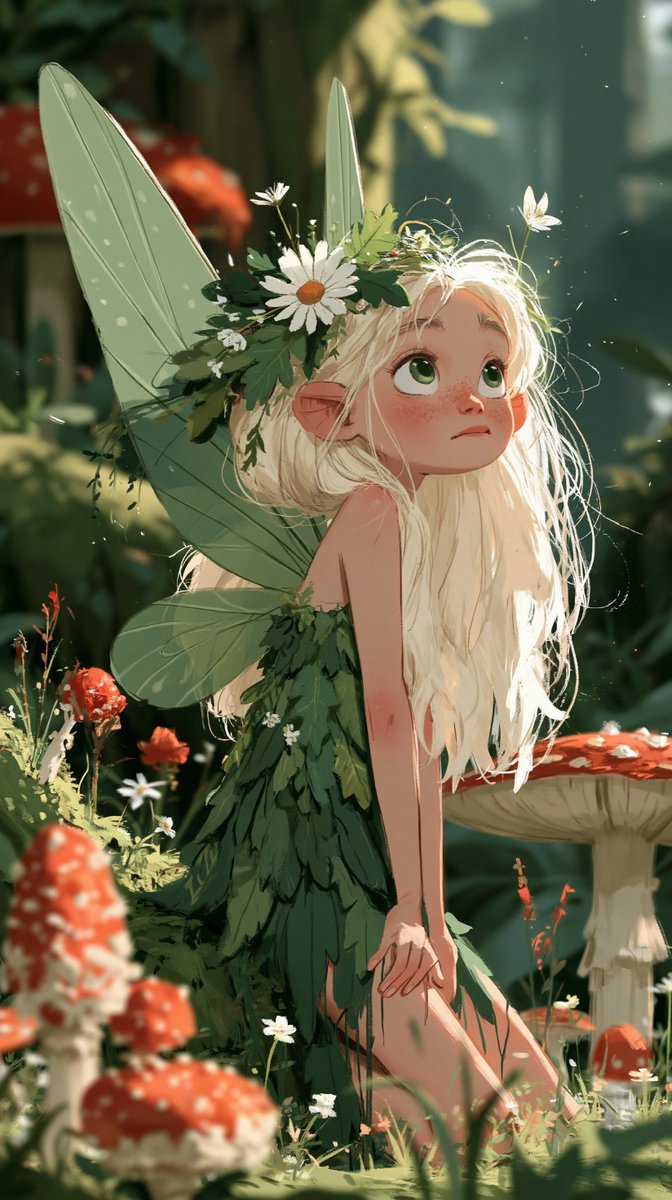
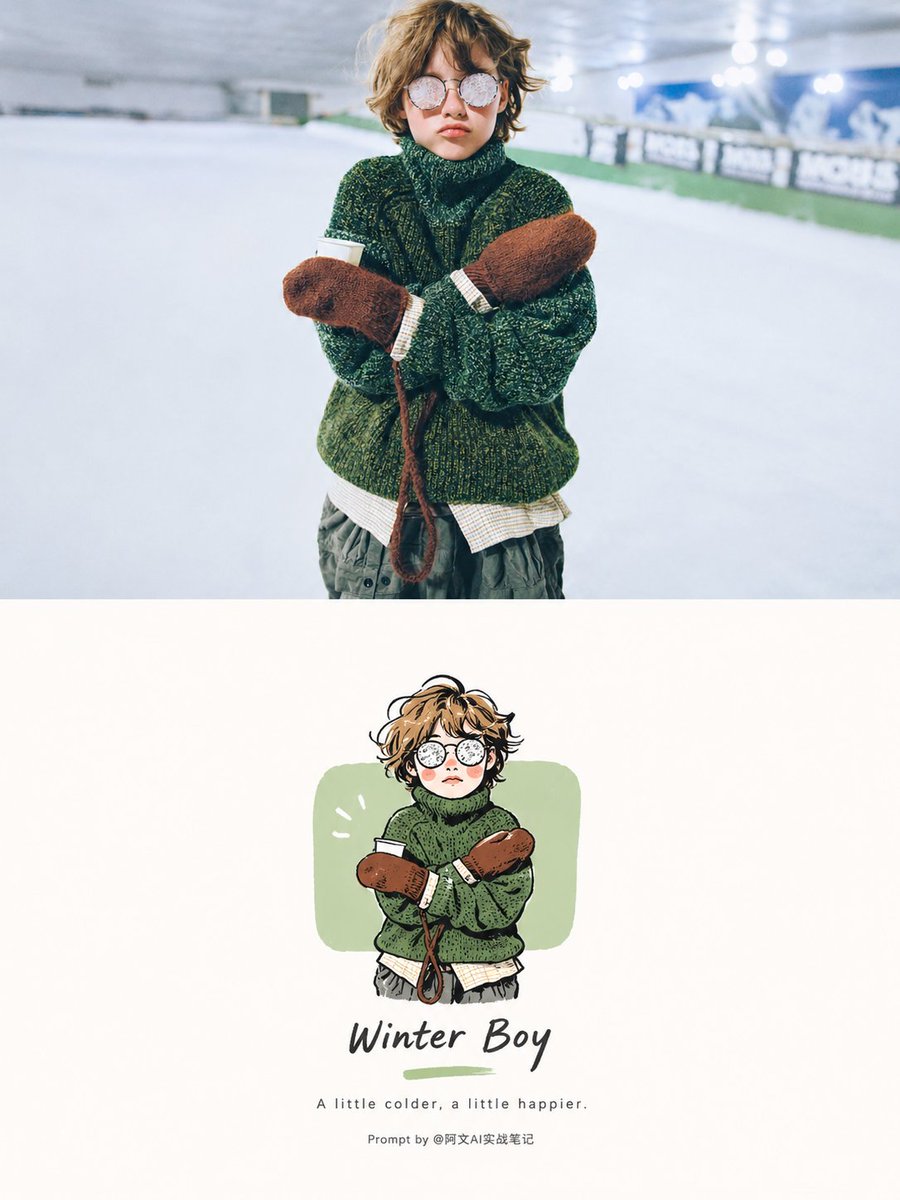
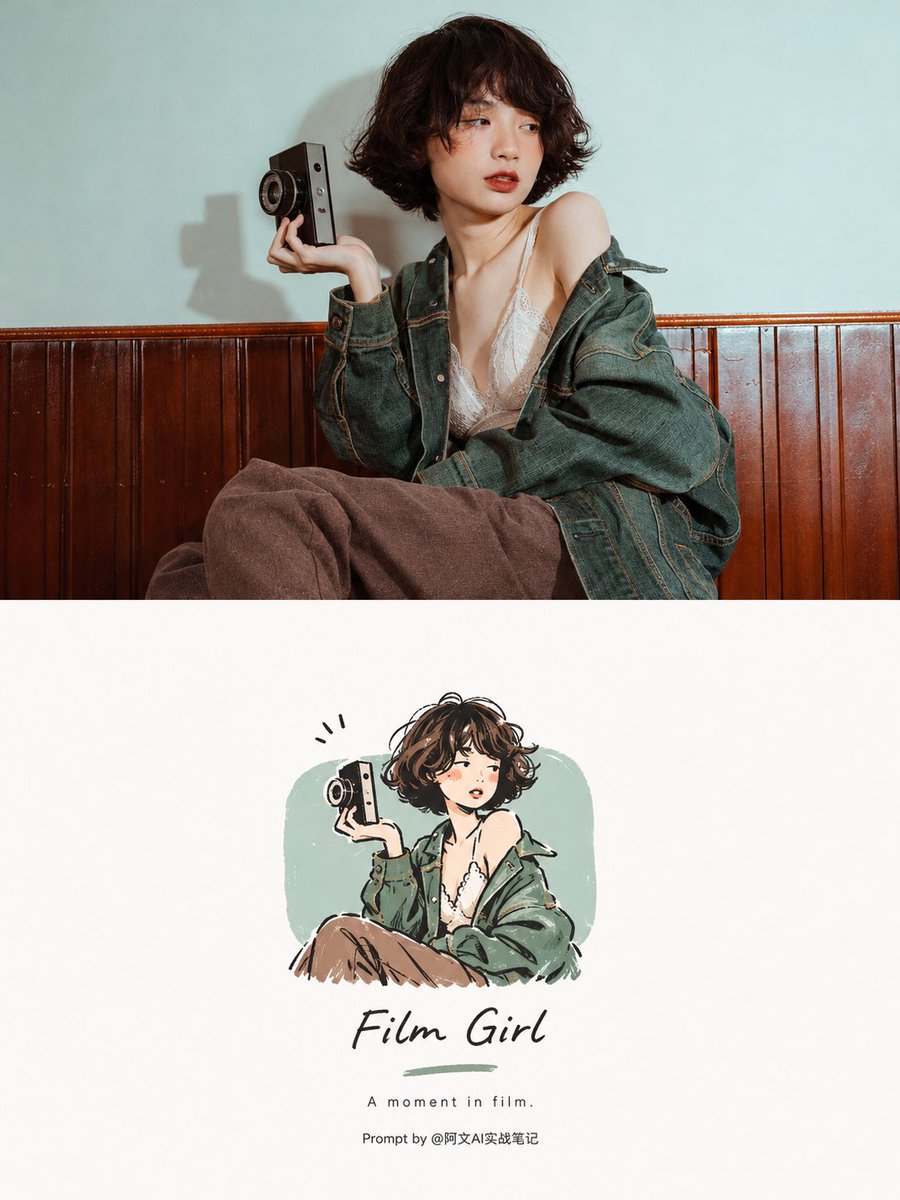
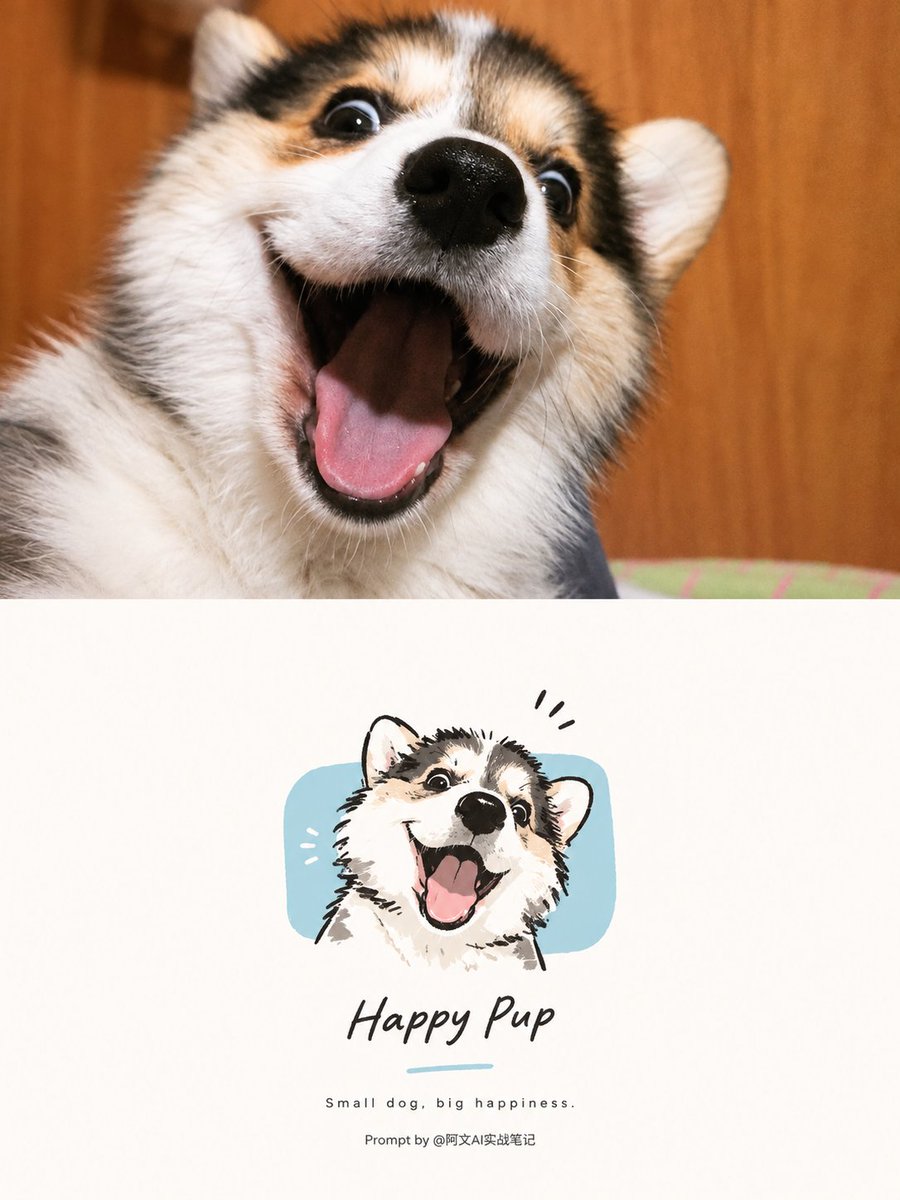
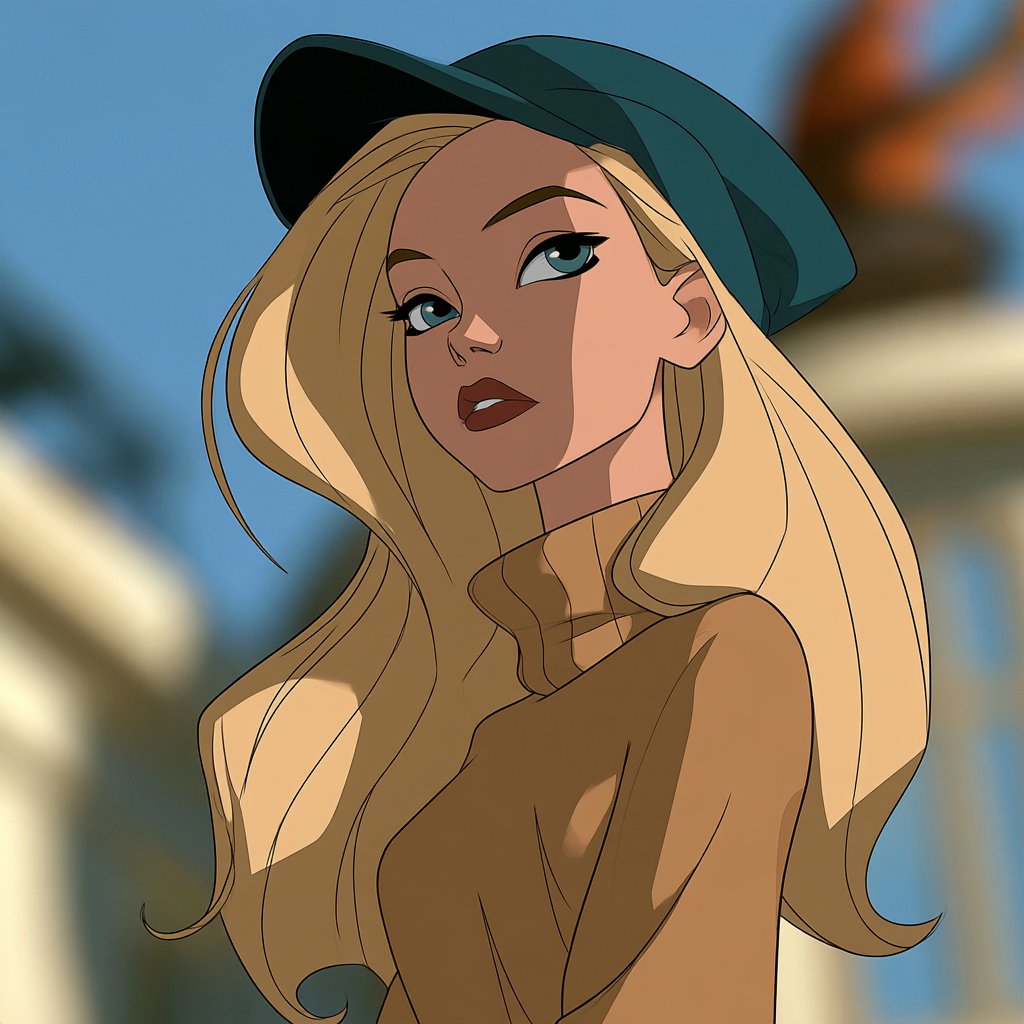
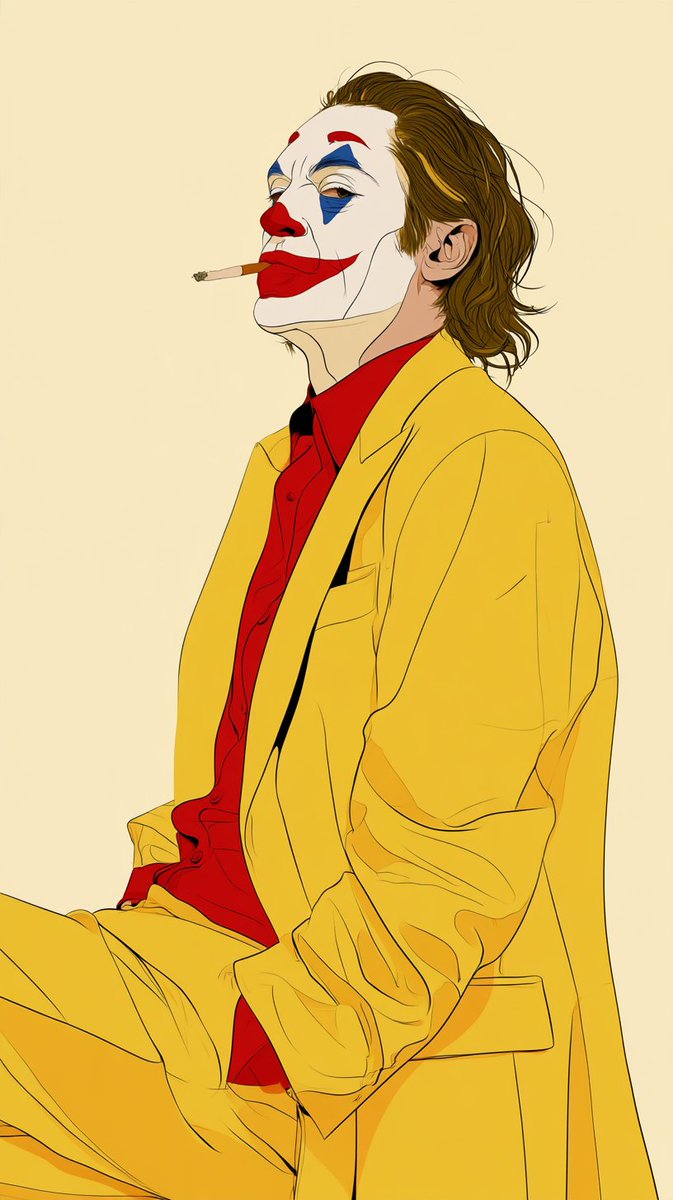
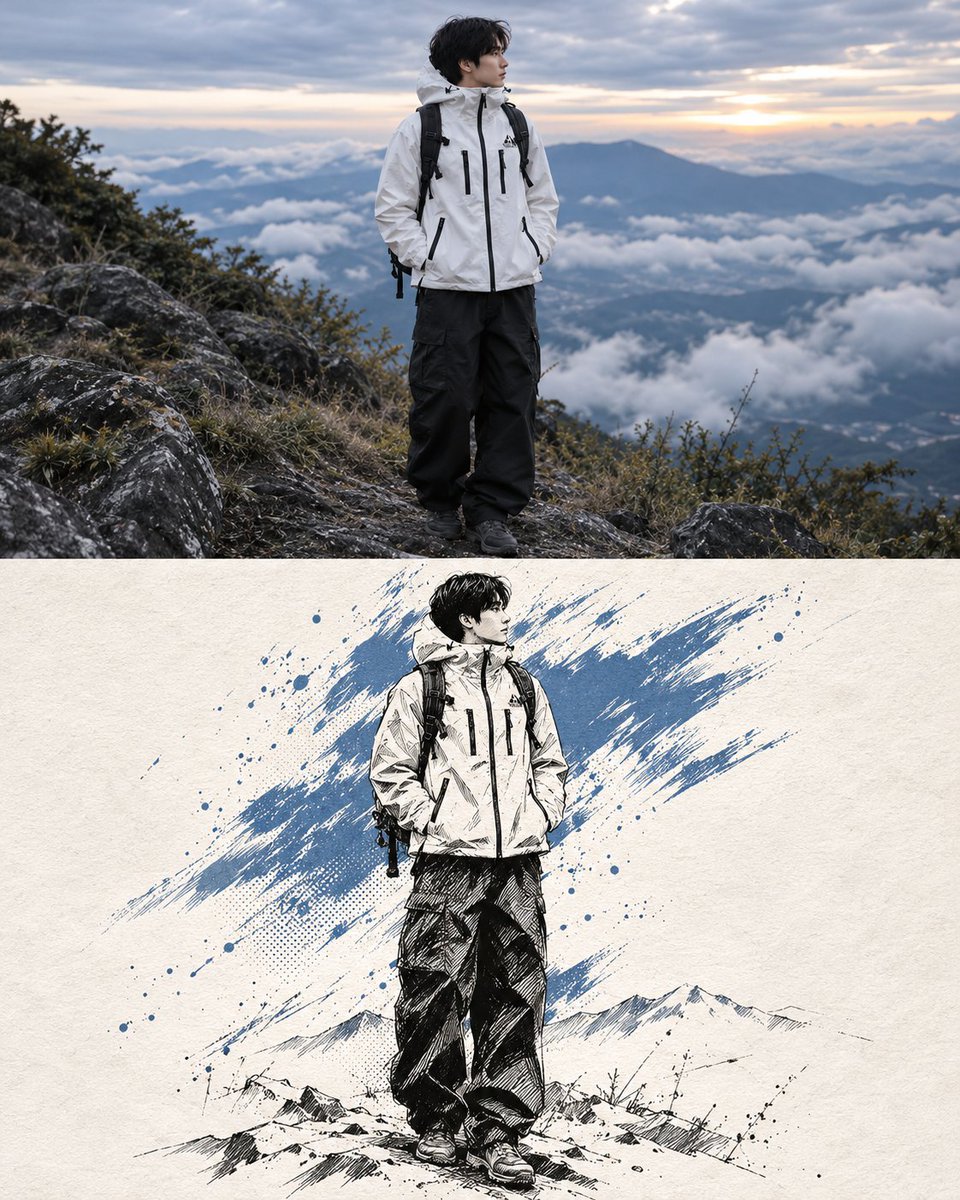
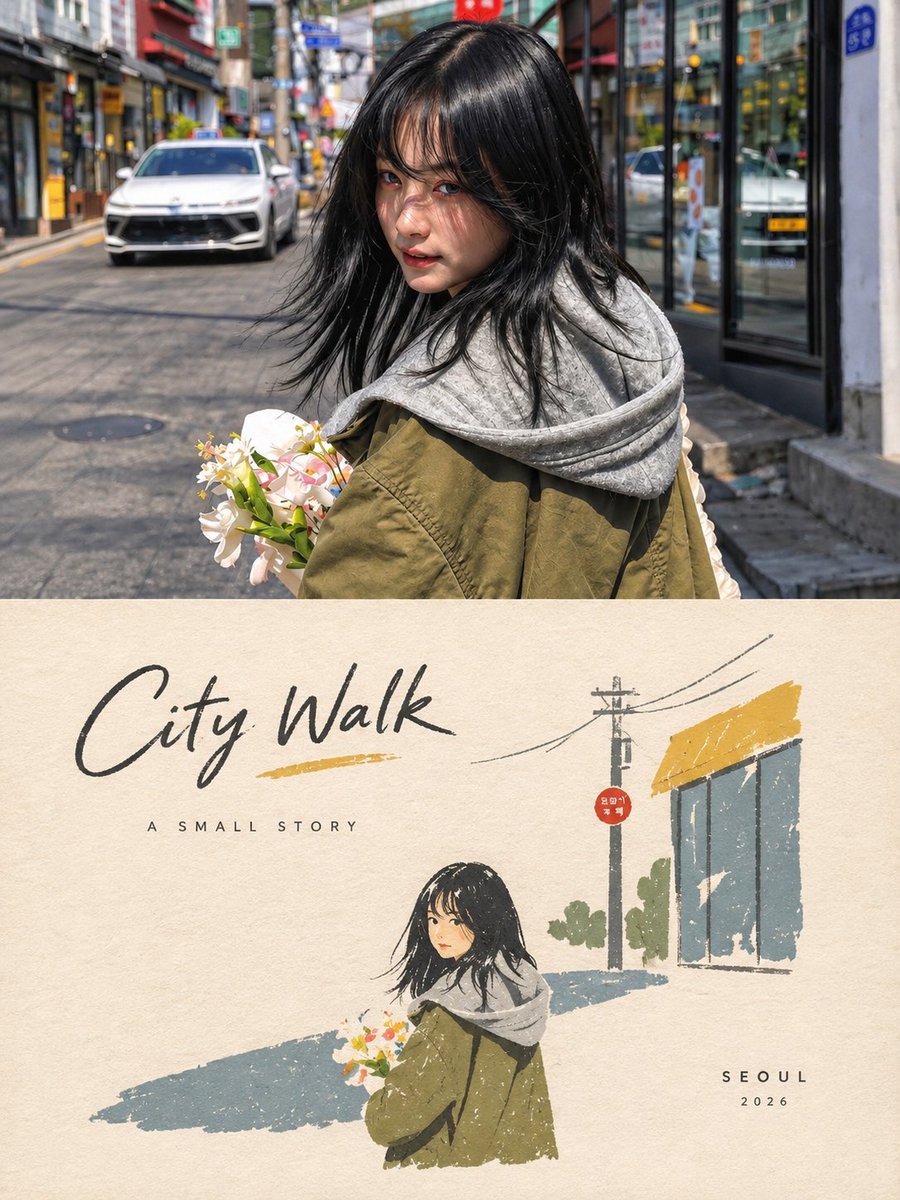
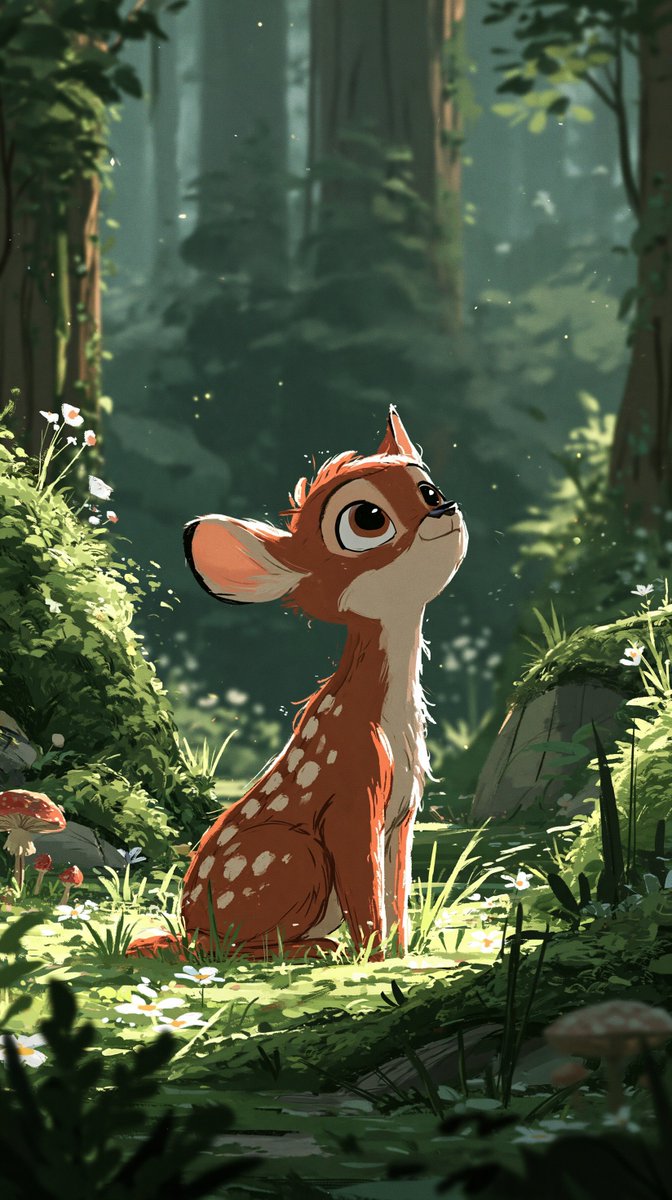
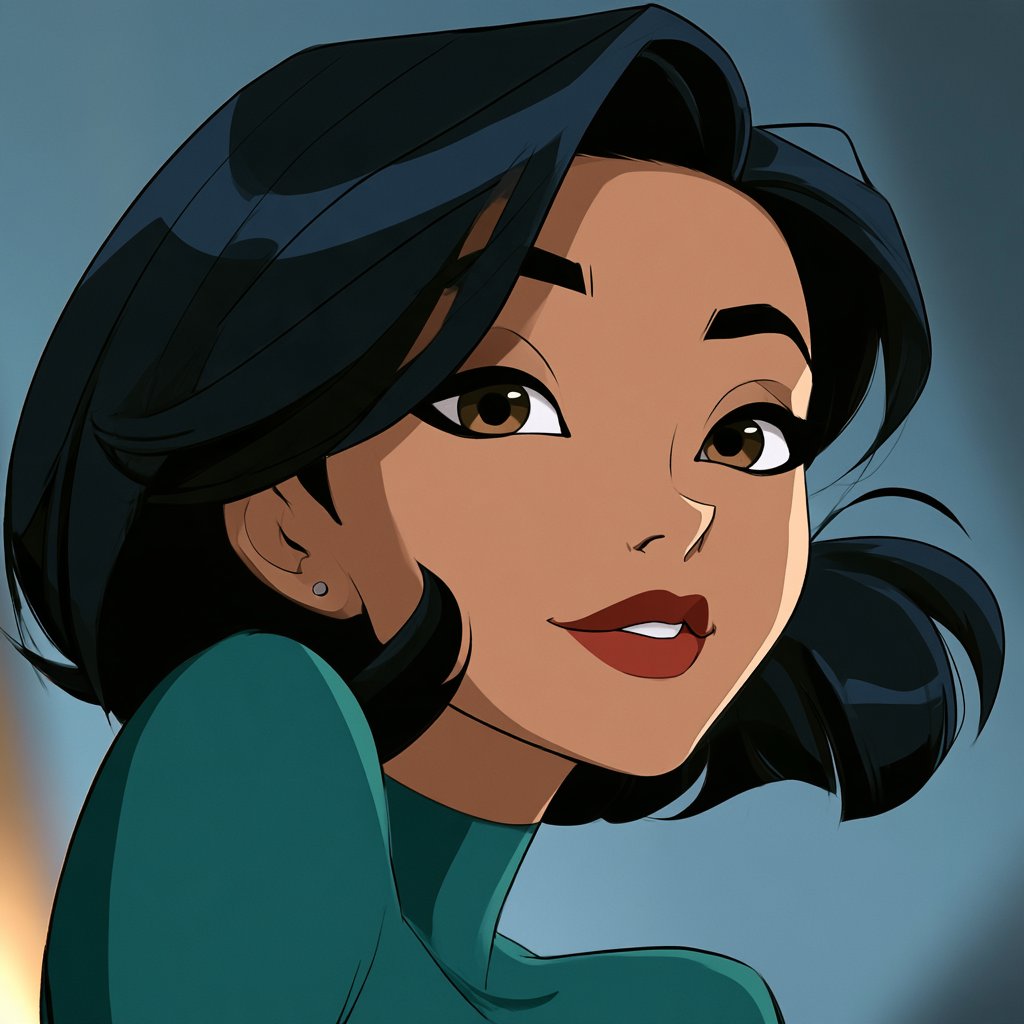
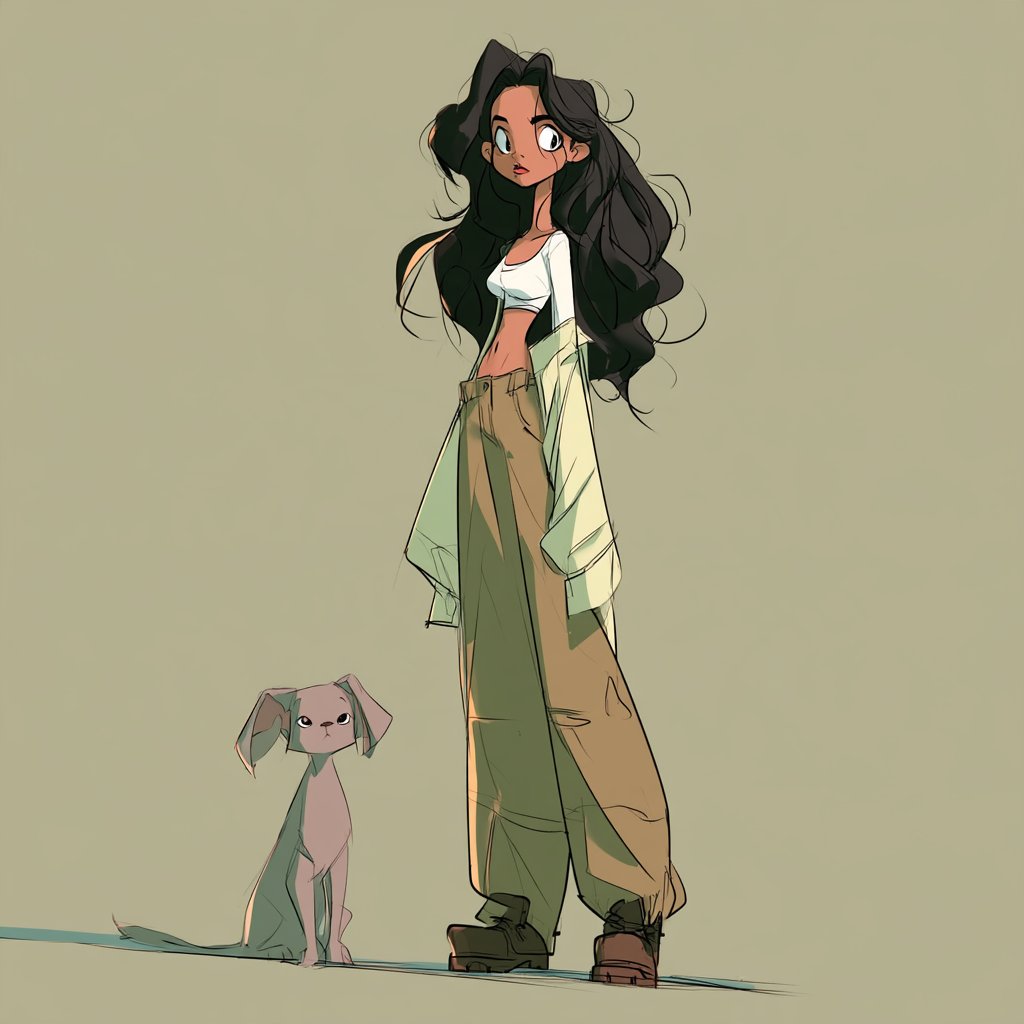
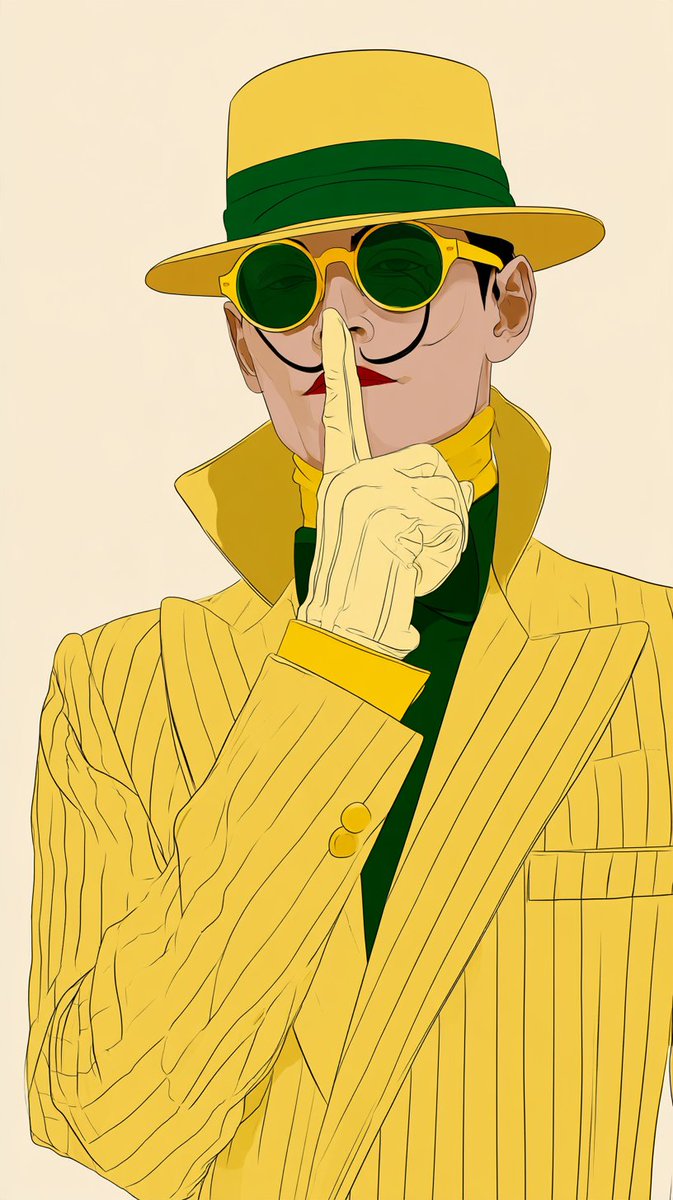
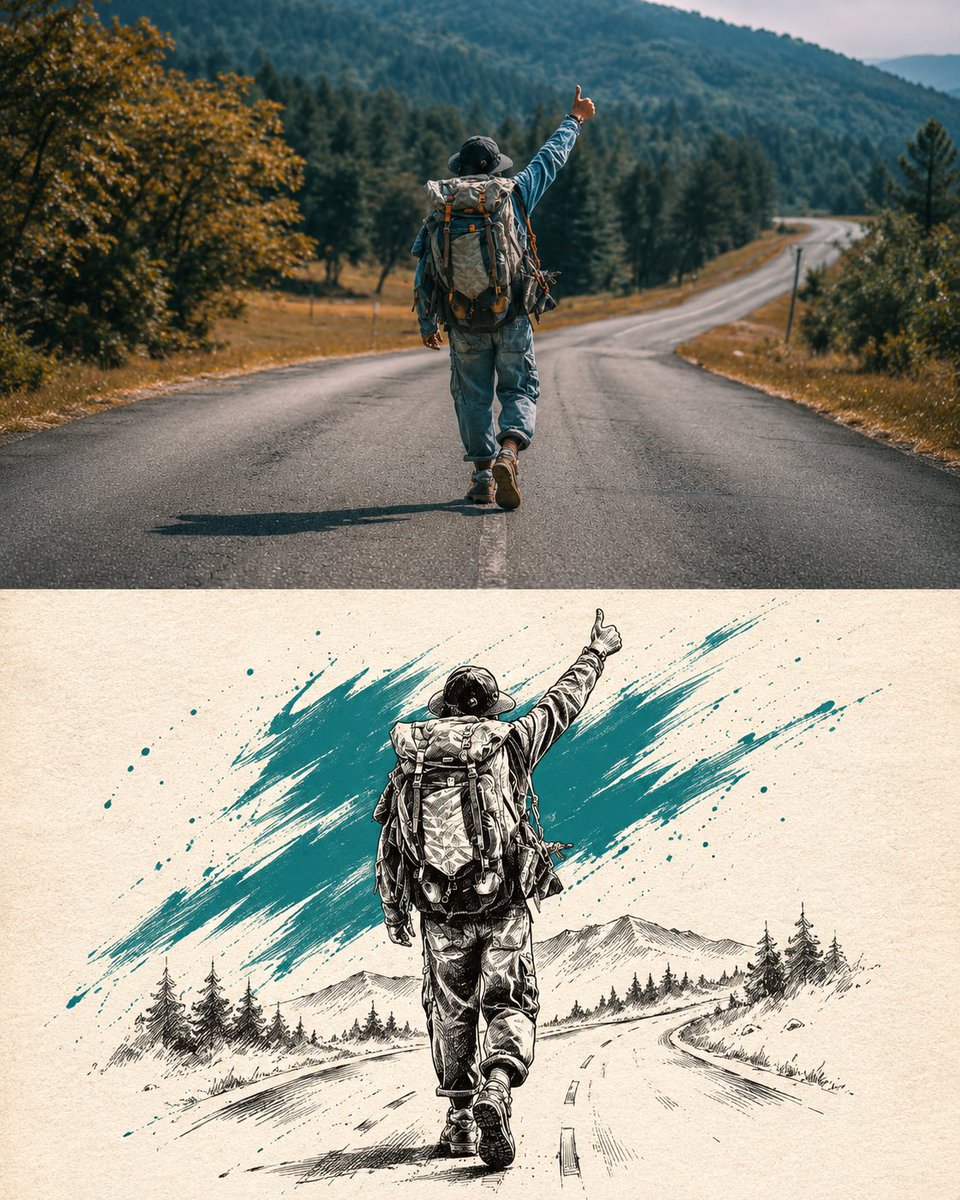
Turning a simple photo into a little piece of art. Love this editorial poster style
Made with GPT Image 2.5
Prompt:
Transform the uploaded photos into an individual, high-end design poster. Do not combine multiple images; output each photo as a separate, standalone piece. Use a vertical {argument name="aspect ratio" default="3:4"} format, with the upper and lower sections divided strictly 1:1, each occupying 50% of the total composition.
The upper section should retain the original photograph—preserving its core structure, authentic texture, natural lighting, and original color atmosphere—while applying subtle, high-end photographic color grading to evoke the aesthetic of magazine photography or art publications. To fit the frame, you may naturally extend the sky, ground, or environmental background, provided that the main subject remains undistorted and unaltered.
The lower section should distill the most recognizable elements of the subject—its silhouette, posture, and narrative context—into a minimalist, hand-drawn, paper-textured cover illustration. Strip away complex details, retaining only the most essential visual features. Use delicate, slightly unsteady hand-drawn lines combined with a few distinct, flat-applied acrylic color blocks to represent the subject, ensuring it remains instantly identifiable. The subject should be small and concentrated—occupying approximately {argument name="subject proportion" default="10%–20%"} of the lower section—surrounded by ample negative space. The background should resemble rough or light-colored paper, with only minimal lines or color planes to suggest the environment.
The color palette should be derived from the original photo and condensed into no more than four primary colors. These color blocks should be bold, solid, and restrained, incorporating textures like paper grain, visible brushstrokes, and slightly irregular edges. Lines should define the structure, while color blocks should establish the subject. Avoid styles such as colored pencil, crayon, watercolor washes, pure line art, complex realism, heavy oil-painting textures, slick digital illustrations, or 3D-rendered effects.
You may incorporate a small amount of concise text—such as titles, keywords, subject names, locations, years, serial numbers, or short phrases—tailored to the content of each photo (not limited to urban themes). The typography should be sparse and restrained, blending naturally with the negative space and illustration to evoke the aesthetic of an art book cover, an independent publication, or a children’s picture book. The overall visual aesthetic features small subjects, ample negative space, a high degree of distillation, and strong recognizability. It conveys a sense of tranquility, childlike charm, and ease—evoking a poetic, sophisticated quality while steering clear of the look typical of commercial cartoons, e-commerce imagery, or generic templates.
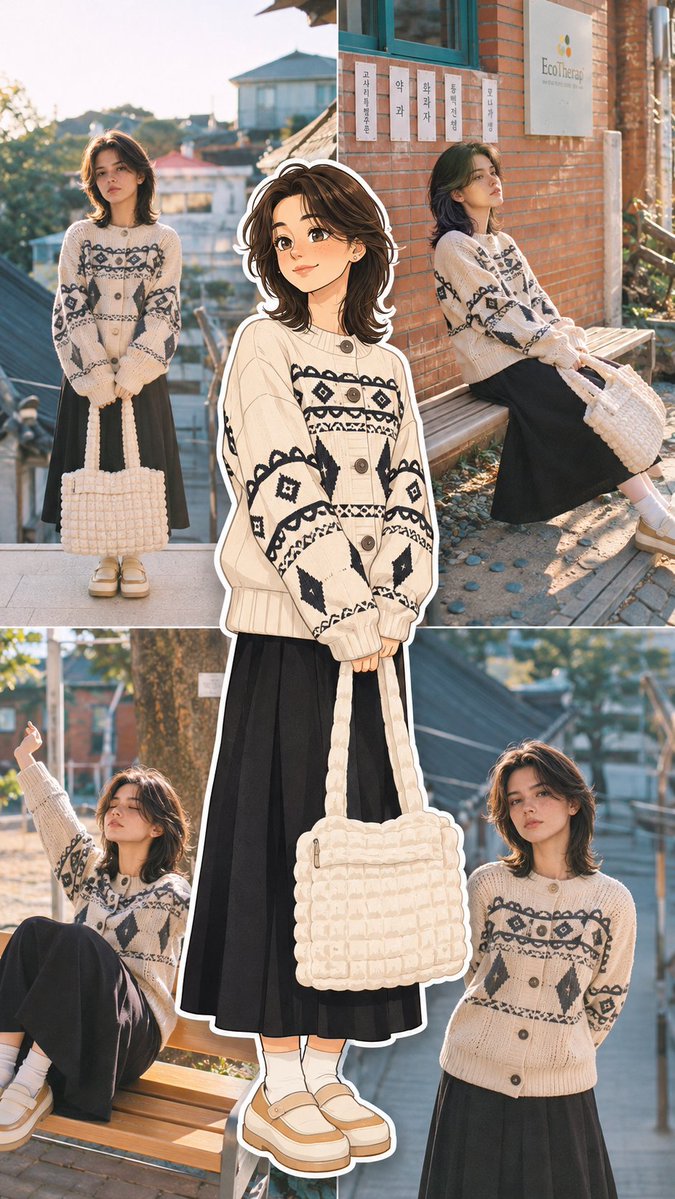
Turn your photos into a cute aesthetic collage with a matching anime-style character with GPT Image 2.5
Prompt
Create a vertical 9:16 photorealistic aesthetic collage using the uploaded reference image as the layout guide.
Main Concept:
A stylish character collage featuring the same young woman appearing in five different scenes. Arrange four realistic photographs in a 2×2 collage background, with one large illustrated cartoon version of the woman standing in the center.
Character Consistency:
Use the same person's face, hairstyle, facial features, and skin tone across all five appearances. The central character should be a cute 2D anime-style illustration with large expressive eyes, a gentle smile, clean outlines, and a thick white sticker border.
Outfit:
A cream-colored oversized knitted cardigan with black geometric patterns and buttons, a long black skirt, white socks, beige sandals, and a cream woven shoulder tote bag. Keep the outfit identical in every scene.
Background Scenes:
1. Standing outdoors on a sunny rooftop terrace, holding the woven tote bag.
2. Sitting sideways on a wooden bench beside a brick building.
3. Sitting casually on a wooden bench, raising one hand.
4. Standing near a traditional Korean-style rooftop with a gentle smile.
Central Character:
A full-body cartoon illustration in the exact same outfit, standing naturally while holding the woven tote bag. Place her prominently over the four background photographs with a thick white die-cut sticker outline.
Visual Style:
Soft golden-hour sunlight, warm film photography, pastel tones, dreamy atmosphere, natural shadows, subtle vintage aesthetic, realistic photography combined with cute anime illustration.
Important:
Preserve the original collage composition, clothing, accessories, poses, and background details. Maintain consistent facial identity across every appearance. High-quality details, clean composition, vertical 9:16 aspect ratio.
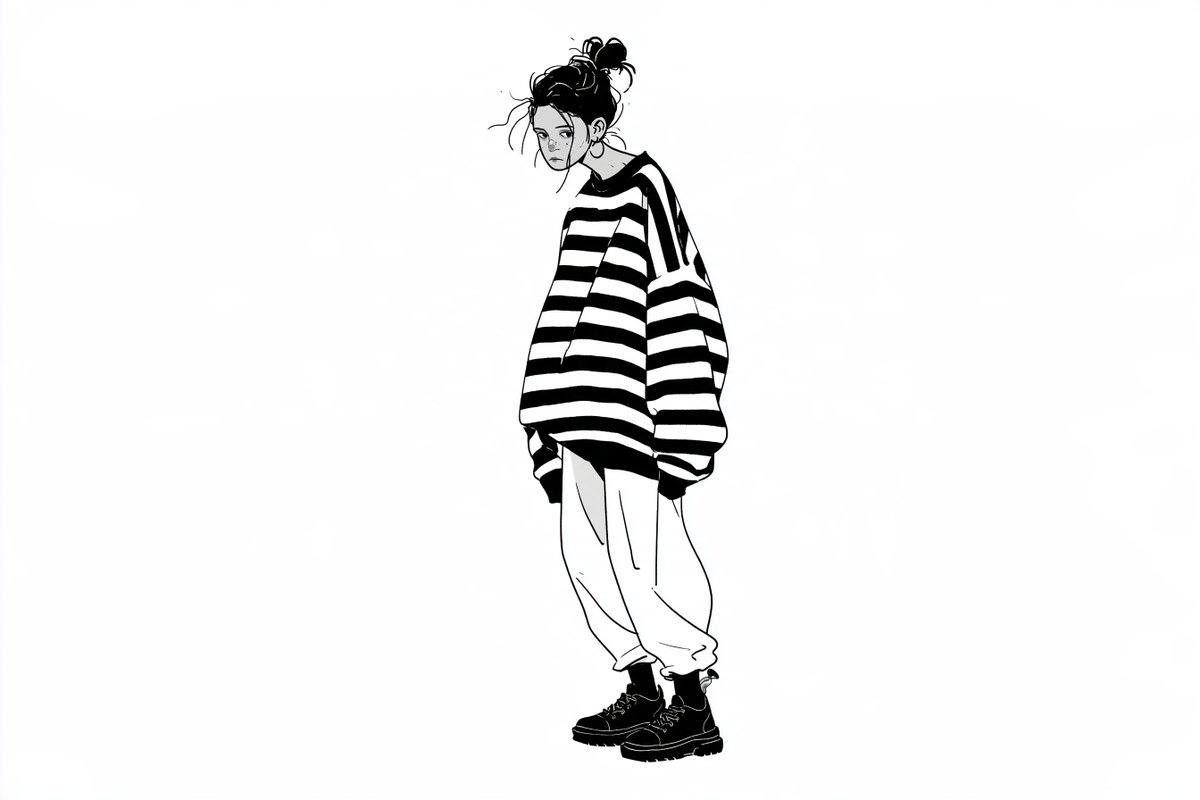
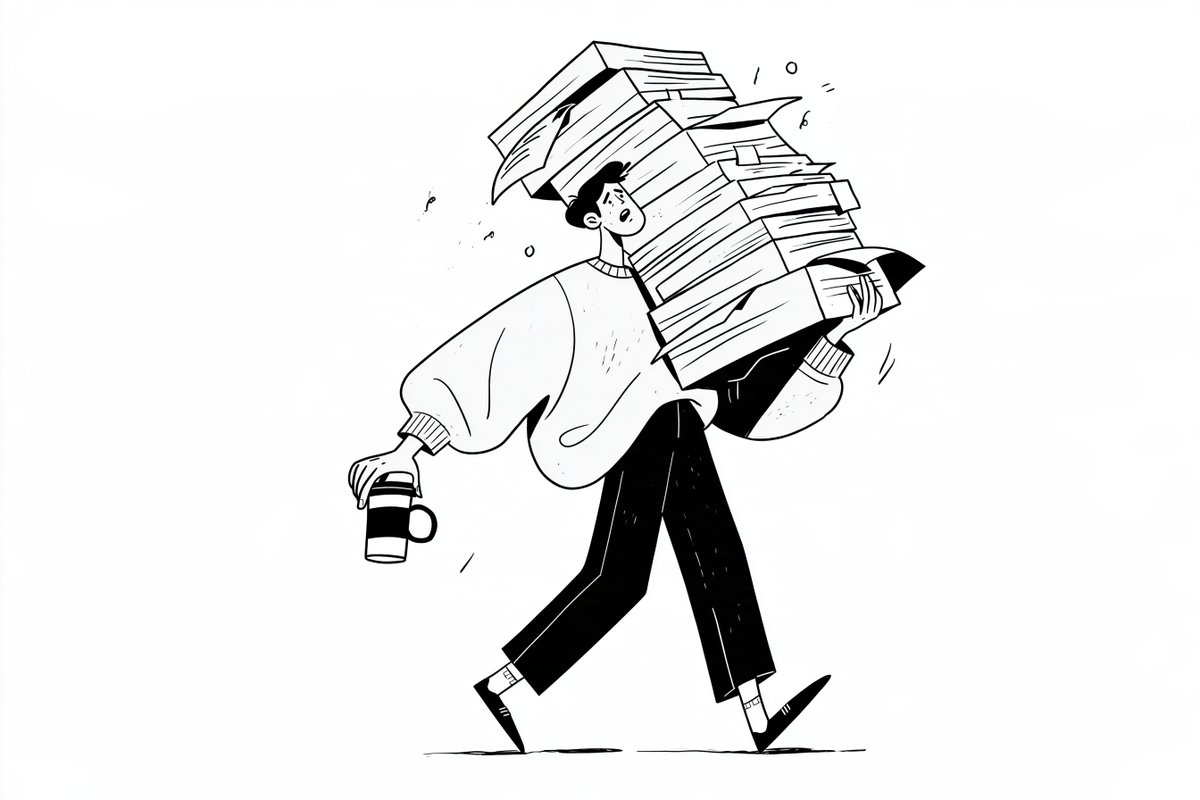
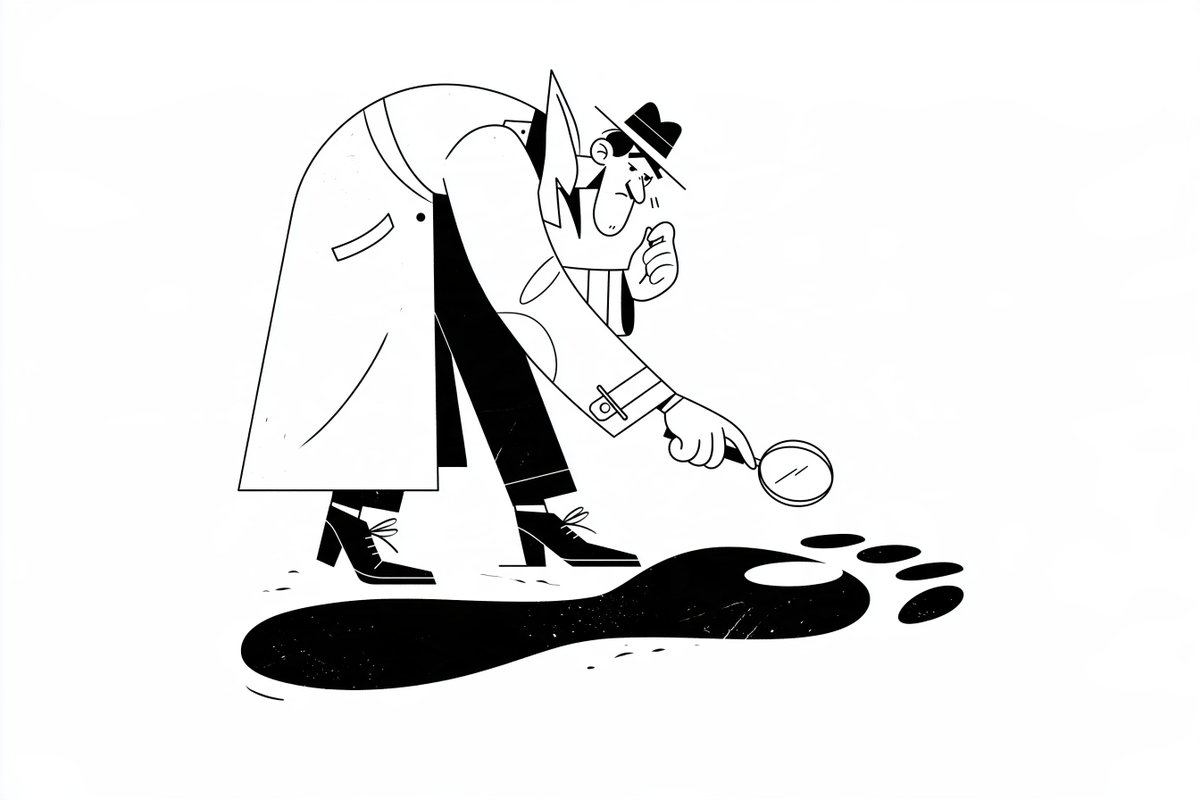
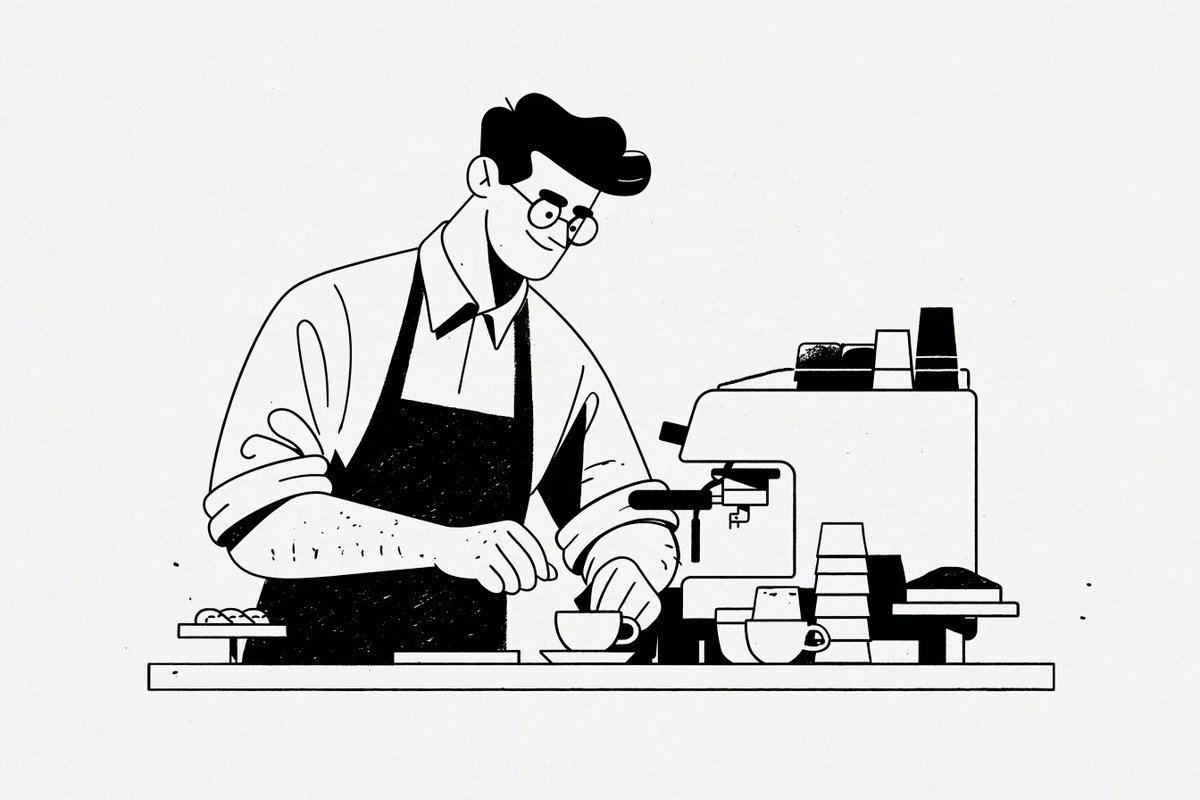
Prompt share: Notion Minimalist Character Illustration
💬Prompt:
A minimalist black-and-white editorial illustration of [subject], wearing [outfit], [performing action], with [facial expression], expressive body language, clean hand-drawn outlines, simplified geometric shapes, flat monochrome fills, subtle whimsical details, Notion-inspired illustration style, modern vector aesthetic, balanced composition, clean white background
Try it and share your art ✨
Perpanjang SIM paling mudah, murah, cepat dan gak perlu cuti kerja.
1. download aplikasi Digital Korlantas Polri (bisa dari ios/android)
2. lalu daftar dulu ya ges, pastikan ada pulsa ya. kalau gak coba dlu aja daftar, siapa tau OTPnya dikirim ke WhatsApp.
3. daftarnya perlu verifikasi muka juga, pastikan kamera depan hpnya berfungsi ya
4. kalau udah berhasil, nanti pilih opsi SIM
Lanjut bawah 👇
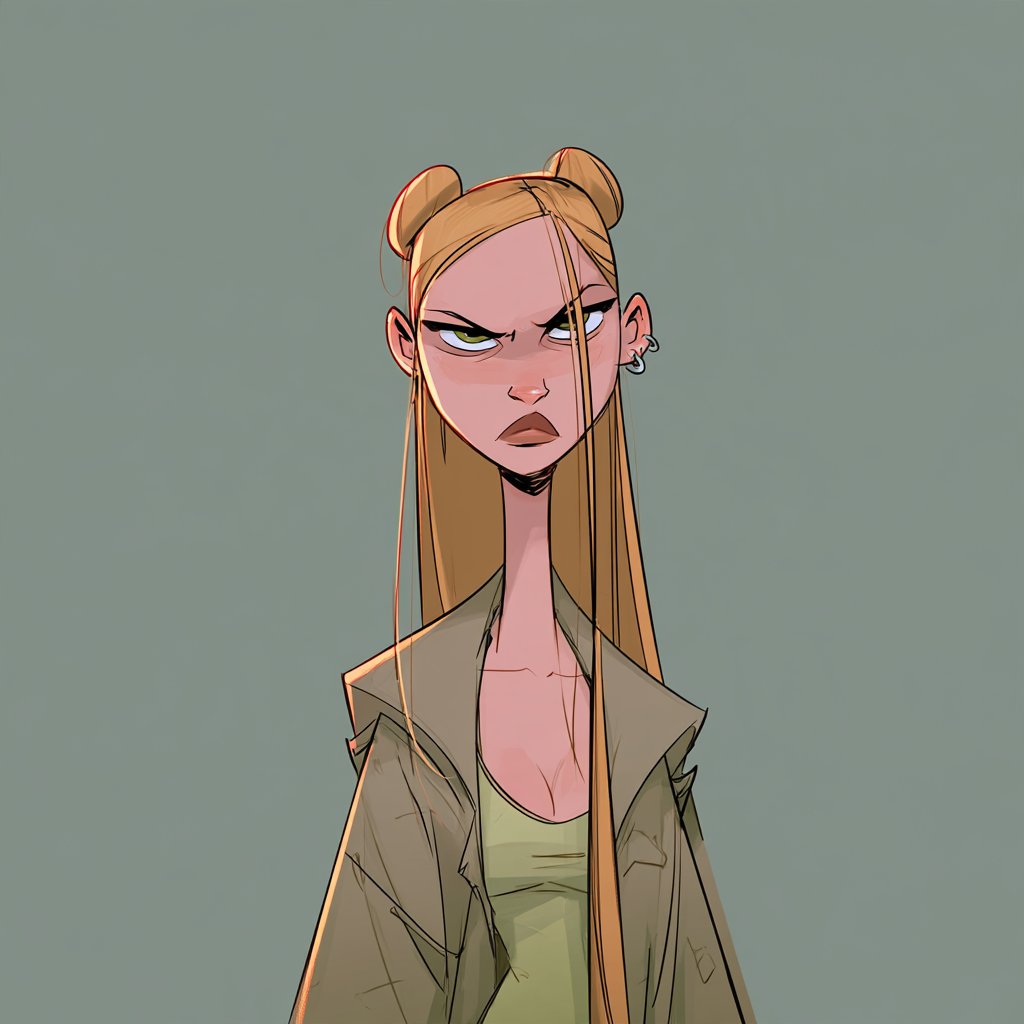
Loving this expressive, sketchy cartoon style I found in Midjourney:
--sref 2579190895
Rough linework, muted colors, exaggerated expressions, and that beautiful unfinished look.
GPT Image 2.5
Prompt:
img1. Everything in the result comes from here — the person, their face, hair, body, pose, clothing, equipment and setting.
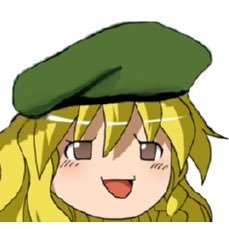
img2= THE STYLE REFERENCE. Use this ONLY as inspiration for the artistic technique: the ink linework, the hatching and halftone shading, the rough accent-colour brush strokes and splatters, the paper background and the overall graphic treatment.
Do NOT take the person, face, body, pose, clothing, objects, setting or accent colour from @image2. Nothing visible in @upload-1793347670928-cpgnoei may appear in the result — it is a look, not content.
OUTPUT: one single unified image, 4:5 vertical, split into two panels of exactly equal height — 50% top, 50% bottom — divided by one clean straight horizontal edge. Not a collage.
TOP PANEL — BEFORE: the photograph @upload-1793347676165-hgzb72w exactly as provided, unedited apart from a subtle grade. Crop intelligently to fill the landscape panel edge to edge without distorting the subject, keeping the face and the main action clearly visible. Full bleed, no margins, no border.
BOTTOM PANEL — AFTER: the same subject transformed into a mixed-media ink and paint illustration on textured off-white paper, in the artistic style of @image2.
Nothing runs continuously across the dividing edge — the two panels are separate images of the same subject, not one picture with its lower half stylised.
THE SUBJECT IN THE LOWER PANEL
Keep the subject clearly recognisable — the same face, features, expression, hairstyle, body proportions, pose and gesture, and the same clothing and equipment. Keep anything they are riding, holding or playing rendered in full detail.
Redraw them entirely in BLACK INK: confident varied-weight contour lines, dense cross-hatching in the shadows, bold solid black fills in the darkest areas, and halftone dot patterns for the mid-tones. Faces are drawn with finer, more restrained linework so the likeness stays clear; clothing, hair and hard surfaces carry the heavier hatching and black fills. Render mechanical detail precisely where it exists — spokes, frames, strings, hardware, laces, stitching — in clean ink line.
THE ACCENT COLOUR
Identify the single most dominant or meaningful colour in @upload-1793347676165-hgzb72w — a red garment, a blue sky, a yellow jacket — and make it the ONE accent colour. Do not copy the accent colour from @image2; take it from the subject photo. Everything else is strictly black and white.
Apply it as rough, energetic PAINT: wide dry-brush strokes slashing diagonally behind and across the subject, torn-edged patches, hard-edged streaks, and scattered splatters, flecks and droplets flung outward. The strokes are gestural and imperfect, with visible brush texture and dry gaps where the bristles skipped.
Let the accent fill whatever actually carried that colour in @image1, but let it break out of those shapes into loose strokes beyond their edges. Cluster the colour mass behind one side of the subject so it reads as a burst of energy, thinning out toward the opposite side.
THE BACKGROUND OF THE LOWER PANEL
Delete the original background almost entirely. Bare off-white paper with a faint natural grain — no scene, no sky, no architecture, no crowd.
Keep only a few simplified sketched elements from @image1's setting, drawn small, loose and incomplete near the base of the figure — a suggestion of ground, a ramp, a stage edge, a few distant figures — fading into the paper with no hard boundary.
FINISH
The subject's outer edges dissolve into brush strokes, hatching and splatters rather than ending in a clean outline. Scatter loose ink flecks, drips and spray marks around the figure, heaviest near the accent colour. Leave generous empty paper around everything.
High contrast, graphic and bold — a hand-made screenprint or ink-and-wash poster, not a digital filter.
Avoid: unequal panel heights, a visible gap or border between panels, a side-by-side layout, the lower panel continuing the upper photo, a subject sliced across the dividing edge, mismatched subjects between panels, the person or accent colour from @image2, photorealism in the lower panel, a photographic background, a full detailed scene, grey airbrushed shading, soft gradients, a clean vector look, smooth flat fills, more than one accent colour, a clean cut-out silhouette, a hard outline around the figure, a changed face, a different person, an altered outfit, a changed pose, text, logos, watermark.
Run at high edit strength (0.8+). Upload @upload-1793347676165-hgzb72w first and @upload-1793347670928-cpgnoei second.