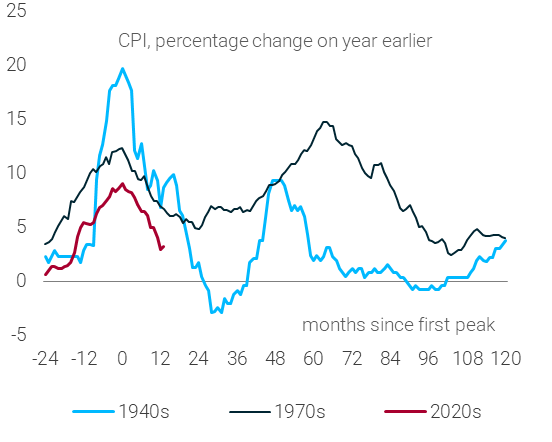
I had a spare hour to dig out the figures to knock over this (mostly straw man) argument. We are not a corporatist social democracy that somehow kidded itself about austerity. It was real. https://t.co/arUY0ZD1Qe
@MJGold Contrarian view: the relative scarcity of A-grade athletics events is part of the sport's appeal. I love that the stakes are so insanely high at the wonderful events you mention.
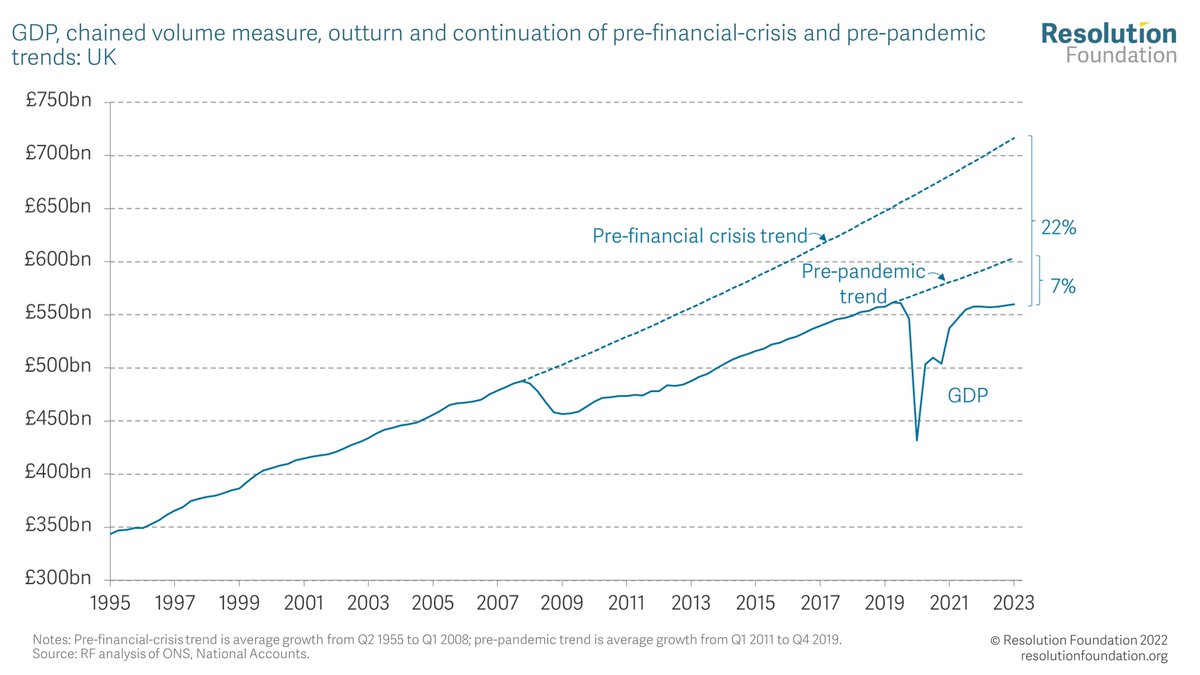
That cost of living stagnation comes against a backdrop of a prolonged period of weak growth since the financial crisis. The economy is still nearly 7% below its pre-pandemic trend and more than 20% below its pre financial crisis trend.
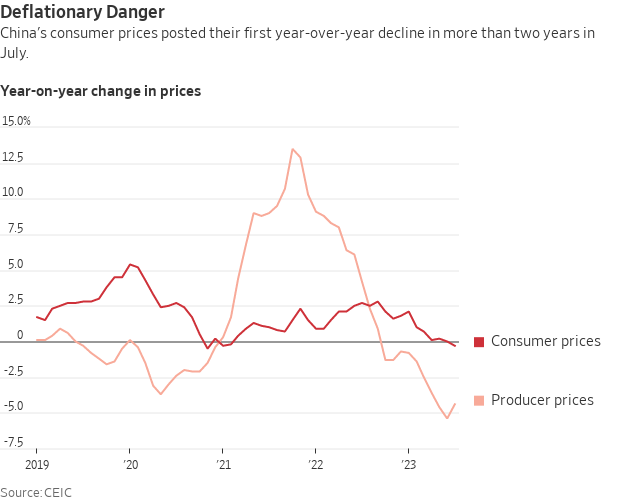
Real Time Economics newsletter: Your electric bill is finally heading lower, US credit card debt tops $1T, Zoom calls workers back to the office, and China slips into deflation. https://t.co/l9YxjIVemy
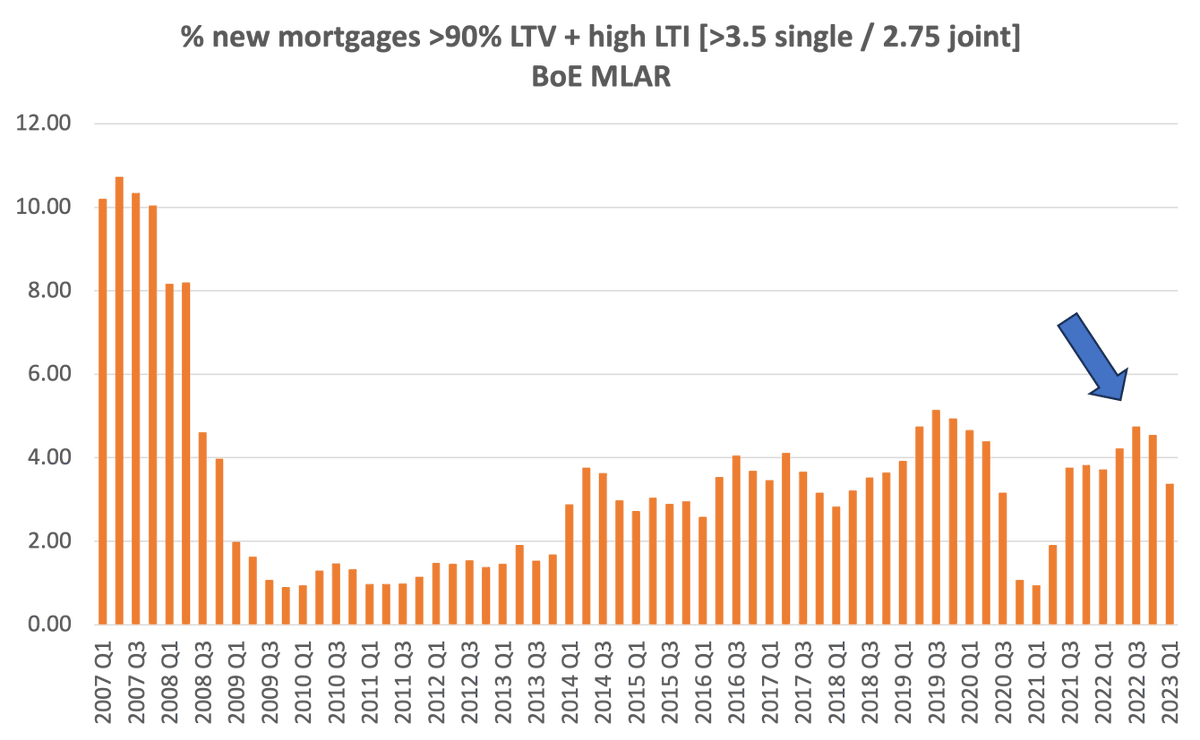
As the BoE looks to stamp on higher #inflation - with knock on impacts for the economy - its the c.4% of mortgagees who bought homes in 2021/2 at high LTV and higher LTIs that will feel the impact the most - pre pandemic buyers will have lower LTVs from #HPI and capital repayments - all since 2015 stress tested at 7% rates
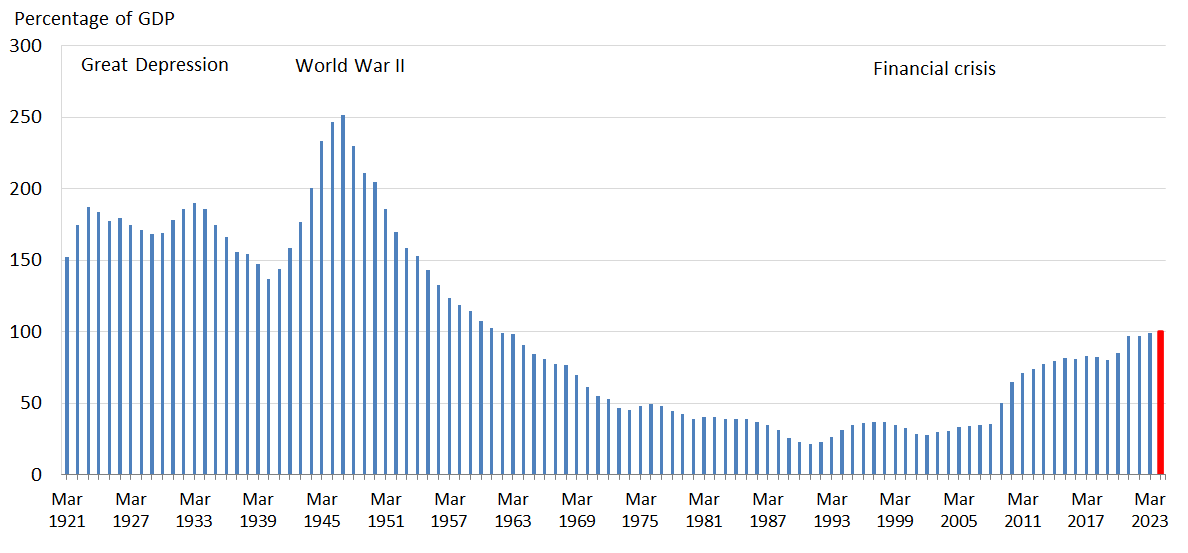
The last time the debt-to-GDP ratio was above 100% was March 1961, noting that during the pandemic early provisional estimates initially indicated that the debt-to-GDP ratio reached this level, prior to being revised down when stronger GDP data replaced initial forecasts.
@UofGlasgow@UofGAsbs@UofGShop Tartan looks great, but you've misplaced the Lang Toun!!
You've located it as Dundee on the Tay, not Kirkcaldy on the Forth :)
(33 second mark)
@Peston I think you should read this from Claudio Borio, a couple of weeks ago: "should financial stresses emerge, the need to bring inflation back to target and to stabilize the financial system would pull in opposite directions"
https://t.co/i1IV8psNn0
@ianmulheirn@John_Stepek This is good, thanks for sharing. However, a ~30% real-terms correction would be 2008 all over again; and 1989 for that matter.