Repeat better thoughts.
Repeat better thoughts.
Repeat better thoughts.
Repeat better thoughts.
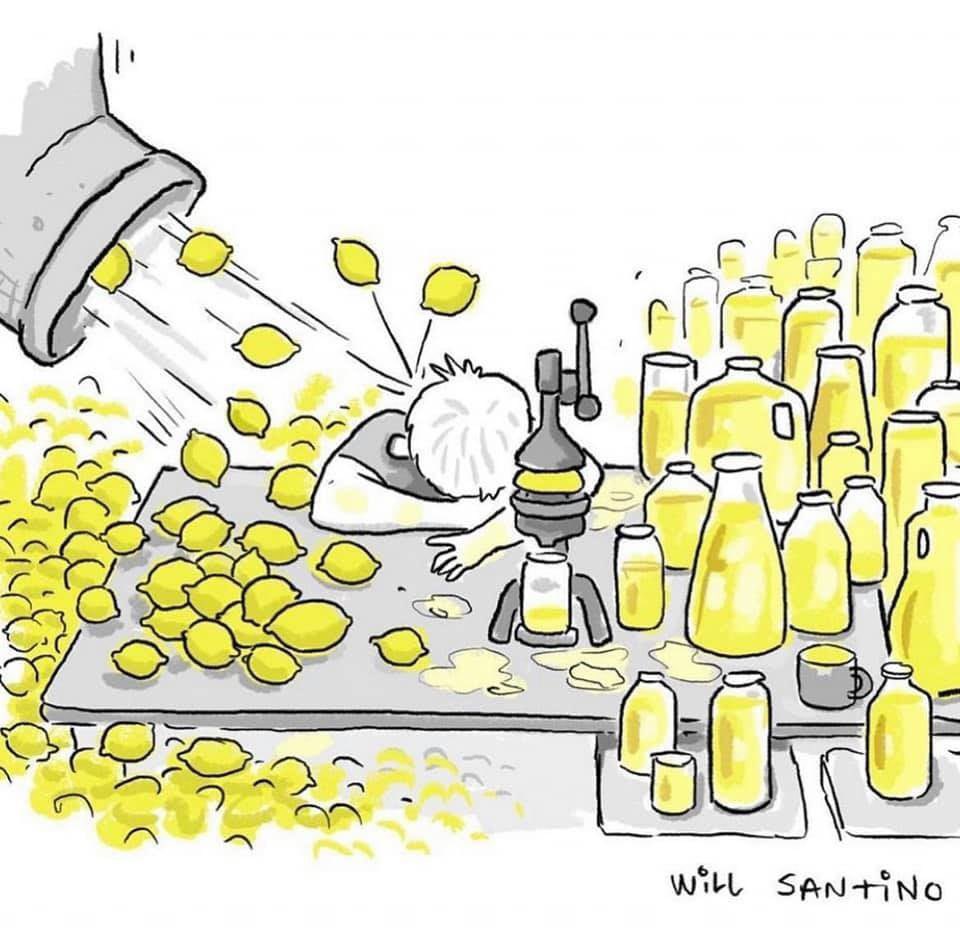
Because not everything we repeat helps us grow.
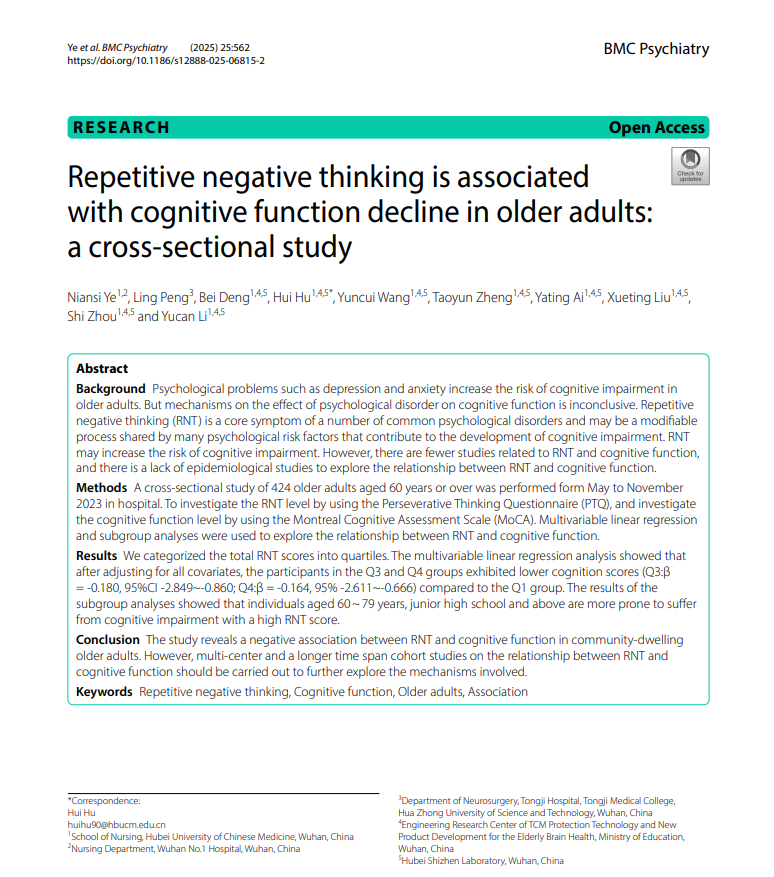
A 2025 study of older adults found that repetitive negative thinking was associated with lower cognitive function scores.
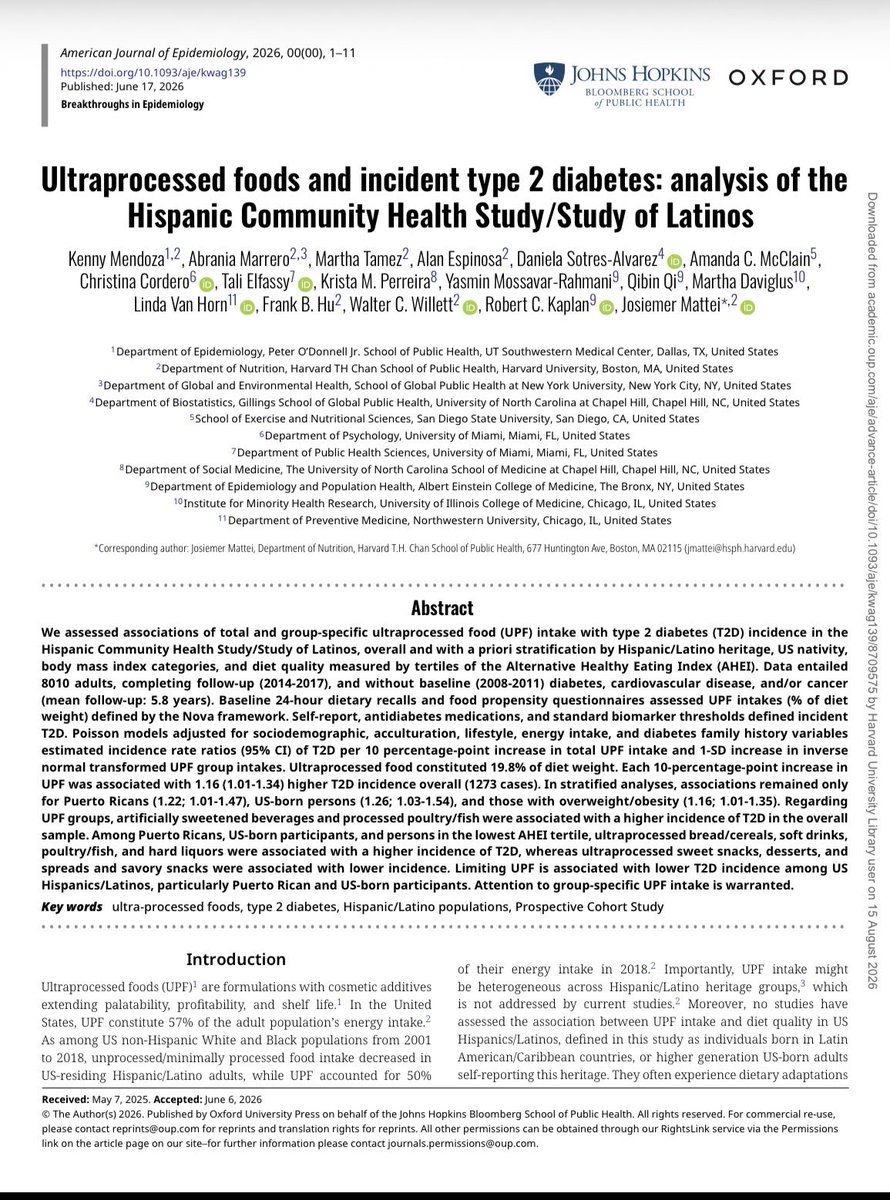
We analyzed data from 8,010 Hispanic/Latino adults living in the United States to examine the relationships between ultra-processed food (UPF) consumption, diet quality, and incident type 2 diabetes. Our paper was just published!
Here’s what we found:
- Higher total UPF consumption was associated with suboptimal intakes of vegetables, fruits, whole grains, nuts, legumes, fiber, healthy fats, and beneficial micronutrients, as well as higher trans-fat intake and a higher incidence of type 2 diabetes.
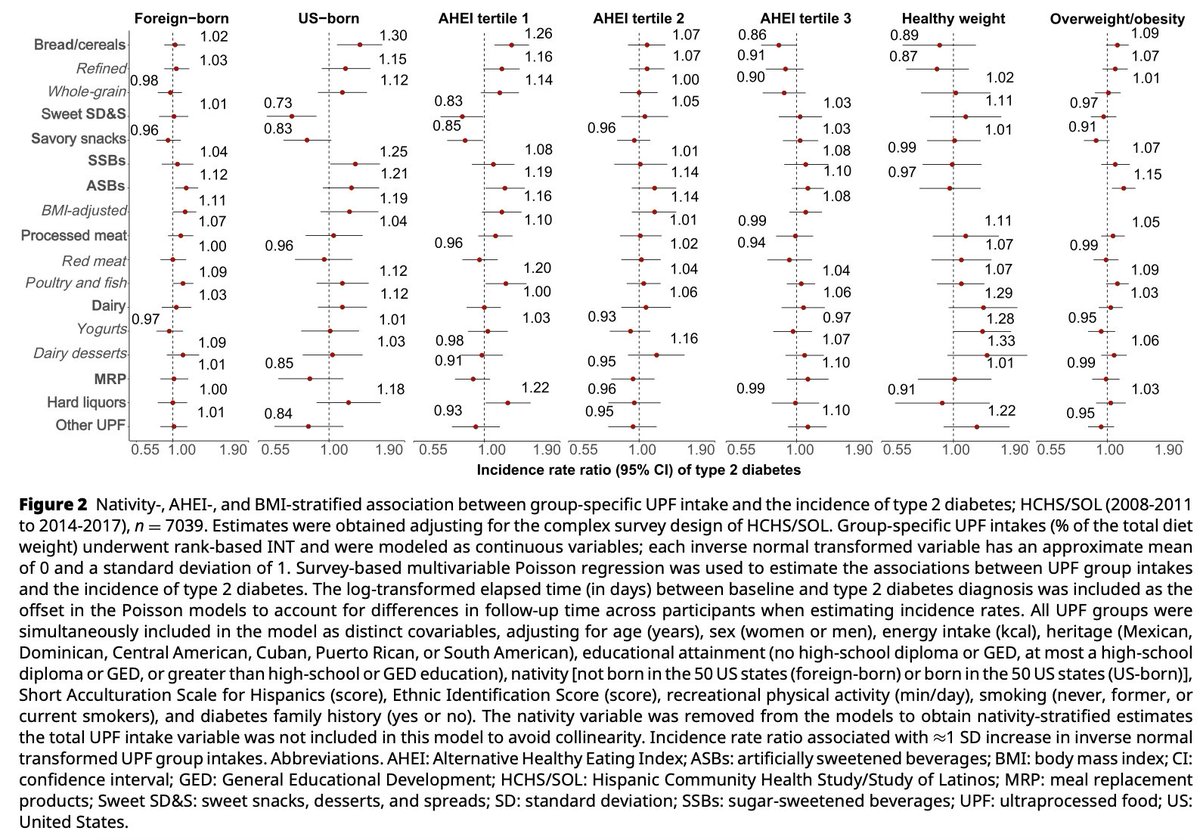
- We also found divergent associations between specific UPF groups and incident type 2 diabetes, particularly among Puerto Ricans, U.S.-born Hispanics/Latinos, and participants with lower diet quality. Higher intakes of breads/cereals, artificially sweetened beverages, sugary drinks, processed poultry/fish, and hard liquor were associated with a higher incidence of type 2 diabetes, whereas sweets and savory snacks showed inverse associations.
Some additional findings may help us better understand these associations:
- One particularly interesting finding was that sugary drinks accounted for more than 50% of UPF consumption among Hispanics/Latinos living in the United States, compared with approximately 15% in other populations. This could help explain, at least in part, the high incidence of type 2 diabetes among U.S. Hispanics/Latinos. Other products, including ultra-processed poultry/fish and artificially sweetened beverages, also contributed meaningfully to the observed association.
- Another interesting finding was that total UPF consumption in our sample was similar to levels observed in Mexico and lower than the U.S. national average. Because our sample represents four U.S. cities with large Hispanic/Latino populations, this finding suggests that Hispanic/Latino communities with greater social cohesion may preserve more traditional dietary patterns and rely less on ultra-processed foods.
Access our paper here: https://t.co/yC6BOeZSLR
I greatly appreciate the contributions of all our co-authors and the guidance and support of my mentors: Josiemer Mattei, Frank Hu and the rest of them.
@HarvardChanSPH@UTSWMedCenter@utswosph
Here’s a truth die hard naturalists have a hard time accepting: you can do everything “right,” eat perfectly, exercise daily, and live the healthiest lifestyle imaginable and still get sick. That doesn’t mean healthy habits don’t matter. It means disease is complex. Genetics, environment, chance, and biology all play a role.
🆕 @NatureMedicine
How does ChatGPT Health do for appropriately triaging a person as to whether to go to the emergency room or stay home? https://t.co/2FN3qxEivx
Not very well. Under-triaged 52% of case vignettes that are considered gold-standard emergencies, like diabetic ketoacidosis or impending respiratory failure
@jmanuelverdugo@doctormacias Entiendo el punto. El problema es que señalar o avergonzar no reduce la obesidad; la evidencia muestra que suele alejar a las personas del sistema de salud. Es mejor reconocerla como una enfermedad compleja y tratable, sin culpabilizar a quien la vive.
@jmanuelverdugo@doctormacias Considerando que más del 70% de la población adulta en México tiene cierto grado de sobrepeso u obesidad, y la definición de “normal” es habitual u ordinario; ¿A qué te refieres con “normalizar la obesidad”?
@carlos_arnaud@TheLancet Me sorprende que la paroxetina la cataloguen como fármaco que favorece la pérdida de peso cuando hay otros estudios que indican lo contrario