Did you know that most bananas have both male and female flowers? Most, because there are also a few cases with hermaprodite flowers, meaning both sexes are present on the same flower.
Banana flowers are systematically arranged in clusters in what is known as an inflorescence, botanically a #Thyrse. Inflorescences are complex structures that include male and female flowers, which develop into fruits.
It is the female flowers, commonly called pistillate flowers, that appear first in the plant. The ovary of a cultivated banana develops into a seedless fruit through a process called parthenocarpy. The bracts (the redish structure) gradually roll up or open to reveal a cluster of female flowers (a future hand of fruit), so the more optimal female flowers, the more fruits (and therefore more chances of cross-breeding).
During the development of the female flowers into fruit, the proximal portion of the inflorescence grows and produces also clusters of male flowers with the potential to produce pollen. The amount of pollen in cultivated bananas is very small or not present at all.
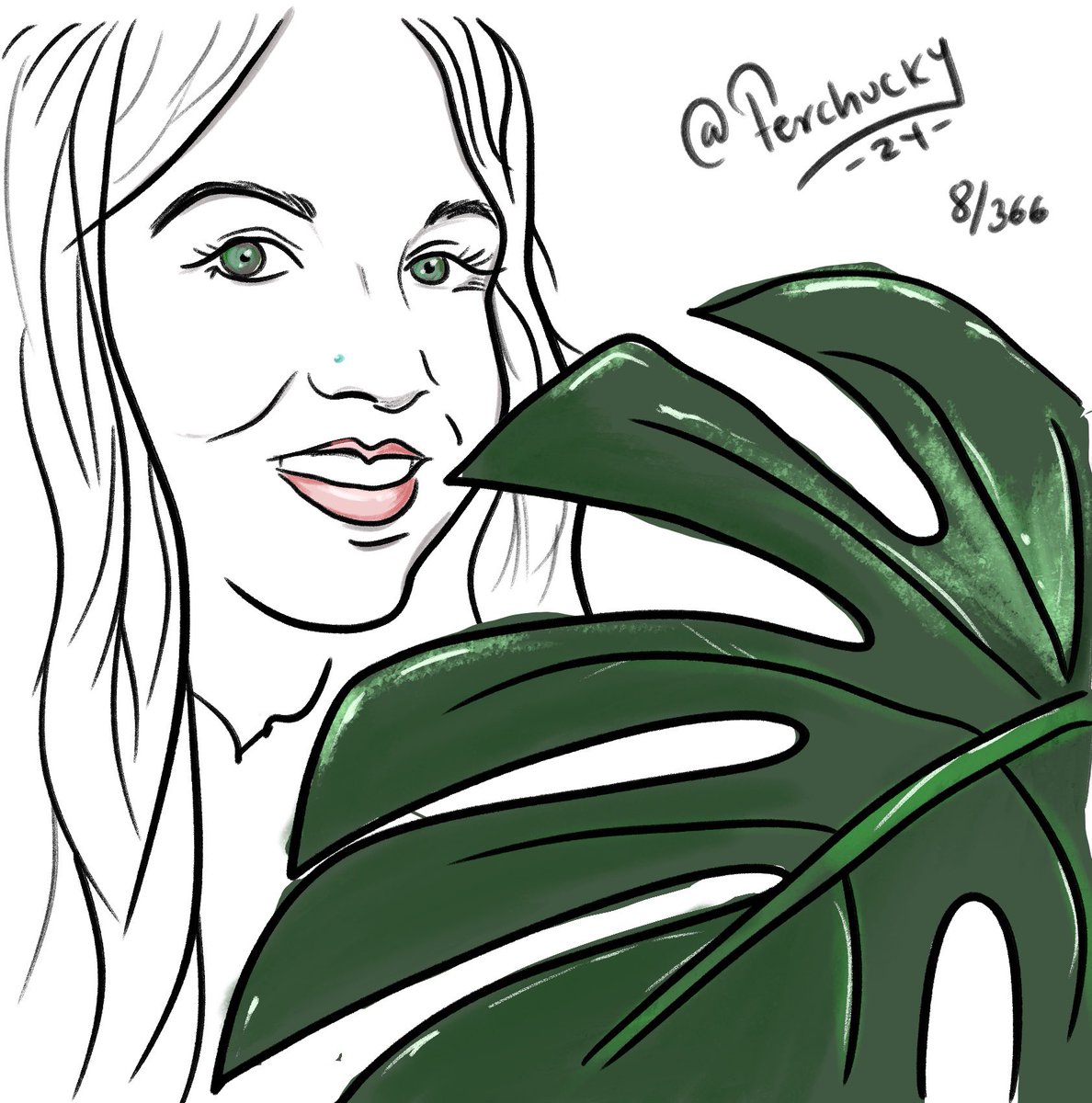
Since I'm running a SciArt PhotoSeries on banana flowers, I decided to draw something to illustrate it better.
Corrections and new ideas are always welcome. Thank you for reading. I hope it is enjoyable for you.
#@ferchuckytoons #DrBanana #bananaflowers
A small tribute to one of the best scientists and persons I've met in my banana/Fusarium research journey. Goodbye and thank you to a great friend and mentor. Randy's contributions and legacy will always support the battle against plant diseases, especially those threatening banana production.
Rest in peace, dear Professor Randy Ploetz. Working with you was an incredible honor and a privilege. Your legacy will continue to inspire us all.
💔🍌
Banana male flowers are arranged in clusters called hands in the male bud. Each hand is covered by a bract that lifts after the flowers have completed their development. Shortly after flowering, male flowers fall.
Male #banana flowers differ from female banana flowers (future banana fruits) in that they have a slender style and stigma, and well-developed anthers, which usually contain pollen in wild species. In edible bananas, the amount of pollen is reduced or absent.
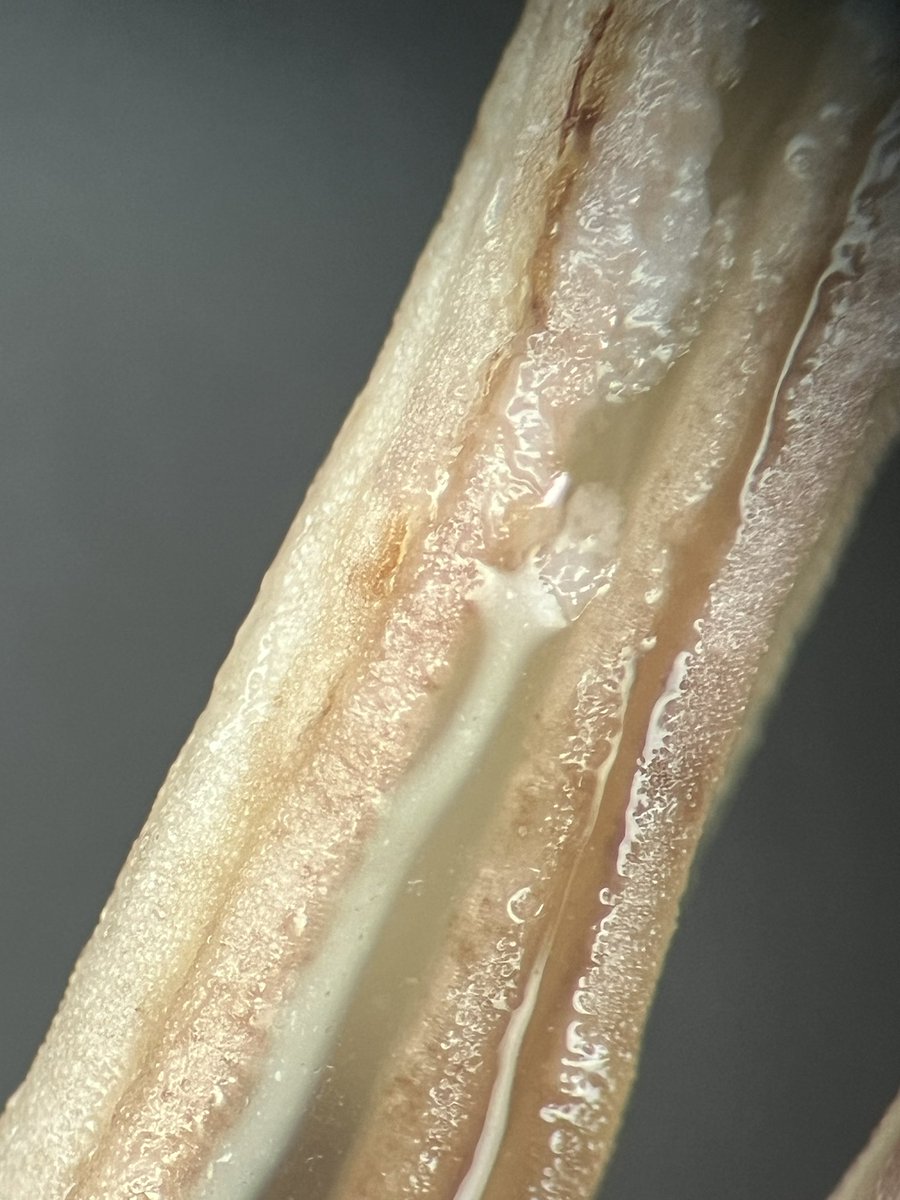
On the left you can see a close up of the anthers of a male banana flower from a Cavendish Grand Naine (although anthers are structurally well developed, there is no pollen). As can be seen in the image on the right, wild banana anthers are loaded with pollen.
Have you ever seen banana pollen?
#DrBanana #BePollinator #SciComm
@CLAUDIABAHAMON@conycamelo Mientras tanto…. La cara de Cony vs la cara de los otros cuando se enteraron que que Claudia iba para su equipo. -Priceless-
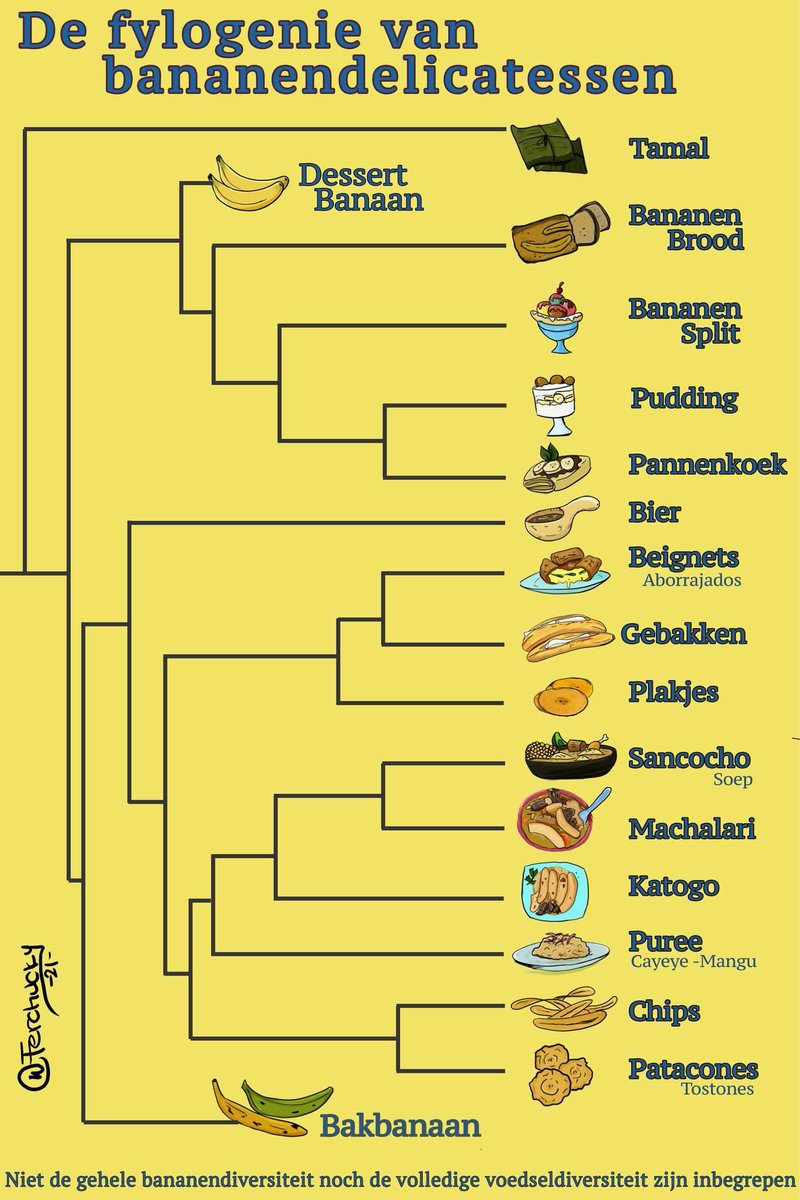
Please tell me the name of a plate that includes bananas (or plantains). This drawing will get a second version. It's even better if you add a pic, name and country.