Cymdeithas Ffynhonnau Cymru yw'r gymdeithas ar gyfer pawb sydd â diddordeb yn ffynhonnau ein gwlad - eu hanes, eu traddodiadau, a'u harwyddocâd. Ymunwch heddiw!
5th + 6th century in Wales is called Oes y Seintiau / the Age of Saints - thousands of them, male and female, many well documented.
5th + 6th c. in England was called 'the Dark Ages'.
Today is the Feast of St Trillo; 📷 Chapel of St Trillo, Rhos-on Sea, Conwy by Llywelyn2000.
Ffynnon Lawddog ger Cenarth, Dyffryn Teifi. Mae pobl yn yfed y dŵr, serch y rhybudd. Ond mae erthygl o 1899 yn dweud bod Ffynnon Lawddog ar Fron Lawddog, yn ymyl eglwys Penboyr, peth pellter i ffwrdd. Felly a oedd dwy ffynnon, ynteu a gamleolwyd un ohonynt?
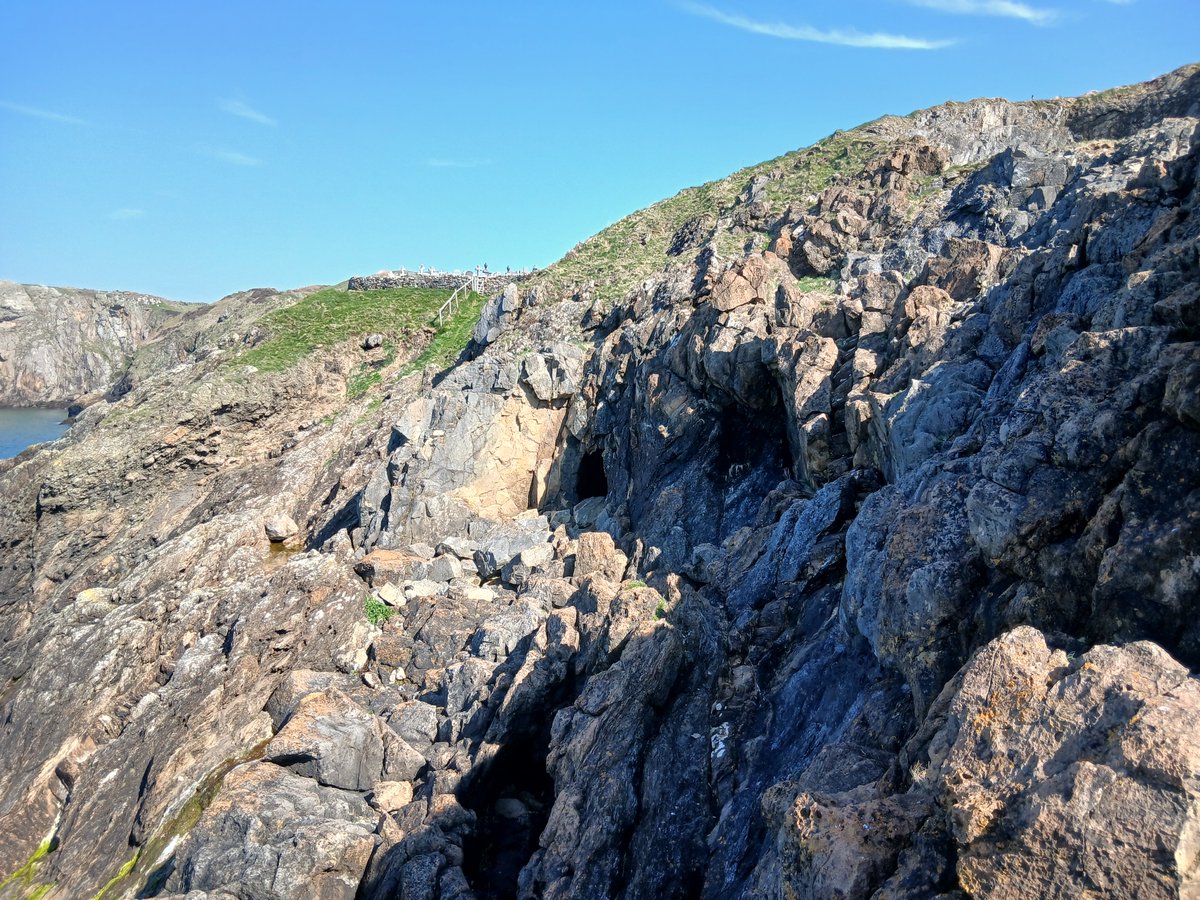
Ogof Badrig yn Llanbadrig, Môn. Ceir Ffynnon Badrig yn yr ogof, ac y mae'n dal i ffrydio er bod rhan o do'r ogof wedi syrthio arni. Gwerthid y dŵr yn feddyginiaeth ym Môn ar un adeg. Mae llwybr i lawr ato o fynwent yr eglwys, ond nid yw'n ddiogel ac nid argymhellwn ei droedio.
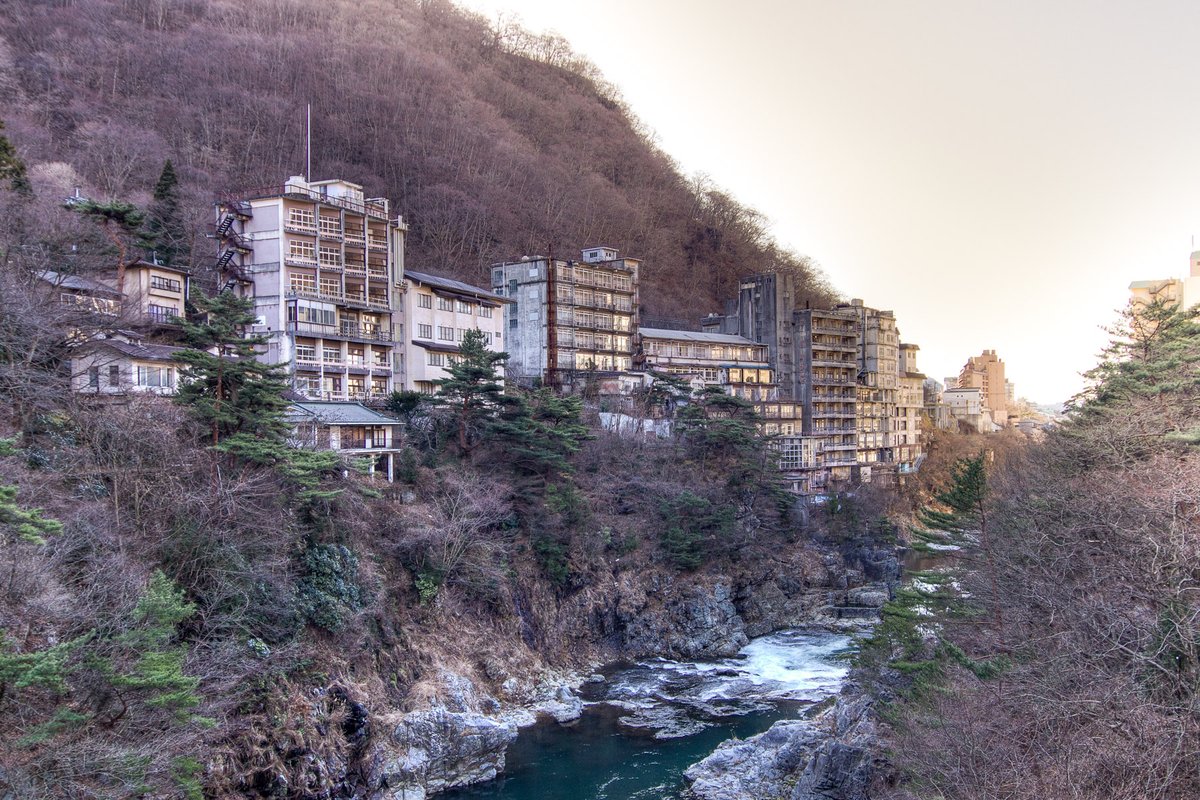
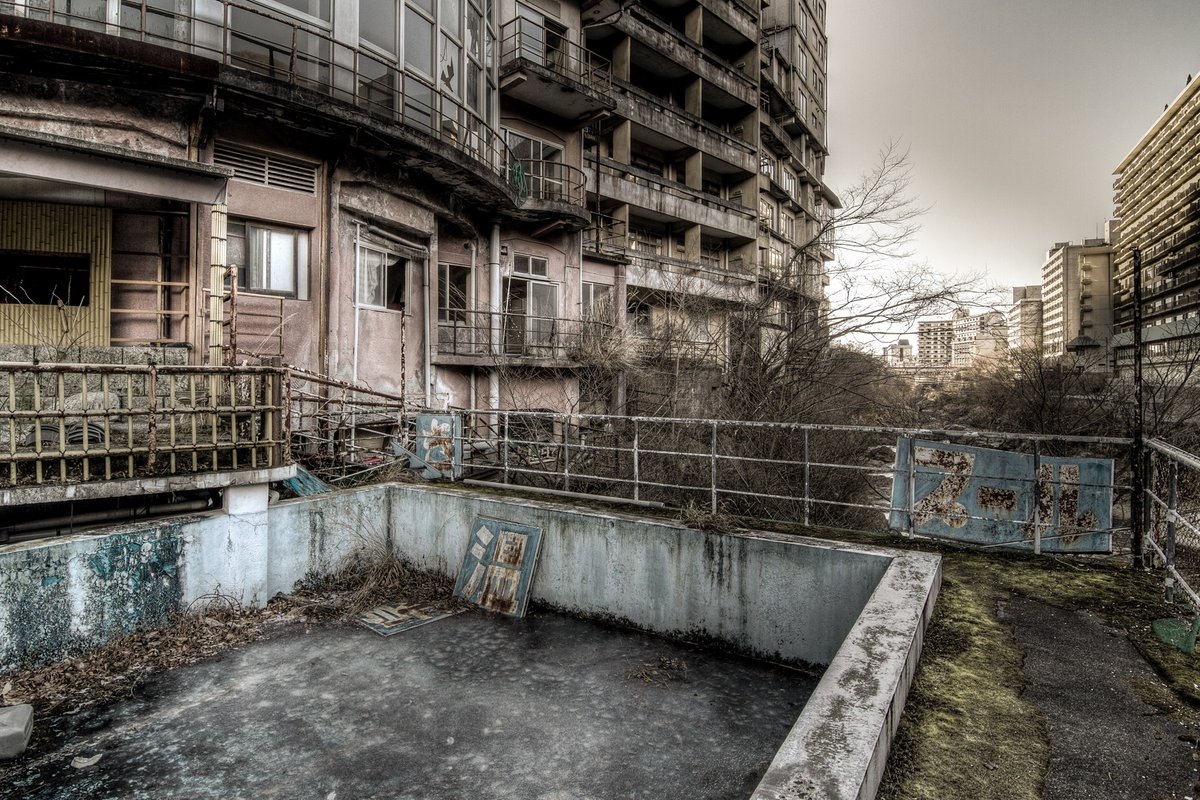
Siapan: "Mae dymchwel adeiladau yn ddrud iawn ac mae'r perchnogion sy'n gorfod talu wedi diflannu.
Mae'r ffaith bod rhai adeiladau gwag wedi'u lleoli uwchben ffynhonnau poeth neu ger ffyrdd cenedlaethol ac afonydd yn gwneud dymchwel yn anodd, hefyd."
La démolition des bâtiments coûte très cher et les propriétaires qui doivent payer ont disparu.
Le fait que certains bâtiments abandonnés soient situés au-dessus de sources d'eau chaude ou à proximité de routes nationales et de rivières rend également la démolition difficile.
"Leper Well" (Ffynnon y gwahanglwyfus), Gunstone, Codsall, Swydd Stafford, Lloegr. Y cyfeiriad cyntaf at ddefnyddio'r dyfroedd brwmstanllyd at wella'r gwahanglwyf ac anhwyderau'r croen ar bobl ac anifeiliaid yn dyddio o 1686. Bendithid y dŵr gan offeiriad y plwyf yn gyntaf.
Well of Santa Cristina - the Nuragic 'Holy Well :
The 'Well of Santa Cristina' isn’t really a well in the traditional sense, and it has nothing to do with Santa Cristina, other than its proximity to a country church dedicated to her in the 1200s AD. You have to cut the person who came up with the name some slack, though, because what the structure actually is or was isn’t easily summed up in a pithy moniker.
The well is part of a shrine complex built in 12th or 11th Century BC, by Nuragic Civilization (bronze Age civilization), and is in fact one of the most important remaining Nuragic sites, the structure is placed inside a nuragic site that extends for about one hectare, located in the surroundings of Paulilatino, Sardinia, Italy. Nuragic Civilization lived in Sardinia from 18th Century BC to 2nd Century CE, and though they were remarkably skilled masons whose impressive stone structures still stand, they did not leave behind any written record. So while it is contextually clear that the area around the Well of Santa Cristina was a sacred site complete with a meeting hut and lodgings, the beliefs associated with the site and the rituals that would have taken place there remain unclear.
What is clear is that the site was centered around the well, which would have been the focal point of the shrine. Santa Cristina well is surrounded by nature and ancient olive trees, but also by what remains of nuragic village, which includes a single tower nuraghe, and the Christian village. The well temple of Santa Cristina is embraced by the themenos, an elliptical sacred enclosure that separates the sacred area from the profane one, which surrounds another one that has a form of a lock. The well is preceded by a vestibule which follows the staircase formed by 24 steps and which narrows downward as it approaches the chamber containing the actual well, formed by a circular cell covered by a vaulted ogival dome, high almost 7 meters. The steps are covered with architraves that create an extraordinary upside-down staircase effect.
The well is composed of an elliptical enclosure surrounding a trapezium-shaped opening in the ground, with stairs leading down to a circular, domed subterranean chamber that housed the spring. The Nuragic religion seems to have involved a lot of symbolic representations of fertility, and included a cult of water that invoked the various feminine aspects of the divine.
The well is oriented so that, on the occasion of the equinoxes, the sun perfectly illuminates the bottom of the well penetrating through the stairwell and then reflecting on the water. Even more extraordinary and mysterious is phenomenon concerning the moon: every 18 years and 6 months, when the moon reaches its maximum height, its light passes through the opening on the top of the well. Furthermore, the ratio between the base and the height of the dome coincides, with a very small margin of error, to astronomical geometry. The stonework in the steps and the walls of the well entrance still showcase the smooth, perfectly squared stonework typical of Nuragic structures.
Santa Cristina well was linked to the water cults, object of religious practices and pilgrimages that brought together entire communities. Even today the water arrives in the basin, dug into the rock, from a perennial slope and the level is always constant. Some scholars think that the sanctuary was also a place of astronomical observation that allowed to scrutinize and measure the celestial motions. A series of events that occur at certain times of the year seem to confirm this theory.
Nearby there are also the remains of a nuraghe, characteristic conical stone fortresses that gave the civilization their name. Visitors to the site are allowed to go inside the well and imagine what kind of intense ancient rituals must have gone down there.
#archaeohistories
@WellHopper Mae angen chwilio ysgrifau Myrddin Fardd ym mhapurau a chylchgronau cyn 1876 er mwyn gweld a yw'n cyfeirio at Ffynnon Cefn Lleithfan. Yn sicr, mae un o'r awduron wedi copïo gan y llall.
Ffynnon Pen-y-lan, Caerdydd. Deuai ieuenctid a chariadon yn arbennig yma i ofyn bendith, i ddatgan eu dymuniad, ac i daflu pinnau i’r dŵr ar yr un pryd. Credid i Grist ei hun ddod yno, a bod ôl ei ben-glin ar y cafn carreg. Cynhelid "Ffair Pen-y-lan" yno ar ddydd Llun y Pasg.
#RomanSiteSaturday
The nymphaeum (shrine to a water nymph) at Chedworth roman villa in Glos. A spring was channelled into an octagonal basin [sound on] which then supplied the villa's kitchen, baths and... 1/2
The Antonine Fountain (Sagalassos), Burdur - Türkiye :
Antonin Fountain is a historical fountain located in the ancient city of Sagalassos in the Ağlasun district of Burdur province, Türkiye.
It was built during the reign of Roman Emperor Marcus Aurelius between 161 – 180 AD, and was built as a prestige indicator of the Roman Empire. This magnificent work of 2000 years has been rebuilt to a large extent with excavated fragments; Water comes from the same source as the water flowing 2000 years ago.
The Antonine Fountain draws attention with its stones of seven different colors. Afyon marble, which allows light plays, was used in the Antonine Fountain, which is a fountain with a waterfall. It is decorated with numerous statues, two of which belong to Dionysus.
There are symbols dedicated to Dionysus throughout the 28 meters long and 9 meters high structure. It was severely damaged by an earthquake that occurred in 6th Century AD. Only Dionysus statues were found as a whole during the excavations. Sculptures from other buildings were placed in the niches outside the niches where the Dionysus statues were located. Çeşme was destroyed by the second earthquake in 650 AD.
It was built to add an aesthetic appearance to the upper agora, which was the political center of the ancient city. The monumental fountain, built just in front of the existing terrace wall, resembles the theater stage architecture. The water of the fountain, in which seven different stone types are used, flows from the 4.5 meter high waterfall in the central niche and fills the 81 m³ capacity pool.
It was resurrected after 1800 years with the cooperation of Culture and Tourism Minister Ertuğrul Günay, Aygaz, the University of Belgium Leuven and some Belgian institutions. Columns, statues and all other architectural elements are 100% proportional to their reality, as they are scanned and scaled with the photogrammetry technique.
🎥denizdonerkaya (IG)
#archaeohistories
Happy All Souls' Day!
Welsh folklore tells us today's to honour the dead—and for eye care:
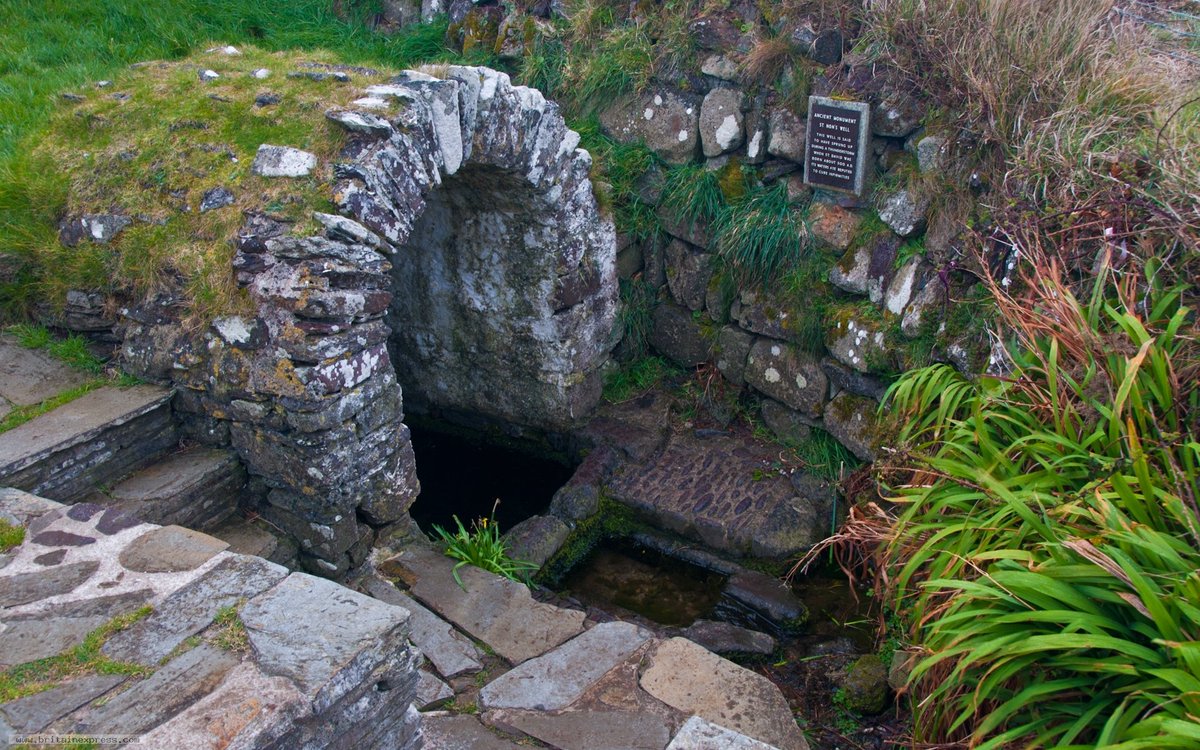
"In almost every parish there was a holy well and on All Souls' Day old women generally washed their eyes in the waters so their eyesight might retain its strength."
📷 St Non's Well
#Wales
Dyffryn Ardudwy pilgrimage to the healing well, plenty of stones to see en route. Ffynnon Enddywn not so good with rotator cuff injuries. #StandingStoneSunday
St Illtyd’s #Church#Oxwich
The church stands on a site which is said to date back to the C6th. It has a mix of interesting features dating at the earliest to the C12th. There was once a holy well in the churchyard, this dried up in the C20th.
#SteepleSaturday
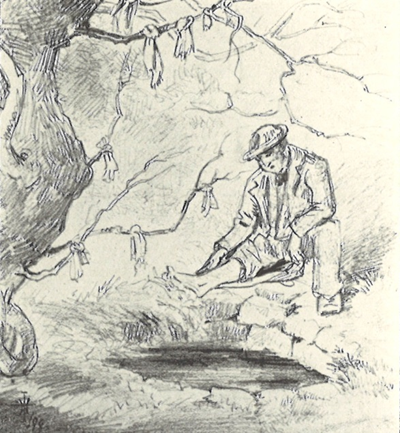
Yn Ffynnon Coedrhiglan, Saint Siorys, Bro Morgannwg, arferai cleifion grogi carpiau o’u dillad neu rwymau ar dderwen gerllaw. Credid fod dŵr y ffynnon hon yn arbennig o rinweddol at wella llygaid dolurus, hefyd, ac arferid taflu pinnau i’r dŵr. Darlun o ddechrau'r 20fed ganrif.






![Brittunculus410's tweet photo. #RomanSiteSaturday
The nymphaeum (shrine to a water nymph) at Chedworth roman villa in Glos. A spring was channelled into an octagonal basin [sound on] which then supplied the villa's kitchen, baths and... 1/2 https://t.co/iGx2ohhSI7](https://pbs.twimg.com/media/Gb8_nSIWEAAcRsg.jpg)







![Brittunculus410's tweet photo. #RomanSiteSaturday
The nymphaeum (shrine to a water nymph) at Chedworth roman villa in Glos. A spring was channelled into an octagonal basin [sound on] which then supplied the villa's kitchen, baths and... 1/2 https://t.co/iGx2ohhSI7](https://pbs.twimg.com/media/Gb8_pnmXoAANYFw.jpg)