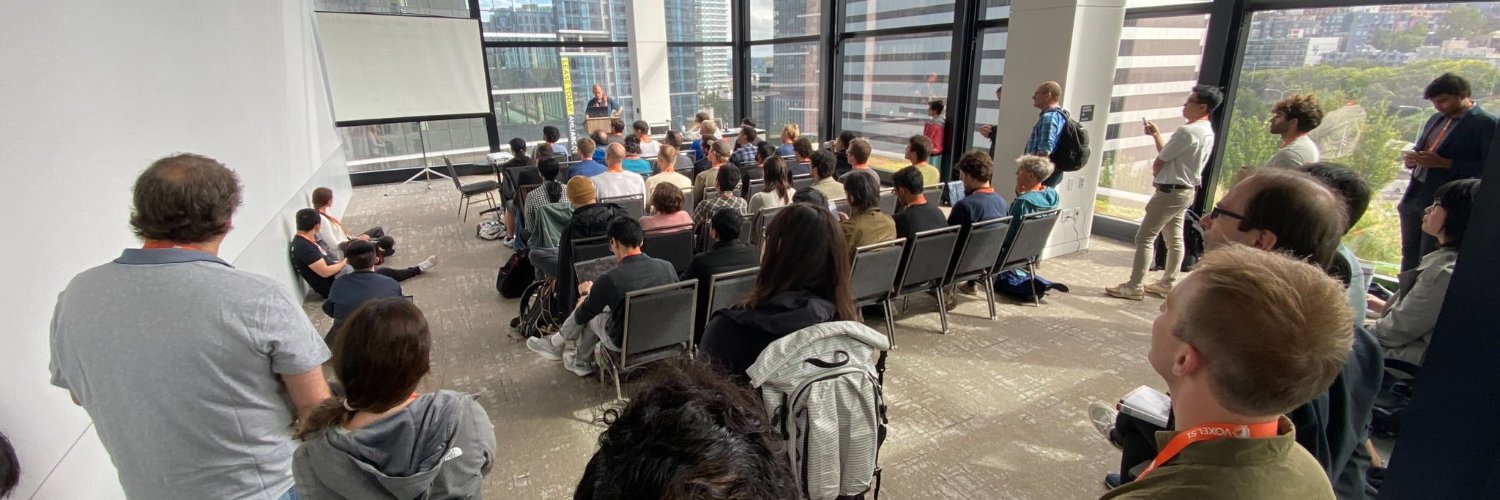
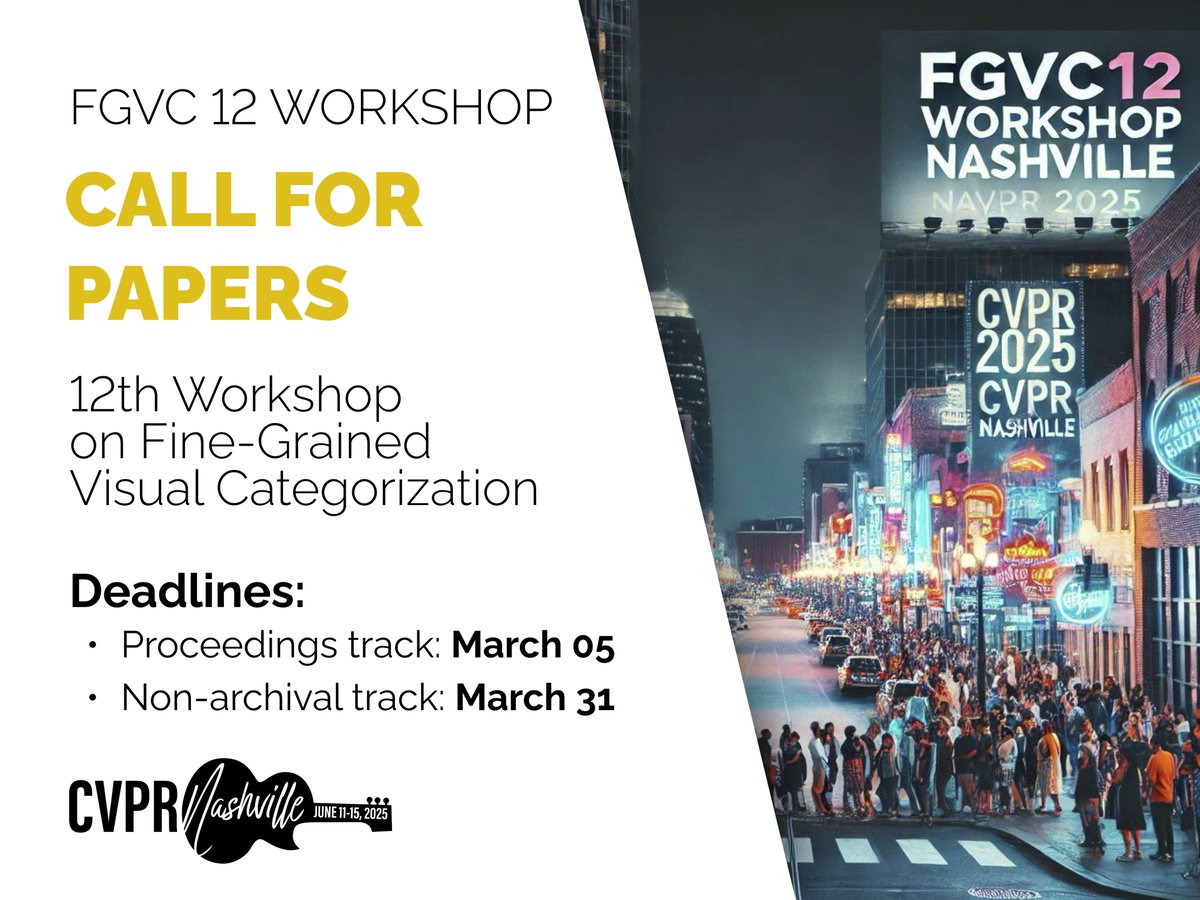
FGVC12 Workshop accepted to CVPR 2025, Nashville!
CALL FOR PAPERS: https://t.co/60U5VTaYEl
We discuss domains where expert knowledge is typically required and investigate artificial systems that can distinguish numerous very similar visual concepts.
#CVPR#CVPR2025#AI
The challenge is to classify volumetric µCT images of foraminifera tests. With only 210 labeled out of 18,426 volumes, the goal is to develop an efficient species classification method that minimizes annotation time, leveraging semi-supervised learning.
[5/5]
Looking for a challenge? Along with FGVC12 at #CVPR2025, multiple fine-grained computer vision competitions have been launched. These well-curated datasets allow you to leverage your AI skills to boost applications with impact! Let's go: https://t.co/39GQnVJ5j7
@CVPR@kaggle
With µCT scanning, we can scan thousands of forams in a single scan. By determining the species composition, we can efficiently understand how the environment has evolved.
[4/5]
This competition aims to identify under-studied species based on their acoustic signatures from continuous audio data. The most effective solutions will demonstrate the ability to train reliable classifiers with limited labeled data.
[4/4]
Conducting traditional surveys across large areas is costly. In contrast, passive acoustic monitoring, combined with modern ML techniques, enables conservationists to scale with greater temporal resolution, providing deeper insights into restoration interventions.
[3/4]



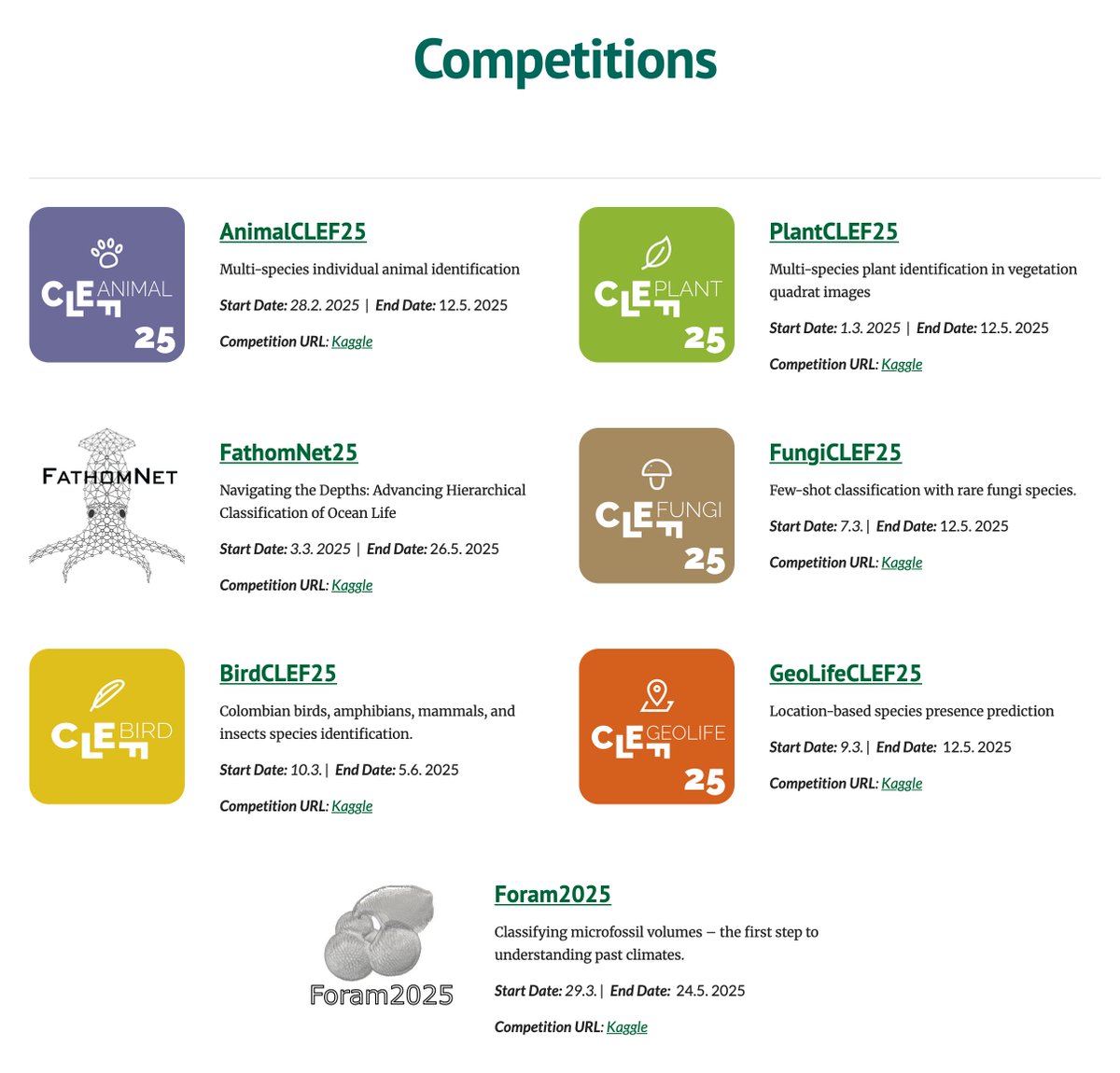
![fgvcworkshop's tweet photo. AnimalCLEF25: Multi-species individual animal identification
👉 https://t.co/0nm3Hpqzwl
@CVPR @LifeCLEF @kaggle
#FGVC #CVPR #CVPR2025
[1/4] https://t.co/F41f4B4J3T](https://pbs.twimg.com/media/GoBrgWCWcAA8gvv.jpg)