SITES is an infrastructure for terrestrial and limnological field studies and long-term monitoring. SITES stations cover a variety of ecosystems across Sweden.
SITES is now on Bluesky! We’ve moved our updates and conversations to Bluesky and look forward to continuing the dialogue in this new space! SITES is still committed to supporting ecosystem research, providing open data and fostering collaboration.
👉https://t.co/mb864aSx0C
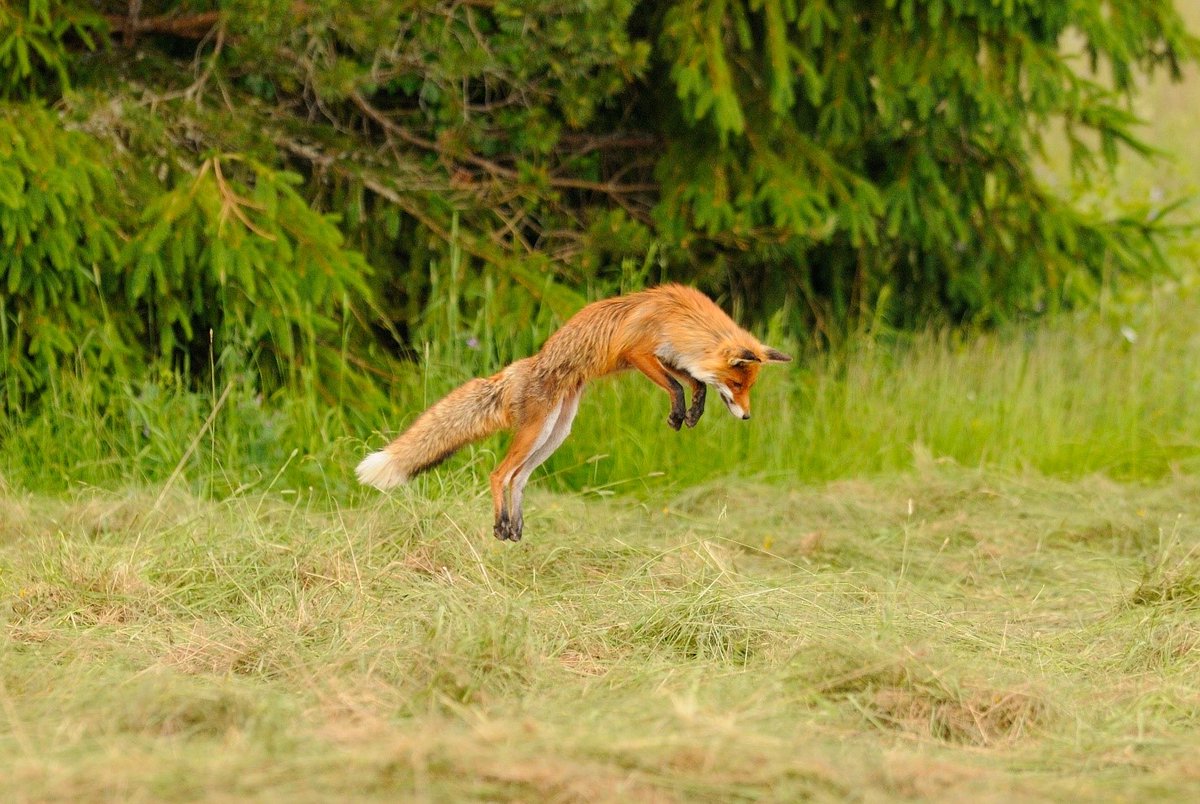
On Jan 17, the SITES Secretariat kicked off the year with a data retreat at Grimsö Wildlife Research Station. Updates on fox reproduction, pellet counts, rodent dynamics & migratory birds are now up in the SITES Data Portal—more datasets coming soon! 🦊
https://t.co/W8a5OcdU4C
The SITES Community is pleased to welcome Dolly Kothawala as the new Station Manager of the Erken Laboratory! Congratulations and welcome aboard!
Get to know Dolly 👇https://t.co/1fEQ9A9C1z
Do you want to start your research year by discovering interesting data from SITES? Don’t miss out—explore our SITES Data Portal, which offers long-term data from our research stations!
👉https://t.co/D817mxI6Aj
Happy Exploring!
Key Findings:
Surface CH₄ diffusion and ebullition vary with lake latitude, depth, and area.
OMP plays a critical role, especially in less productive/deeper lakes.
🌍 Potential for integration into Earth System Models for better climate-CH₄ feedback predictions.
2024 was a highly productive year for our SITES Water Thematic Program, with numerous impactful publications! Today, we’re highlighting a papers that advances our understanding of lake biogeochemistry and carbon fluxes. A thread👇
A Lake Biogeochemistry Model for Global Methane Emissions: Model Development, Site-Level Validation, and Global Applicability"
🔍The paper introduces a refined model to simulate global lake methane (CH₄) emissions, including oxic CH₄ production (OMP)
https://t.co/eCUd6s6zCv
Happy New Year from the SITES Secretariat!🎉
As we welcome 2025, we reaffirm our commitment to enabling excellent research that advances understanding of how ecosystems respond to natural and human influences.
Wishing you a year of discovery, collaboration, and progress!
SRC Mycklemossen is now an ICOS Class 2 Ecosystem Station! 👏
The ICOS General Assembly officially confirmed the labelling on November 6th, 2024.
A huge shoutout to the SRC team for their dedication. More data to come next year under SITES programs!
📰https://t.co/unYWtsMZzM
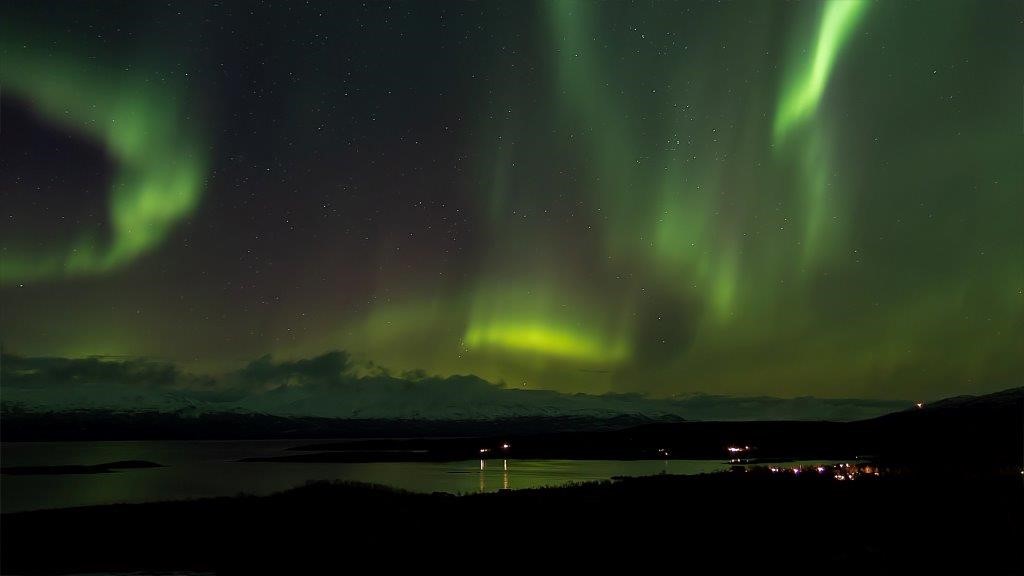
December SITES collaboration in focus features SITES Abisko Scientific Research Station. Located 200 km north of the Arctic Circle, Abisko monitors Arctic weather, hydrology, ecosystems, and the northern lights.
📰Read more here: https://t.co/V7obJM0sjk
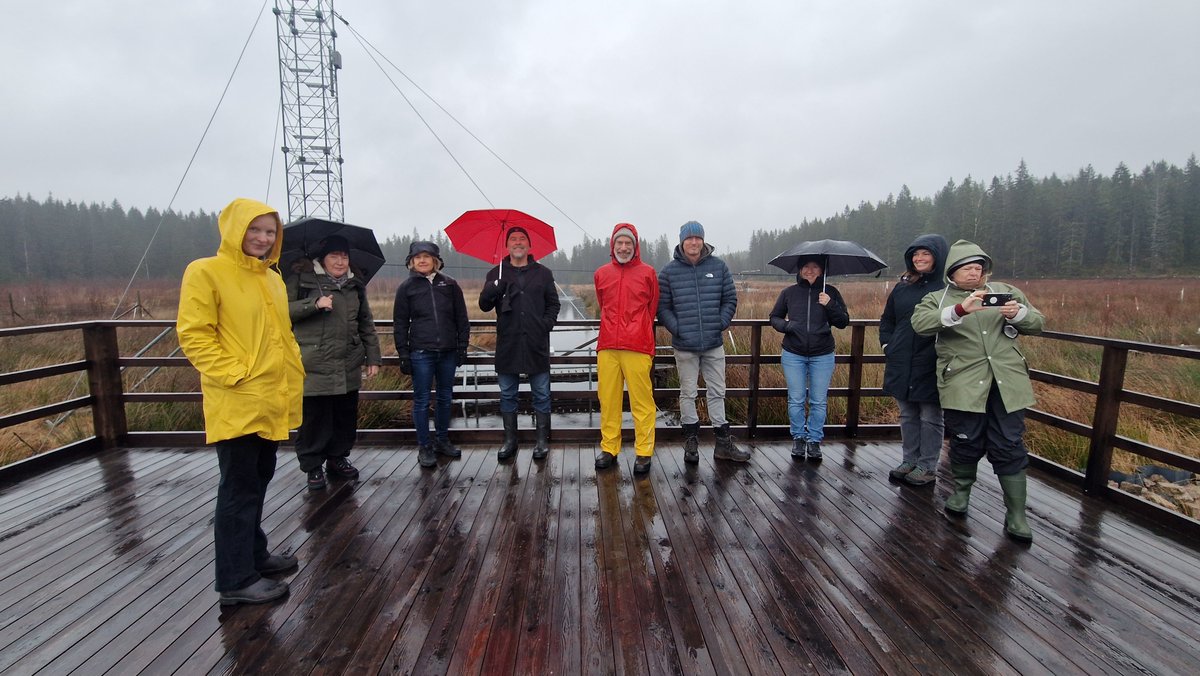
On Nov 25-26, the SITES Steering Group and Secretariat met at Skogaryd Research Catchment to discuss future strategies, collaborations with other research infrastructures and station support.
A strong commitment to advancing ecosystem research!
📰https://t.co/LlF4jNpVQ0
At the Bolmen Research Station, experts gathered to tackle key challenges in managing organic matter in water. Discussions focused on water browning trends, TOC thresholds, and sustainable drinking water solutions.
Read more 👇
📰 https://t.co/SWWeqWFFUX
Leys (sown grasslands) make up 75% of arable land in northern Sweden. At SITES Röbäcksdalen, the SMURF program monitors ley productivity and quality, providing valuable insights into long-term management and climate effects. 🌱
More info: 📰https://t.co/0JUOMP9bhq
November SITES collaboration in focus features SITES Svartberget Research Station, where infrastructures like SITES, ICOS and ACTRIS drive interdisciplinary research on land-water-atmosphere interactions.
Read more here: https://t.co/tbGEKx3OoF
The application deadline for SITES AquaNet 2025 has been extended!
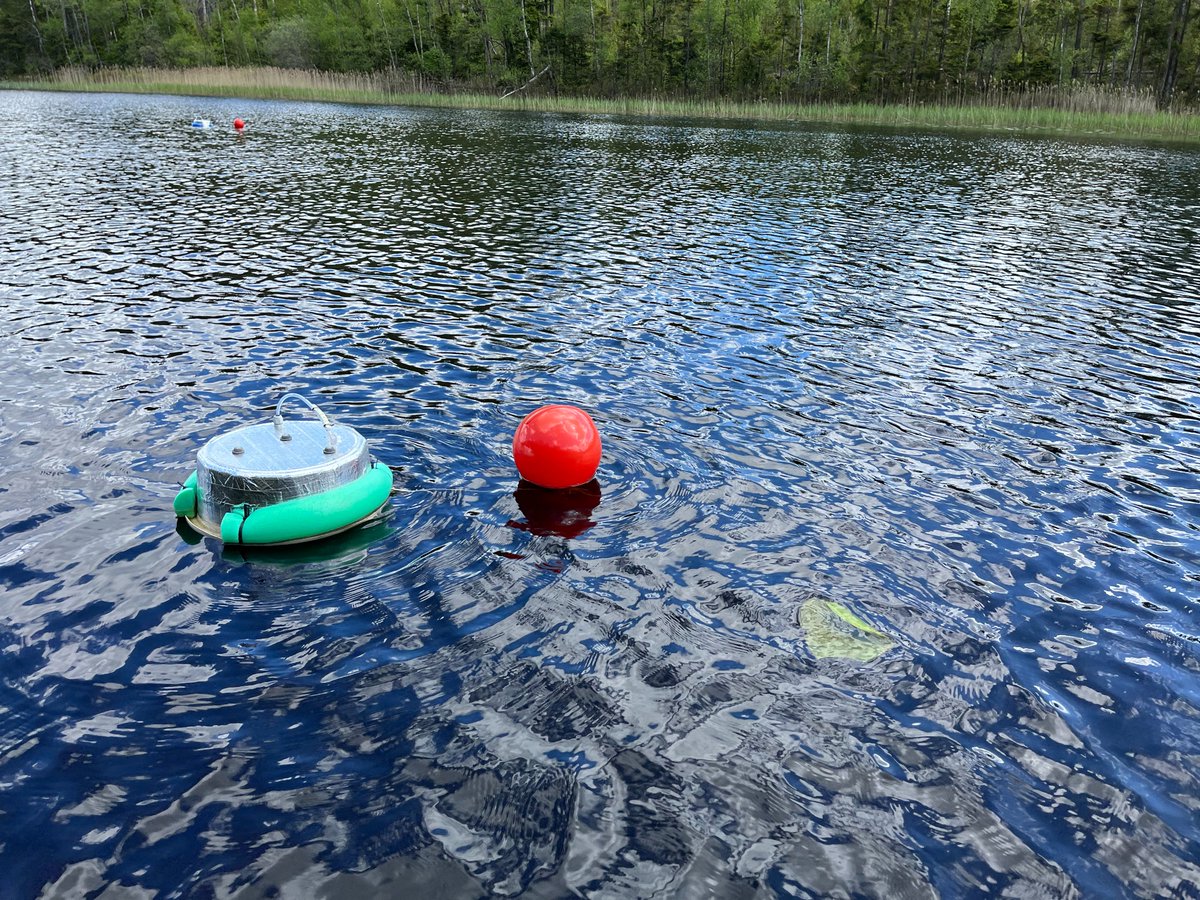
SITES AquaNet offers standardized infrastructure with mesocosms, automatic sensors and more, across 5 Swedish lakes! 📷
Apply by January 15 2025! https://t.co/icEdiM2VOz…
More info: https://t.co/8nVfGFZRkJ
📢New publication from SITES AquaNet! Freshwater salinization lowers plankton diversity, favoring salt-tolerant cyanobacteria, shown by high-frequency sensors in mesocosms
Read more: https://t.co/x33YxL3VPE
Apply to use AquaNet facilities in 2025: https://t.co/JOgf7OJjtX
October rainstorm caused flooding at two SITES stations in Umeå, with Röbäcksdalen affected by local damage. Svartberget saw the second-highest autumn flood on record, though no damage reported. Both stations are now back on track and fully operational!
https://t.co/wbKnm82cff
SITES Spectral launches new phenocam products for vegetation studies! Updates include snow detection, enhanced vegetation indices, and extended data availability (2022-2024).
https://t.co/OYkseUIVnf
Stay tuned for more on the SITES Data Portal! https://t.co/D817mxHyKL
Welcome Margareta Johansson to the SITES community as Station Manager of Abisko Scientific Research Station!
Get to know Margareta: https://t.co/x0jjXFlPfQ