Life on Mars?
There just might be! NASA’s Perseverance Rover, launched during President Trump’s first term, may have discovered the clearest evidence yet of ancient life on Mars.
Potential biosignature on Mars: confirmed. ✔️
After a year of scientific review, we are more sure than ever that our Mars Perseverance's 'Sapphire Canyon' sample could contain signs of ancient microbial life. Learn more about the discovery: https://t.co/RMO2UFfnjv
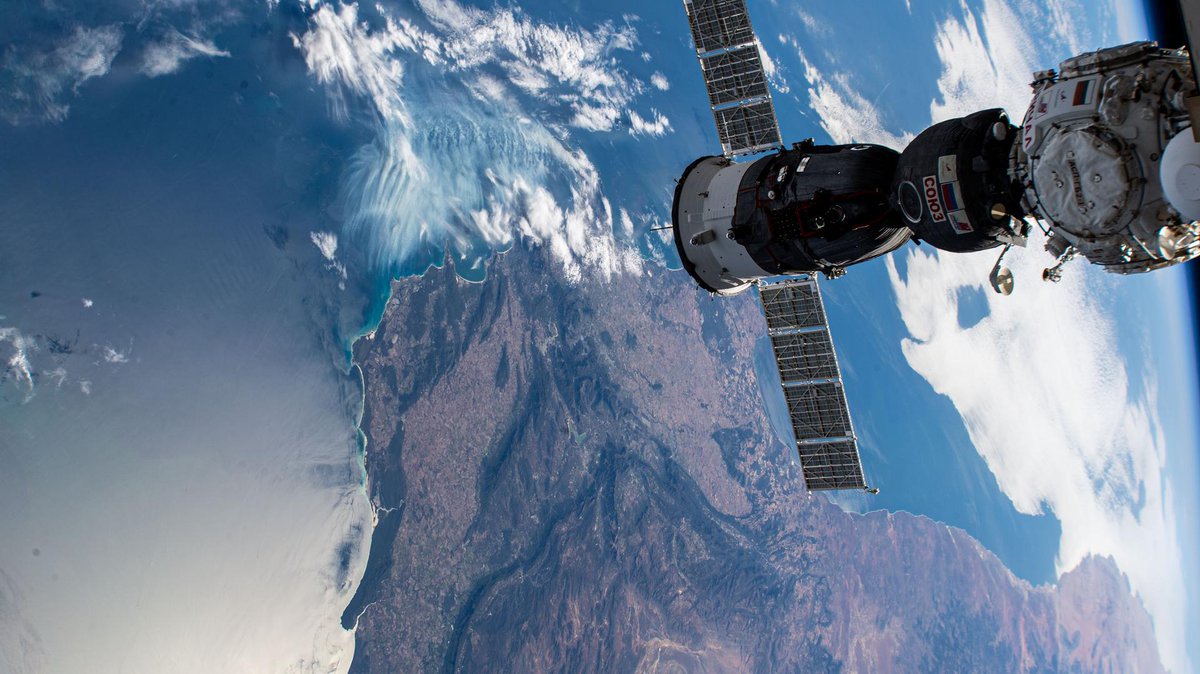
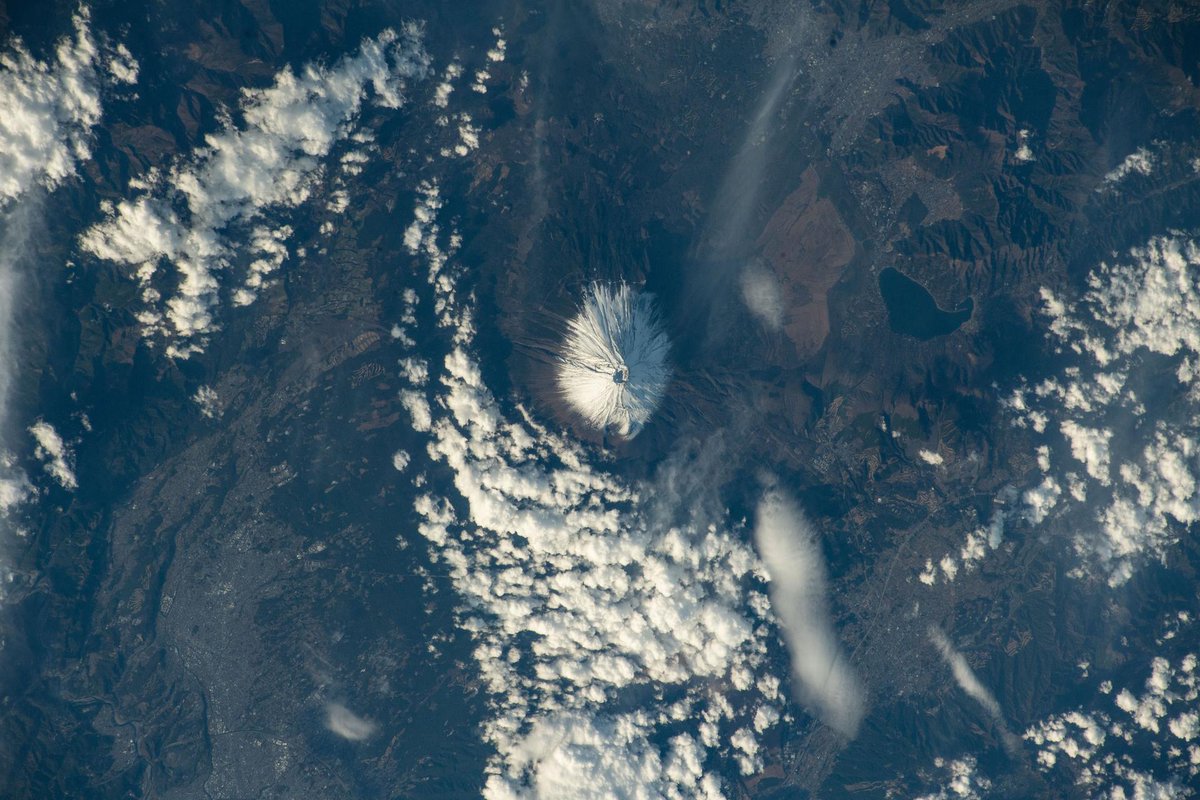
The Soyuz MS-27 spacecraft, docked to the Prichal module of the International Space Station, was orbiting 269 miles above the Indian Ocean near South Africa on April 27, 2025. Launched on April 8, the mission transported NASA astronaut Jonny Kim and Roscosmos cosmonauts Sergey Ryzhikov and Alexey Zubritsky to the station.
#NASA #STEM #Space #Science #Astronomy #EarthPhotography #SouthAfrica
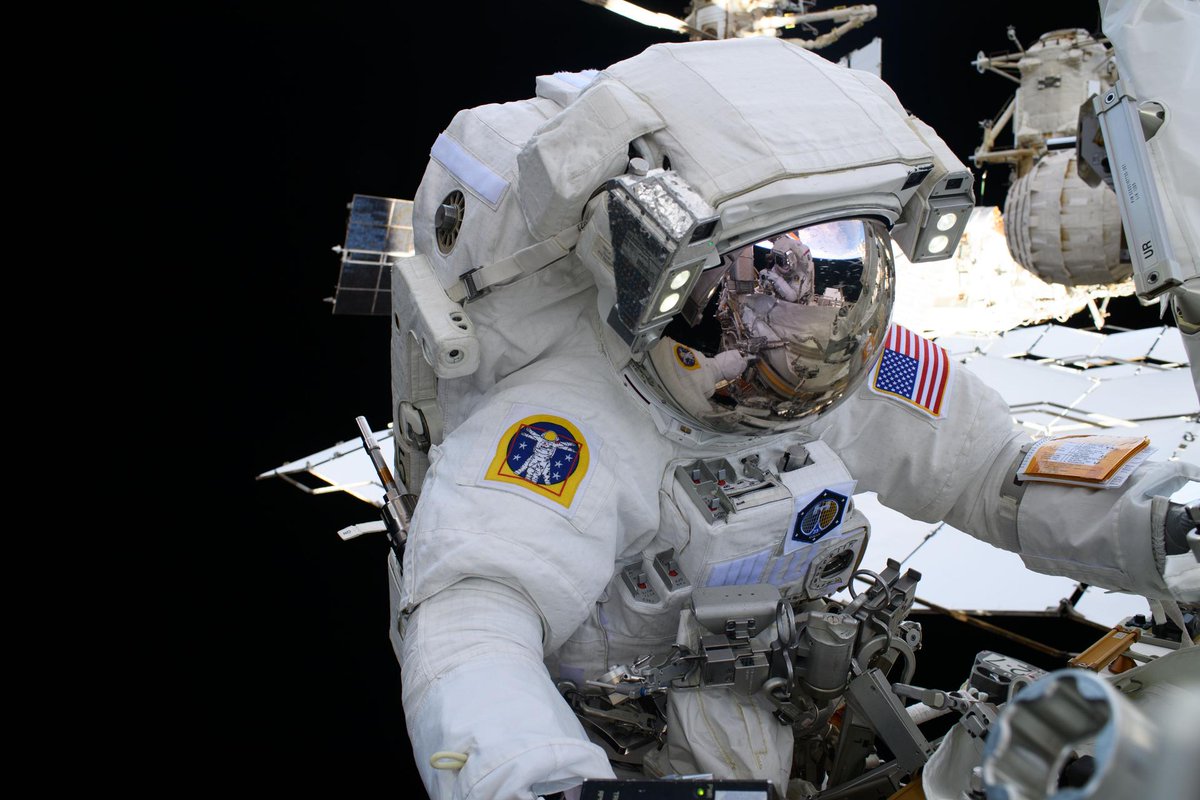
NASA astronaut Nichole Ayers, serving as Expedition 72 Flight Engineer, upgraded the orbital outpost's power generation system and relocated a communications antenna during a spacewalk on May 1, 2025.
#NASA#STEM#Space#Science#Astronomy
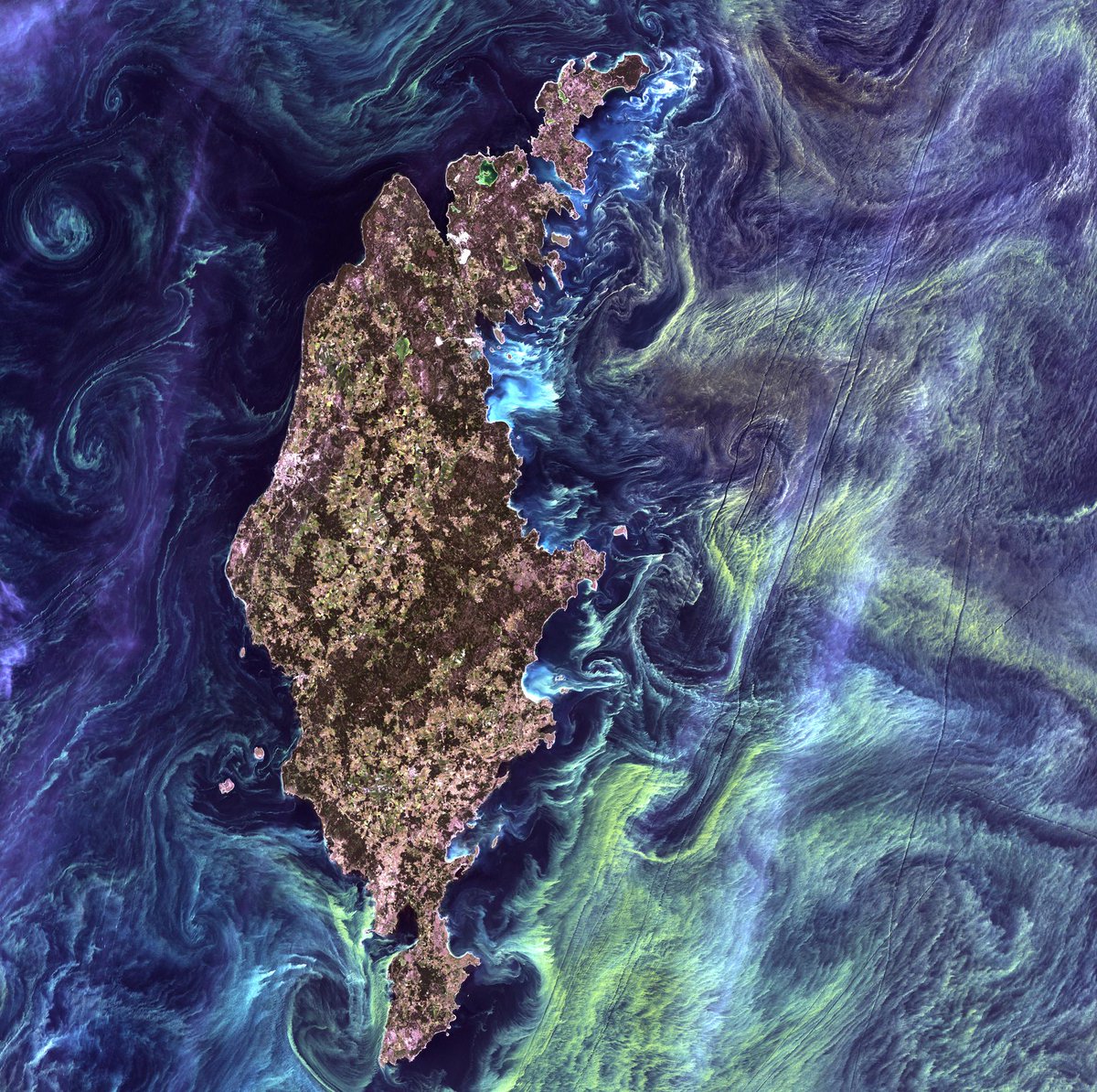
Massive congregations of greenish phytoplankton swirl in the dark waters around Gotland in the Baltic Sea, resembling Van Gogh's "Starry Night". These microscopic marine plants, essential to ocean food chains, bloom profusely when upwelling currents deliver nutrients to the surface.
#NASA #STEM #Space #Science #EarthPhotography #Geography #Sweden #VanGogh
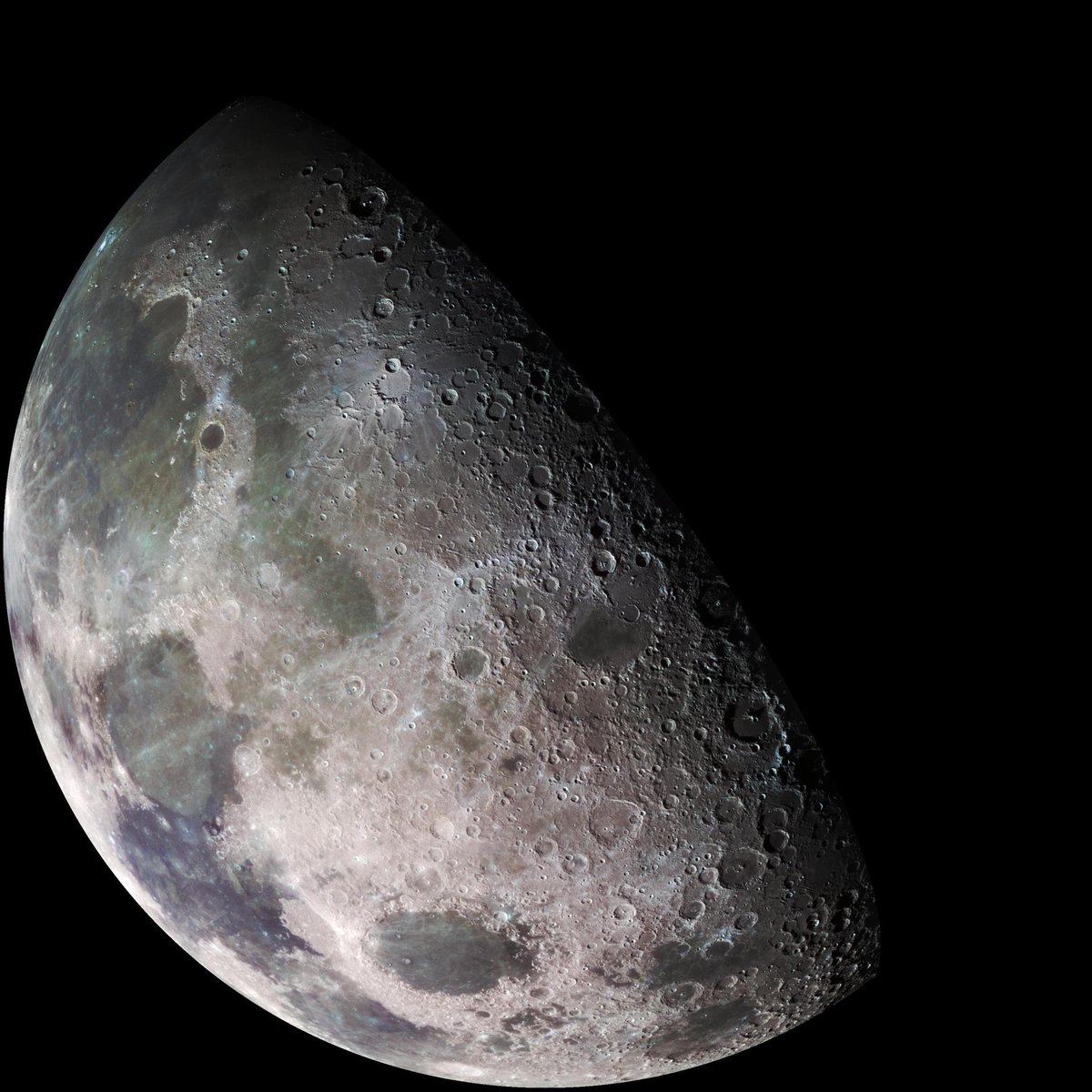
A detailed color mosaic of the Moon's north polar region, composed from multiple images to provide comprehensive coverage of the area’s topography and features.
#NASA#STEM#Space#Science#Astronomy#Moon
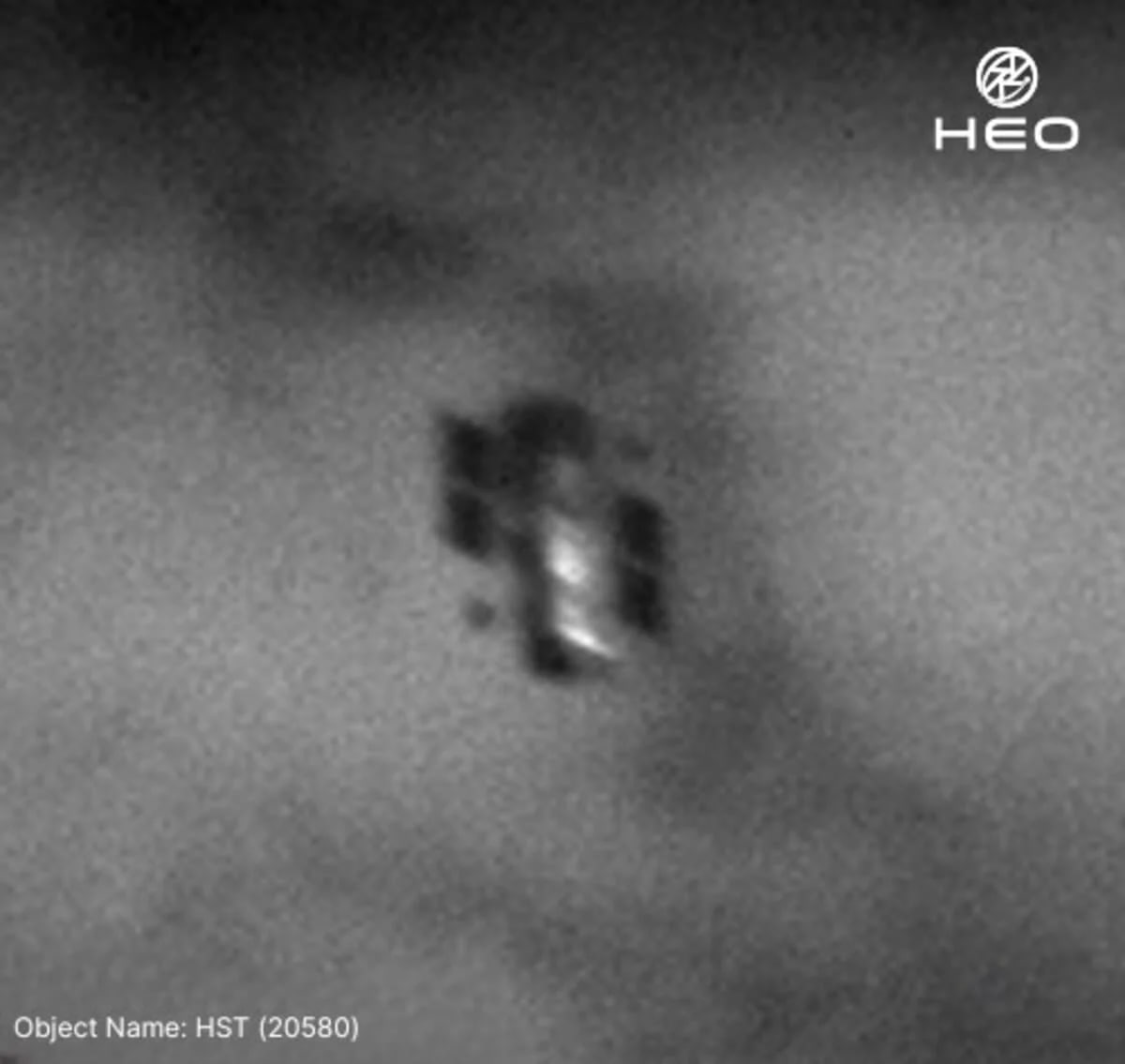
Hubble from 70 km away
An Australian satellite from HEO Robotics photographed the Hubble orbital observatory from a distance of 70 km. This is a rare case when we see not pictures from Hubble, but the telescope itself in space. The image clearly shows large solar panels and the characteristic body of the telescope. The company specializes in photographing objects in near-Earth orbit. It previously published, for example, a picture of the Resurs-P No. 1 satellite before its destruction.
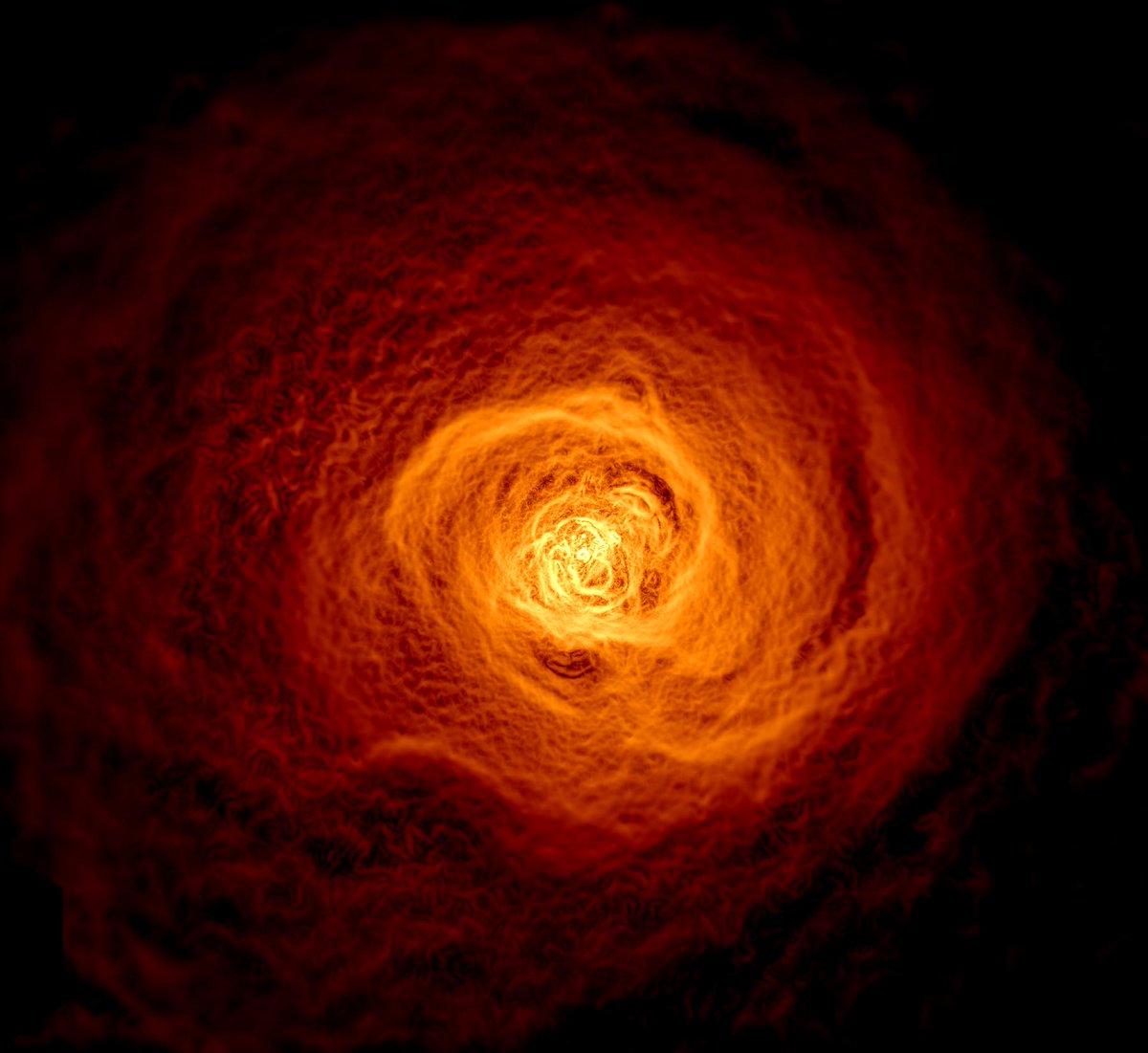
Data from NASA's Chandra X-ray Observatory, combined with radio observations and simulations, revealed a colossal wave of hot gas in the Perseus galaxy cluster, twice the size of the Milky Way and formed billions of years ago following a close encounter with a smaller cluster.
#NASA #STEM #Space #Science #Astronomy #Cosmology #PerseusGalaxyCluster