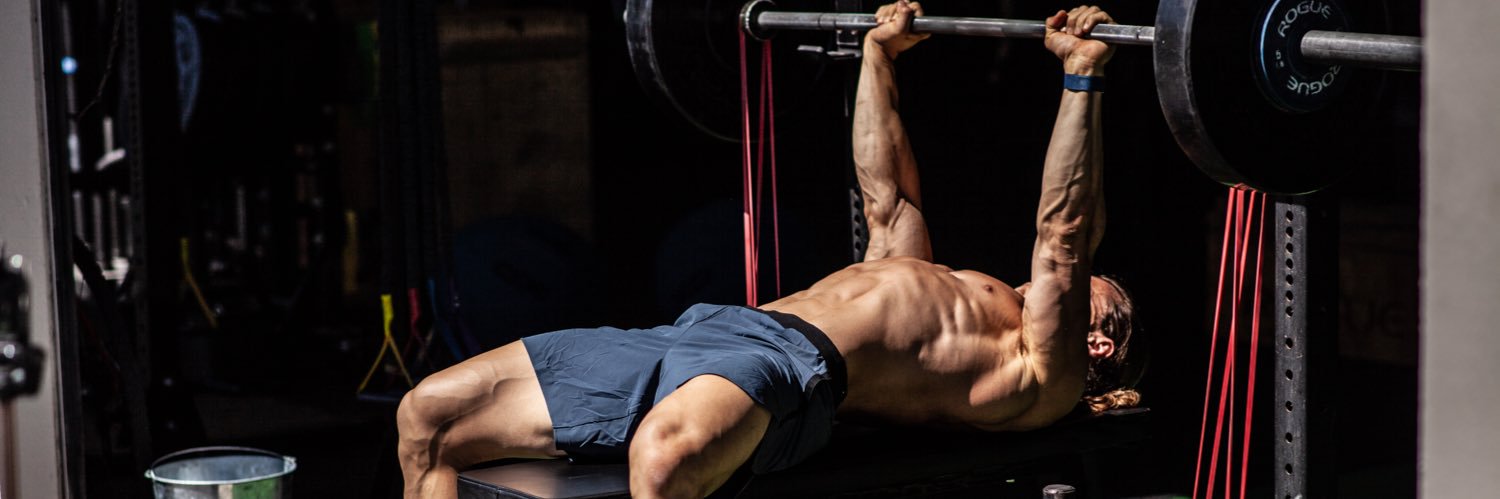
When dumbbells get too heavy on a raise your shoulders stop doing the work. Momentum takes over. You get less out of more weight. Slow down and feel the difference.
Most programs train muscle groups. We train movement patterns. There's a big difference in how you feel when you leave the gym - and how you feel 10 years from now.
One of our clients is in his 60s down 35 pounds and stronger than ever. He's hiking and skiing like he's 30 again. The formula: 3 strength sessions 60 minutes of cardio 10k steps and enough protein.
Unilateral training - single leg single arm - isn't just for rehab. It's how your body actually works in sport and in life. Bilateral strength is the foundation. Unilateral work is what makes it carry over.
7 hours of sleep. 10000 steps. Hitting his calories. Still gained weight for six months straight. Sometimes the variable isn't effort. Sometimes it's what your nervous system is dealing with.
If your schedule is truly irregular - shift work travel young kids - you may need two rhythm templates. One for the standard week one for the chaos. Both are better than none.
He eats clean doesn't snack rarely eats out meal preps every week. And he still doesn't know if he's eating the right amount. Clean is not a number. You need actual data.
Feelings of restriction from food tracking come from the rules you make up around it - not the tracking itself. You can eat cereal and candy and still lose fat. The numbers just have to work.
There's coaching that only sees numbers - weight calories output. And there's coaching that sees the whole person. The first kind works great when life is calm. The second kind is what people actually need most of the time.
In a healthy rhythm cortisol gets you moving in the morning and winds down at night. Chronic stress flips that pattern. You end up tired all day and wired when it's time to sleep. These are classic signs you need a better daily flow.
My client wasn't looking for the perfect program. She was looking for someone to tell her she wasn't crazy for taking her fitness more seriously than everyone around her.
Strong enough to shove a bag in the overhead bin. Strong enough to climb without pain. Strong enough to throw without hurting your shoulder. That's the standard I'm training people toward.
Hinging shows up when you pick something up safely control your butt going down on a chair or stabilize your spine under load. It's one of the most important patterns to train - and one of the most skipped.