Aristotle believed there are three kinds of friendship:
The first is friendship of utility:
These are relationships built around usefulness. Colleagues, professional contacts, people connected by a shared purpose. There is nothing wrong with these friendships. But when the purpose ends, the relationship often does too.
The second is friendship of pleasure:
These are the people you enjoy being with. You laugh together, share interests, and enjoy one another’s company. These matter too. But they are often tied, at least in part, to what you bring—your wit, your energy, your charm. And when those things change, the friendship sometimes does too.
Then there is friendship of virtue:
This is the rarest kind. These friendships are built on mutual respect and admiration—not for what you accomplish, but for your character and values. They love your being, not your doing. They know you deeply, and you know them. They can last a lifetime. Spouses in healthy marriages have this. The closest siblings sometimes do too. So do the rarest of friends. Most people have very few of these. Strivers often have none.
Many successful people are surrounded by others and still lack this kind of friendship. Achievement often trains us to be admired, not known. To perform well, not reveal weakness. So strivers tend to accumulate friendships of utility—and because success can be attractive, friendships of pleasure too. But they are often missing friendships of virtue. A lot of deal friends. Very few real ones. That emptiness is often where the meaning crisis begins.
Here’s the exercise I give my students:
List the ten people you spend the most time with each week. Then label each one: utility, pleasure, or virtue.
A full social life is not the same thing as deep friendship.
And one of the clearest markers of a meaningful life is not how many people are around you, but how many truly know you.
~first #aerocano is from sb; ok i get it 1000x better than IA; can't wait for other #Baguio specialty coffee shops to add to their menu esp those who use light to medium roasts
In our culture we tend to equate thinking and intellectual powers with success and achievement.
In many ways, however, it is an emotional quality that separates those who master a field from the many who simply work at a job.
Our levels of desire, patience, persistence, and confidence end up playing a much larger role in success than sheer reasoning powers.
Feeling motivated and energized, we can overcome almost anything.
Feeling bored and restless, our minds shut off and we become increasingly passive.
Once in a Blue Moon 🔵
While the Blue Moon that you'll be able to spot in the night sky this Sunday, May 31, won’t actually appear the color blue, it will still be a rare sight!
This name refers to a second full Moon visible in a single calendar month.
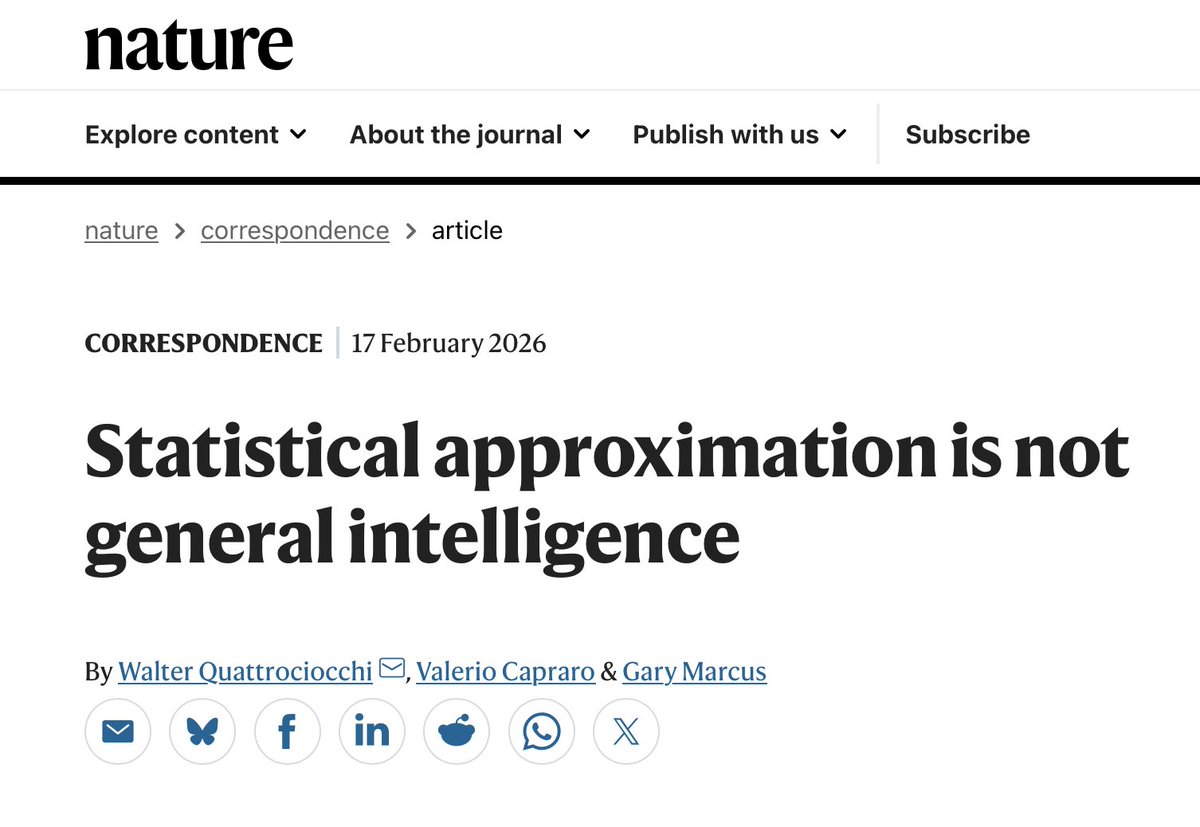
Artificial intelligences do not undergo experiences, do not possess a body, do not feel joy or pain, do not mature through relationships, and do not know from within what love, work, friendship or responsibility mean. Nor do they have a moral conscience, since they do not judge good and evil, grasp the ultimate meaning of situations, or bear responsibility for consequences. They may imitate or even simulate, but they do not understand what they produce, for they lack the affective, relational, and spiritual perspective through which human beings grow in wisdom. #MagnificaHumanitas
The Pope is making exactly our point. LLMs “may imitate or even simulate, but they do not understand.”
This is the core epistemic fault line.
Most AI evaluation is still based on one assumption: if a system statistically approximates human behaviour, then it is close to human intelligence.
But approximation is not intelligence.
Simulation is not understanding.
LLMs can produce the right answer without knowing why it is right. They can simulate empathy without feeling. They can imitate judgment without responsibility. They can generate coherent explanations without having a world to which those explanations are accountable.
Stop confusing behavioural similarity with cognitive equivalence.
Human understanding is embodied, affective, relational, motivational, and normative. It is not just the production of plausible text.
*
Full paper in the first reply
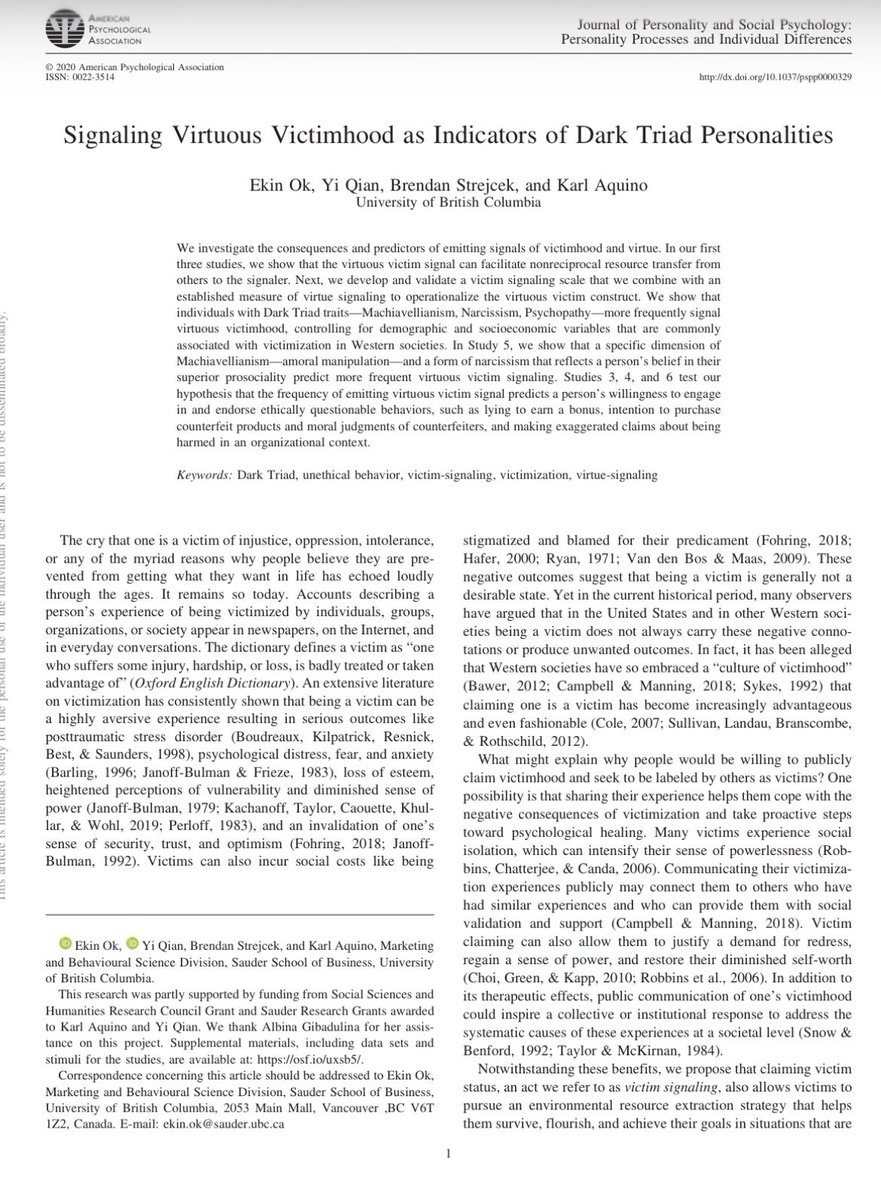
To everyone complaining about Gen Z, let's take a look at the evidence:
Young adults today are more empathetic, less narcissistic, more open-minded, more inclusive, and more patient than their predecessors. Bullying and drug use are also down.
The kids might be all right.
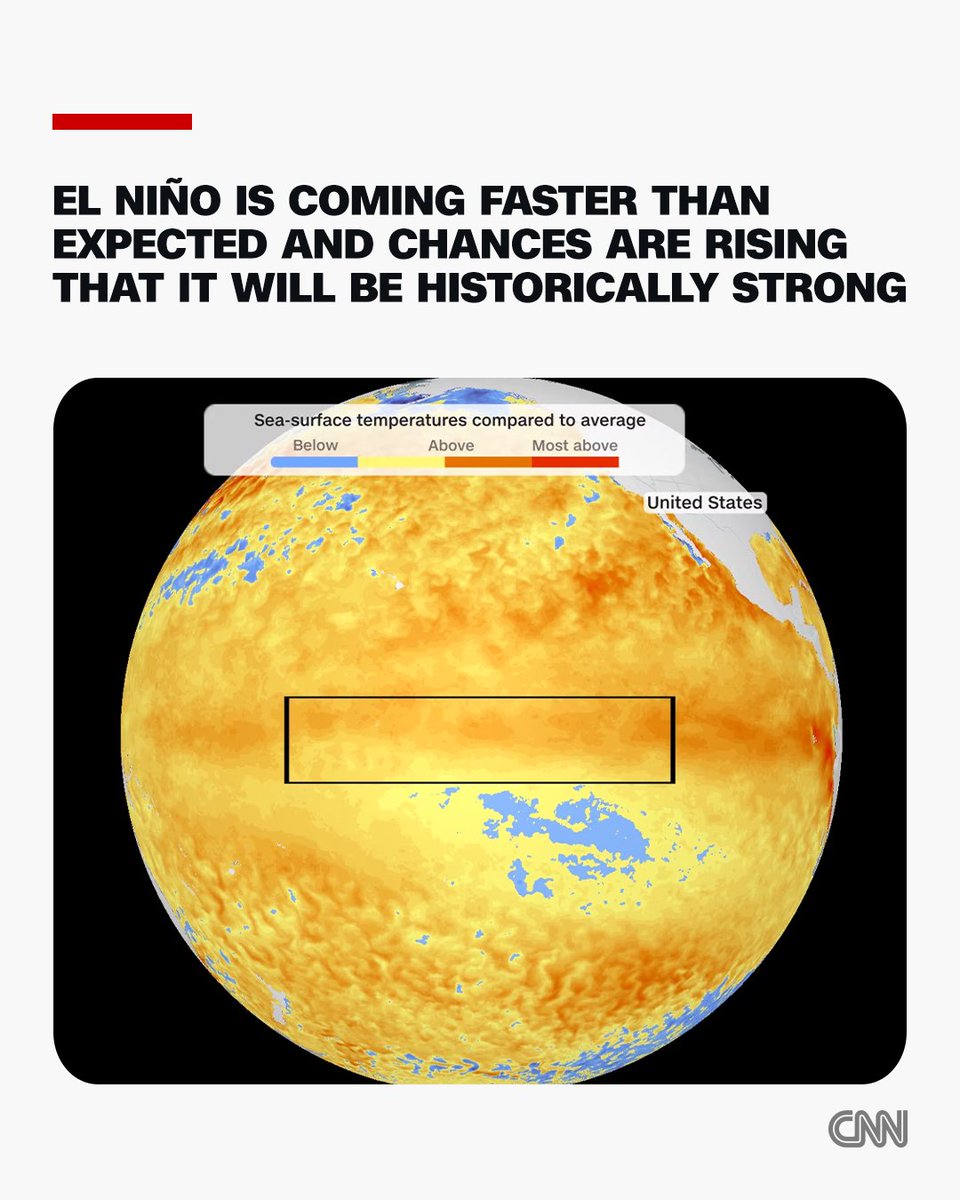
An El Niño will likely arrive later in the year, according to sea level data from Sentinel-6 Michael Freilich. The satellite—which measures the height of the entire ocean every 10 days—captured a swell of warm water hundreds of miles wide in the Pacific Ocean off the coast of South America.
El Niño is emerging even faster than expected in the Pacific Ocean and odds are increasing that it could become historically strong — a rare "Super" El Niño — by fall or winter. https://t.co/rMg9twp0sK