--2026 Media Thread--
Gonna try to do this again. Shows, Anime, Movies, Games, Manga, etc.
You can also follow what I watch on these sites:
https://t.co/A5pBVAwRAN
https://t.co/oMFy8rlEfu
https://t.co/98aYcZMxfs
https://t.co/FrxtLlY2XP
#RPGstuffdaily#ttrpg
“Sensitivity Readers” for RPGs
TTRPGs are games of pure imagination. At their best, they let players and GMs create worlds filled with dragons, ancient evils, moral dilemmas, heroic triumphs, and terrifying horrors. The hobby thrives on creative freedom—the freedom to explore dark themes, complex characters, and uncomfortable situations without external gatekeepers deciding what is “acceptable” to imagine.
Yet Wizards of the Coast has recently taken another step in the opposite direction. They’ve formed a new D&D Community Advisory Group that includes sensitivity readers and DEI-focused voices tasked with reviewing and “challenging” game content for potential issues of representation or offense. This approach treats fantasy RPGs as if they require pre-approval from professional offense detectors before reaching tables. And what is really laughable is I have more experience across more games and genres and more education and more real world experience than these pronoun folks that WotC has hired. Not to be a jerk (as if I care), but their opinions mean nothing to me.
This is a fundamental mistake for the genre. Dungeons & Dragons and the broader TTRPG space have always featured mind flayers devouring brains, demonic cults, rampaging orc hordes, undead liches, and morally ambiguous anti-heroes. These elements are not bugs—they are features of sword-and-sorcery storytelling. Applying sensitivity filters to such content risks sanding off the danger, moral complexity, and raw edge that make the games compelling.
For over five decades of running games, no external reader has ever been needed to portray a chaotic evil sorcerer, a brutal raider tribe, or a seductive fiend. The table itself is the ultimate arbiter: players communicate boundaries, vote with their participation, and resolve issues through open discussion like adults. Outsourcing imagination to corporate committees produces sanitized, lowest-common-denominator material that often lacks the power and memorability of older, freer designs.
Sensitivity readers do not enhance creativity in a hobby built on freedom—they constrain it. They transform dungeons into carefully managed spaces and turn epic conflicts into lectures. The real vitality in TTRPGs today lives in the OSR, indie scenes, and homebrew tables where creators and players reject external policing and prioritize bold, unfiltered play.
Run what excites your group. Explore the dark, the weird, and the glorious without apology. Imagination doesn’t need training wheels.
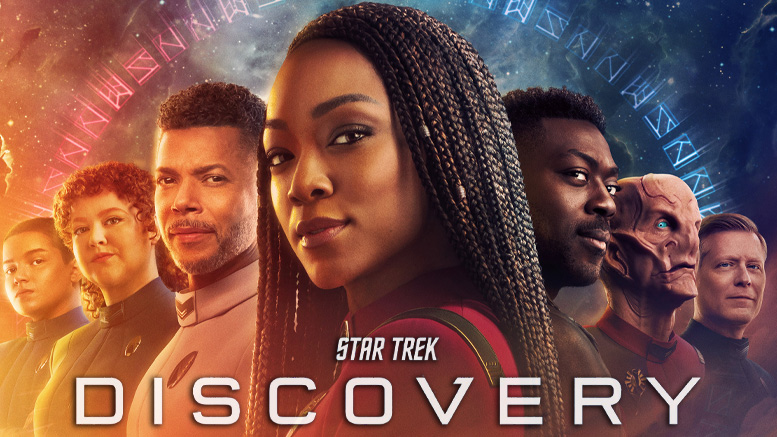
Star Trek Discovery (Season 5/Final)
Finally finished it. The 5th season was enjoyable even if I thought the core macguffin was stupid. I liked the more mystery/puzzle focused plotline & how it wrapped up its character subplots alongside it.
--2026 Media Thread--
Gonna try to do this again. Shows, Anime, Movies, Games, Manga, etc.
You can also follow what I watch on these sites:
https://t.co/A5pBVAwRAN
https://t.co/oMFy8rlEfu
https://t.co/98aYcZMxfs
https://t.co/FrxtLlY2XP
Spider Noir
I enjoyed myself from start to finish. The show really plays up the campy writing & noir atmosphere perfectly. The black & white airing does a lot to make it feel immersive as well. Nicholas Cage is in peak form here hamming up every line & movement to really sell it.