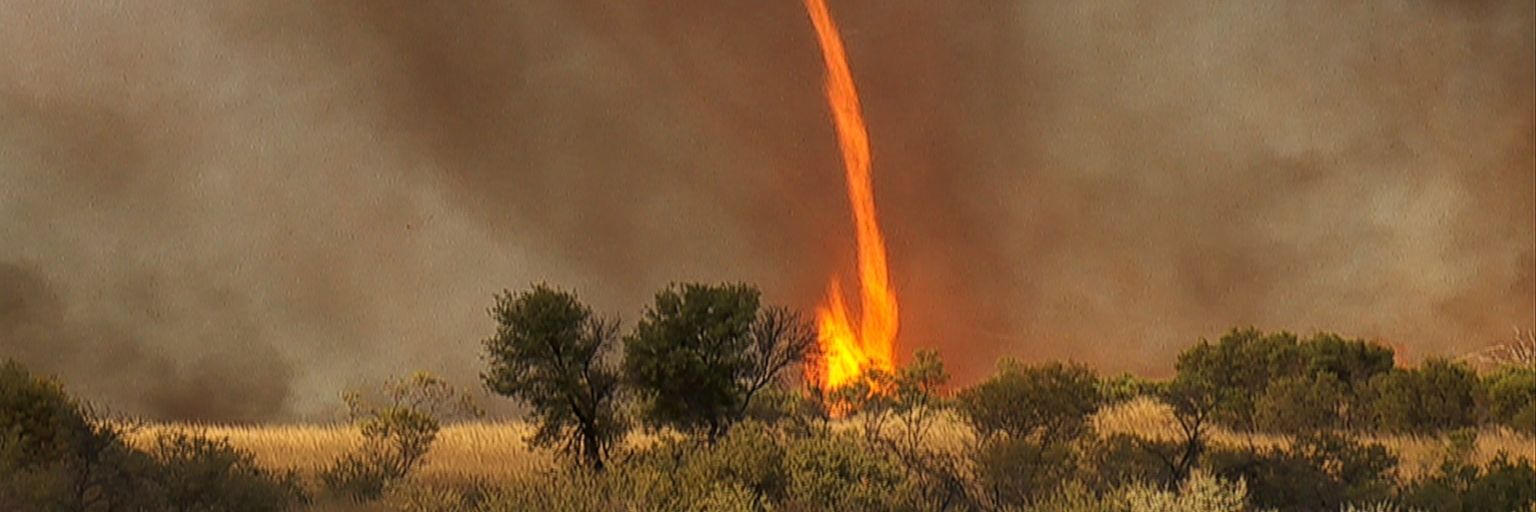
@MichaelWWara makes a critical point here:
Preventing home loss due to wildfire means preventing/stopping the small number of extreme fires that are disproportionately responsible for damage and loss. A significant majority of fires cause little to no loss.
This is crucial because it suggests that solutions that make it easier/faster to put out easy to contain or suppress fires are unlikely to make a difference. Only solutions that reduce or prevent losses during hard (or impossible) to suppress fire days can address the challenge
@MichaelWWara@gollnerfire Jumping over to this platform to like your posts here, too 😏
Good fuels management (Rx fire in wildland/WUI fuels and fire breaks near communities), actual defensible space around and between homes, and multiple home hardening strategies…
Not easy, but it works 🤷♂️
@hollygolytlee@shaunvlog_ Normally I’d agree with this statement, but bear in mind that, being from Scotland, Shaun has a body metabolism that is perfectly designed to assimilate high caloric intake with large amounts of saturated fats 😏
@FinanceDirCFO I’ve got you…
But that quote is up there with “I have a cunning plan” and “Listen carefully, I shall say this only once” for folks of our maturity 😏
How about this one?
“‘Under consideration’ means we’ve lost the file; ‘under active consideration’ means we’re trying to find it”
@imetrich So many great bands… Stone Roses, James, the Charlatans, Chemical Brothers, the Verve, the Happy Mondays of course, along with a ton of lesser known bands. And obviously the Smiths, New Order and the Fall set the stage for the whole movement. Great period in British music!
@PaulRoundy1 As a general rule, the highest risk for damaging fire is during the transition from El Niño to La Niña. Not just because of the temp/precip impacts, but also because the likelihood of extreme downslope windstorms (Santa Ana, etc) increases during La Niña.
@PaulRoundy1 Absolutely.
That’s one of the challenges with wildfire and ENSO. Direct near-term impacts due to temp/precip and indirect long-term impacts due to vegetation dynamics.
So there can definitely be either increased or decreased risk depending on relative timing of El Niño.
@paget_old@FinanceDirCFO these are getting out of hand, lol. I don’t know Glasgow at all; the closest I got was in 1986 when I played a junior tennis tournament in Milngavie (and yes, I do know how to pronounce that 😏).