@PopCrave@AppleMusic Only artist that genuinely dont give a fuck is Lana del Rey. She puts out a single on a random Tuesday. No promotion. Nothing. Sometimes dont even announce it. She’s been gate keeping her new album. Refuse to release unreleased songs that go viral on TikTok
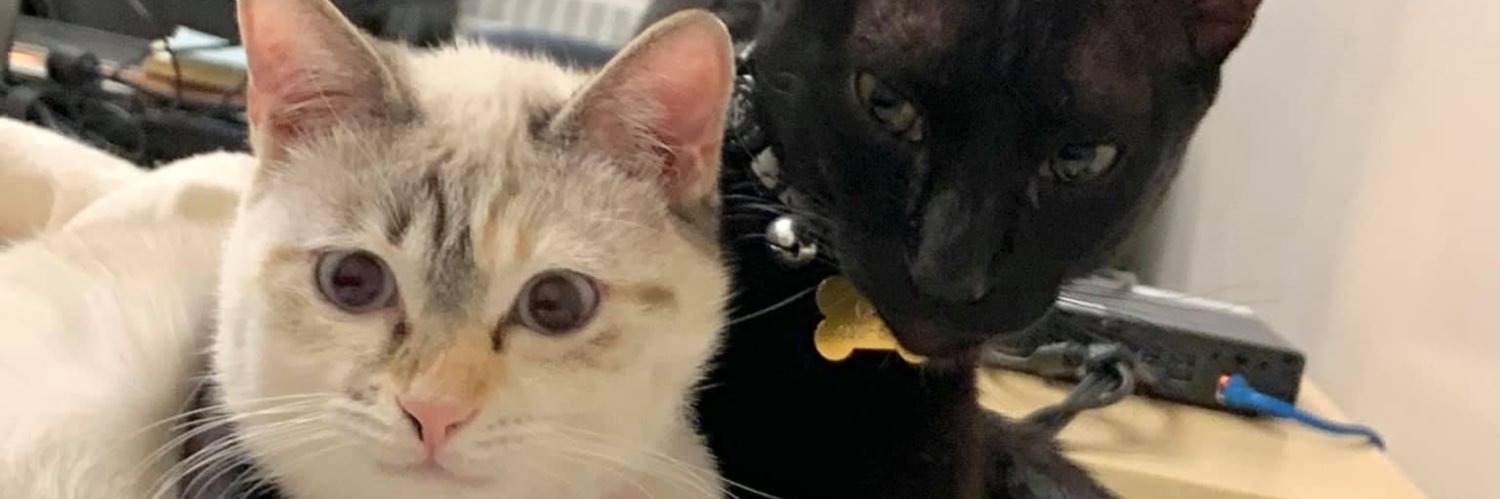
Toru Miyazaki gave 11 cats with advanced kidney disease an experimental injection. 15 others didn’t get it. A year later, 9 of the 11 treated cats were alive. Only 3 of the 15 untreated cats survived. He just filed for approval, and the drug fixes a defect only cats have.
Most cats die from one thing: their kidneys fail. By age 10, 4 in 10 cats already have chronic kidney disease, and by age 15, the rate doubles to 8 in 10. Once diagnosed, a cat has about 2 years left.
The reason kidney disease hits cats so hard is a broken protein in their blood. All mammals carry a protein that helps the kidneys clean out waste. In humans and dogs, the protein floats freely and goes to work when the kidneys are in trouble. In cats, it stays stuck to another protein and can’t get loose. So the waste piles up, and the kidneys eventually give out.
Miyazaki originally found the protein in 1999, back when he was at the University of Tokyo. He figured out the cat-specific glitch in 2015. The paper he published in the Veterinary Journal in February laid out the trial. The injection is a working version of the missing protein. His company, the Institute for AIM Medicine, filed the approval paperwork with Japan’s Ministry of Agriculture on April 24, 2026. If the review clears, the drug goes on sale in spring 2027.
The 30-year lifespan figure in the tweet is Miyazaki’s own projection of what cats could reach without kidney disease. The trial only ran a year, and the average cat today lives 15. Most die from the same disease this injection treats.
The research almost died in 2020. After running out of funding during COVID, Miyazaki went public. Cat owners across Japan responded by sending in 300 million yen, around 2 million dollars total. He resigned from the University of Tokyo and worked on the drug full time. The treatment in front of regulators today exists because cat lovers refused to let the research die.
BBC report and documentary, on the plight of poor Afghan fathers forced to sell their children to survive.
Except you have to read some way into the article - which is around 2,500 words long - before it becomes clear they are specifically selling their daughters into child marriage and domestic slavery.
“If I sell one daughter, I could feed the rest of my children for at least four years,” says one father.
Another father, pictured in the article, sold his five-year-old little girl. The framing is extraordinary.
Not only because the fact only female children are being sold is presented as unremarkable.
But also because the fathers making the decision are presented as the victims - rather than the girls who will actually live with the consequences of it.
The fathers’ desperation is real and tragic. But so is the reality that these girls are being treated as commodities.