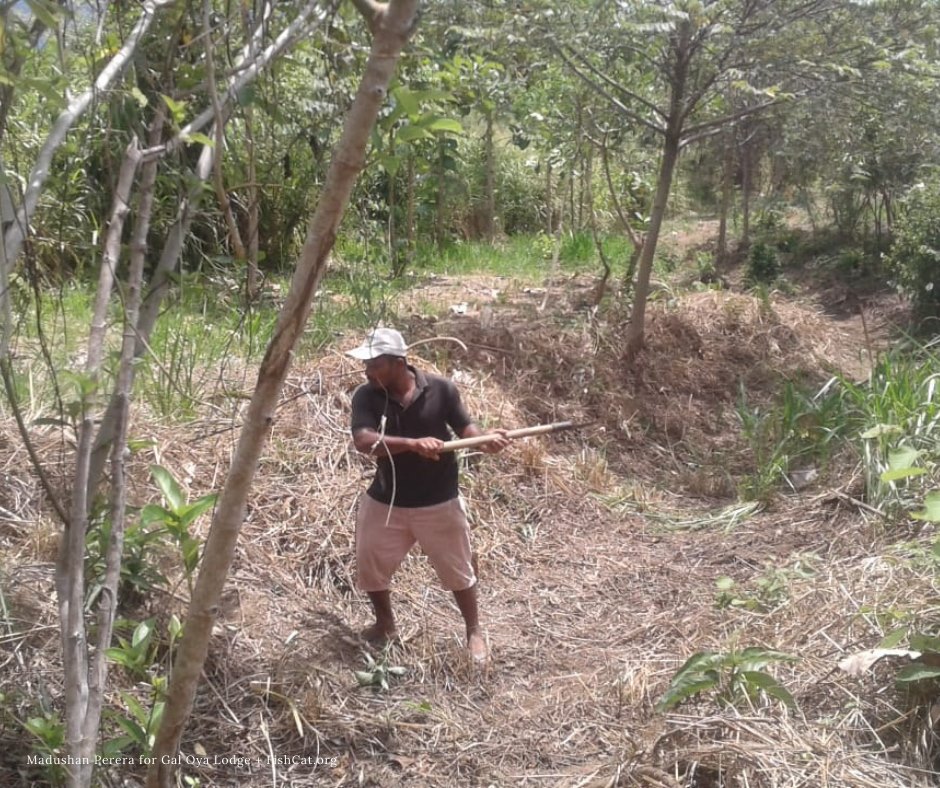
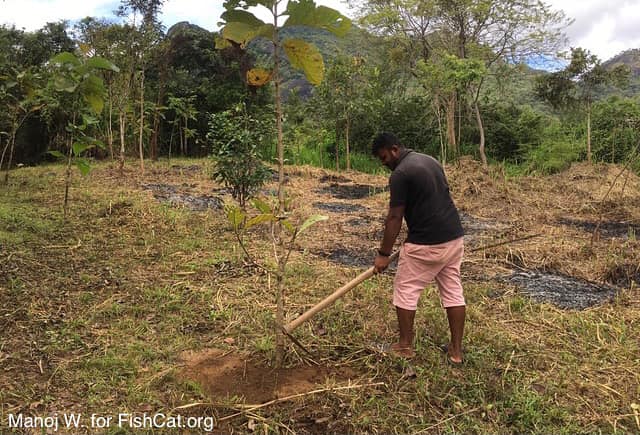
Our partner, the Gal Oya Lodge, has been making tremendous progress in the reforestation site! Thank you to Upasena and Madushan for their dedication despite difficult times. The obstacles they have encountered include harsh weather, the pandemic, and even elephants!
In Sri Lanka, we are partnered with the Gal Oya Lodge and our Restoration Specialist, Upasena, who is working to restore over 17,000 square feet of land. He removed native grasses and replanted native trees that will provide for a more natural habitat for wildlife🐾
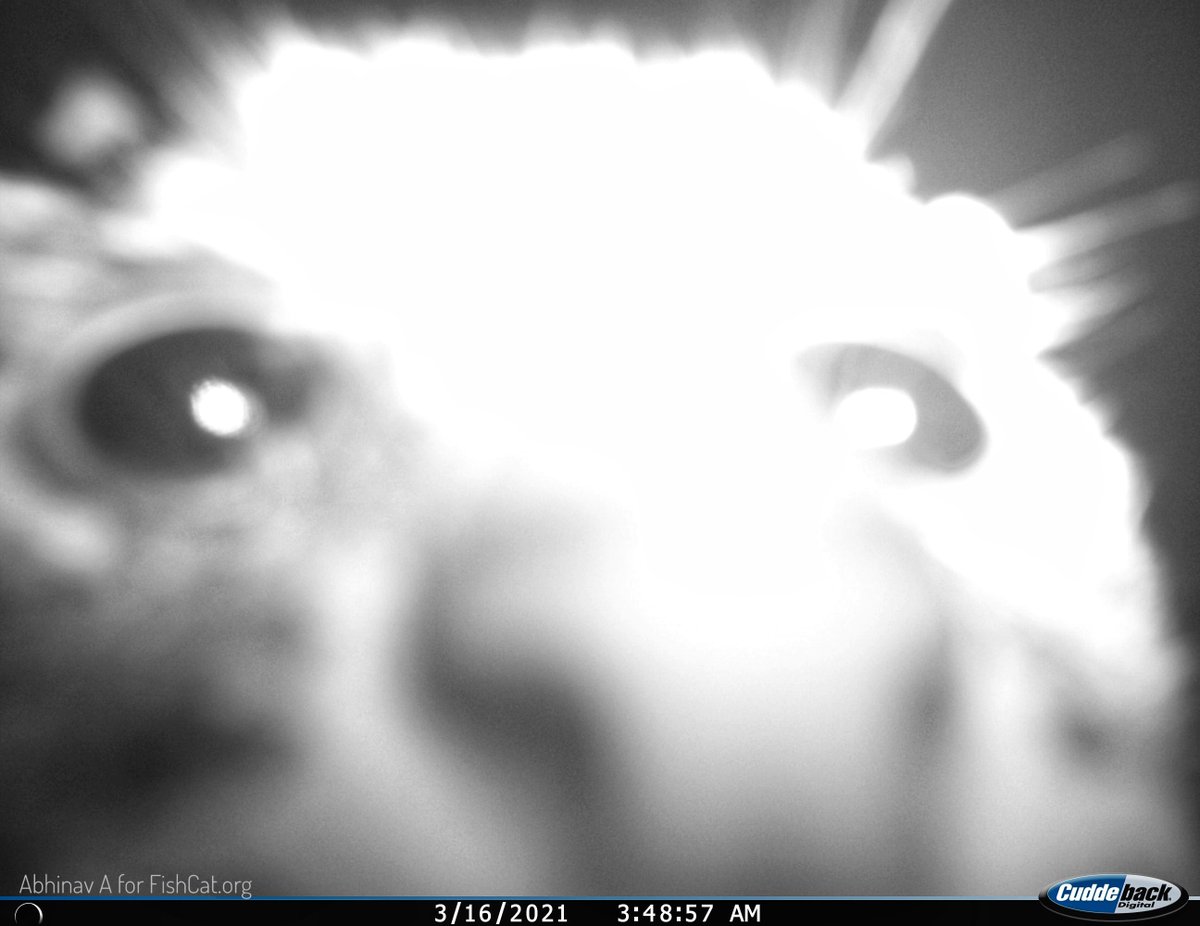
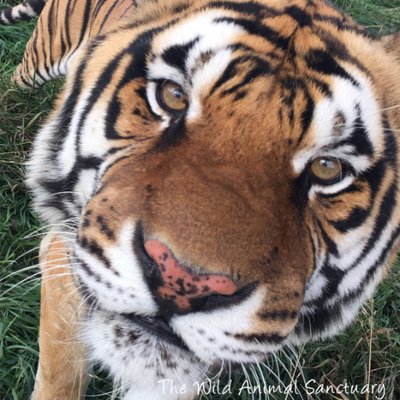
Our camera traps in India caught sighting of a fishing cat (Prionailurus viverrinus) taking a closer look at our cameras! Fishing cats are elusive animals but can be found in the wetlands and mangrove forests of South and Southeast Asia. We hope to see more photos in the future!
Growing mushrooms can provide an alternative livelihood and a source of income that can incentivize restoration and reduce further mangrove destruction for aquaculture 🌳
Our permaculture specialist, Sushma, is experimenting with the cultivation of milky white mushrooms. The mushrooms are successfully growing, proving that the environmental conditions are suitable for the cultivation.
#MushroomCultivation#Conservation#AlternativeLivelihood
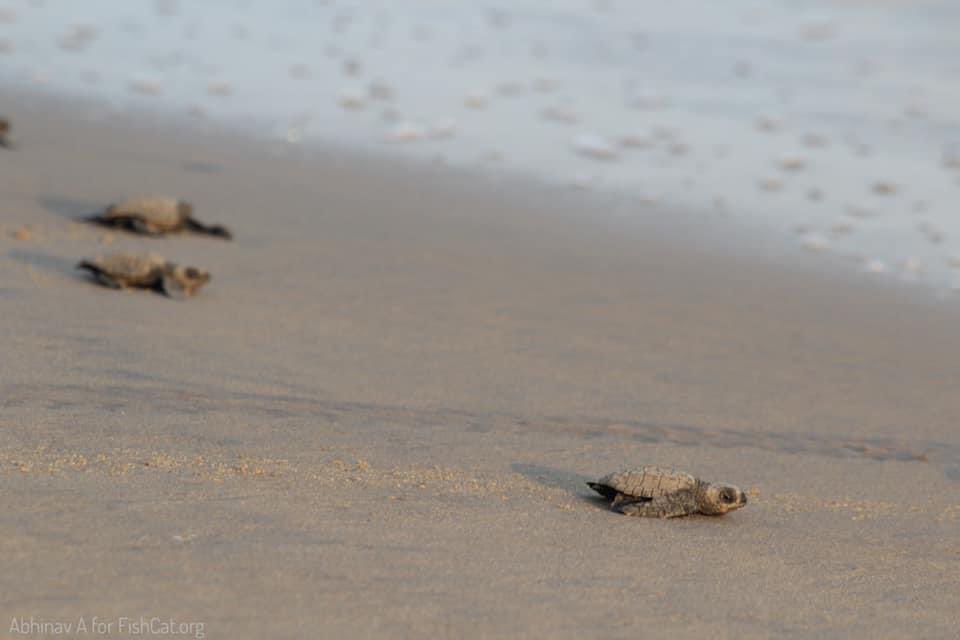
Olive Ridley sea turtle hatchlings head towards the ocean to catch their first wave 🌊
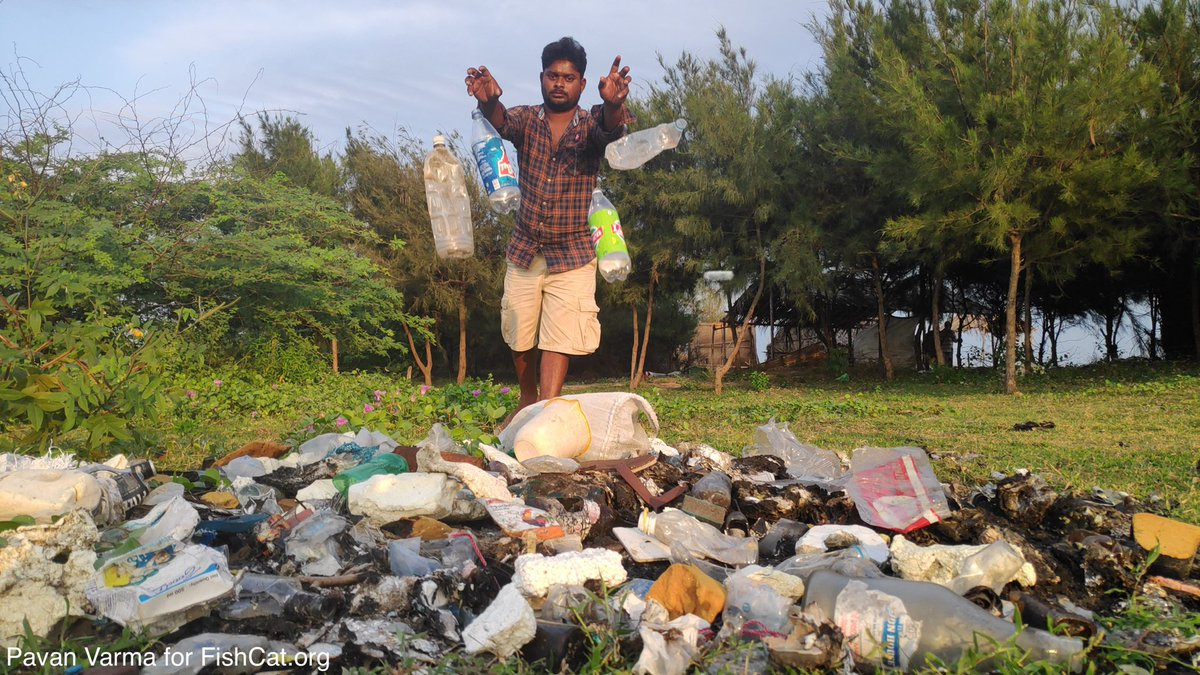
We have helped fund and equip several of the Andhra Pradesh forest department field staff, improved their turtle nest protection design, and removed trash from acres of turtle nesting grounds.
In early March, the solar panels went up in our Nature Reserve! These panels are going to power part of our future Earth Camps. However, it is currently being used by a Land Partner and his team working with the Forest Department to monitor the nesting of the Olive Ridley turtles
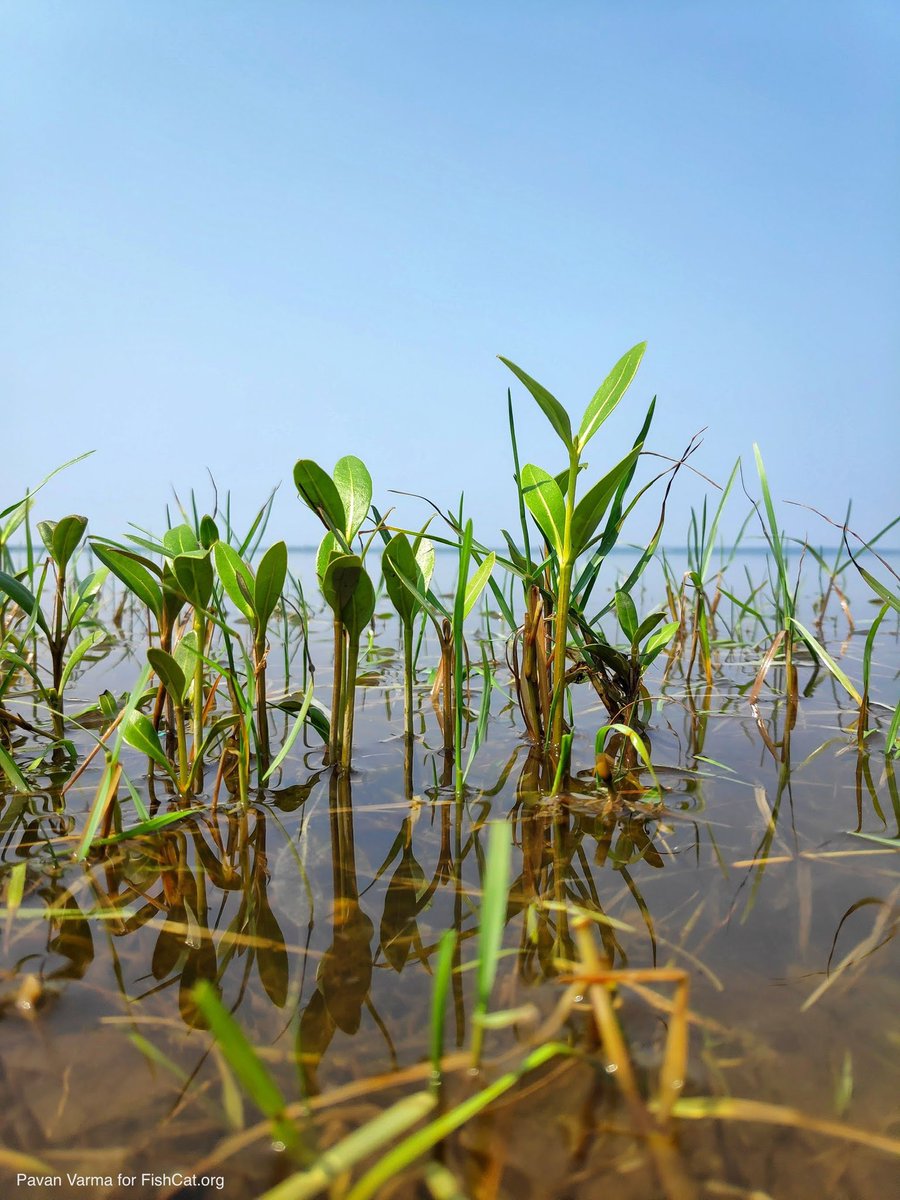
Did you know that mangroves seeds can be dispersed by sea currents? This little seed arrived at our Nature Reserve and may turn into another sapling 🌱 that serves our vision to restore mangroves where they have been lost 🌳
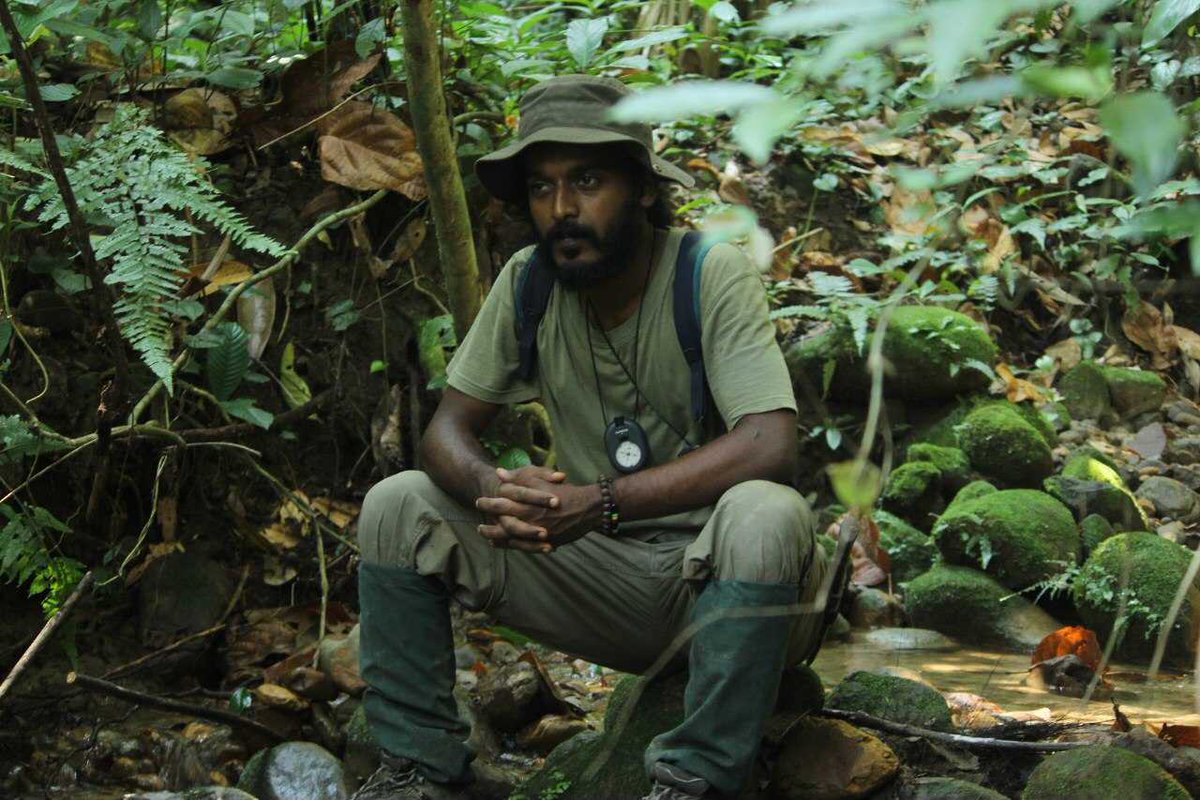
Our team on the Nature Reserve in India checking the night cameras that took those amazing photos last week! Abhinav, our Nature Reserve Manager, leading the group followed by Sushma, our Restoration Specialist, and Pavan, our Field Conservationist🐾
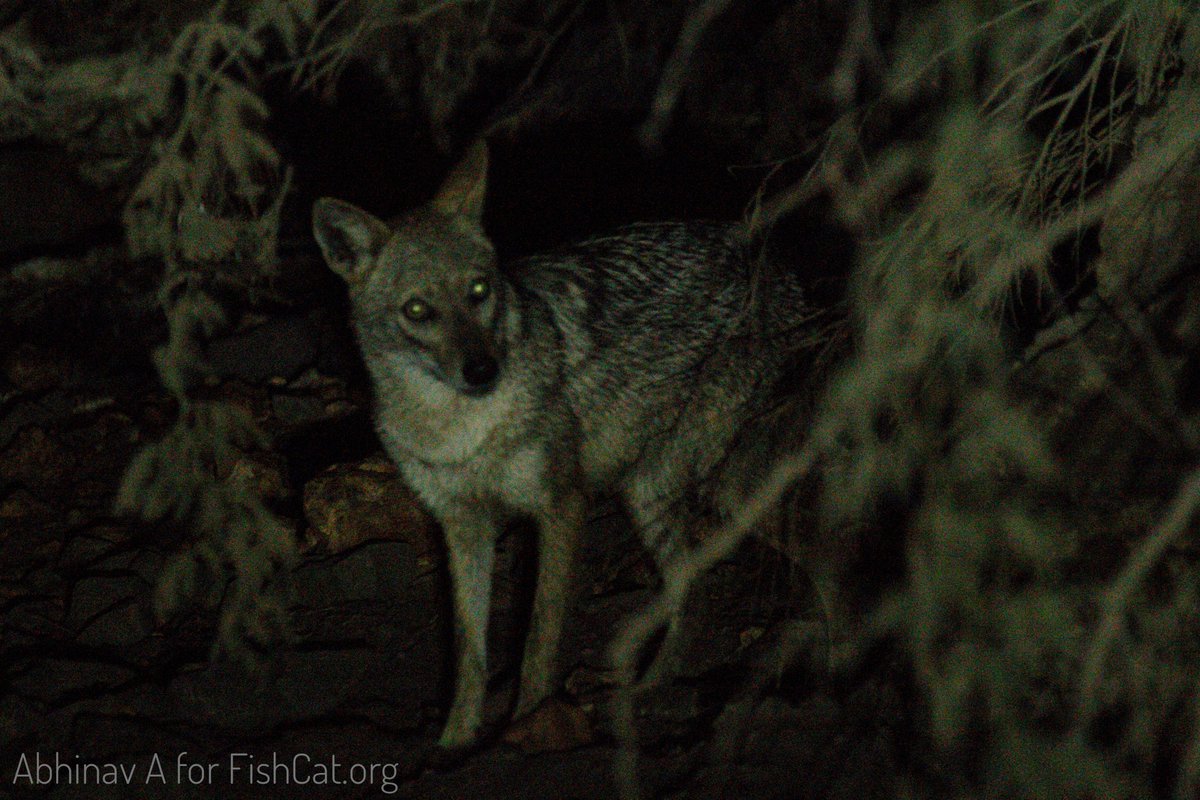
Our cameras caught two visitors on the Nature Reserve during the night! A possible jungle cat and an Indian Jackal aka Golden Jackal. Our Nature Reserve in coastal India is rich with biodiversity from the region. One can also spot sea turtles, water monitor lizards, and more!
We are excited to share that Abhinav, an experienced wildlife conservationist, recently joined FishCat in January 2021 as our first Nature Reserve Manager! Keep track of us for more @FishCat.org 🐾
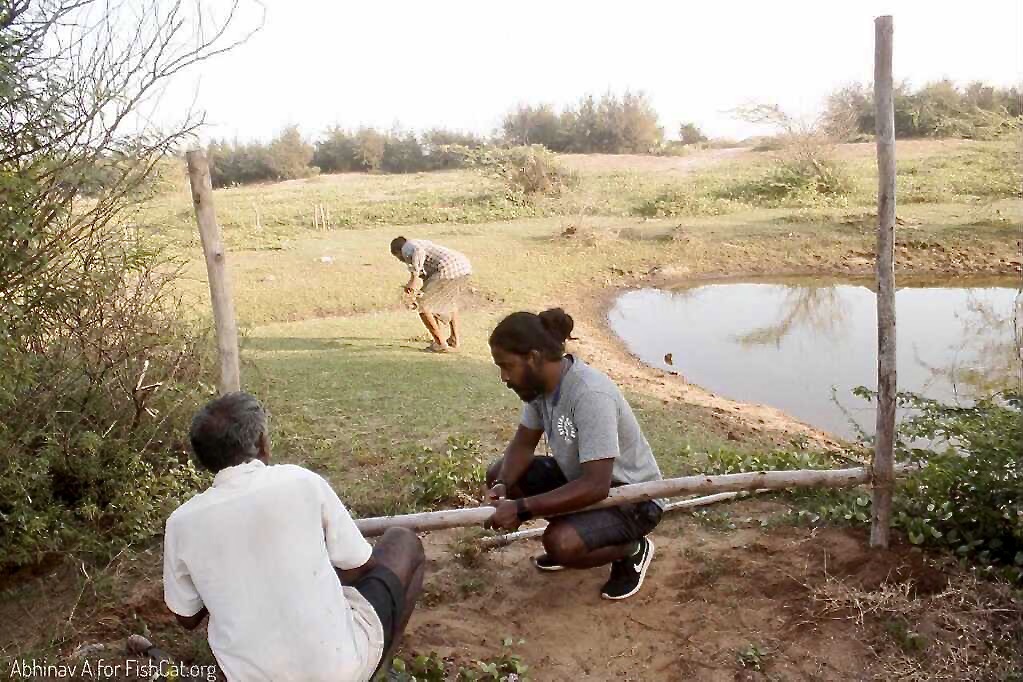
Using non-native thorny plants to create fences that protect native plant saplings 🌱 from being eaten and trampled over by cattle 🐄
#conservation#reforestation#fishcat
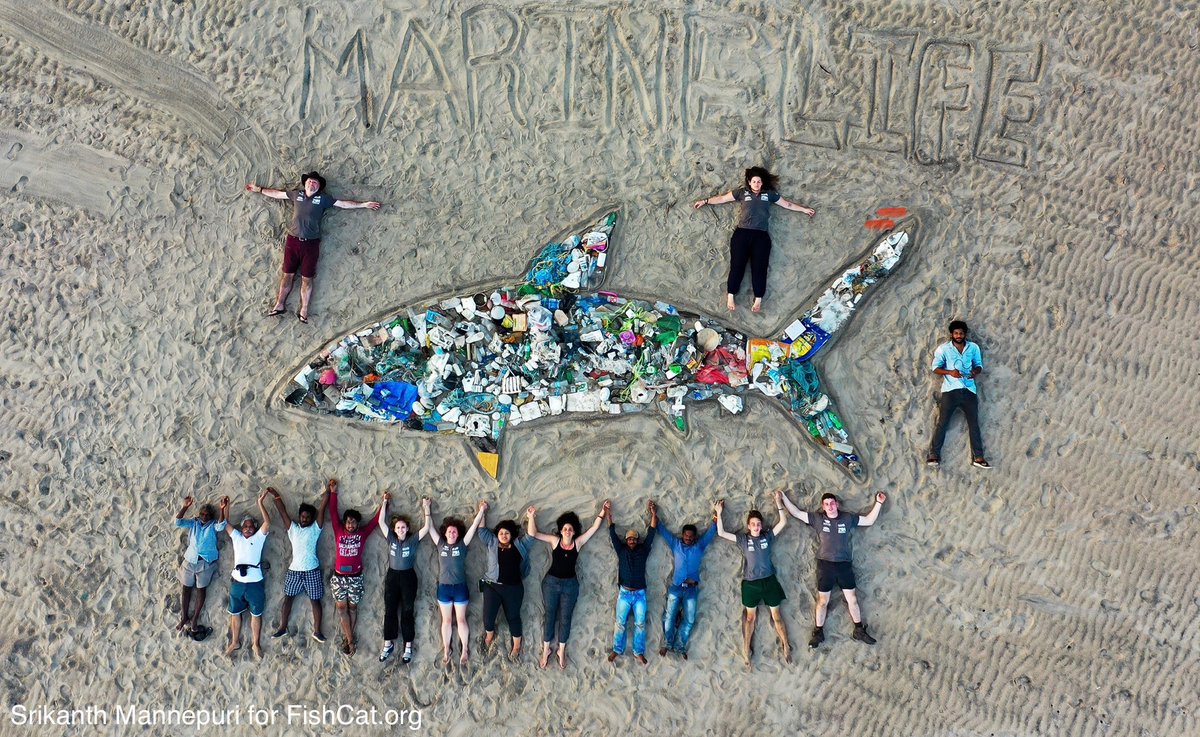
Repurposing human-generated waste into conservation messaging. Our next plan is to build structures that can stand the test of time 🐢🦈
Are you an architect interested in joining our team?
#Repurpose#CircularEconomy#Architecture
Restoring & protecting mangroves can:
3. Provide for sustainable livelihoods 🐟
Seafood is highly abundant in mangroves, providing local fishermen with a rich supply of fish, crabs, and shrimp to sell for income. Some mangrove species are known to have medicinal properties.
3/3
Restoring and protecting mangroves can:
1. Protect coastlines around the world 🌳
Mangrove root systems hold sediments and act as a natural barriers against storm surges and floods.
#Conservation#Restoration#Mangroves#FishCat
1/3
Restoring and protecting mangroves can:
2. Combat climate change 🌎
Mangroves sequester a large amount of carbon dioxide, upwards of 5 times more CO2 than upland forests.
#Conservation#Reforestation#Mangroves#FishCat
2/3