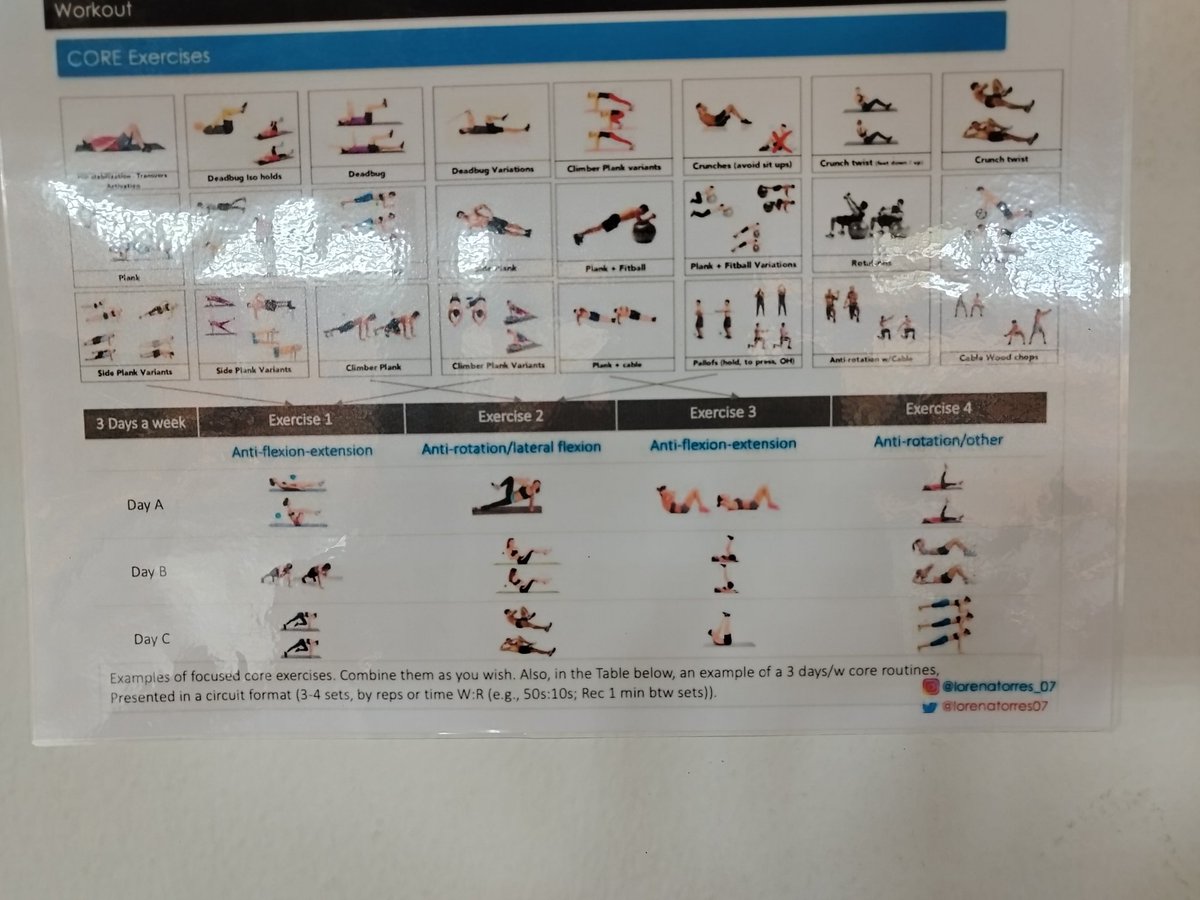
If you want to be really fit later in life, you need to be really fit early in life.
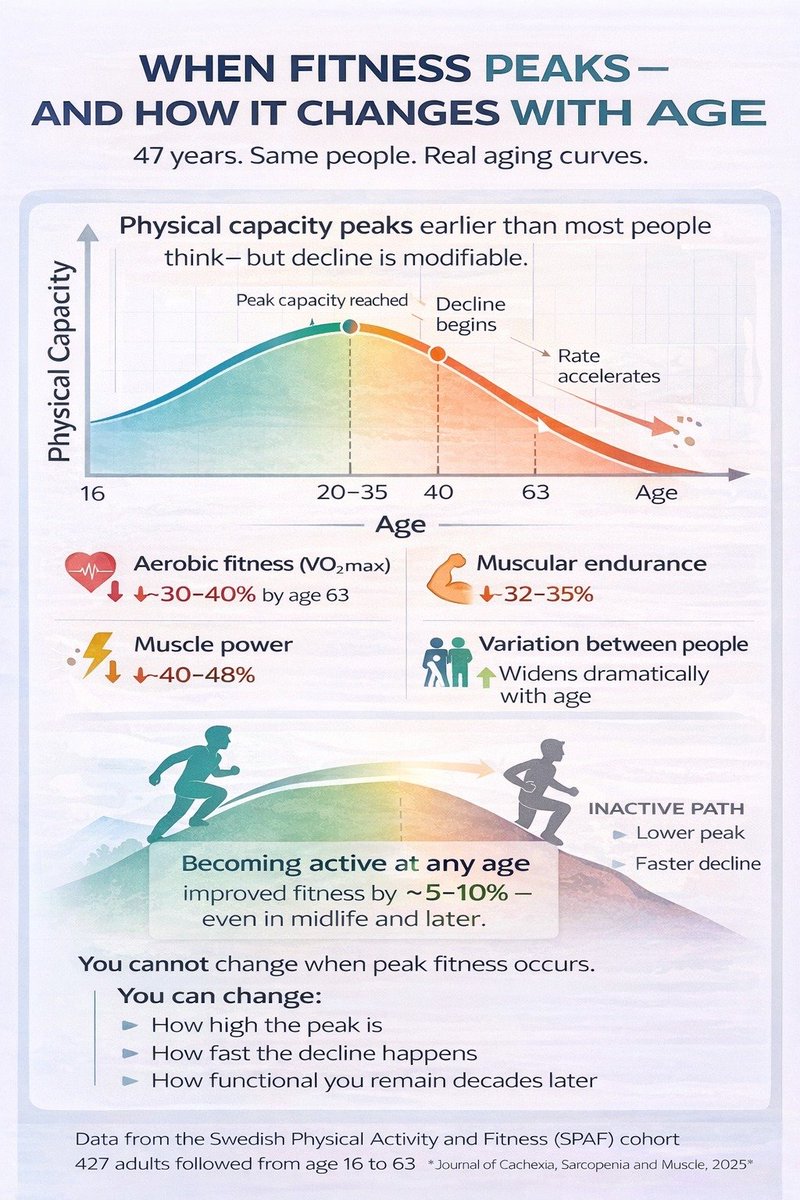
A rare 47-year longitudinal study following the same people shows that peak physical capacity is reached much earlier than most expect, typically between the late teens and mid-30s. After that, aerobic fitness, strength, and muscle power begin to decline, with the rate of loss accelerating after ~40.
While you can’t change when peak fitness occurs, you can change:
How high that peak is
How fast the decline happens
How functional you remain decades later
People who were fitter early in life entered aging with a larger “physiological reserve.” But there’s good news: even those who started exercising later still improved physical capacity by ~5–10%, meaning activity meaningfully reshapes the aging curve at any age.
Early fitness builds reserve. Lifelong movement preserves it.
That’s the difference between aging with capacity, or aging without it.
Westerståhl et al., Journal of Cachexia, Sarcopenia and Muscle (2025)
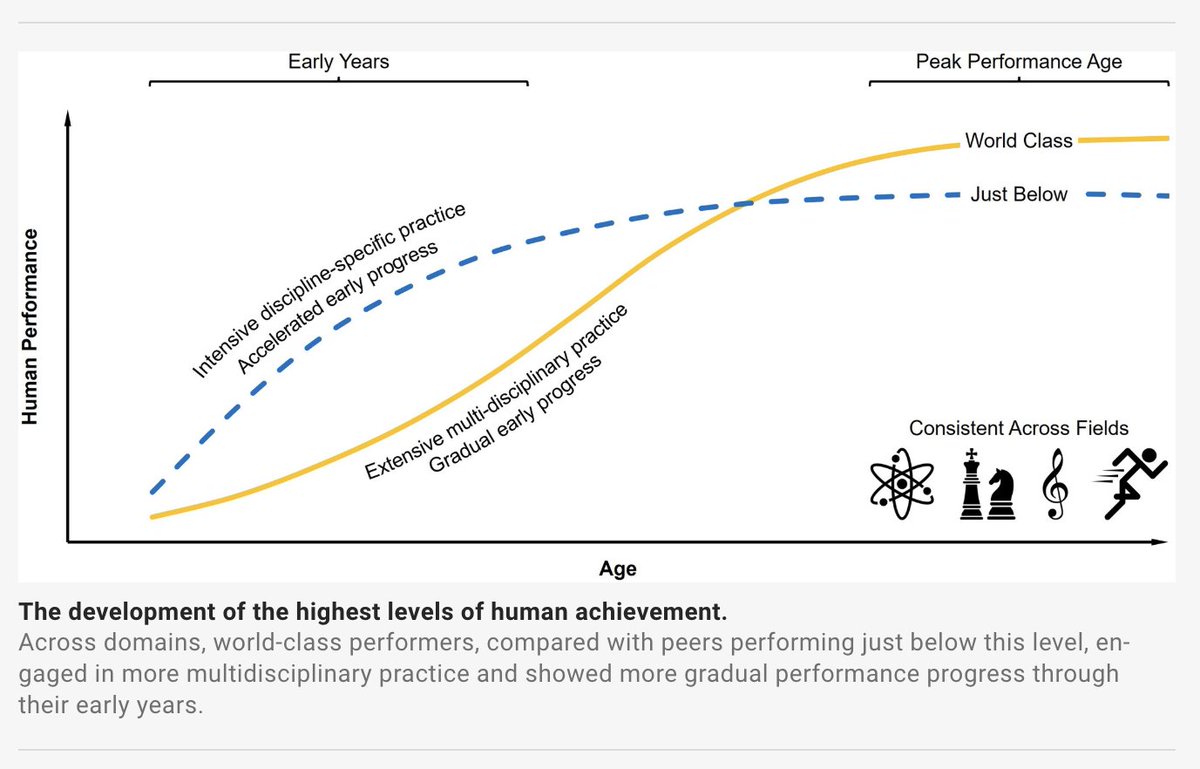
A massive new study on peak performance included 34,000 international top performers: Nobel laureates, renowned classical music composers, Olympic champs, and the world’s best chess players. It shows early specialization is a trap, and the road to greatness is long and varied.
Vamos con otro microhilo de cosas que observo y prefiero ponerlas aquí que ir al psicólogo... Veo, con mucha preocupación, la tendencia especialmente entre la gente más joven a la sobreactuación en las lesiones musculotendinosas (aka hacer muchas cosas sin saber muy bien porqué)
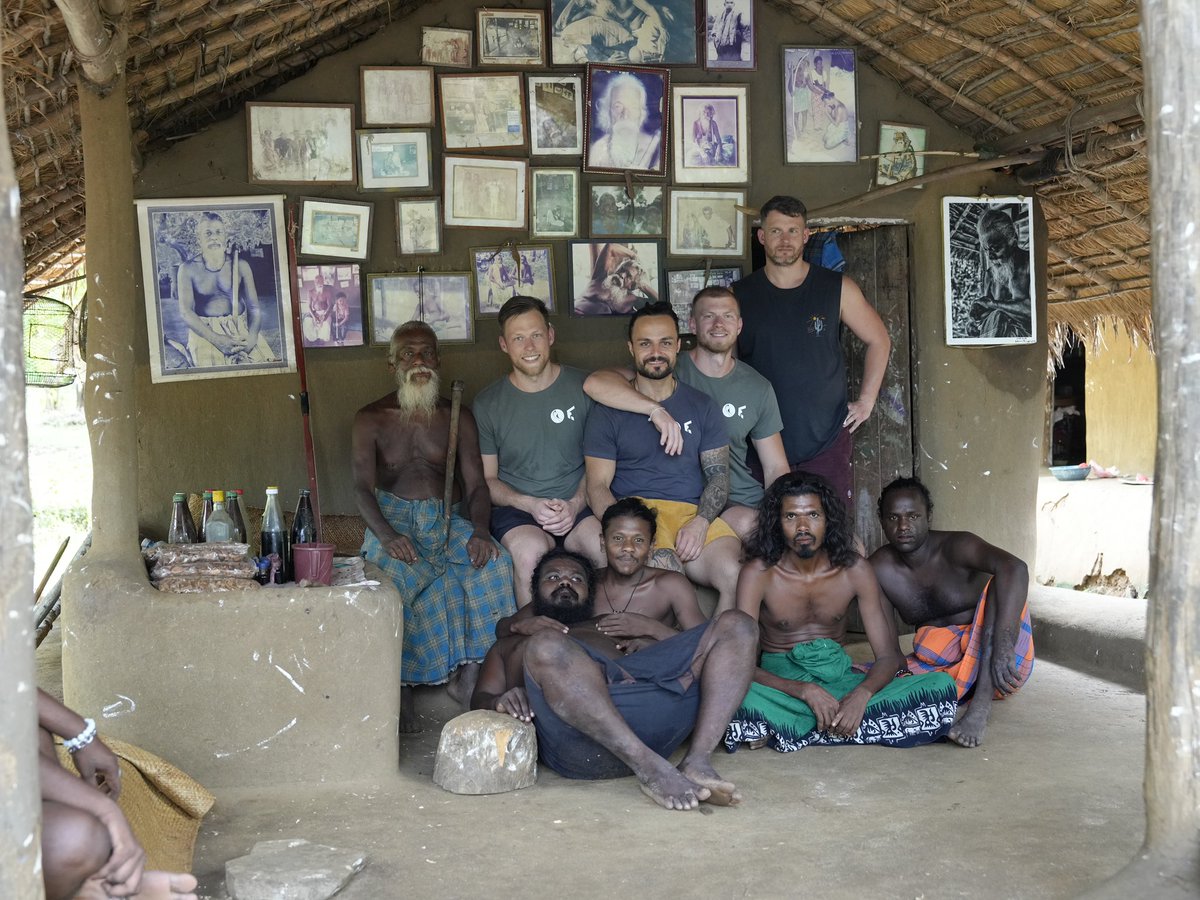
We ran the largest ever study on MODERN SHOES👟 effect on FEET🦶🏻
Here's what we found during our month in Sri Lanka (pictured below with the Veddah people)
Welcome to 'The Shoe Effect'
🧵
Mis 8 mandamientos como traumatólogo:
1. El colágeno no sirve de nada
2. El trabajo de fuerza previene y cura
3. El sobrepeso nos da trabajo
5. La cirugía es lo último
6. Las pruebas complementarias son complementarias
7. Siempre explorar al paciente
8. Fisioterapeuta: amigo
Alegría de la semana que una paciente derivada tras la primera consulta a otro profesional haya tenido un diagnóstico acertado. Fisioterapia también es cuándo NO intervenir.
I went to college for seven years to get my doctorate in physical therapy. I lead over 2,000 in person visits last year and helped 50+ online clients get rid of their knee pain. Here are 50 lessons you can apply to your own knee rehab:
1. Squats are friends, not foes
2. Spanish squats are the best exercise you are sleeping on
3. Slant board squats are not cheating. In fact, they are tremendous in getting your knee pain to feel better
4. Rear foot elevated split squats are the hardest thing you will ever do. Do them.
5. Dumbbell split squats are better for most people than barbell back squats.
6. If your doctor tells you to stop squatting, get a new doctor.
7. If your PT doesn’t have you squat for knee pain, you might need a new PT.
8. The Mirror Tragedy: It is easier to train muscles in the front of the body compared to the back.
8b. Don’t skip deadlifts
9. I don’t understand a lot of the exercises from the Knees Over Toes movement. If they help you, great. If they don’t, stop doing them and find something else.
10. Squats are important, but they aren’t everything. Get outside the squat rack.
11. Reverse lunges are better for most people than forward lunges.
12. If you want to get stronger, lift legs more often than you are right now.
13. If you want to get out of knee pain, squats + deadlifts + lunges are a great starting point.
14. Once you turn 30, there is no exercise you have to do. Except walking. Everyone should walk.
15. Once you turn 30, you see the world different. Risk:reward changes. No need to be a hero. Your knees will thank you.
16. There is no need to ice your knee.
17. Ibuprofen isn’t the answer. Neither is Tylenol. Or Advil. Or any other medication.
18. Knee braces, sleeves, wraps and bands are all temporary solutions. Treat them as such.
19. Meniscus surgery is optional and should be treated as a last resort.
20. There are no guarantees surgery will fix your knee pain.
21. The cost, time and side effects of surgery are immense. Never rush into it.
22. If you quit on rehab after one therapist, PT didn’t fail you. Would you quit dating after your first breakup?
23. Rehab is measured in months and years, not days and weeks.
24. Any surgery can take up to 1 year to recover from.
25. You can’t prevent injuries. You can reduce the chance they happen
25b. You can also improve the odds you recover well from them.
26. With any injury, your body wasn’t ready for the environment you put it in.
27. With any injury, you need to level up past your previous self. Otherwise you are setting yourself up for failure.
28. Rehab is a 24/7 process. It is hard to do too much.
29. Rehab starts the second you get hurt.
30. Waiting 2 weeks after meniscus surgery to start rehab is the worst thing you can do.
31. There are 3 questions you need to ask about your knee pain
31a. Am I stiff?
31b. Am I weak?
31c. Am I bouncy?
32. Finding random exercise on YouTube is like throwing darts blindfolded. You are going to get a random result.
33. If your surgeon’s team doesn’t make you have rehab figured out before knee surgery, they failed you.
34. 20% of results is doing the right stuff. 80% of results is doing the right stuff over and over and over and over and over again.
35. The three most used exercises I give patients are split squats, single leg deadlifts and lateral lunges.
36. The three exercises I never give patients are backwards walking on the treadmill, bodyweight tib raises and backwards sled drags.
37. Tolerable pain is okay to exercise with (defined as 3-5/10 or less)
38. Some research is good. Some research isn’t. Know who to trust.
39. Just because it is or isn’t in a study doesn’t make it true or false.
40. How you feel matters as much as any objective measurement.
41. You can rehab 2-7 days per week. Just not one.
42. The patients who often get the best results often show up the most.
43. If you never hit your deductible, it doesn't matter if you use your insurance or not for rehab.
44. There are half a million PTs in the US. Do you really think all of them know the same amount about knee pain?
45. You will spend infinite more time with your PT than your doctor. Choose both wisely.
46. You can’t unsee your MRI.
47. An MRI can’t fix your knee pain.
48. Most MRI’s don’t help the problem.
49. Just because you have a meniscus tear, doesn’t mean you should have knee pain.
50. The best time to start rehab was the day you got hurt. The next best time is now.
If you enjoyed this post, like it so other people can learn about their knee pain. Remember, an MRI won’t fix your knee.
But rehab can.
40-50 minutos a ritmo moderado es mucho más de lo que hace la media de la población. Ya podía todo el mundo hacer eso. Enhorabuena a los que lo hacéis, y si otros hacéis más, super enhorabuena también por haber encontrado motivación, tiempo y recursos para hacerlo (+)
Que la #fisioterapia no es un gasto, sino una inversión ya lo sabemos.
Ahora, hemos ido un paso más allá y hemos cuantificado el ahorro que suponemos para la Sanidad de la @ComunidadMadrid, en concreto, 568 millones de € anuales.
Gran trabajo de @CarlosEstebanEB al frente de este grupo que cierra un ciclo de la mejor manera posible.
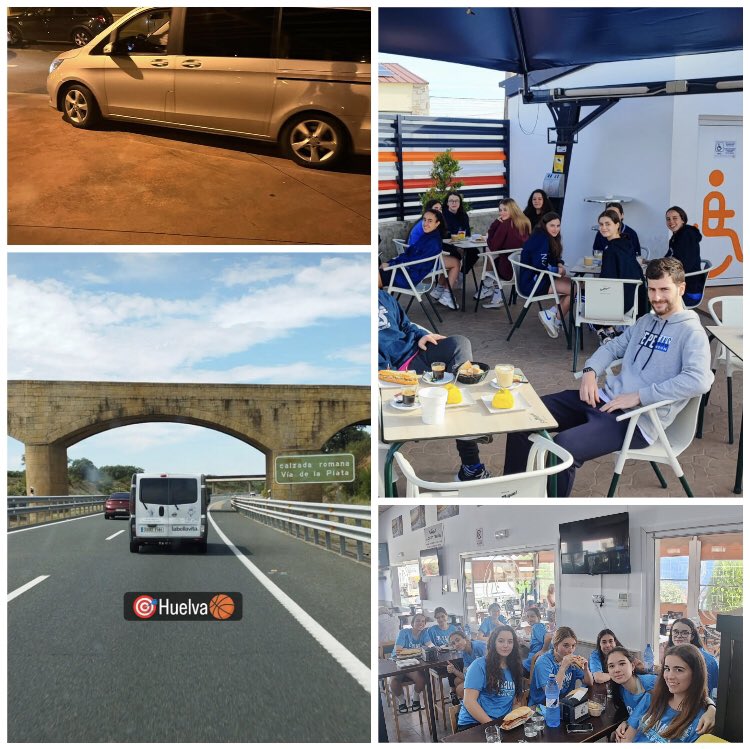
Sin olvidar la ayuda de #DavidRubio como soporte y apoyo en la dirección técnica; y de @fisiolav que cuidó de nuestras chicas; que gran fichaje hemos hecho 👇
Mañana de relax para preparar el debut de esta tarde de las junior en #FEBJuniorF2023 con paseo y sesión de estiramientos a las órdenes de @fisiolav en la playa de #PuntaUmbría
🆚 @Celtabaloncesto
🏟 Pol Diego Lobato (Huelva)
🕢 19:30 hrs
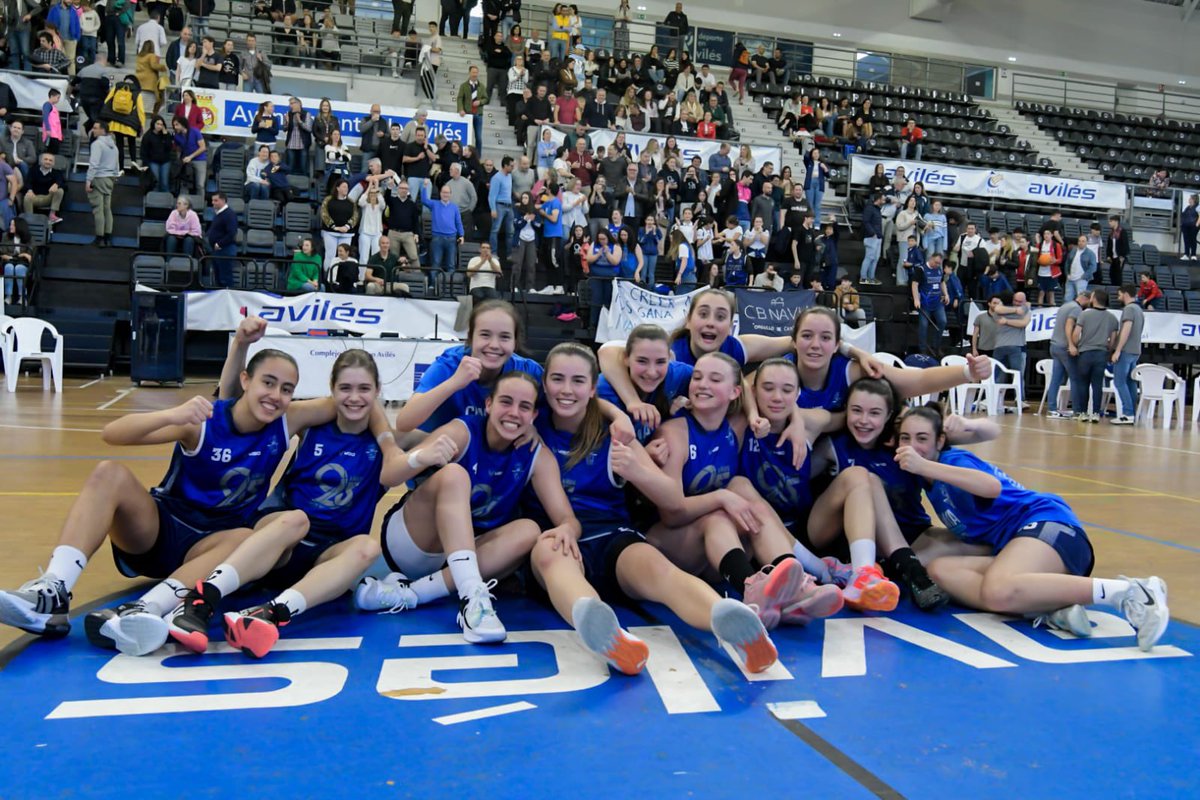
Somos CAMPEONAS de Asturias!
Las junior vencen en una intensa final a un gran @ADBA87 consiguiendo nuestro título 22 que nos da la opción a participar en nuestro sexto Cpto de España. Daniella se lleva el MVP #OrgullodeCantera#ComoCais 🧵con 📸 Como siempre de @manololebredo
A raíz de una paciente nueva de esta semana. Interesante artículo de ejercicio terapéutico en #endometriosis. Un campo totalmente desconocido para mí.
🔗https://t.co/vNuiKlSV3J
Caso curioso de la semana pasada.
Paciente diabético que por una colocación incorrecta del glucómetro provoca un cuadro de irritación del nervio radial. Resolución a los pocos días. Primera vez que me encuentro algo así. #surpriseday