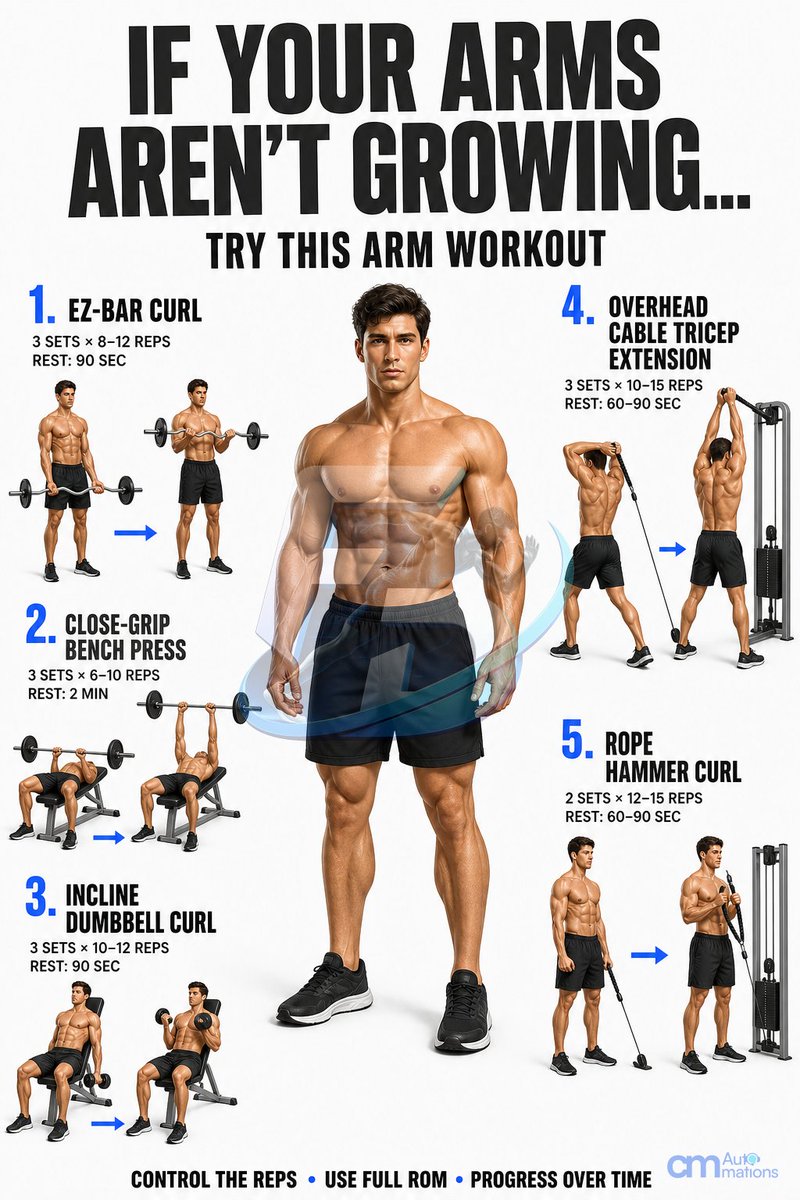
Jumping from 10 to 15 lb is a 50% increase. Bridge the gap by building from 10 clean curls to 15 before trying heavier dumbbells. Keep your full range of motion instead of shortening reps to lift more. #StrengthTraining#ArmWorkout#FitDecoded
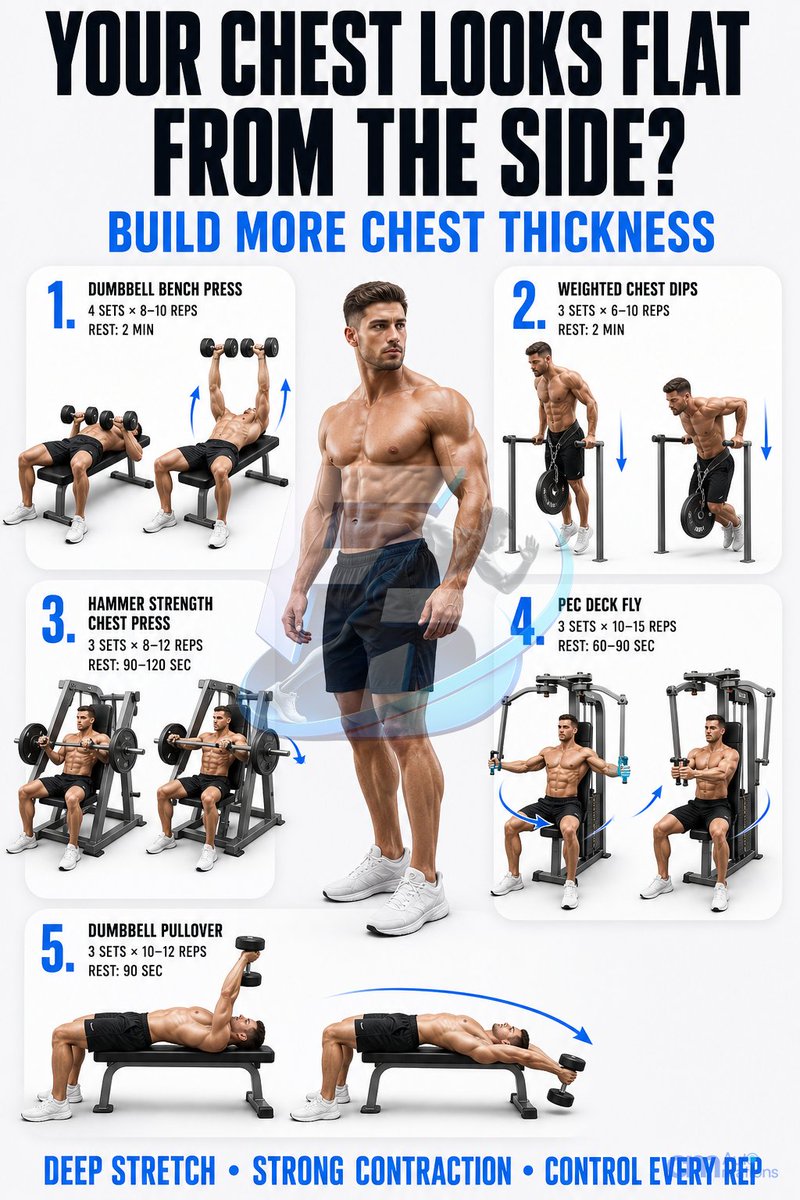
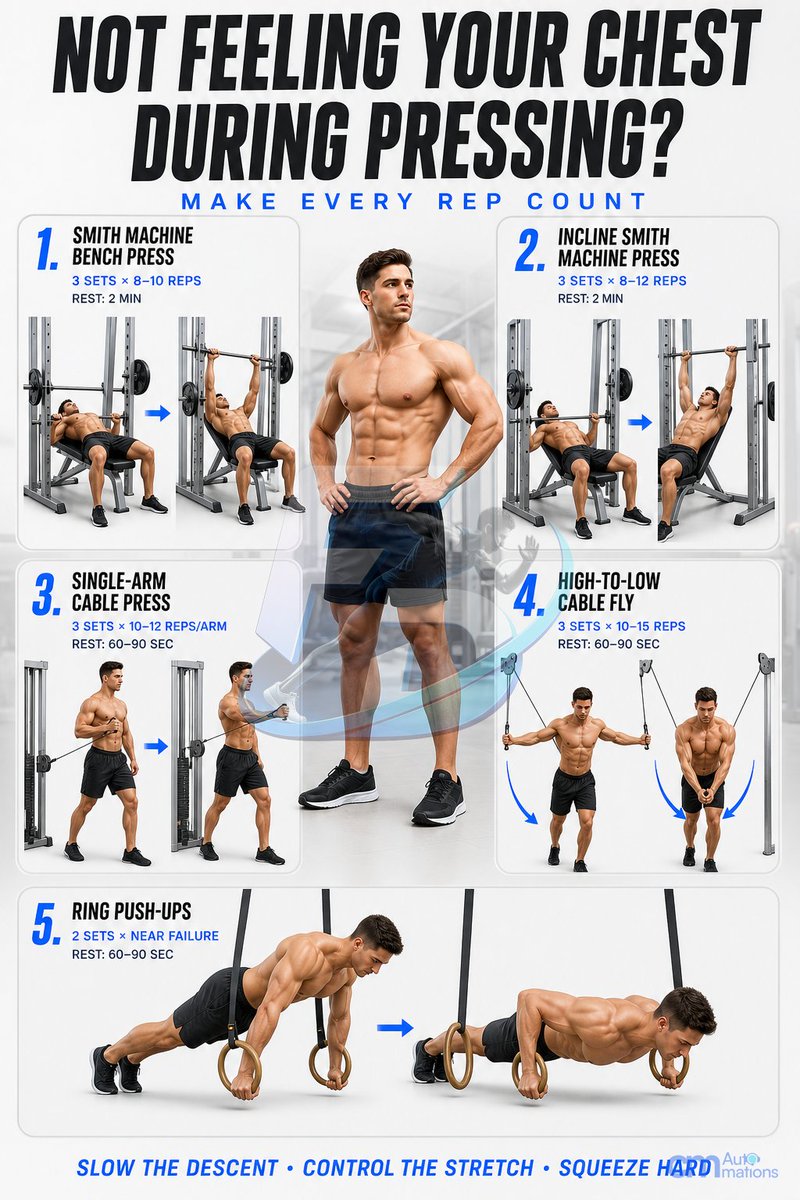
Your chest needs quality sets, not an equipment tour. In a 30-minute workout, stick to one press and one fly. Make sets challenging and rest enough to keep reps controlled. #ChestWorkout#StrengthTraining#FitDecoded
Chest presses train your front delts too. Before adding front raises, count that overlap. Give side and rear delts their own training time to fill gaps, not repeat work. #ShoulderTraining#StrengthTraining#FitDecoded
Your front delts work during bench presses, too. Before adding front raises, check your weekly workload. Count work, not workout names, and make room for side and rear delts. #StrengthTraining#ShoulderTraining#FitDecoded
A heavier chest press does not always mean you are stronger. Shorter reps change the test. Use a comfortable, controlled range, and add weight only when you can maintain it on every rep. #StrengthTraining#ChestWorkout#FitDecoded
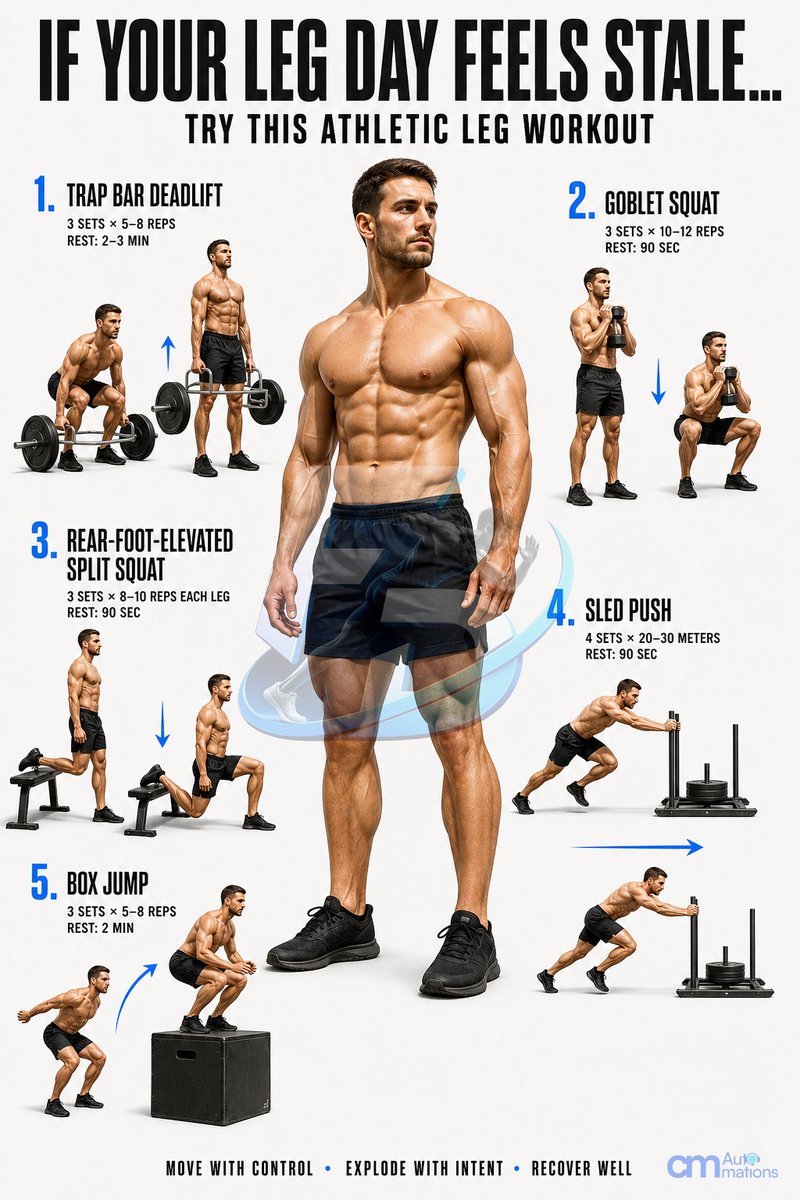
Train power, not fatigue. Do box jumps after warming up and before heavy lifts, while your legs are fresh. Stop the set when jump height drops or landings get sloppy. #BoxJumps#PowerTraining#FitDecoded
Going all-out on your first interval can sabotage the rest. Start at a pace you can repeat with clean form. If time is tight, cut a round, not your rest breaks. #Fitness#Conditioning#FitDecoded
A heavier bench press is not progress if your reps get shorter. Keep your depth consistent and pain-free, control the lowering, then add reps or weight. Get stronger without moving the finish line. #StrengthTraining#BenchPress#FitDecoded
A chest press does not need to burn to count. Sensation is not proof of growth. If heavier weight cuts your comfortable depth, go lighter and build reps. Keep your range as you add load. #StrengthTraining#ChestWorkout#FitDecoded
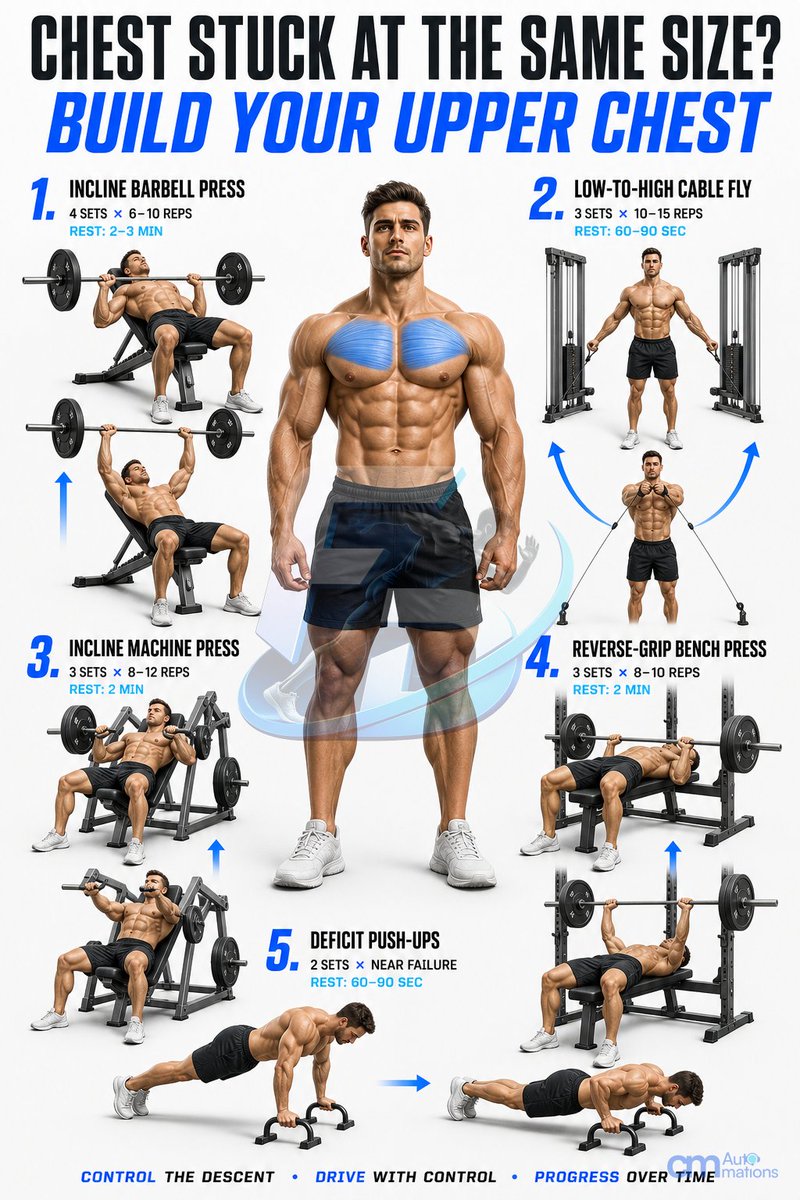
A heavier incline press is not progress if your reps get shallower. Keep your bench angle and comfortable depth consistent before adding weight. Real progress needs a fair comparison. #StrengthTraining#ChestTraining#FitDecoded
Your incline press numbers can rise while chest growth stalls if reps get shallower. Keep the same bench angle and comfortable depth before adding weight. Are you lifting more or moving it less? #StrengthTraining#ChestWorkout#FitDecoded
A heavier pulldown does not always mean a stronger back. If more weight means more swinging, you are changing the test. Keep your torso steady and range of motion consistent before adding weight. #StrengthTraining#BackWorkout#FitDecoded
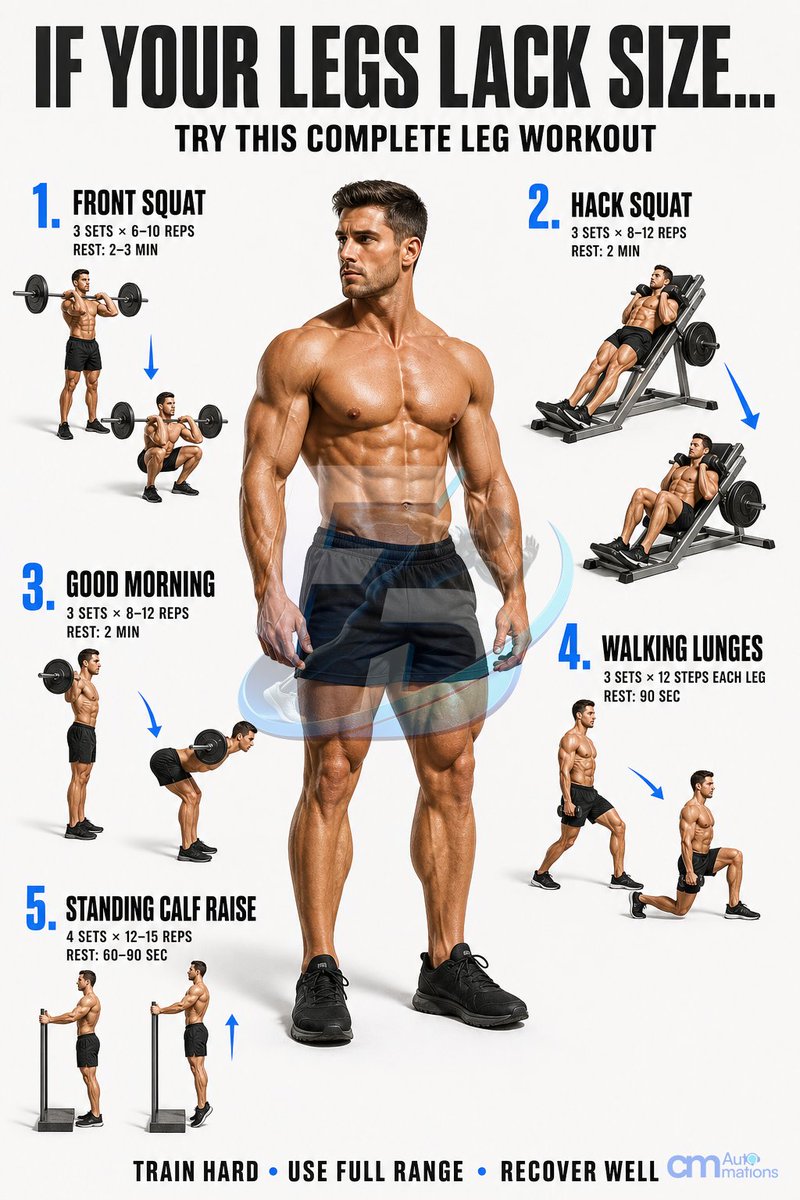
Adding weight while cutting squat depth changes the test, not necessarily your strength. Keep a consistent, comfortable, controlled depth before adding plates. Build stronger legs, not shorter reps. #LegTraining#StrengthTraining#FitDecoded
Heavier calf raises do not prove stronger calves if your reps get shorter. Keep the same comfortable heel drop and top position before adding weight. Are you getting stronger or just moving less? #CalfTraining#StrengthTraining#FitDecoded
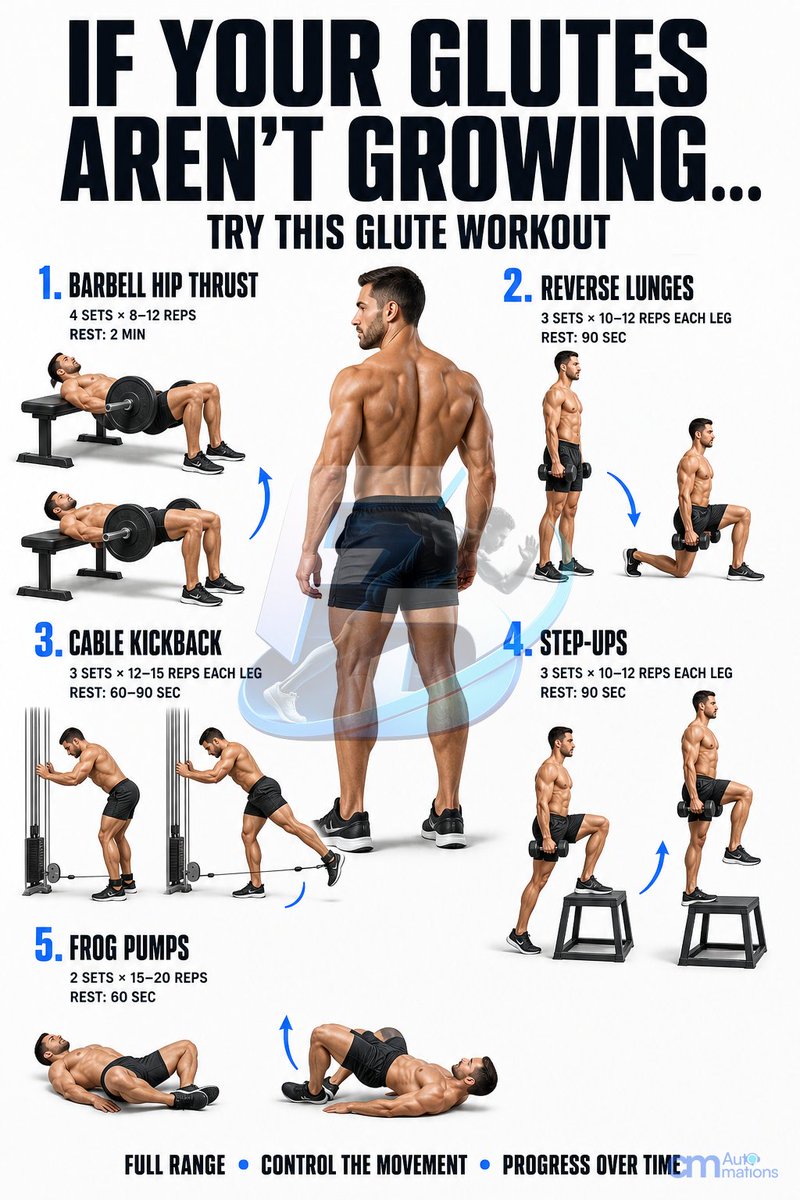
More weight on hip thrusts is not progress if your reps get shorter. Keep your range of motion consistent so your logbook compares like with like. Add weight only when you can maintain that range with control. #StrengthTraining#GluteGrowth#FitDecoded
A heavier bench press is not progress if your range of motion shrinks. Keep reps consistent and pain-free. Add weight when you reach the top of your rep range without shortening the movement. #StrengthTraining#BenchPress#FitDecoded
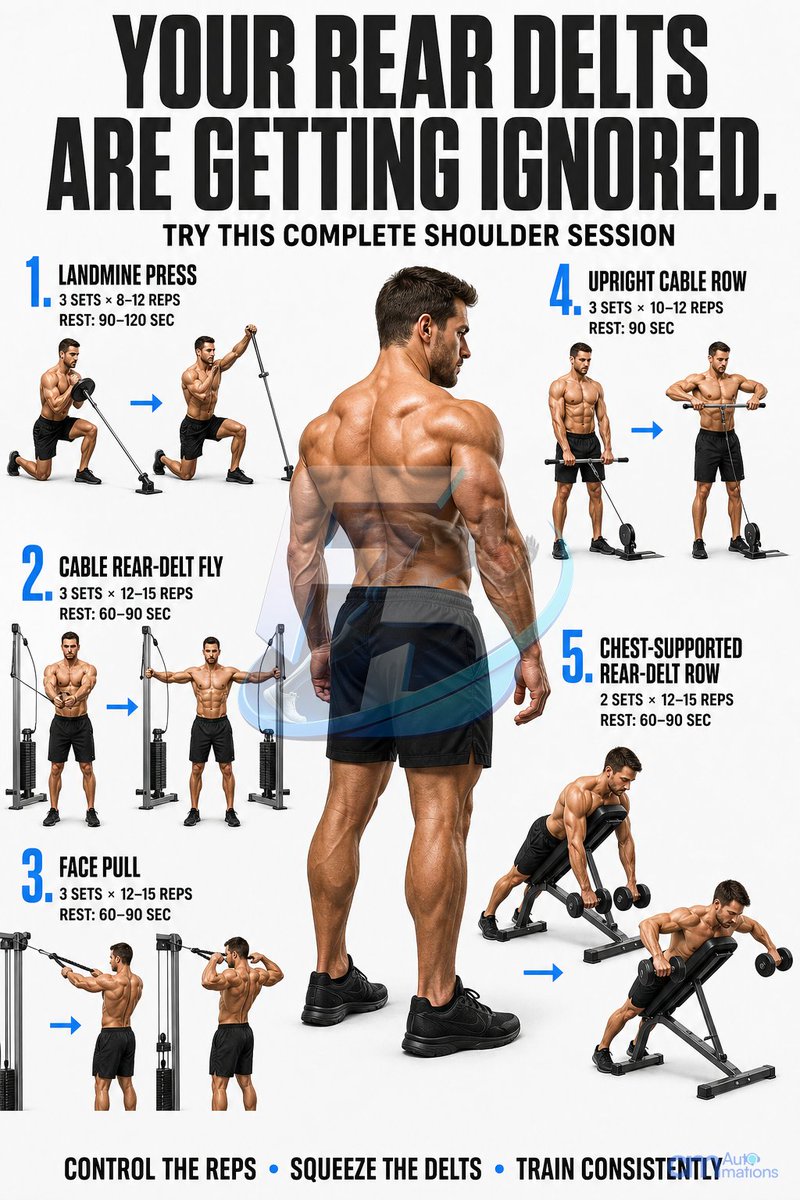
Exercise order sets your priorities. If rear delts always come last, they get leftover energy. Try rear-delt flies before pressing for a few weeks. Track reps with the same weight and form. #StrengthTraining#RearDelts#FitDecoded
Heavier curls are not progress if your reps get shorter. Keep a comfortable full range of motion and a steady body position. Add reps first, then weight without changing your form. #StrengthTraining#ArmTraining#FitDecoded
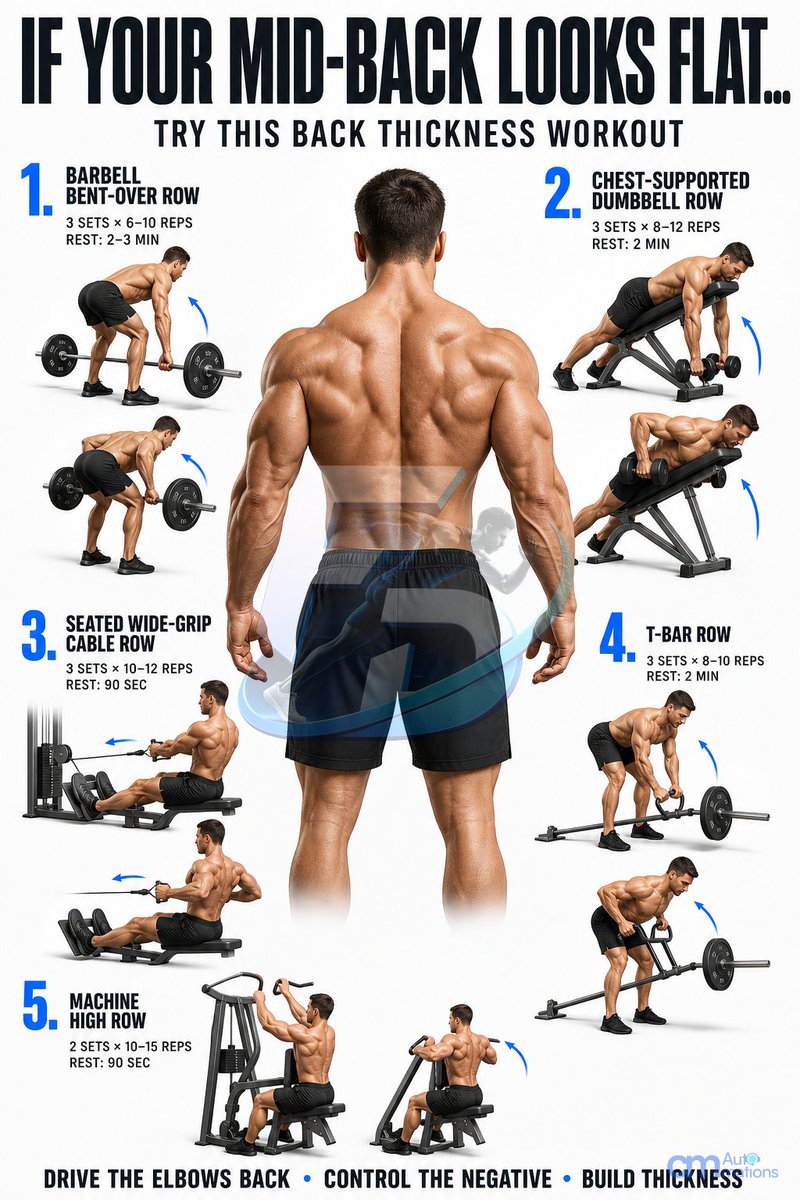
Heavier rows do not always mean a stronger back. Try chest-supported rows. Keep your chest on the pad and your range consistent. Add weight only when you can maintain both, not swing harder. #StrengthTraining#BackWorkout#FitDecoded
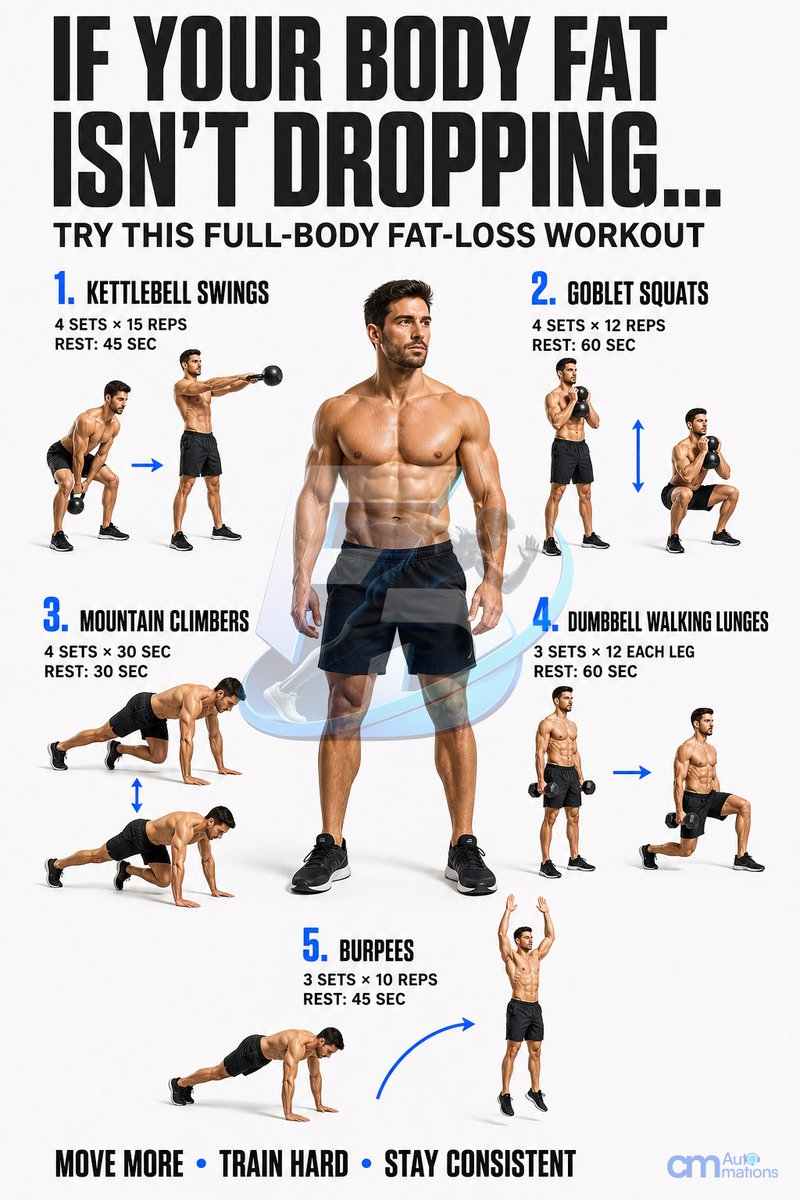
If a brutal workout leaves you on the couch for hours, moving less afterward can offset some of its calorie burn. Try one fewer round and keep your usual walk. Your whole day counts. #FatLoss#DailyMovement#FitDecoded