📅 Apple hosts its “Welcome home” event in New York today, and the theme is the smart home. According to @markgurman at @Bloomberg, the expected lineup includes a home hub with a screen, a new HomePod mini, and a new Apple TV.
This is a category that Apple can easily disrupt.
According to IDC’s Worldwide Quarterly Smart Home Device Tracker, Apple shipped 4 million units in H1 2026, around 1% of the market. In Q2 2026, Apple’s smart home revenue grew 12% while its units fell 4.7%.
Apple has built a premium niche, and a single hub will not quickly change its market share. Its real asset is the iPhone installed base. With the new Siri AI, the hub becomes the control layer for households already living in Apple’s ecosystem.
📅 Apple hosts its “Welcome home” event in New York today, and the theme is the smart home. According to @markgurman at @Bloomberg, the expected lineup includes a home hub with a screen, a new HomePod mini, and a new Apple TV.
This is a category that Apple can easily disrupt.
According to IDC’s Worldwide Quarterly Smart Home Device Tracker, Apple shipped 4 million units in H1 2026, around 1% of the market. In Q2 2026, Apple’s smart home revenue grew 12% while its units fell 4.7%.
Apple has built a premium niche, and a single hub will not quickly change its market share. Its real asset is the iPhone installed base. With the new Siri AI, the hub becomes the control layer for households already living in Apple’s ecosystem.
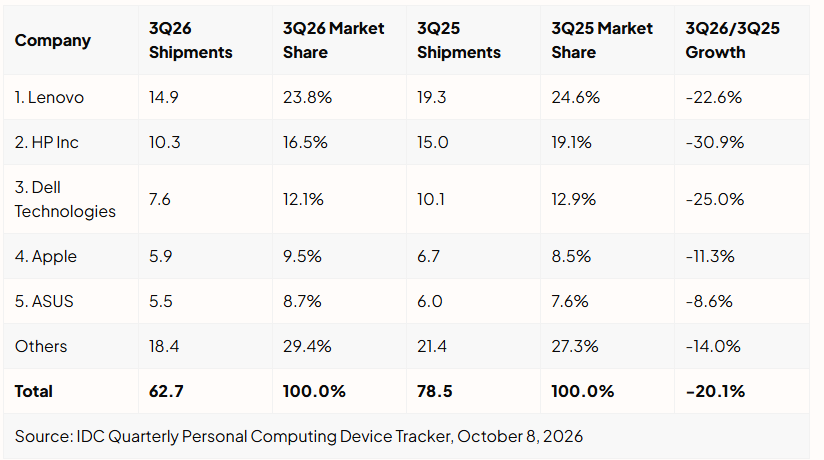
💥 Worldwide PC shipments fell 20.1% year on year in the third quarter of 2026 to 62.7 million units, according to IDC.
This is the 📉 second consecutive annual decline, and shipments dropped 9.1% from Q2, breaking the usual pattern where the third quarter is stronger than the second.
The cause is a strong first half pull-in. Vendors and channels built inventory ahead of memory driven price increases, which left little demand for Q3, while supply constraints and logistics disruption added pressure.
Read the full press release here🔗 https://t.co/50UwOJ1MJH
2022: Wifi is down at the office... Let's go home. We're done for the day.
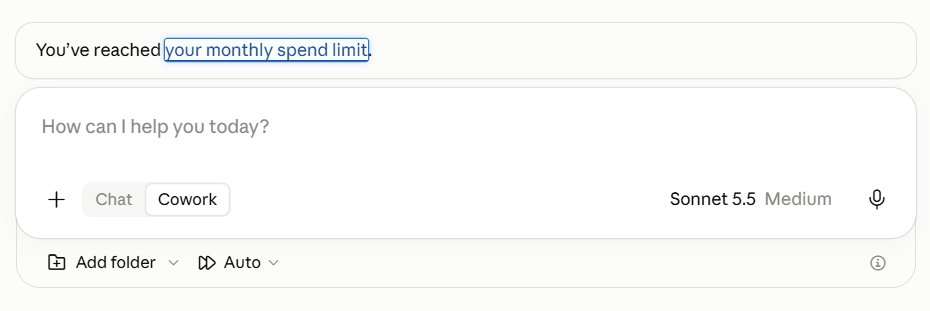
2026: I've run out of tokens... Let's call it a day. We're done for the month! 😅
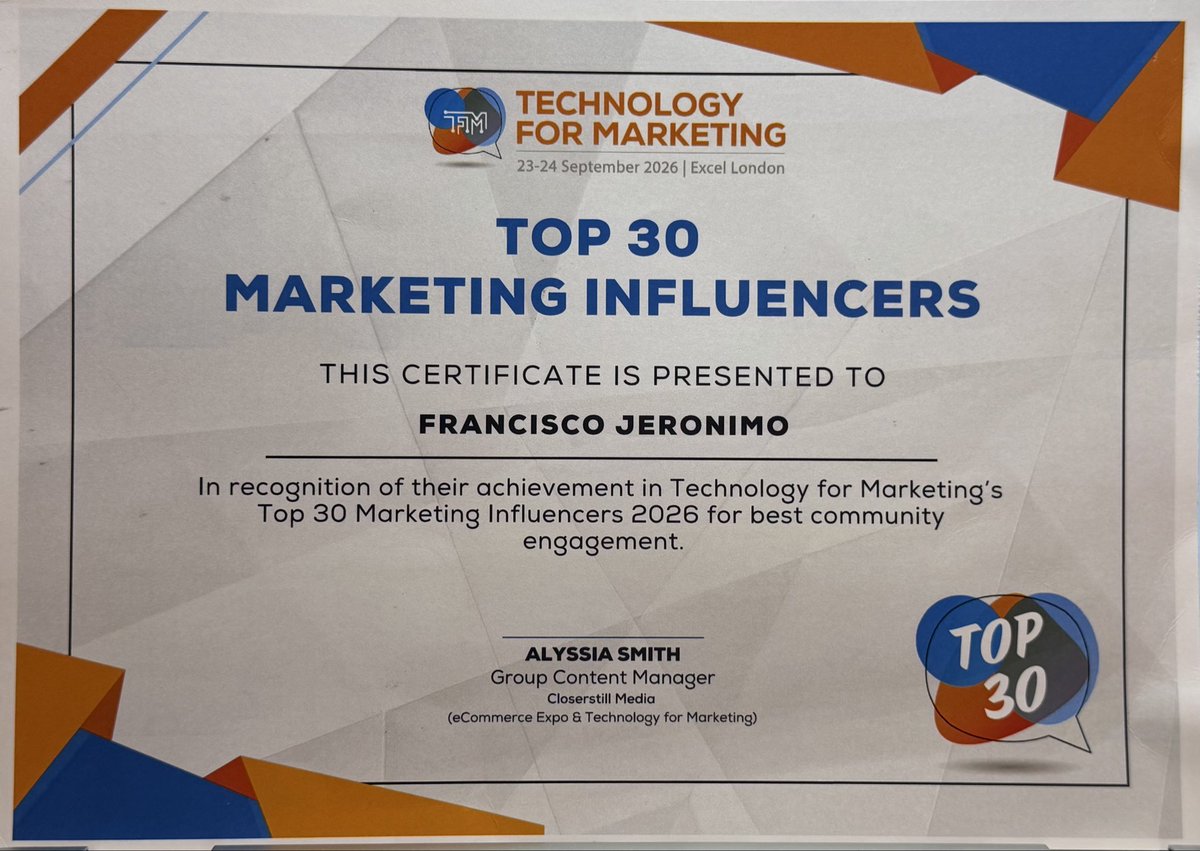
🎉 I’m excited to share that I’ve been recognized as the Number #14 🔝Marketing Influencer of 2026 by Technology for Marketing.
I’m especially grateful to also be recognized as the Number #1 🔝influencer for best community engagement 🤩
Congratulations to everyone recognized in the 🔝 Top 30 Awards for 2026 👏👏👏 What an outstanding group of marketeers and influencers!! I’m looking forward to learning from each of you, sharing best practices, and continuing to build strong community together.
Thanks to everyone who supported 🤗
I'm delighted to be speaking at Circular Summit 2026 in London on 17 November. A great line-up of people from across the mobile industry discussing how we can make circularity work in the real world. Looking forward to the conversation, and I hope to see you there.
If you are planning to attend, the event organiser offers a 10% speaker discount code you can use when registering. Add the CODE: FRANCISCO10 to the VOUCHER box during checkout to receive the 10% discount (no commissions received)
Register here 👉 https://t.co/1OaEOQlGFz
#CircularSummit #CircularEconomy #MobileIndustry
Meta launches Meta VR Glasses, the first VR glasses to come to market. Available from Spring 2027 for $1299.
Meta says the glasses weigh about 100 grams and are five times lighter than Quest 3, with no straps or heavy hardware on the face. The weight saving comes from splitting the system. The puck runs the same operating system as Quest 3 and supports all the same content, at higher resolution thanks to a more powerful chipset and eye tracked foveated rendering.
At $1,299 the device sits well above the Quest range and well below Apple's Vision Pro or the new Snap Specs.
This product will test whether lighter wearability and a broader catalogue can attract buyers and it will reset expectations for premium VR form factors, while giving Meta a credible answer to Vision Pro.
🔗 https://t.co/oJPV0jfebj
💥 This is becoming interesting to follow.
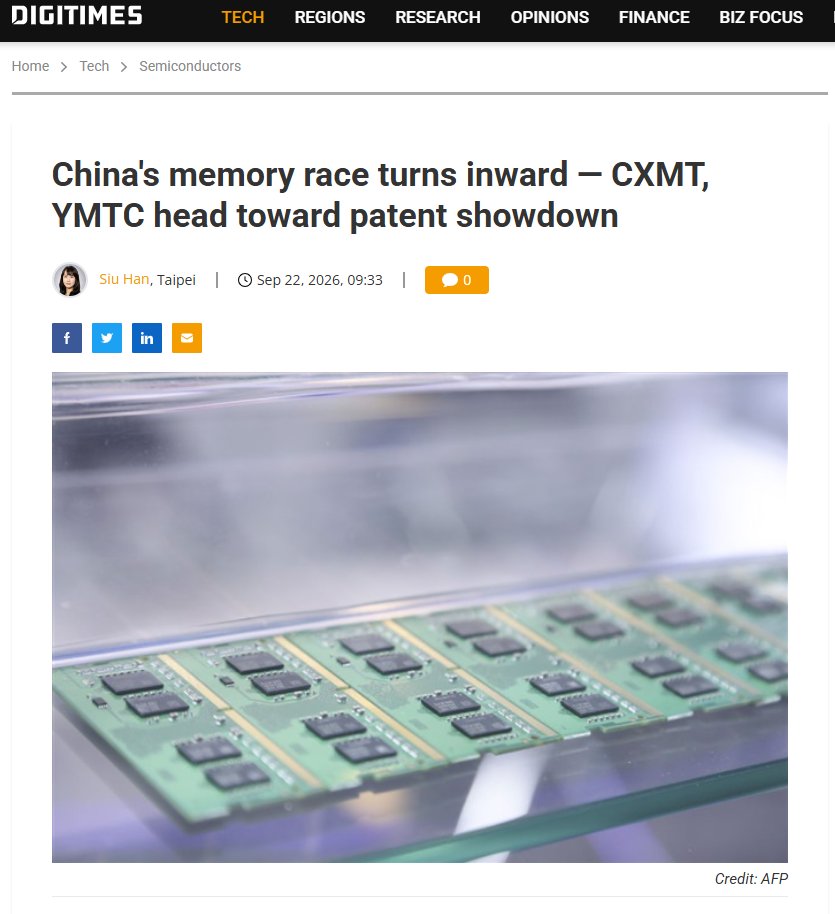
China's memory rivalry is starting to look like a race. YMTC is reportedly gearing up to trial LPDDR5 DRAM production by the end of 2026, while CXMT is pushing into NAND, an area it had largely left to YMTC.
Patents are becoming a critical battleground that will decide a lot of this. YMTC has already sued Micron over its Xtacking hybrid bonding technology, and Samsung reportedly licensed it too, ahead of its next generation V NAND. CXMT entering NAND without a workaround could run straight into similar patent challenges.
Vendors squeezed by rising DRAM and NAND prices have more reason than usual to look at Chinese suppliers, whether they end up choosing one.
🔗 https://t.co/e1g9a3ihDO
“The foldable can bring that novelty and can drive those high high-end customers that are willing to pay whatever Apple charges for the latest and greatest they can bring, especially when it’s a new product,” said Francisco Jeronimo, vice president for data and analytics at @IDC."
🔗 https://t.co/WW0GVbiJDp
"Francisco Jeronimo, vice-presidente da IDC, resumiu a situação de forma particularmente clara: os consumidores estão a começar a “pagar a factura da IA”, uma vez que os componentes necessários para os sistemas de inteligência artificial são precisamente alguns dos que estão em falta no mercado de electrónica de consumo."
🔗 https://t.co/qFTmSKYM3f
The narrative around AI has recently shifted from 'AI will steal our jobs' to 'AI will kill us all'... well, faced with the prospect of extinction, maybe stealing our jobs isn't so bad after all! 🤔
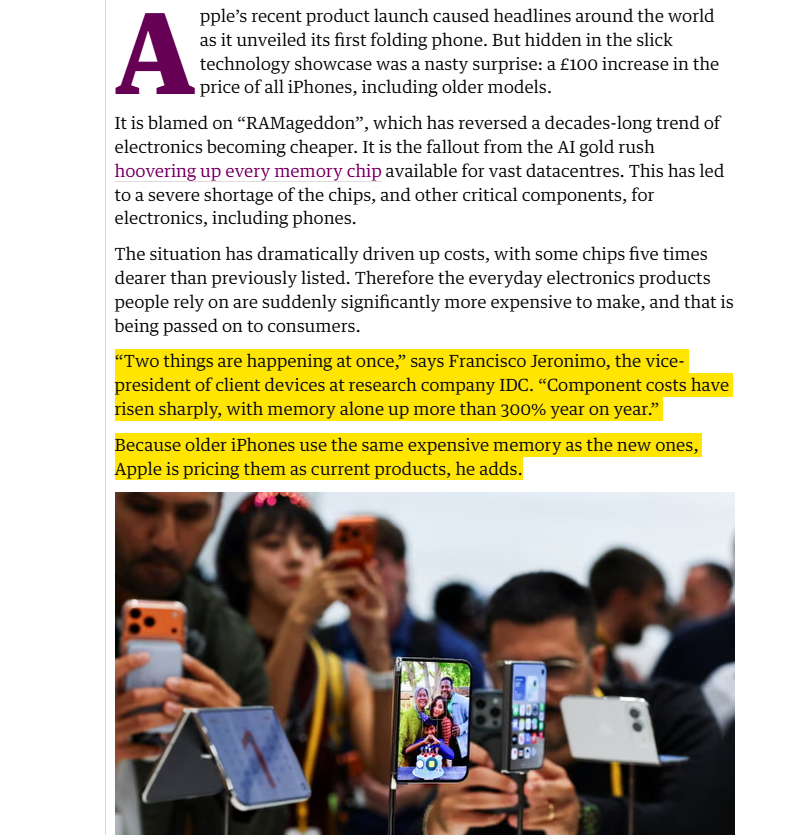
“Two things are happening at once,” says Francisco Jeronimo, the vice-president of client devices at research company @IDC. “Component costs have risen sharply, with memory alone up more than 300% year on year.”
Because older iPhones use the same expensive memory as the new ones, Apple is pricing them as current products, he adds.
https://t.co/hYgijsKkwe
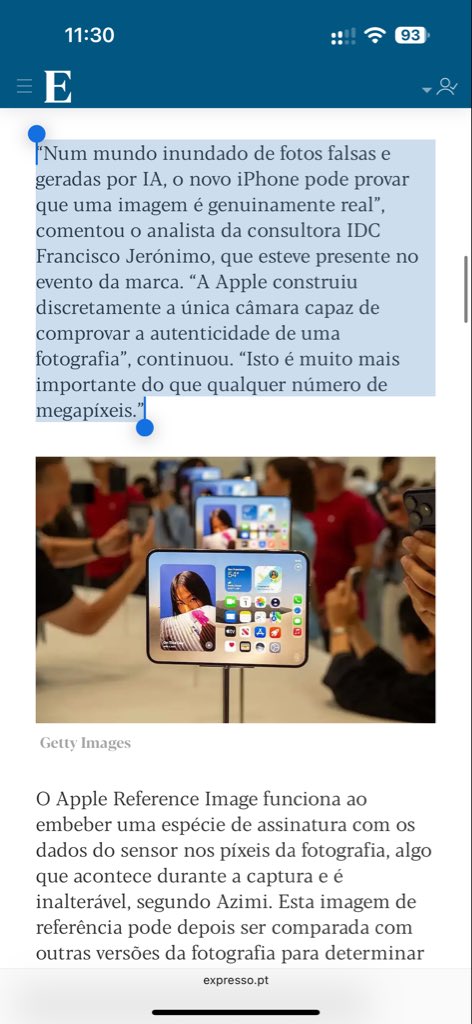
“Num mundo inundado de fotos falsas e geradas por IA, o novo iPhone pode provar que uma imagem é genuinamente real”, comentou o analista da consultora IDC Francisco Jeronimo, que esteve presente no evento da marca. “A Apple construiu discretamente a única câmara capaz de comprovar a autenticidade de uma fotografia”, continuou. “Isto é muito mais importante do que qualquer número de megapíxeis.”
🔗 https://t.co/QZ1Kwsu48d