c'est juste terrifiant Claude Fable 5.2 a généré l'image de de droite juste avec du code
à gauche ma photo
à droite 100 000 taches de couleur
aucun modèle de diffusion, aucun générateur d'images : uniquement du code écrit par Fable 5.2, qui corrige chaque tache pas après pas jusqu'à ce qu'on ne voie plus la différence
jusqu'à la génération 3D
commente et je t'envoie le repo github
Em 1983, Tom Duff, programador da Lucasfilm, precisava acelerar uma cópia de dados para uma animação em tempo real
a solução foi encaixar um switch no meio de um do-while
é C válido até hoje e ficou conhecido como Duff's Device
This is f*cking insane. Andrej Karpathy, the man Elon called the #2 computer vision mind on Earth:
"Prompting is going away. Delete everything, keep the graph"
In 2 hours, he shows how to build graphs and why they're the only layer left standing
Prompts → Agents → Loops → Graphs
A loop keeps one agent working until the job is done. A graph decides which agents exist and what each one hands to the next
Worth more than any $2,000 AI engineering course
Bookmark and watch it today
Then read how an AI employee runs QC for motion engineering with Opus 5.5 ↓
This is f*cking insane. Anthropic senior engineer:
"Most people open one chat, type a prompt and call that an agent
I stopped writing prompts. My agents run inside /loops + /graphs + /harness. Same model, same tokens, 10x more work actually finished, and it keeps shipping while I'm offline"
In a 1-hour course, she builds a team of agents that fix their own failures and get better without anyone touching them
Prompt → Agent → Loop → Graph → Harness → A Team That Improves Itself
The loop makes each agent plan, check its own work and retry until it passes
The harness holds it all together: tools, memory, and recovery when something breaks
Most people blame the model when the real problem is the setup around it
Better than any $1,500 agent course out there
Bookmark it and watch it today
Then read how to build agents that recover from their own mistakes in the Opus 5.5 harness engineering guide below ↓
THIS IS ACTUAL F*CKING GOLD
Anthropic just documented how to lock the whole Opus / Sonnet / Haiku split into one settings file.
The idea: Sonnet 5.5 runs every session, every subagent drops to Haiku 5.5, and Opus 5.5 stays on call as advisor. no flags, nothing to remember, it's just how Claude Code starts now.
You set it once in ~/.claude/settings.json:
{
"model": "sonnet",
"advisorModel": "opus",
"env": { "CLAUDE_CODE_SUBAGENT_MODEL": "haiku" }
}
then you just type claude
this is how it splits:
→ Sonnet 5.5 drives the session and writes the code
→ every subagent runs on Haiku 5.5: search, grep, test runs
→ Opus 5.5 waits on call as advisor and reads the transcript only when Claude asks for it
→ you stop paying Opus for routine turns, and stop typing flags every morning
Opus only steps in at three moments:
→ right before a plan locks
→ when the same error comes back twice
→ right before you call it done
Sonnet builds. Haiku explores. Opus reviews.
JEV engineering is the same idea one layer down: the forks that need no thinker (which file, which tool, retry or stop) get settled by JEV in milliseconds, and the big models only see the ones that actually split
the full tree
> "model": "sonnet" runs the main session on Sonnet 5.5
> CLAUDE_CODE_SUBAGENT_MODEL=haiku puts every subagent on Haiku 5.5
> search, grep and test-runner map the repo and run the suite
> "advisorModel": "opus" keeps Opus 5.5 on call
> /advisor switches it any time without touching the file
> JEV routes micro-forks in milliseconds
paste the tree and this prompt into Claude Code ↓
"Set up my Claude Code around this tree:
1. In ~/.claude/settings.json set model to sonnet, advisorModel to opus, and env CLAUDE_CODE_SUBAGENT_MODEL to haiku.
2. Create three read-only subagents in .claude/agents: search (maps the repo), grep (finds call sites), test-runner (reports only failures).
3. Add one rule to CLAUDE.md: ask the advisor before a plan locks, after the same error twice, and before a task is marked done.
4. Route fast deterministic forks (tool choice, path selection, retries) through JEV.
Show me the settings diff first. Nothing gets edited until I say go."
↳ https://t.co/UmTpomZEWN
save it, you'll never type those flags again.
Best GitHub repos for Claude code that will 10x your next project in 2026:
1. Claude Mem
https://t.co/uzSTdKBxOu
2. UI UX Pro Max
https://t.co/r8A2J0awoU
3. n8n-MCP
https://t.co/rfuYnj8ZPI
4. Obsidian Skills
https://t.co/bjDLghHLGB
5. LightRAG
https://t.co/AmlPs0aG1c
6. Everything Claude Code
https://t.co/CGKFfe2BVj
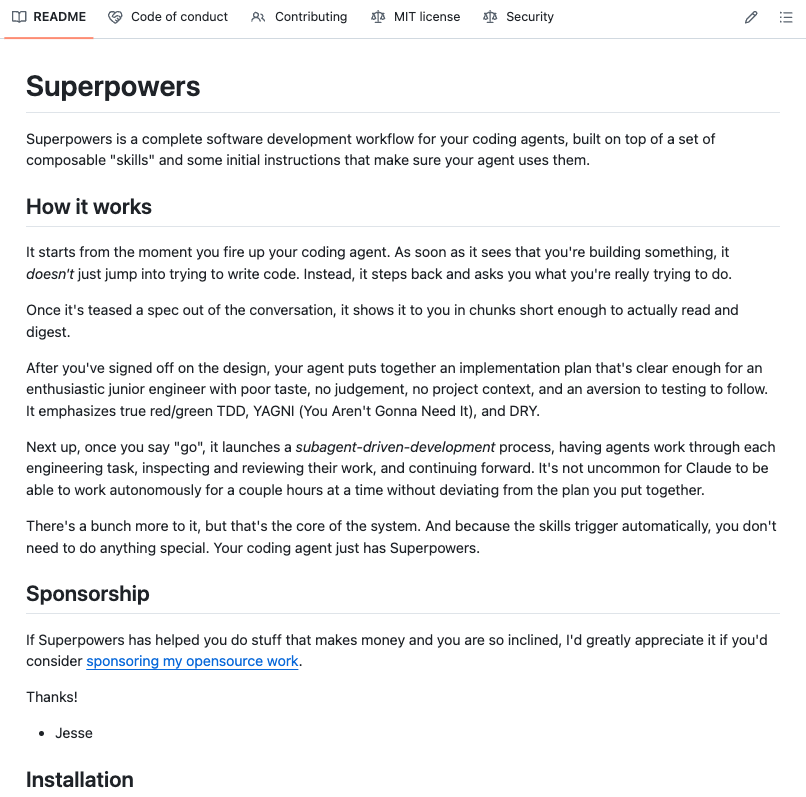
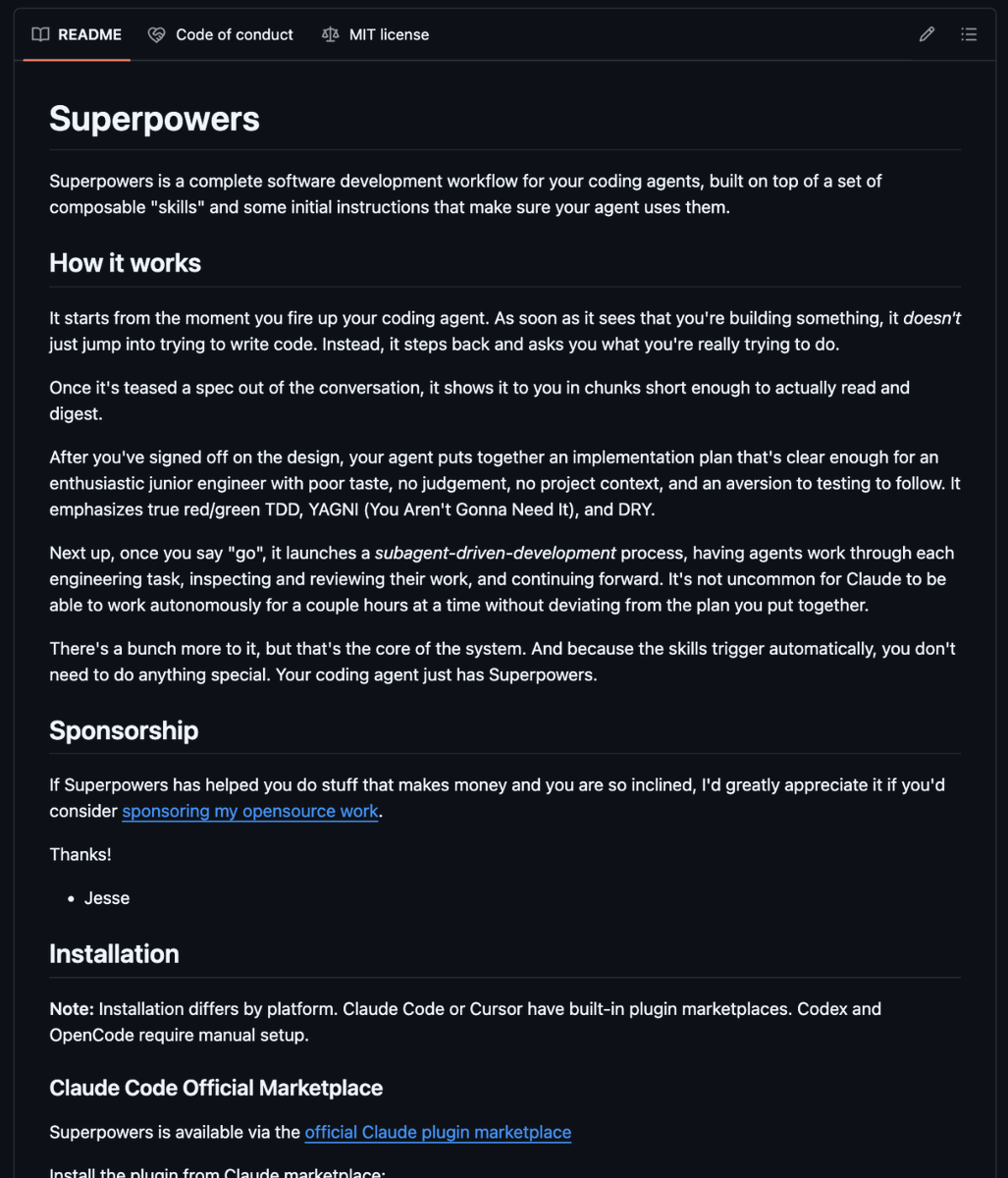
7. Superpowers
https://t.co/zb44XrrIfq
8. Awesome Claude Code
https://t.co/EvXJfbTXy4
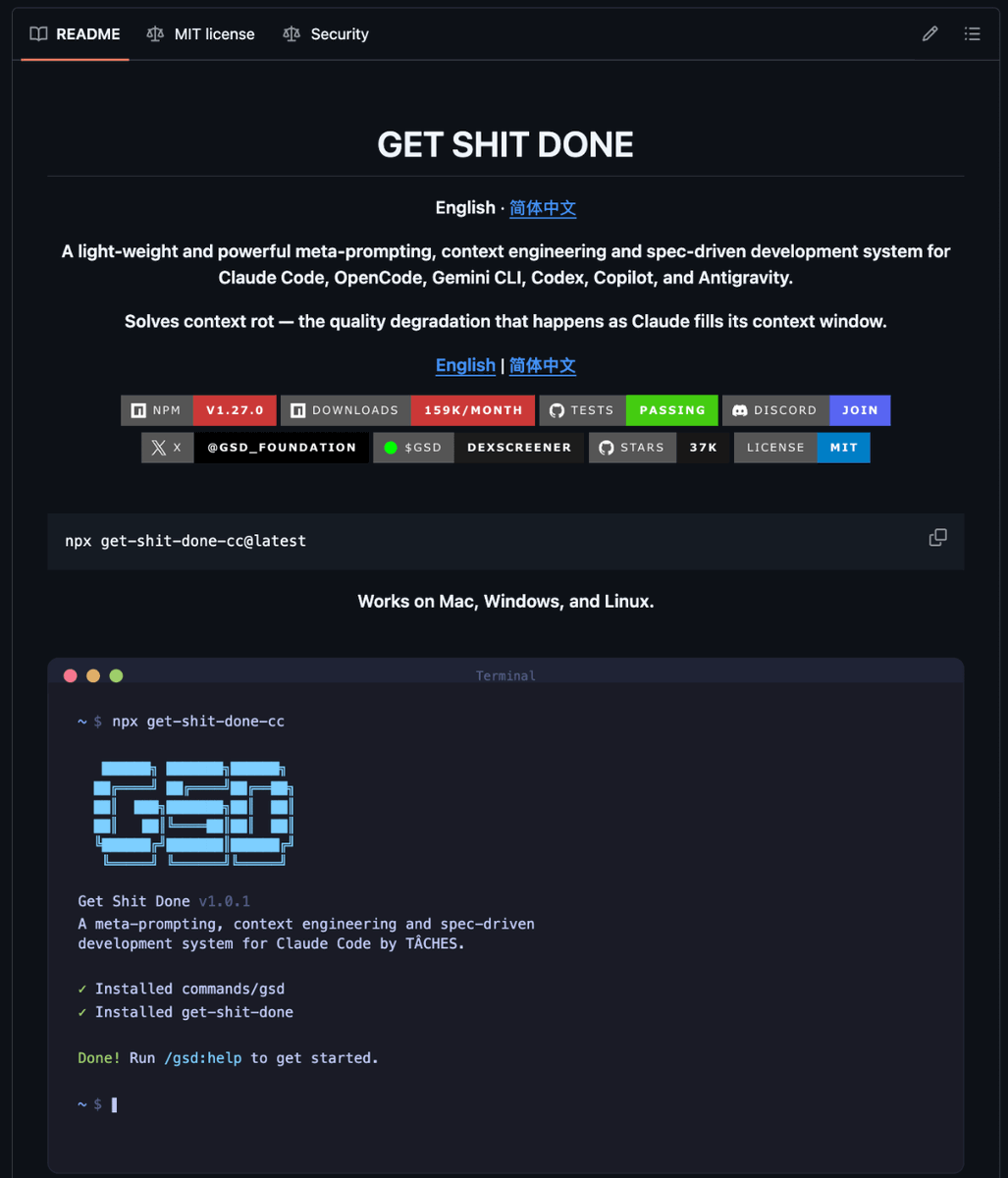
9. GSD (Get Shit Done)
https://t.co/uytxZ7egfA
🚨 BREAKING: AI can now build trading algorithms like Goldman Sachs' algorithmic trading desk (for free).
Here are 15 insane Claude prompts that replace $500K/year quant strats (Save for later)
Manage multiple AI providers through a single interface.
This tutorial demonstrates how to configure and deploy an LLM Gateway to route requests to OpenAI, Anthropic, or Google models in minutes.
{ author: Landry Monga }
https://t.co/7Y4P5dWENf
Flutter Pro Tip #3:
There's a VS Code extension called Pubgrade that informs you of your Flutter project's outdated packages with their changelogs and release dates so you don't left behind bug fixes and new features.
Before this extension I was totally unaware of new package versions unless I randomly check it on pubdev.
Just search "pubgrade" in extensions tab of your VS Code/Cursor/Antigravity, or check the link in the first comment: