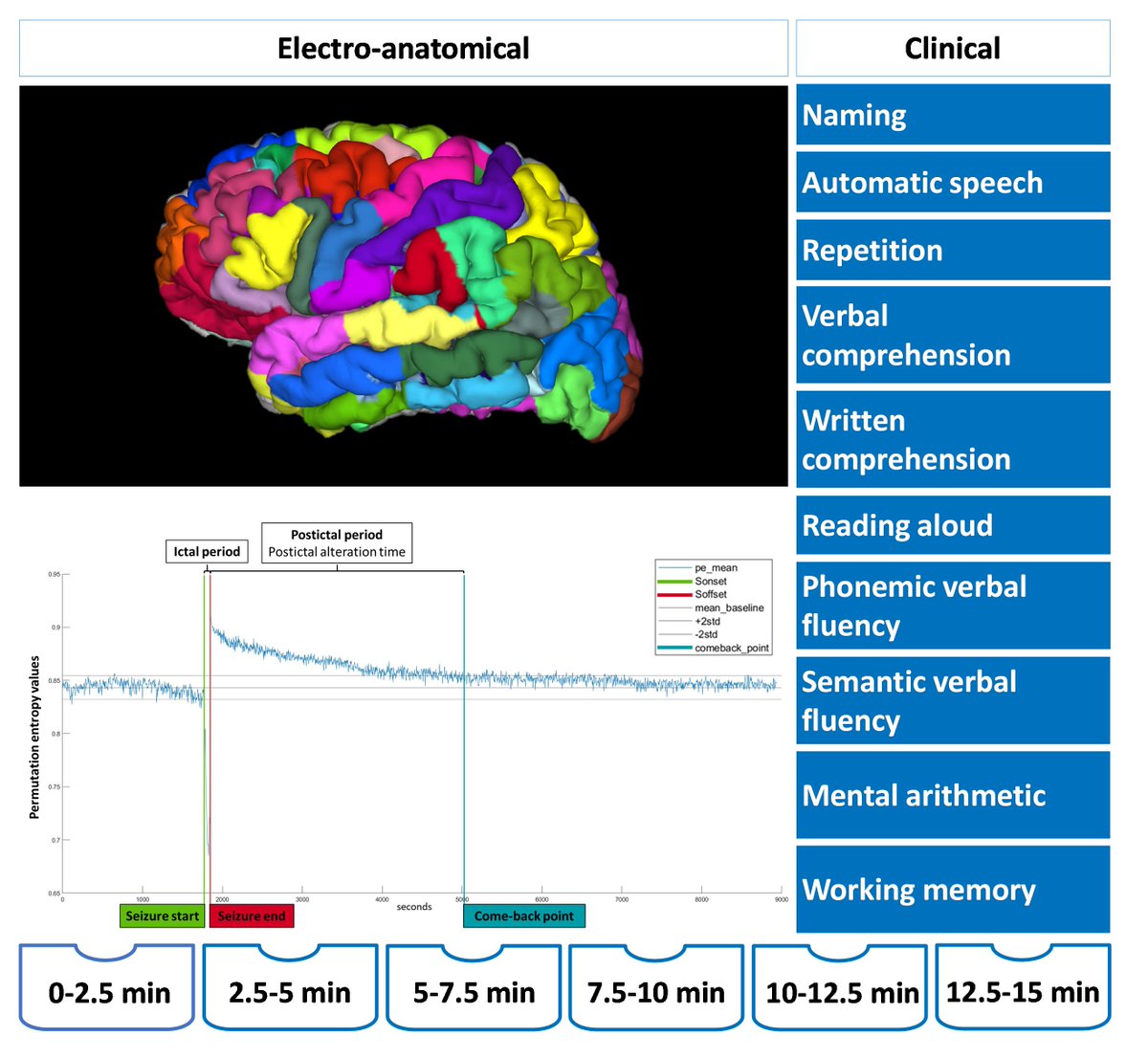
🧠 New preprint: The burden of the postictal state in epilepsy: a prospective, single-centre observational cohort study
https://t.co/uUFnm3n95Z
‼️ Introducing the Postictal Recovery Scale (PRS) — a structured, multidimensional, patient-reported tool to capture postictal burden.
New open-access paper in @EpiDisorders reporting VERY rare cases of postictal agitation leading to self-removal of SEEG electrodes during monitoring.
Awareness of postictal behaviour may further improve monitoring safety.
https://t.co/rZUPjP21I1
New paper @EpilepsiaJourn
Thalamic SEEG to probe medial pulvinar DBS in focal DRE.
Spike-rates/(c)EI/h2 connectivity failed, but ictal entropy (PEI, ΔE) tagged responders.
Perfect timing before #AES2025, where thalamic DBS is a hot topic @AmEpilepsySoc
https://t.co/16mEhhmh3t
⏳ Seizures last seconds to minutes, but postictal effects can last weeks or months.
Seizure control has limits — we must do more to address postictal impacts on patients, caregivers & society.
Epilepsy care means postictal care too! @EpiDisorders
https://t.co/BulVqow3PA
[A letter from our IFCN President] Whether it is our congresses, on-line video library, Masterclass or learned reviews and research papers in our two journals, IFCN is primarily about education. So, our IFCN Fellowships are an important part of our activity. This year we received an exceptional number of highly quality applications from around the world, which we hope reflects the health of our specialty and that our awards are perceived as being well suited to the needs of our trainees. The Education and Research Committees therefore faced a particularly challenging task in deciding on the awards. The process was rigorous, with applications both scored for various factors and then compared both for their own promise but also geographic and other considerations. I am delighted to announce that the following have been awarded Fellowship.
IFCN Fellowships in Education, 2025
Abdulrahaman Zarzor from Iraq will study IONM at Duke University, USA, and then help educate his junior colleagues on this technique on his return. Mercedes Chiesa -Ferreira from Uruguay will study genetic and autoimmune neuropathies at the Ribeiro Preto Center in Brazil. Ekatarine Kurua from Georgia will study advanced EEG techniques and epilepsy management at Necker Hospital in France. Several centers in her home country lack these advanced techniques. Nargis Usmonova Amanova from Uzbekistan will train at LMU University Hospital in Germany, in IONM to enhance this service once returned home. Our two Educational Africa to Africa winners are Desmond Koffie from Ghana, who will be a clinical epilepsy fellow at Groote Schuur Hospital in South Africa focusing on adult electroencephalography and long-term EEG monitoring and Marcelinus Kilanga, from Tanzania, will focus on EEG, EMG, and NCS at Stellenbosch University in South Africa.
IFCN Fellowships in Research, 2025
Flavius Bratu, (Romania) will research SEEG signal entropy analysis in postictal state at Service Neurophysiologie de Clinique in France. Masa Kovacevic will travel from Serbia to the Medical University in Vienna, Austria to expand her understanding of stereo-electroencephalography in presurgical epilepsy evaluation. Masaya Togo (Japan) will continue his training in the Department of Neurology and Neurological Science at Stanford University. His research is in neuromodulation therapy for epilepsy. Totsapol Surawattanawong, from Thailand, will continue his work in Kyoto, Japan on advanced wide-band EEG analysis, seizure prediction techniques, and integration of biomarkers in clinical practice. Yukiyoshi Sumi from Japan will continue to study RBD and other neurological sleep disorders in the Department of Neurology, Medical University of Innsbruck in Austria.
Congratulations to all the IFCN Fellowship winners. Thanks also to the committee members for their hard work on this.
🧠Seizure’s over. What's next?
In our @ANA_journals study, we mapped postictal aphasia using SEEG signal complexity—and introduced the Postictal Aphasia Scale (PAS), a bedside tool.
When ictal testing is limited, postictal testing becomes the map.
🔗https://t.co/1dhcz16hws
🚨 “Cerebral Cavernous Malformations and Focal Drug‐Resistant Epilepsy: Behind a Quid Pro Quo of Lesion and Epileptogenic Networks” just out in @EurJournalNeuro
🔗https://t.co/qKtLeRLtnI
5-centre🇫🇷SEEG study challenging lesion-centric views in #epilepsysurgery in #CCMs.
🎉 Happy to share one of our latest articles in @EpiDisorders!
Entropy-based measures may shed light on how pulvinar DBS helps preserve awareness in temporal lobe seizures.
These mechanisms might also underlie the improved cognitive scores reported in the PULSE trial. 👉 https://t.co/BlOieTlAJN
When building a strong academic profile—national and international olympiads, extracurricular pursuits—many aim for the dream undergraduate destination: Harvard, Oxbridge, Karolinska, and the like.
Later, the focus naturally shifts: Where is the ideal place for graduate and specialist training? And within your chosen field, which centre defines excellence?
For epilepsy—and SEEG in particular—that centre is the team at Timone Hospital (Aix-Marseille University), Marseille.
Their unmatched contribution to the understanding and treatment of epilepsy is clearly reflected in the recent bibliometric analysis by Wang et al., Trends and hotspots of stereoelectroencephalogram from 2002 to 2023 (https://t.co/SnzJalns7S).
I am truly grateful to be part of this team!
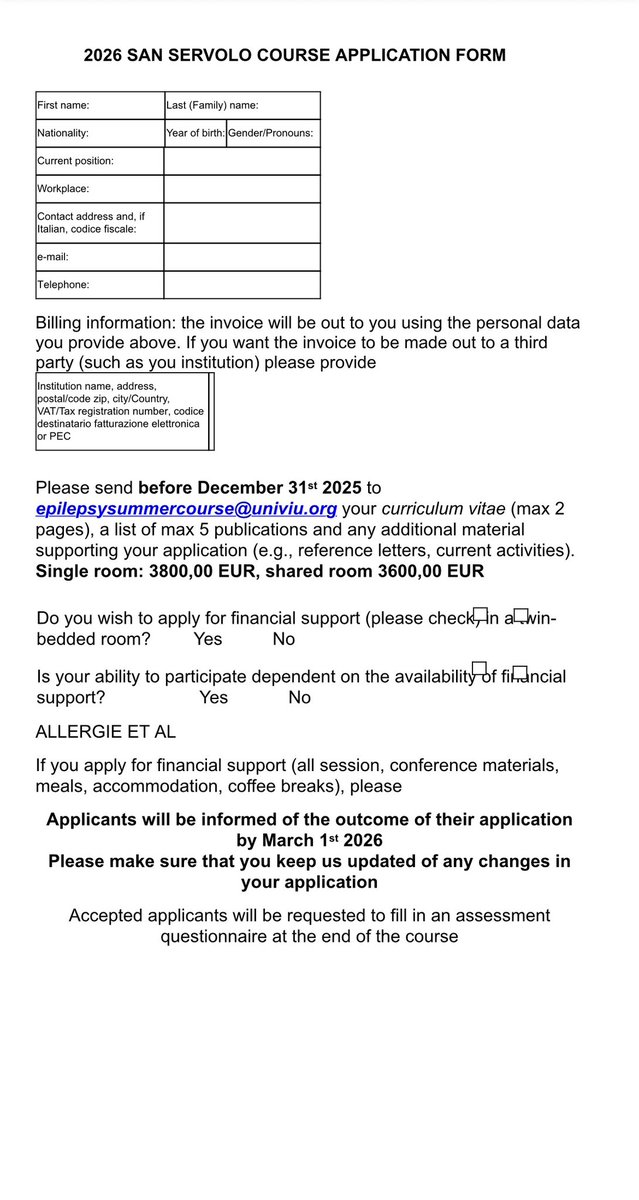
Last week I had the opportunity to attend and present a case from Prof. Bartolomei’s department at the 12th International Course on Drug Resistant Epilepsies in Tagliacozzo!
Caught up with great mentors and colleagues and met new ones!
@IlaeWeb@KetteValente@NicolaSpecchio_
Wonderful news from Brazil (@KetteValente ), the @IlaeWeb and the ILAE Pediatrics Commission:
1st Pediatrics Commission Symposium Updates in Diagnosis and Treatment of Epilepsies in Children
IS ON!
21 - 24.03.2025
#Registration https://t.co/ITAygiUDbh
#inperson OR #online
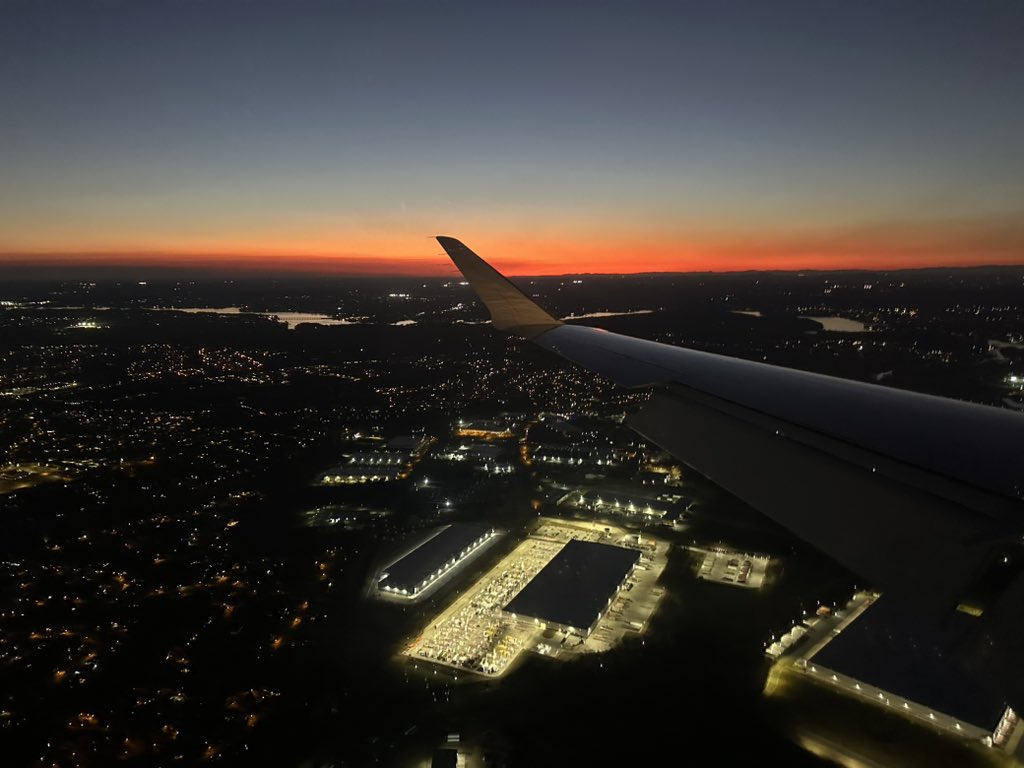
Reflecting on an extraordinary annual meeting as I make my way home, feeling deeply inspired and grateful for the experience. The sky ahead seems to echo these emotions, an amazing reminder of our beautiful world. Every moment, every connection, every person I met, and every insight has left an indelible mark, and I carry this sense of gratitude and inspiration with me 💙💙💙 @ACNS_org #ACNS2025
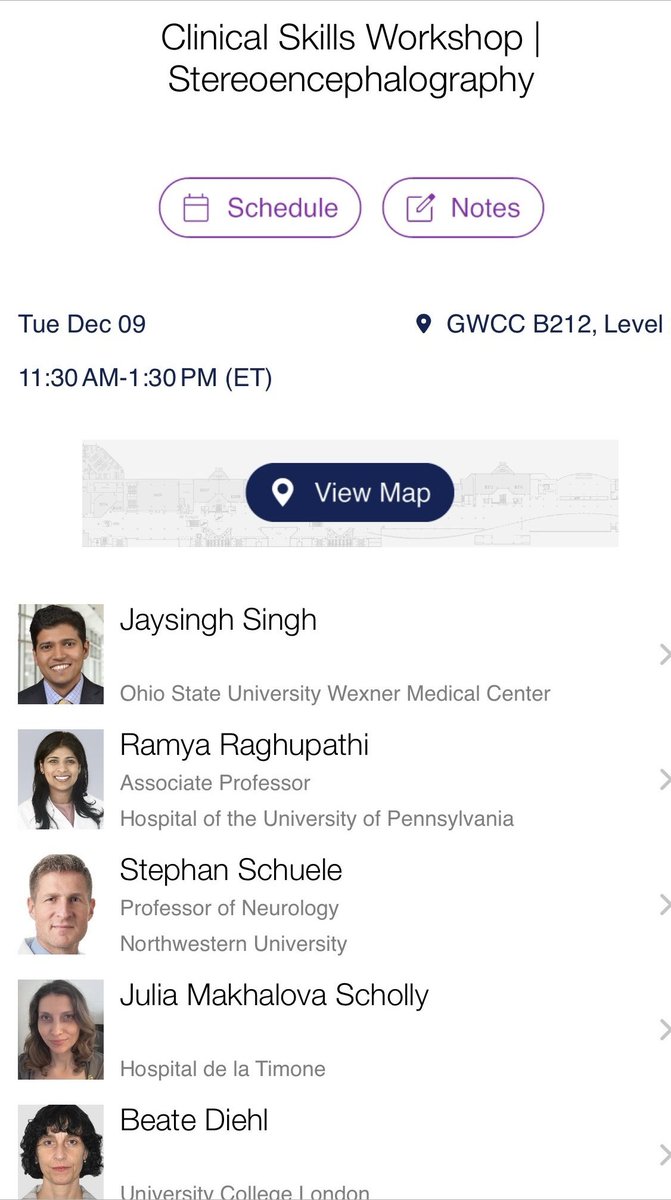
So excited to be attending my first ACNS Annual Meeting @ACNS_org and most honoured to talk about ictal SEEG signal quantifications and modeling!
So grateful to represent Prof. Fabrice Bartolomei, DynaMap, @NeuroSchool_mrs@INS_Umr1106@aphm_actu#ACNS2025







![ClinicalNeuroph's tweet photo. [A letter from our IFCN President] Whether it is our congresses, on-line video library, Masterclass or learned reviews and research papers in our two journals, IFCN is primarily about education. So, our IFCN Fellowships are an important part of our activity. This year we received an exceptional number of highly quality applications from around the world, which we hope reflects the health of our specialty and that our awards are perceived as being well suited to the needs of our trainees. The Education and Research Committees therefore faced a particularly challenging task in deciding on the awards. The process was rigorous, with applications both scored for various factors and then compared both for their own promise but also geographic and other considerations. I am delighted to announce that the following have been awarded Fellowship.
IFCN Fellowships in Education, 2025
Abdulrahaman Zarzor from Iraq will study IONM at Duke University, USA, and then help educate his junior colleagues on this technique on his return. Mercedes Chiesa -Ferreira from Uruguay will study genetic and autoimmune neuropathies at the Ribeiro Preto Center in Brazil. Ekatarine Kurua from Georgia will study advanced EEG techniques and epilepsy management at Necker Hospital in France. Several centers in her home country lack these advanced techniques. Nargis Usmonova Amanova from Uzbekistan will train at LMU University Hospital in Germany, in IONM to enhance this service once returned home. Our two Educational Africa to Africa winners are Desmond Koffie from Ghana, who will be a clinical epilepsy fellow at Groote Schuur Hospital in South Africa focusing on adult electroencephalography and long-term EEG monitoring and Marcelinus Kilanga, from Tanzania, will focus on EEG, EMG, and NCS at Stellenbosch University in South Africa.
IFCN Fellowships in Research, 2025
Flavius Bratu, (Romania) will research SEEG signal entropy analysis in postictal state at Service Neurophysiologie de Clinique in France. Masa Kovacevic will travel from Serbia to the Medical University in Vienna, Austria to expand her understanding of stereo-electroencephalography in presurgical epilepsy evaluation. Masaya Togo (Japan) will continue his training in the Department of Neurology and Neurological Science at Stanford University. His research is in neuromodulation therapy for epilepsy. Totsapol Surawattanawong, from Thailand, will continue his work in Kyoto, Japan on advanced wide-band EEG analysis, seizure prediction techniques, and integration of biomarkers in clinical practice. Yukiyoshi Sumi from Japan will continue to study RBD and other neurological sleep disorders in the Department of Neurology, Medical University of Innsbruck in Austria.
Congratulations to all the IFCN Fellowship winners. Thanks also to the committee members for their hard work on this.](https://pbs.twimg.com/media/GwGLLkEXEAUsZNE.png)