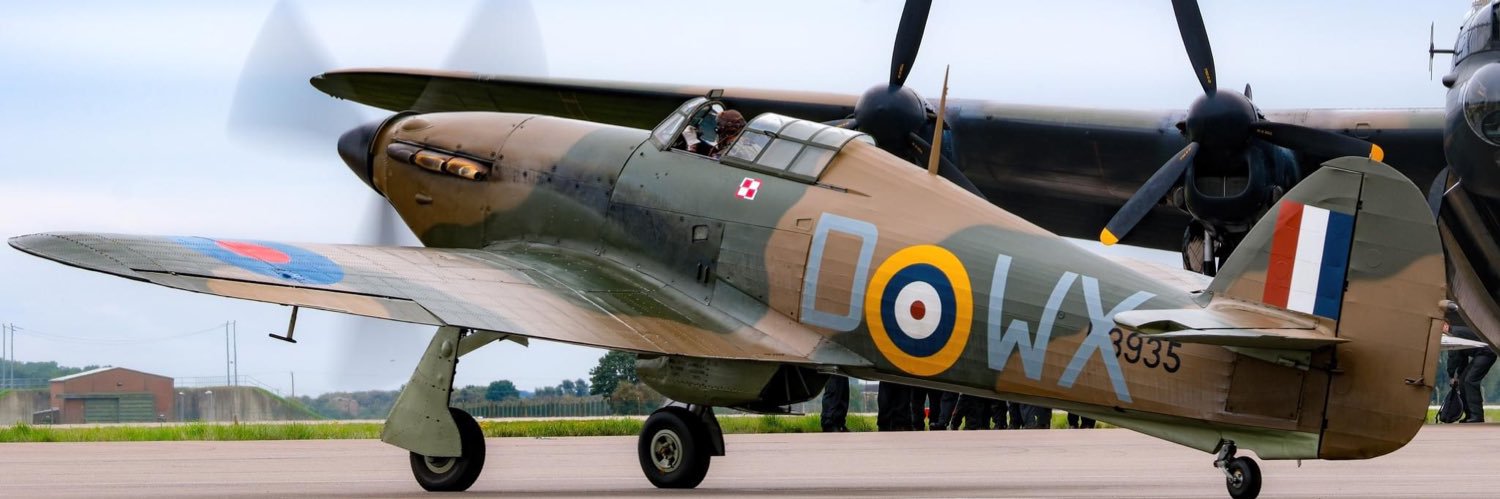
We have received several messages about the advertised sale of Hawker Hurricane G-HURI on @platfighters
The aircraft owner has chosen to list the aeroplane for sale at £1.6m
We are working to find a new owner/sponsor who wishes the work of the Polish Heritage Flight to continue. This could be an exciting opportunity to have a permanent living memorial to Poland in the Second World War.
There is of course the possibility that the aeroplane will find a new owner who does not wish it to represent the Polish Heritage Flight. This happened with the sale of Spitfire BM597 in 2023, which now resides in Australia.
We are eternally grateful to the existing Private owner who has funded & enabled the PHF to exist since November 2019.
Regardless of the outcome we are incredibly proud of our Volunteers & Supporters who have helped us to achieve so much and crucially our goals…
Remember. Inspire. Unity. 🇬🇧🇵🇱
#Poland #Spitfire #Hurricane #Polska #WW2
https://t.co/o1XOMNMoEy
Infantry unit of the 1st Polish Corps, armed with Bren machine guns and Boys anti-tank rifles and supported by a pair of Universal Carriers, pictured in action during a training exercise in Perth, Scotland.
Image: IWM (H 5658)
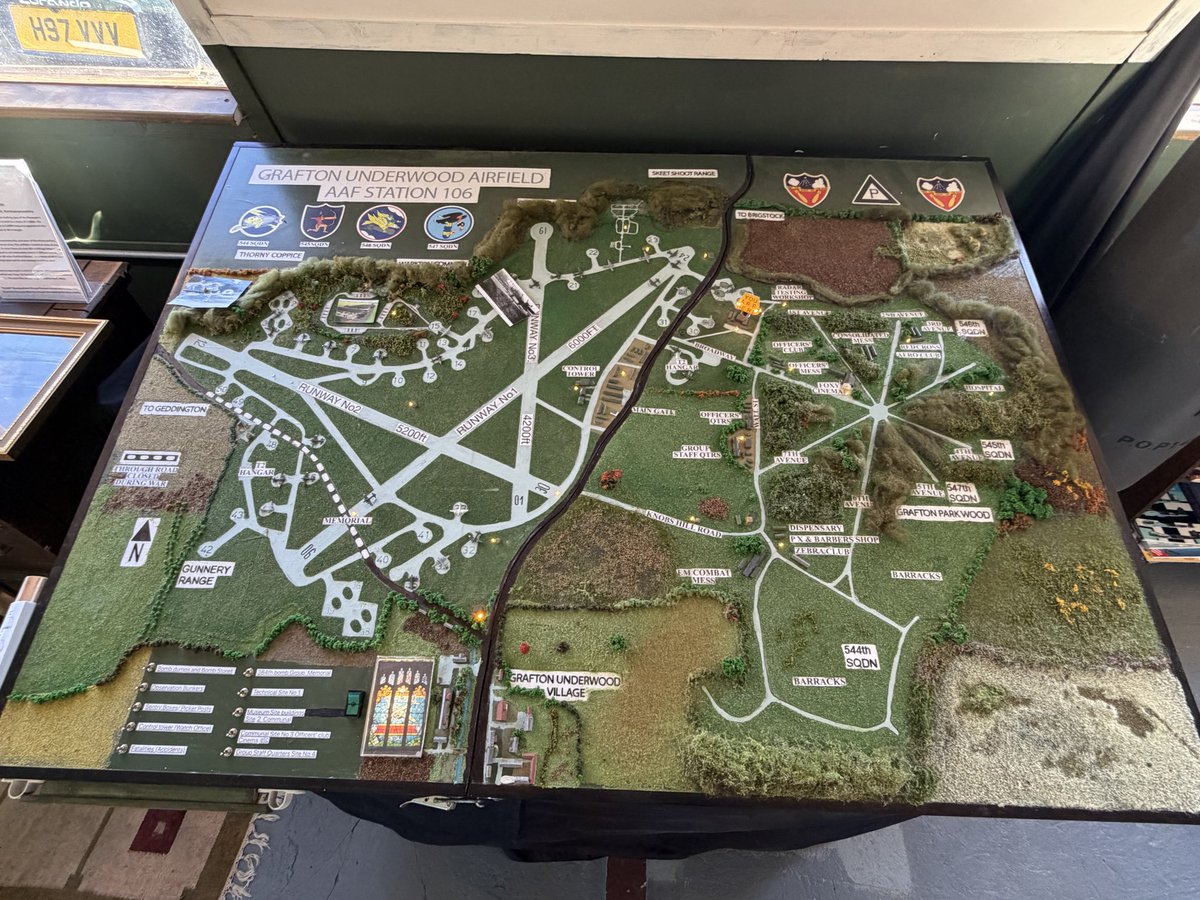
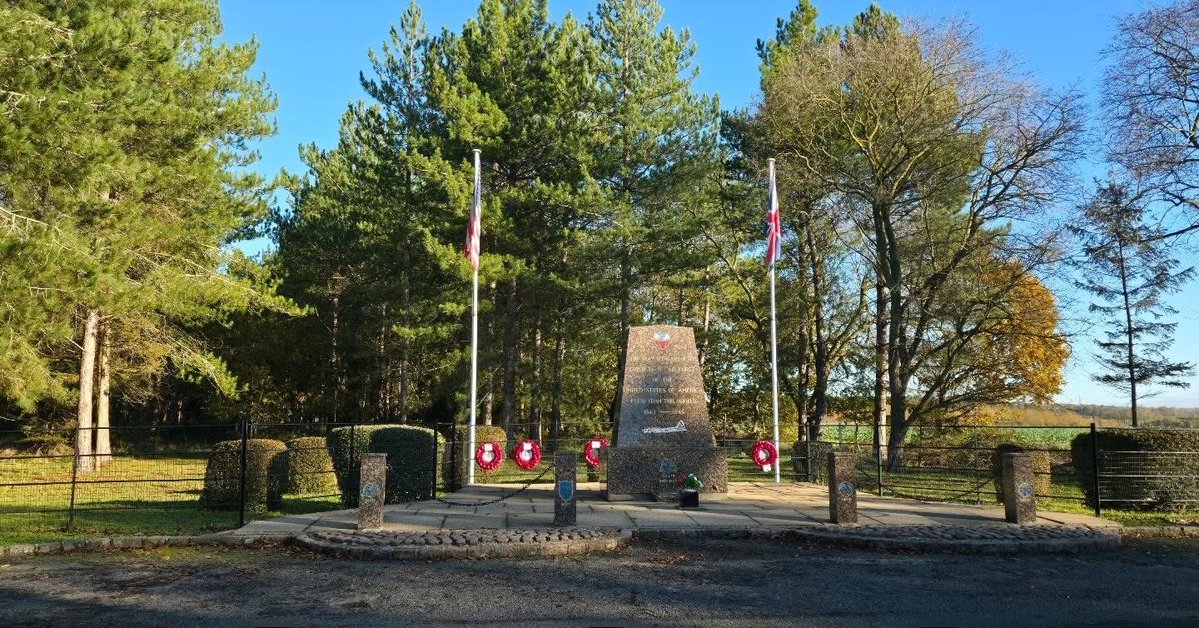
We visited RAF Grafton Underwood yesterday along with the @DarrenHarbar to see the incredible work being achieved by the 384th Bomb Group Museum Project who are restoring a number of buildings at the former B17 base.
This site still has so much history hidden in the woods, including multiple building platforms, shelters and more. You can walk around a large section of the site when visiting the fledgling museum and get a drink and cake at the same time.
If you are in the Northamptonshire area, check out when they are open and help support them. They have a great range of merchandise too! 😁😁
@WeHaveWaysPod
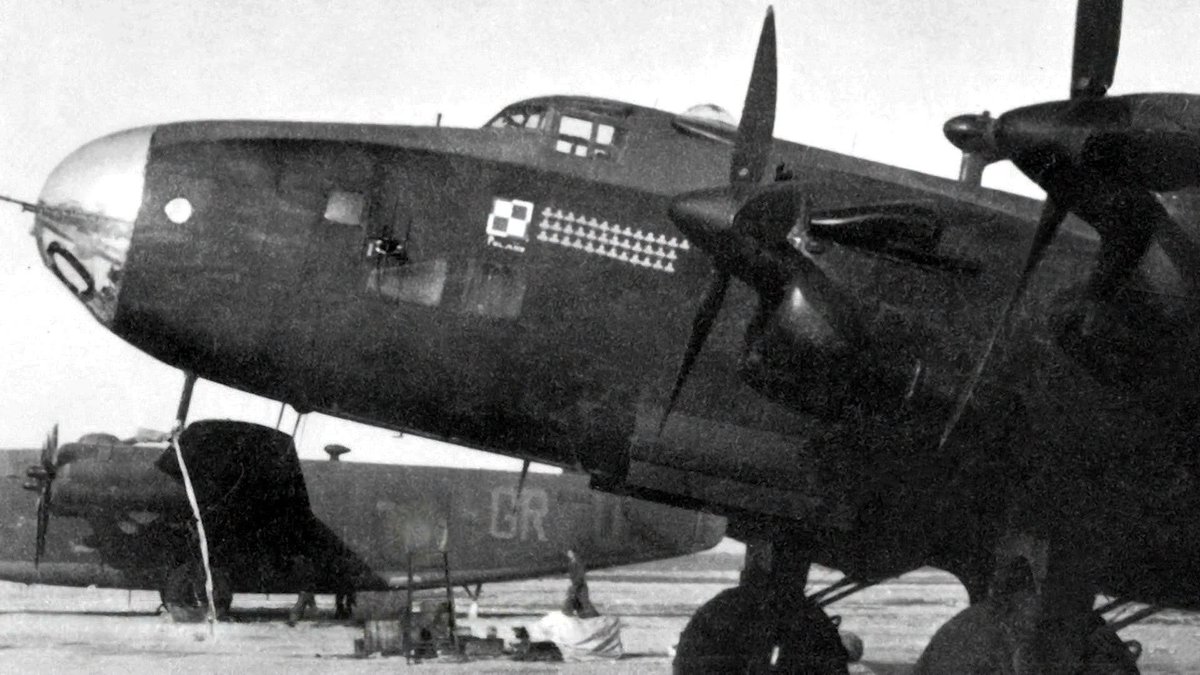
Polish Handley Page Halifax and Consolidated B-24 Liberator 301st Bomber Squadron "of the Pomeranian Land, the Defenders of Warsaw" / 1586th Special Duties Squadron. #WW2#History#PAF
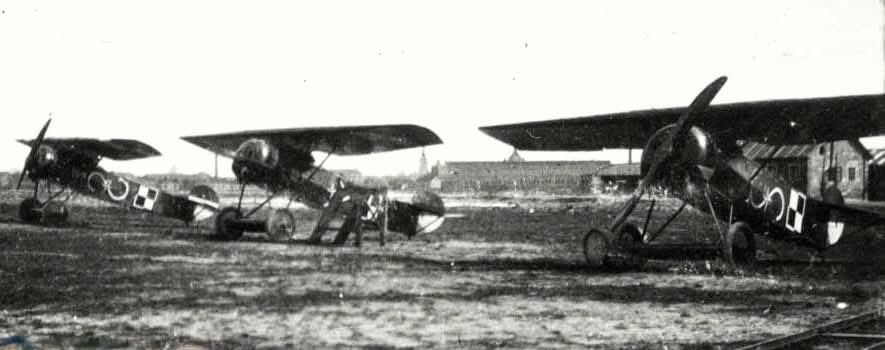
On November 5, 1918—six days before Poland officially regained its independence—Polish aviation took to the skies for the very first time. At the controls was Captain Stefan Bastyr.
A former Austro-Hungarian WWI pilot and engineering student from Lwów, Bastyr helped seize the city's Lewandówka airfield in early November 1918. Working under fire, Polish mechanics pieced together damaged Austrian aircraft, and on November 5, Bastyr and observer Janusz de Beaurain took off on the first Polish military combat sortie in history.
Bastyr went on to command Lwów's aviation units and flew more combat missions than any other Polish pilot of the era—including sorties in his distinctive Fokker E.V.
Despite suffering from a serious heart condition, he refused to stay grounded. Tragically, on August 6, 1920, during the Battle of Lwów, Bastyr died in a Fokker D.VII crash at Lewandówka airfield—widely believed to have been caused by sudden heart failure in mid-flight.
He was just 29 years old. Posthumously awarded the Virtuti Militari, Stefan Bastyr remains one of the founding pioneers of the Polish Air Force. 🇵🇱✈️
#AviationHistory #PolishAirForce #StefanBastyr #MilitaryHistory #WW1Aviation #History
@PolishEmbassyUK
🚨 Our Black Friday Sale is AIRBORNE!
🛫 20% OFF orders $100+ with Code: BF2026
✈ Aviation Patches: Buy 3, Get 1 FREE or Buy 4, Get 2 FREE. Stack your 20% discount on top!
🎁 Ends Cyber Monday. No bigger discounts coming.
🌐 https://t.co/UTWIHVUPU8
#Aviation#909Apparel
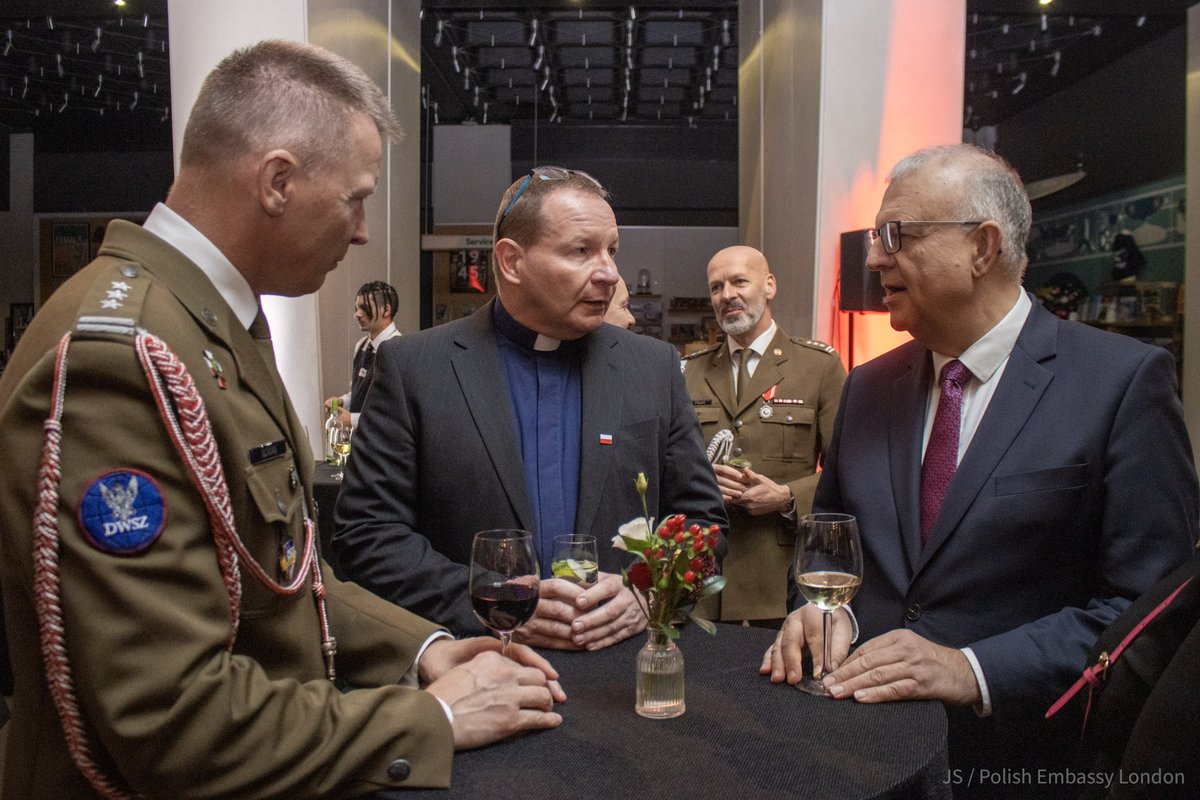
Z okazji Narodowego Święta Niepodległości mieliśmy przyjemność gościć przedstawicieli Polonii w UK na przyjęciu w @I_W_M.
CDA R. Wiśniewski zaznaczył, że siłą Polonii na Wyspach jest jej różnorodność. Senator @kmujazdowski podziękował gościom za ich działalność na rzecz 🇵🇱.
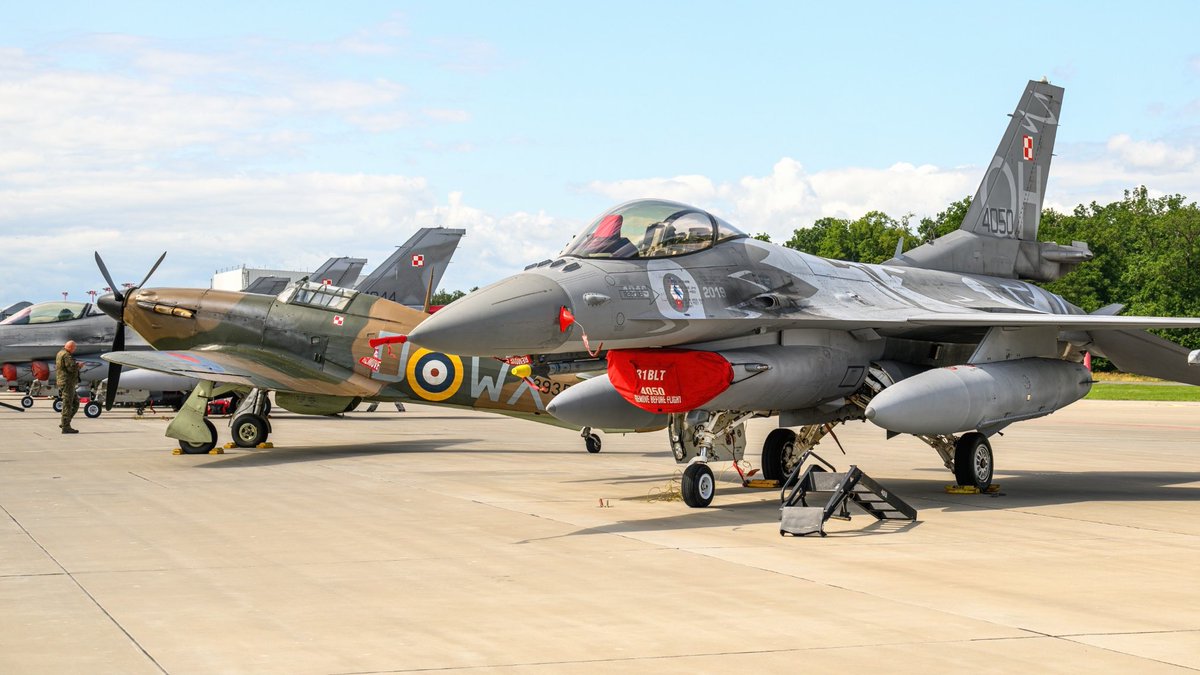
Looking for some help with Fighter Affiliation Hawker Hurricanes!
In particular colour schemes, markings or any wartime photographs. (Don’t worry we are not giving G-HURI a repaint!
Thank you
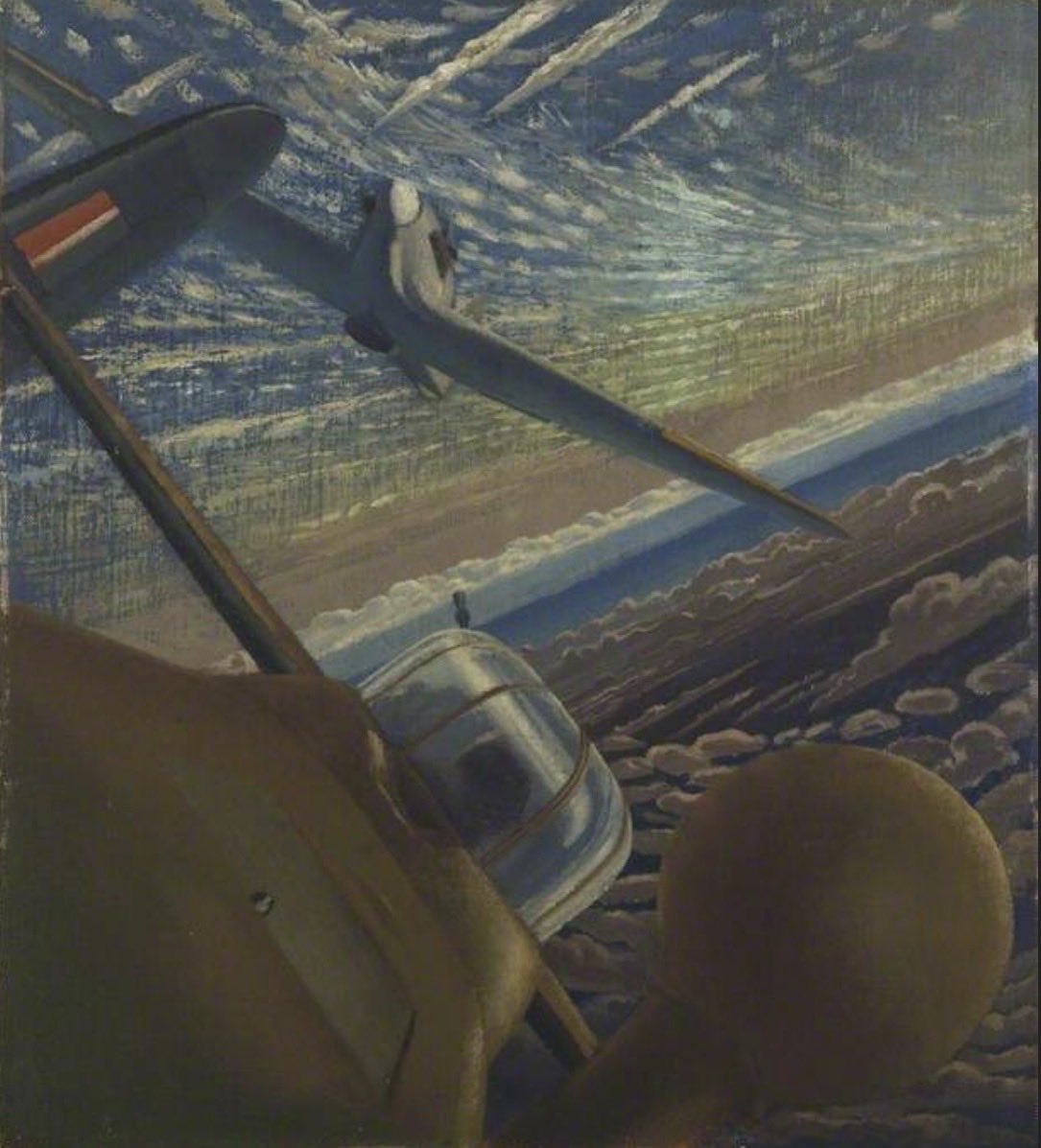
Art: Walter Thomas Monnington (1902-1976)
Image credit: IWM (Imperial War Museums)
The Polish flag was raised above Exeter's Guildhall today as part of a weekend of events to mark the role of a Polish air squadron who were based near the city during the Second World War. Known as the Eagle Owls, 307 Squadron brought down four German bombers which were en route to the city on the night of the Blitz in 1942.
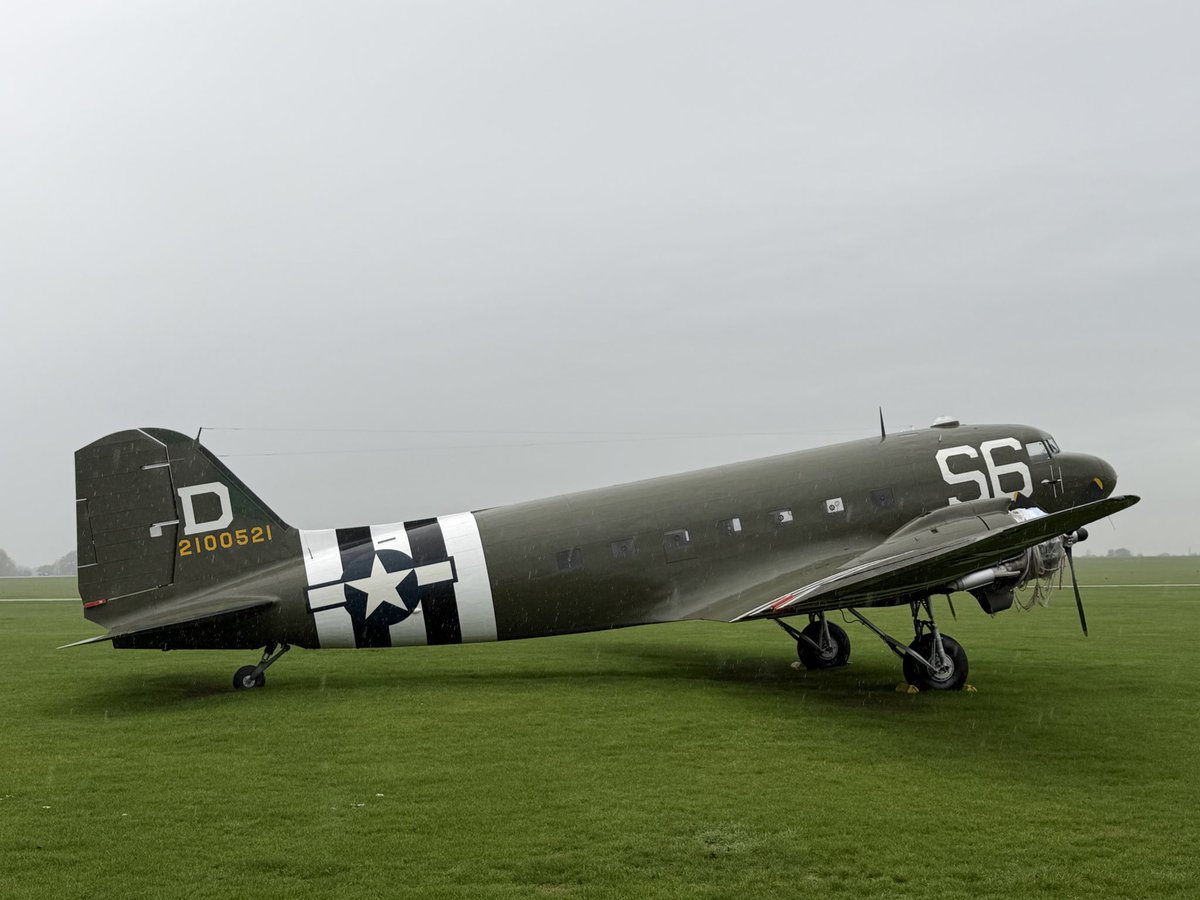
A wet morning at Sywell… ☔️
This incredibly historic aeroplane… ���🇸
Built in October 1943 at the Douglas Long Beach plant as a C-47A-65-DL (c/n 18984), it served with the 79th Troop Carrier Squadron, 436th Troop Carrier Group at RAF Membury (Station 466) in Berkshire, England. (Now home to Membury Services on the M4)
It carried the squadron code S6 and tail letter D (“Dog”).
The name “Night Fright” came from its pilot, Lt. William K. “Bill” Watson, as a play on Antoine de Saint-Exupéry’s book Night Flight. Nose art featured the name along with related artwork.
On D-Day (6 June 1944), it flew as Chalk 20 in the first serial from Membury for Operation Albany/Neptune, dropping elements of the 1st Battalion, 502nd Parachute Infantry Regiment (101st Airborne Division) near Drop Zone A.
It also took part in glider-towing missions that day and later flew in Operation Market Garden and Operation Varsity (Rhine crossing), carrying paratroops, towing gliders, delivering supplies, and evacuating wounded.
@WeHaveWaysPod
@almurray
@James1940
@nleaney
Sunday Morning and a good time to have a read of our latest ‘Flight Briefing’ 👇☕️🌅
Our thanks to the ever brilliant West Midlands Police Scale Model Club, @RAFIngham, @DarmahFurcat & @SimonMassey123
More Than a Model: Honouring the Legacy of 300 Squadron at Ingham https://t.co/cU7gzssihp via @FlightPolish
Two farewells at Ballyhalbert
13 November is a date of goodbyes at RAF Ballyhalbert.
On 13 November 1943, 83 years ago, No. 315 "City of Dęblin" Squadron left Co. Down for RAF Heston in Middlesex. There it helped form the 133 Polish Fighter Wing of the Second Tactical Air Force, preparing for the liberation of Europe.
Exactly two years later, on 13 November 1945, the airfield itself closed and was put into care and maintenance. Only two months before, a Belfast Telegraph article by intelligence officer John Hockin had said the RAF planned to keep the station going after the war. It did not happen. By 1947 the site was abandoned, and in March 1960 it was sold to developers.
Today caravan parks and new houses cover the old airfield.
Only the runway lighting and the control tower remain, but not for long.
(Taken From the ‘For Your Freedom & Ours’ Group on Facebook an incredible group who work hard telling Polands story in Northern Ireland during the Second World War)
#315Squadron #Ballyhalbert #RAFHistory #PolishWingsTrail #OnThisDay
Spitfires In The Snow 🇬🇧🇵🇱🇧🇪❄️
Spitfire LF.IX ML293 (JH-P) of 317 Polish “City of Wilno” Fighter Squadron.
Grimbergen, Belgium, January 1945.
This photograph shows Supermarine Spitfire LF.IX serial ML293, coded JH-P, of 317 Polish Fighter Squadron on the snow-covered forward airfield at Grimbergen in January 1945. A second Spitfire of the same unit is visible in the foreground, bearing the Polish Air Force checkerboard national marking.
317 Squadron was formed in February 1941 as one of the Polish fighter units serving with the Royal Air Force. By 1944–45 it formed part of No. 131 (Polish) Wing of the Second Tactical Air Force and was equipped with Spitfire LF.IX aircraft employed primarily in the fighter-bomber and armed-reconnaissance roles. On 13 January 1945 the squadron moved to Grimbergen after the German Operation Bodenplatte attack on its previous base at Sint-Denijs-Westrem on New Year’s Day.
From Grimbergen the unit conducted low-level operations against German communications and troop movements in the area between the Rhine and the Meuse in support of the Allied ground advance.
ML293 was built at Castle Bromwich with a Merlin 66 engine. After earlier service with No. 56 Squadron and subsequent modification, it was allocated to No. 317 Squadron on or about 18 January 1945. It remained with the unit until it sustained Category B damage on 8 April 1945. The aircraft was later repaired and eventually sold to Turkey.
The image records the typical winter operating conditions faced by the Polish squadrons of the Second Tactical Air Force on Belgian forward bases in the final months of the war in Europe. Of note the underwing bombs and ‘slipper fuel tank’ for extended range and markings with the late-war style of black spinner and without the earlier Sky fuselage band.
@spirit_spitfire@BeaverWestminst
#spitfire