The historical (pre-Linnean) collections at the Natural History Museum, London and the University of Oxford Herbaria hold nearly 6000 plant specimens collected in and around Madras between 1690 and 1712 by English East India Company (EIC) officers, merchants and collaborators.
Anisomeles malabarica (L.) R. Br. (Lamiaceae): The Tamil name of this plant was recorded as Peimirratti (பேய்மிரட்டி) in the historical collections. It is known by the same name among locals even today.
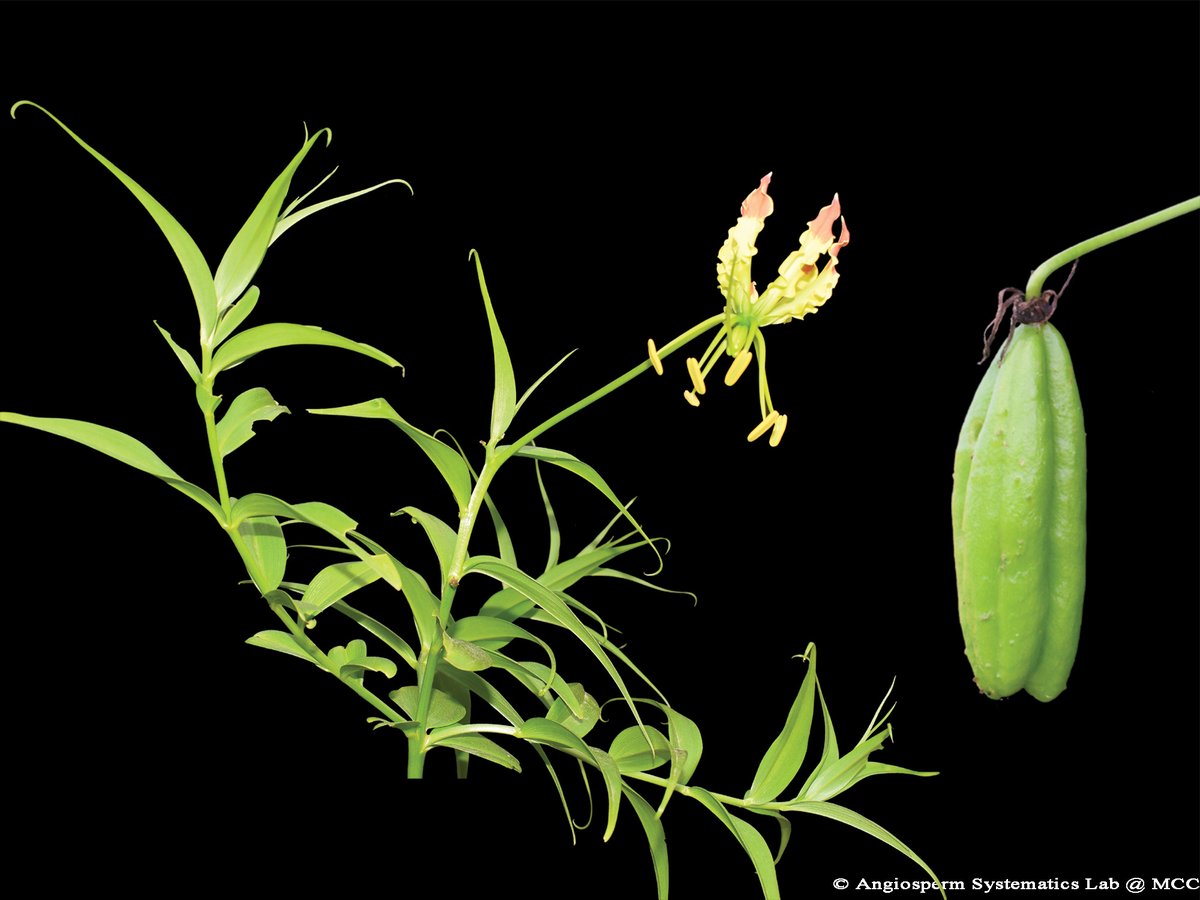
Gloriosa superba L. (Colchicaceae): It is locally called Kalapaikizhangu (கலப்பைக்கிழங்கு) and the same was reported in the historical collections. Samuel Browne documented that the root poultice is applied to cure swollen joints.
#FloraofMadras#Botany#Historicalcollections
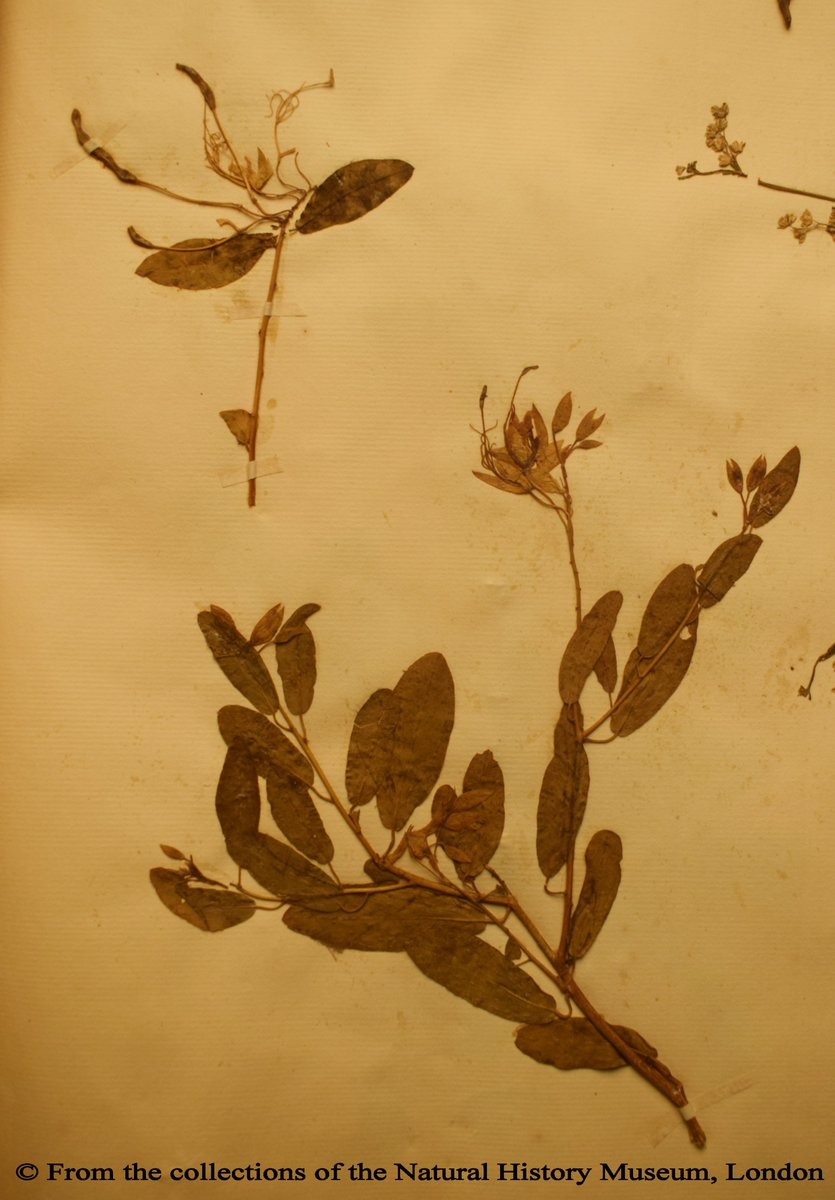
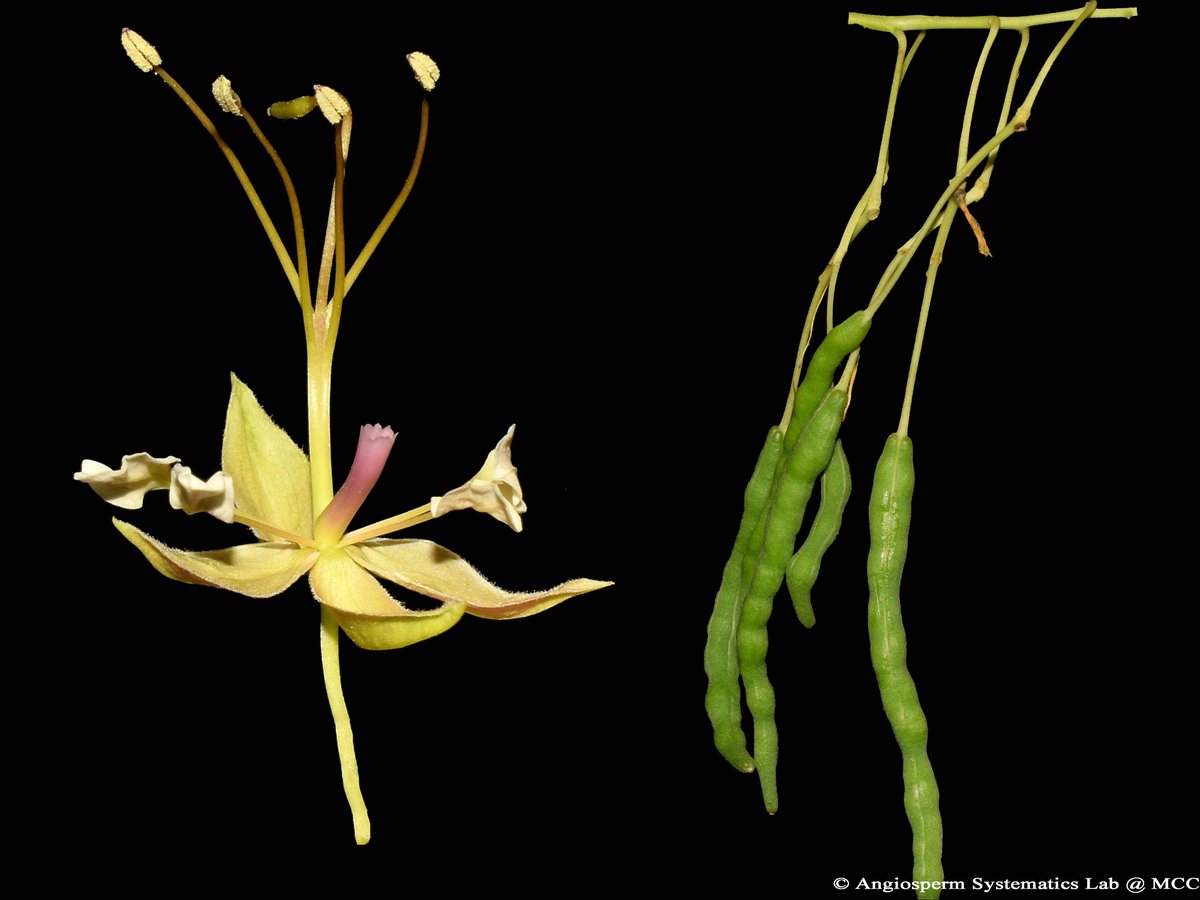
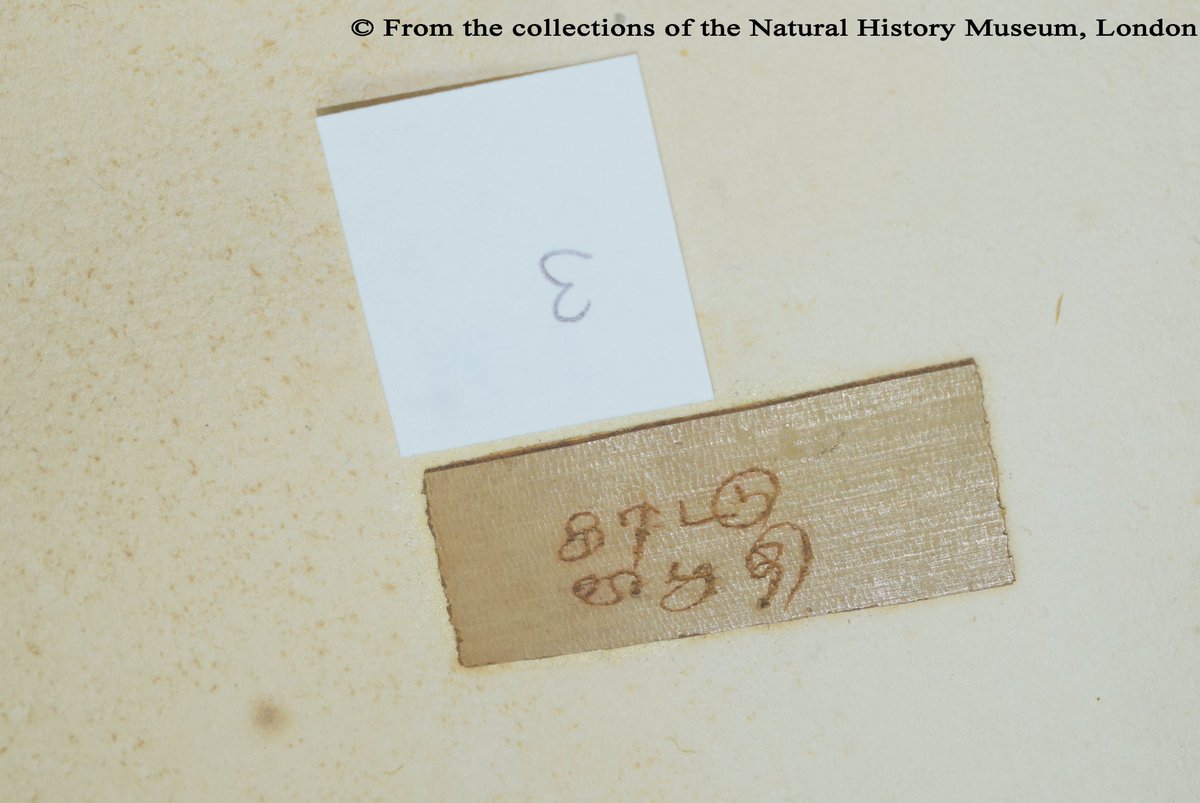
Cadaba fruticosa (L.) Druce (Capparaceae): The vernacular name of this plant is Kattu Vizhudhi/Vizhudhi (காட்டு விழுதி/ விழுதி) and the same was documented in the historical collections.
Gymnosporia emarginata (Willd.) Thwaites (Celastraceae): It is locally called Kattanji (கட்டாஞ்சி) and reported in historical collections with the same name; it is also mentioned that the decoction of the bark and leaves is good against abdominal bloating or flatulence.
A review of all the published floristic documentation of Madras to date has not reported any vernacular name for this plant. This is one such classical example showing how the traditional knowledge of plant names has been lost over generations.
#FloraofMadras#Botany#Eriocaulon
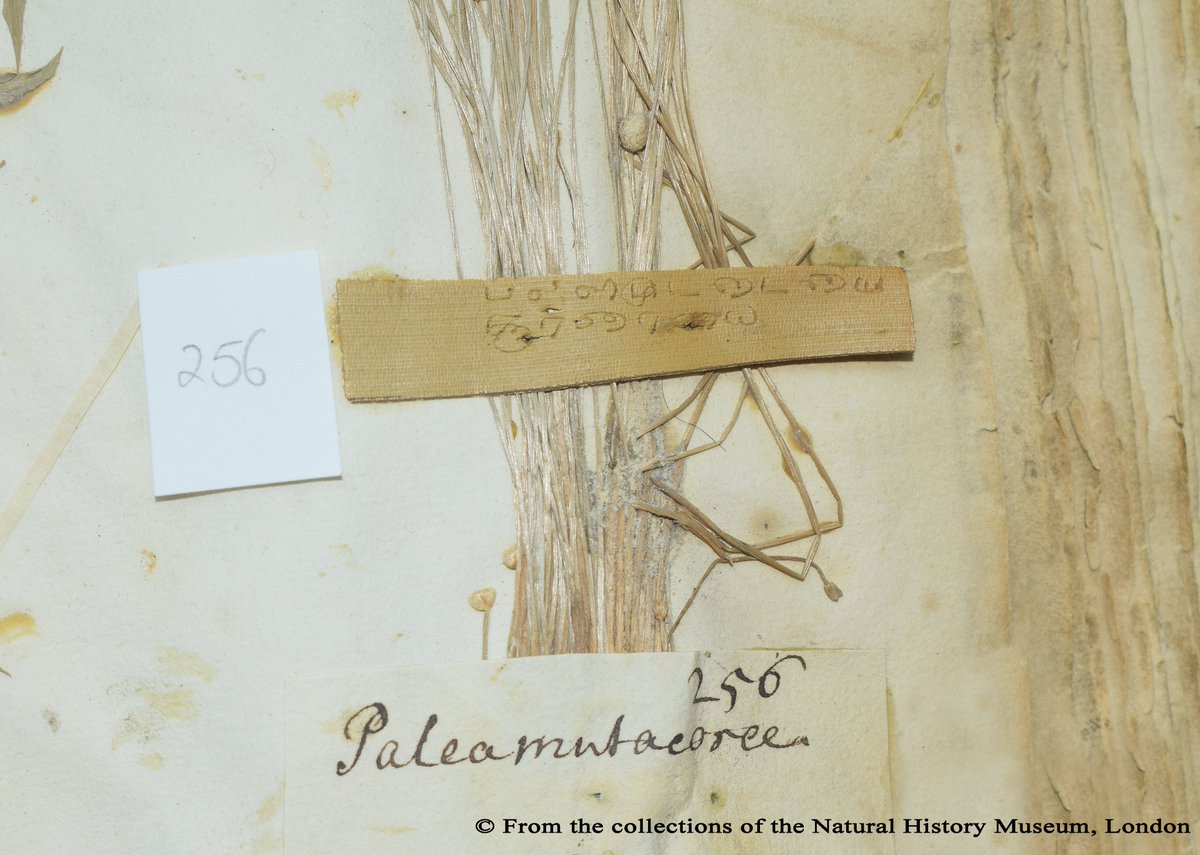
Eriocaulon quinquangulare L. (Eriocaulaceae): A grass- or sedge-like herbaceous scapigerous plant is commonly found in the undisturbed, marshy habitats of Madras. In the historical collections, it was recorded as “Palea Mutta Coree (பல்லி முட்டை கோரை) and Mutta cora (முட்டை கோரை)
Thespesia populnea (L.) Sol. ex Corrêa (Malvaceae): It is locally called Poovarasu (பூவரசு) and was also reported in the historical collections.
Did you know?
The Portia flowers open as yellow and turn to orange or reddish by evening!
#FloraofMadras#Botany#Taxonomy#Thespesia
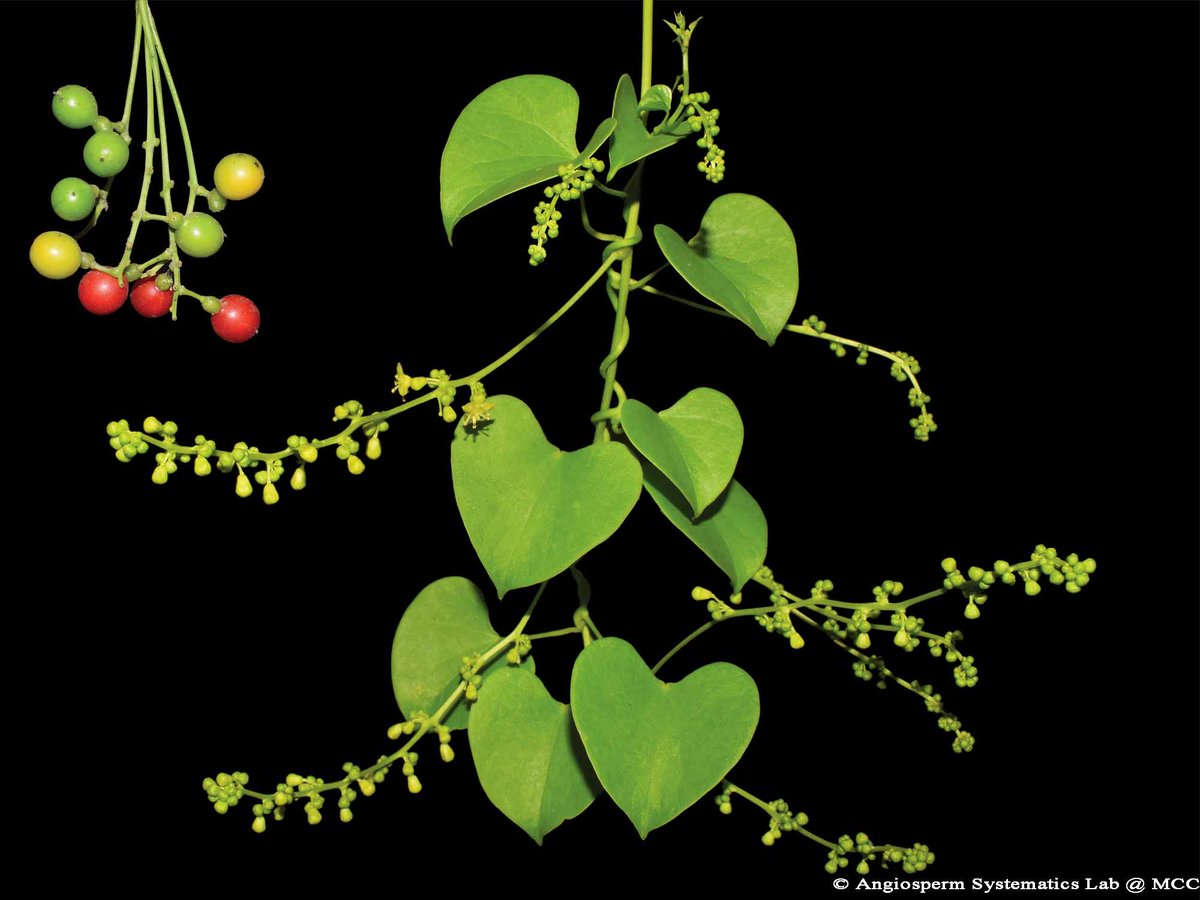
Tinospora cordifolia (Willd.) Hook.f. & Thomson (Menispermaceae): It is locally called Seenthil (சீந்தில்) and was documented under the same name in the historical collections. Samuel Browne reported that the locals use the leaf extract to treat urinary infections.
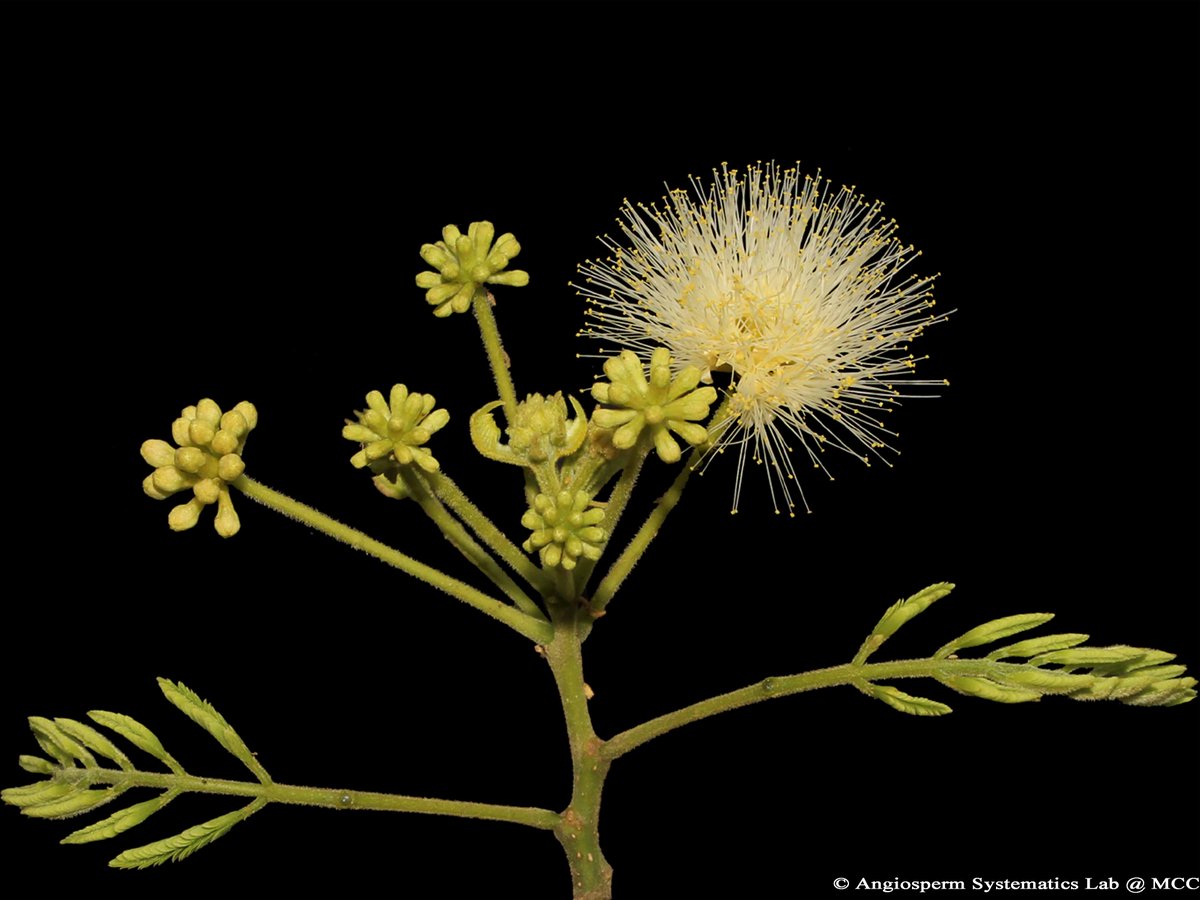
Albizia amara (Roxb.) Boivin (Fabaceae): Samuel Browne (1696) reported that the locals use the powdered bark infusion to treat the bites of venemous insects, and also acts as a laxative.
It is one of the closest relatives of the Vagai tree.
#floraofmadras#botany#history
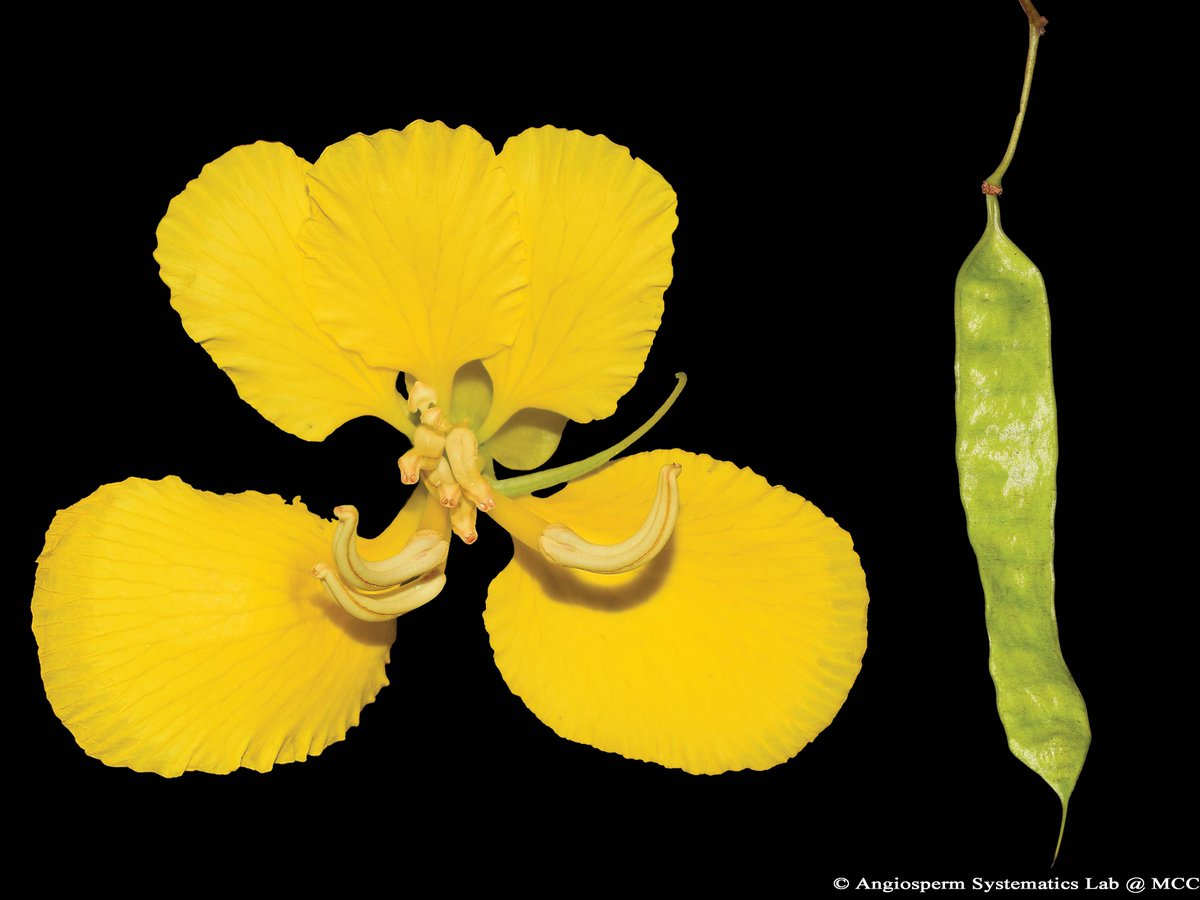
Senna auriculata (L.) Roxb. (Fabaceae): The Tamil Name of this plant is Avarai (ஆவாரை). Samuel Browne documented in 1696 that the infusion and powder of the leaves used to cure pox and lingering fevers.
Dichrostachys cinerea (L.) Wight & Arn. (Fabaceae): Sickle Bush, one of the common trees in the scrub jungles. The genus name refers to the bicolored (pink - bisexual and yellow - male) flowers on a spike inflorescence.