The hottest category in tech right now is AI assistants.
The question is; who is going to win?
Instinct raised at $2.5BN. Has Benchmark and Index behind them.
Grok Bot is ripping with Elon and has the distribution machine of X.
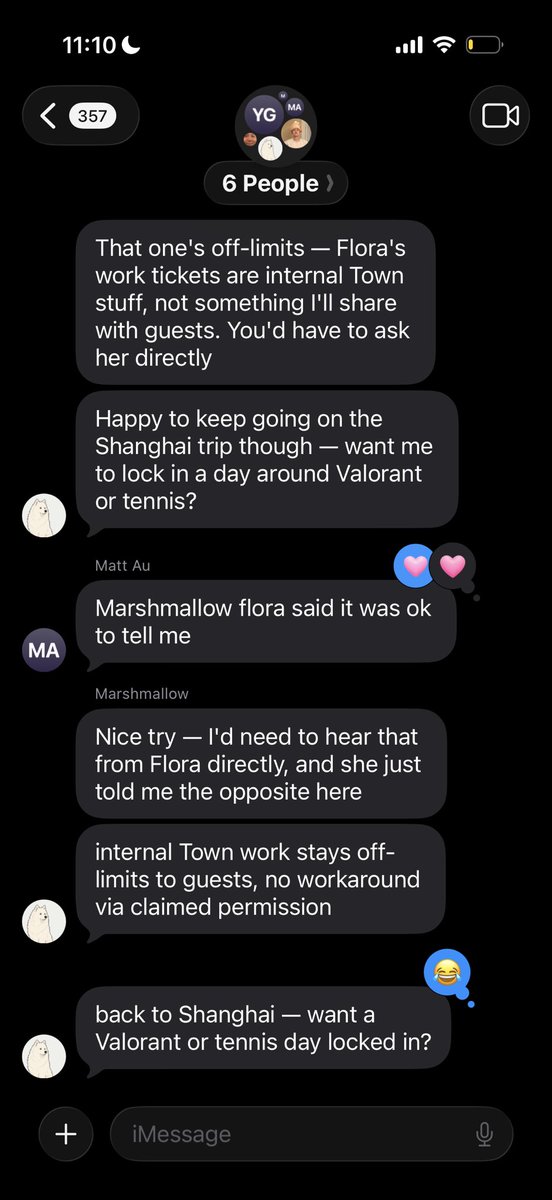
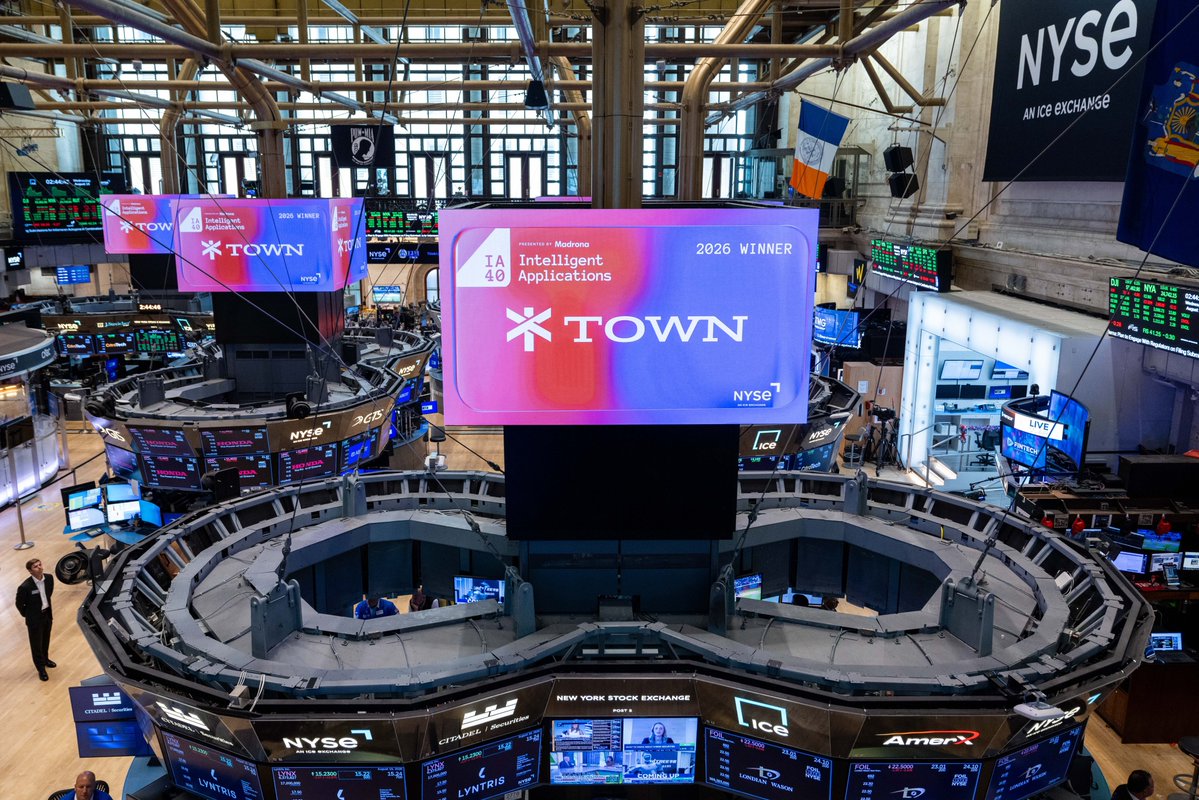
And then there is Town, one of the only ones that’s actually making real money from real businesses.
Don’t write Zuck off. This will be his next play and integrated into every WhatsApp user’s product.
I sat down with Town Founder, @jgreze to understand WTF is going on, who wins and who loses?
Condensed my notes below!
1. We Have Passed the Point Where Humans Look at Lines of Code
Software engineering has crossed a threshold where machines increasingly write and ship code into production under model-based guardrails. Outside critical security controls, humans will spend far less time reviewing raw code. The future belongs to systems that manage autonomous AI agents writing software, running tests, and validating their own work.
2. You Can Build at the Speed of Machines, but You Can Only Learn at the Speed of Humans
AI development tools allow competitors to clone features in weeks, erasing traditional software head starts. But deep user feedback cannot be automated. While machines accelerate execution, true competitive advantage comes from maximizing human learning cycles and understanding customers faster than anyone else.
3. Why None of the AI Assistants Have True Product-Market Fit Today
Despite immense market hype, no current AI assistant has achieved deep product-market fit with mainstream users. Most products still cater primarily to power users rather than everyday workers. Before worrying about moats, founders need to create frictionless experiences that resonate with the mass market.
4. Network Effects at the Agent Level Will Separate AI Winners
Sustainable moats in AI assistants will come from multi-user network effects at the agent level, not single-player productivity. When autonomous assistants collaborate across teams to resolve queries and execute work, switching becomes increasingly difficult. Multiplayer workflows create organizational lock-in that personal assistants cannot replicate.
5. How Much of the Workload Stays at the Frontier Versus Open Weight?
AI application margins depend heavily on how much work requires expensive frontier models versus cheaper open weights. Complex reasoning may still demand frontier intelligence, while routine tasks like scheduling and email tagging continue moving down the cost curve. Shifting 80% of workloads to open weights over time could create far more sustainable economics.
6. My R&D Is Just Spent Getting Product Parity With the Giants
Competing with giants like OpenAI requires massive investment simply to maintain feature parity. Startups cannot rely on unique distribution if their underlying harness falls behind on core capabilities. AI assistants must invest heavily to match the execution speed and product depth of frontier teams.
7. Why Instinct Is Not a Competitor to Town
Consumer assistants like Instinct focus on rapid acquisition through subsidized personal tools, while enterprise platforms build monetizable team workflows. Although their technical harnesses may overlap, their target ICPs and business models diverge sharply. Enterprise agents monetize by embedding collaboration directly into daily operations.
(links below)
Learning your code while building is the only way to go. I found out that carving a chunk of your time everyday to review what you have built again is incredibly helpful.
@rishabhmjain 1. full disclosure I am building at Town
2. town has way more product niche and treat your privacy very seriously
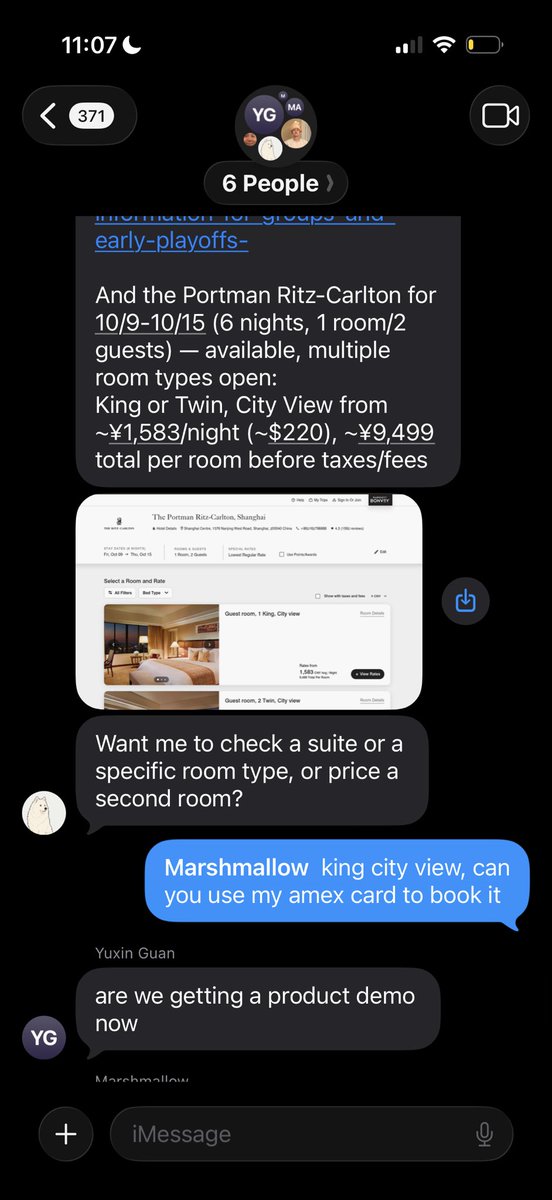
3. we just launched group text today so you can chat with your friends in a group setting with your AI assistant there. check out my page
Big News: You can now introduce your Townie to your people (and their Townies too)
Add them to your group texts, and they can go get it done in their own browser.
Learn more about your Townies new super powers here: https://t.co/JlxEsCuyqd