There's a flying security camera called Ring Always Home Cam.
The drone patrols the premises when everyone leaves, periodically returning to the base to recharge.
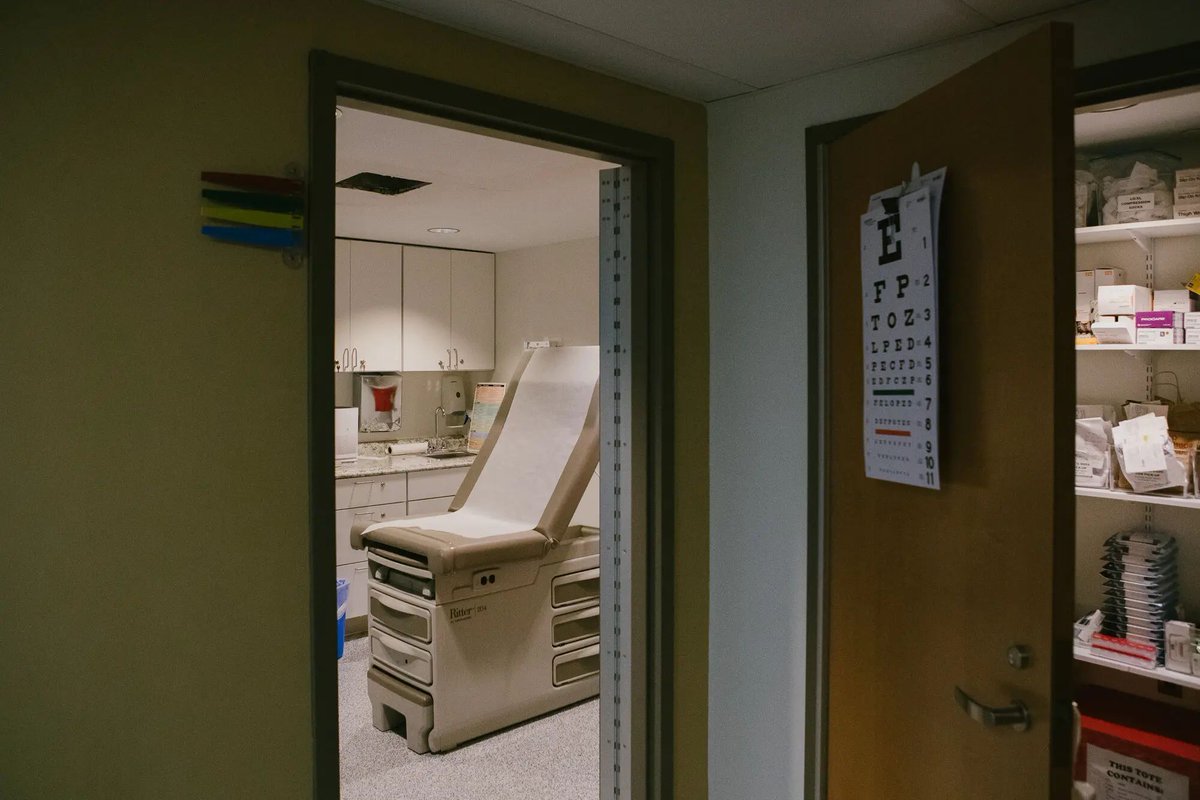
AI can now diagnose illnesses better than most doctors.
Are we ready for this revolution?
A recent Nature Medicine study shows AI models, like ChatGPT, are closing the gap with doctors in diagnostic accuracy.
AI now rivals doctors in diagnostic accuracy.
Researchers found AI models achieving rates comparable to human physicians. The implications? A faster, smarter healthcare system.
Faster diagnoses, better access.
AI tools could drastically reduce wait times, enabling immediate assessments—especially in underserved or remote areas where doctors are scarce.
It’s not just hype.
This isn’t science fiction. AI has already shown real-world promise in identifying conditions like skin cancers, pneumonia, and even rare diseases.
But challenges remain.
Ethics, data privacy, and the need for human oversight are critical. Can we trust machines to handle life-and-death decisions responsibly?
A partnership, not a replacement.
AI won’t replace doctors. Instead, it’ll augment their expertise, allowing physicians to focus on complex cases while algorithms handle routine diagnostics.
This isn’t just evolution—it’s a healthcare revolution. The future of diagnostics is faster, more accurate, and more accessible than ever before. Are we ready to embrace it?
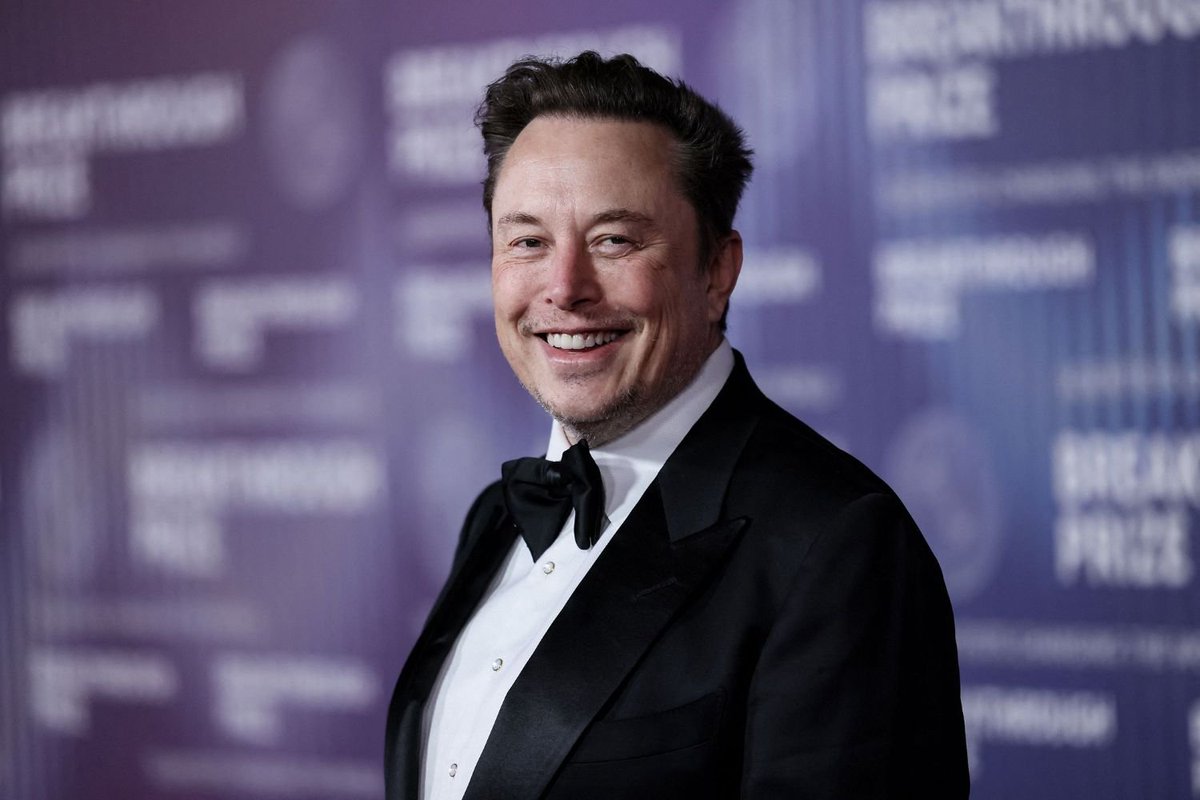
Un jour, un mentor a demandé à Elon Musk :
Comment faites-vous pour diriger 6 entreprises en même temps ?
Sa réponse n'a tenu qu'en 4 mots.
Ces 4 mots expliquent tout sur sa productivité hors norme.
Voici ce qu'il a dit : 🧵
Un jour, un mentor a demandé à Elon Musk :
Comment faites-vous pour diriger 6 entreprises en même temps ?
Sa réponse n'a tenu qu'en 4 mots.
Ces 4 mots expliquent tout sur sa productivité hors norme.
Voici ce qu'il a dit : 🧵
In 2017, over 8,000 people paid thousands for a 'luxury' festival on a private island.
Promoted by stars like Kendall Jenner and Bella Hadid as the event of the year.
But the reality?
Chaos, fraud, and a $100M disaster.
Here’s the insane story of the Fyre Festival scam:
BONE-CHILLING ⚡️
1963: This man found universe greatest secret.
There's a "switch" in the human mind that controls reality.
But using it comes with a *Warning.*
What he revealed next changed everything:
En 2022, Paul Chassignet tombe sur une vieille boîte de cigares, qui renferme plusieurs montres, en rangeant son garage. À force de patience et de minutie, il apprend, en autodidacte, à les restaurer. À 18 ans, il en possède 130, et veut faire de l’horlogerie son métier.
The most shocking plot twist of 2024:
Zuckerberg's copying Elon's content moderation strategy.
Meta's fact-checkers had become the internet's thought police...
Now, they're giving power back to users.
The real reason will blow your mind 🧵
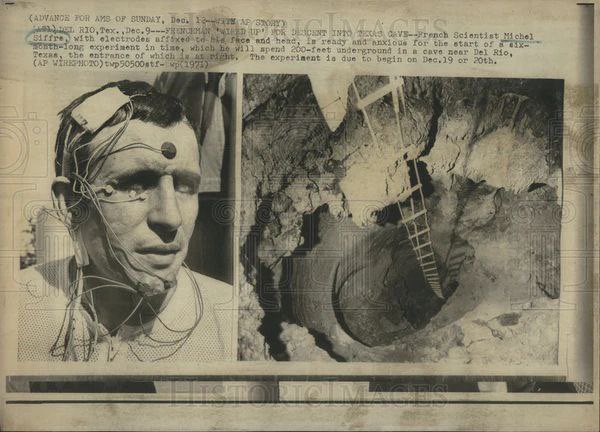
In 1972, A French scientist Michel Siffre volunteered to lose his mind.
He spent 180 days alone in a cave 440 feet underground with:
- No clock.
- No sun.
- No human contact.
What he discovered haunts scientists to this day:
In 1972, A French scientist Michel Siffre volunteered to lose his mind.
He spent 180 days alone in a cave 440 feet underground with:
- No clock.
- No sun.
- No human contact.
What he discovered haunts scientists to this day:
He's the most famous drug dealer in Miami.
His first customers? Millionaire athletes.
But what started as price-gouging in the NBA bubble has evolved into an empire that may crumble before it conquers.
Here's how an All-Star monetized the world's favorite addiction:
A graffiti artist convinced Google and Kobe Bryant to invest $120M into a Wi-Fi juicer.
The only catch: you didn't actually need the $700 machine to make juice.
This Silicon Valley disaster was dubbed "the dumbest product ever"
This is the bizarre rise and fall of Juicero: