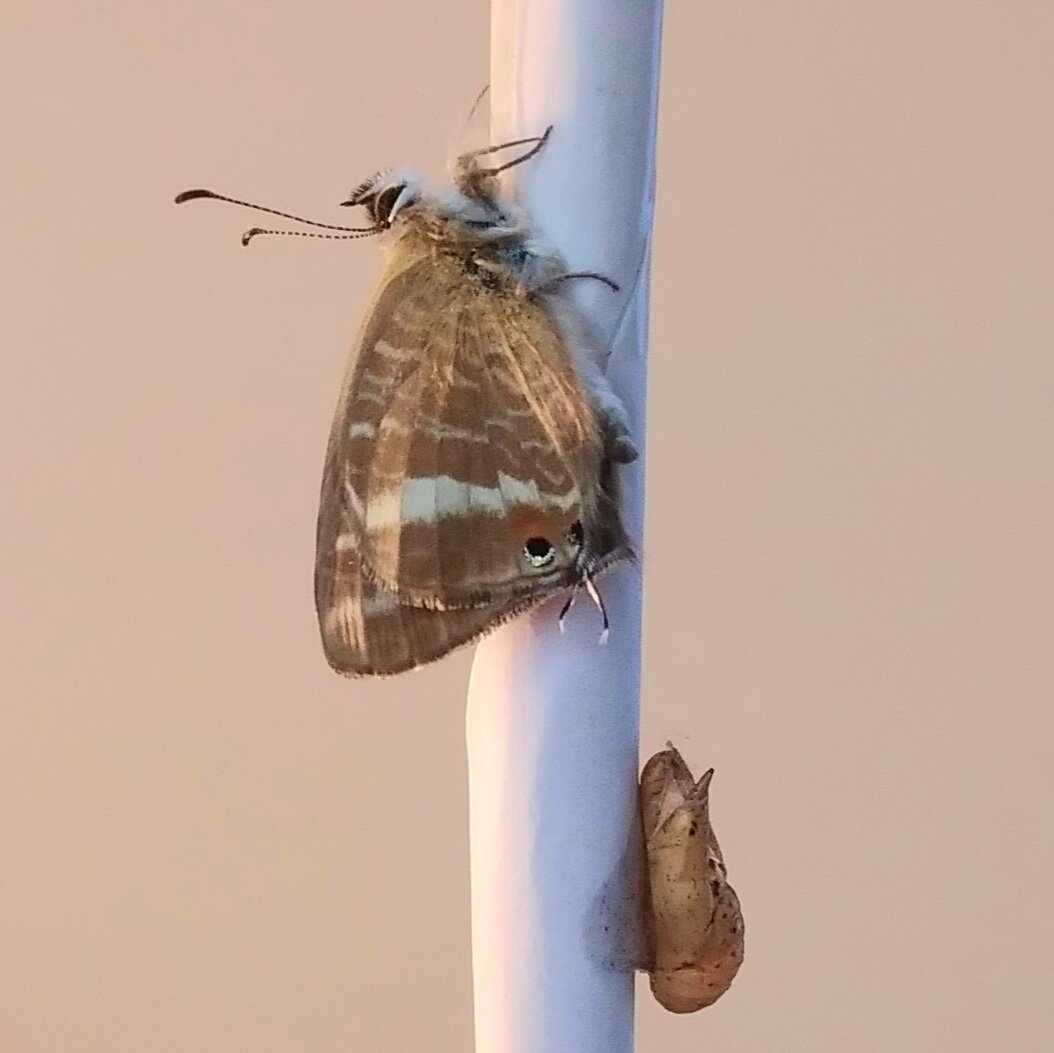
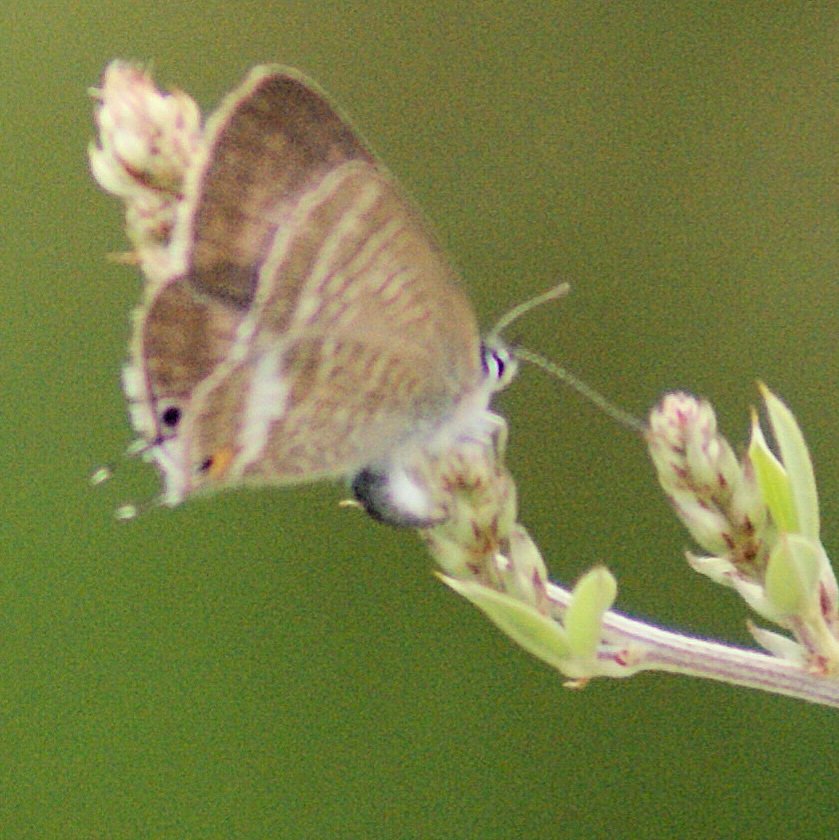
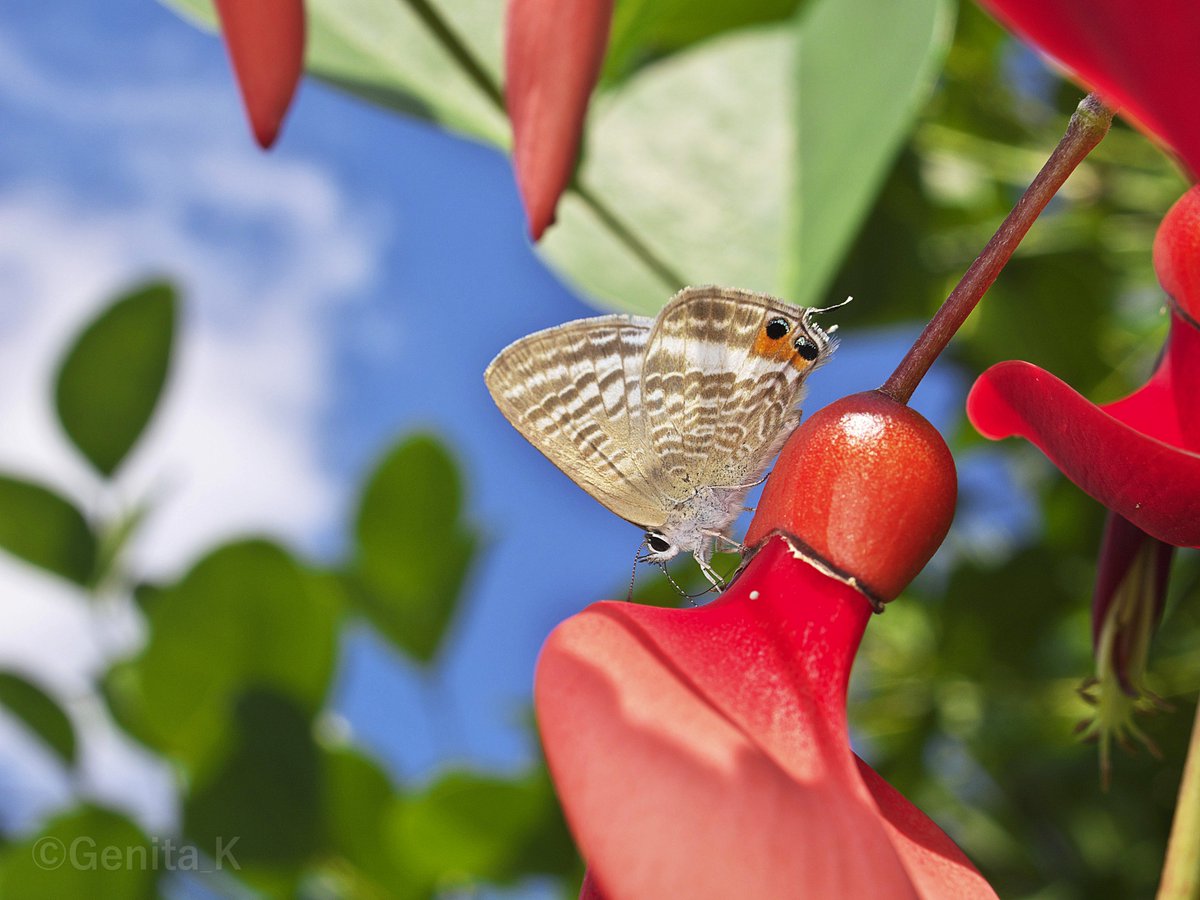
More than just 'Cabbage Whites' and Red Admirals in Felpham. Focusing on the life cycle of the Long-tailed Blue, now a regular summer visitor to this parish.
@iribiyu Taking a close look at the plant, there appear to be a number of eggs visible on the flowers and leaves. The plant looks like what we know as Tufted Vetch ‘Vicia cracca’
@TrisNorton I am interested to know what substrate the male is puddling on? Your sighting adds to my collection of international posts featuring this activity which appear to take place on weathered concrete or dried riverbeds. If calcium is key, does it explain fewer sightings on acid soil?
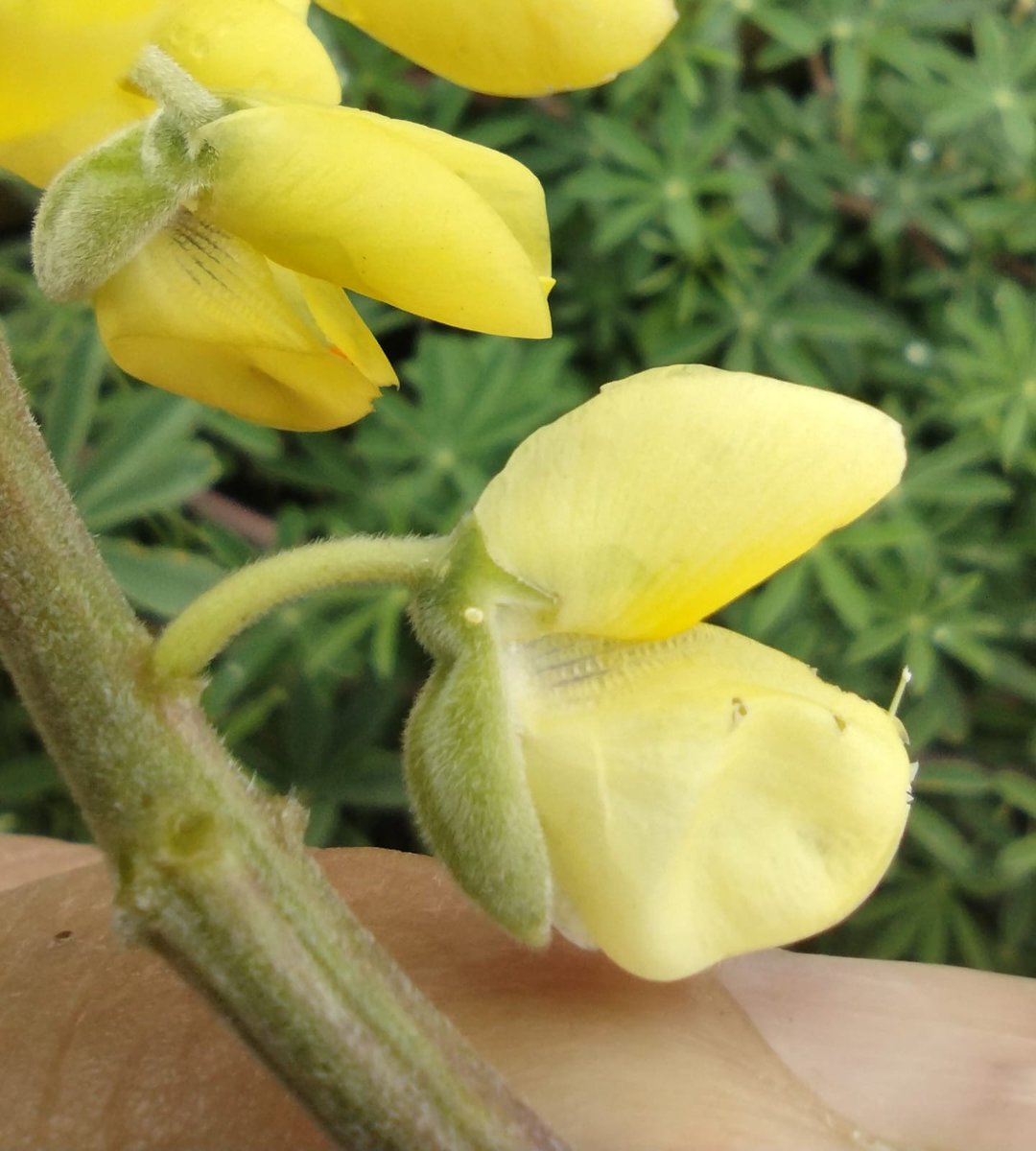
This is an extremely good find by Gary. Lupin is a Fabaceae I would like to grow myself. There is a good chance it is a LTB egg. More Lupins need to be grown in our gardens! I had a Holly Blue lay eggs on Colutea this summer which I captive reared in hope they were LTB. Alas not.
Gary Holderness has just found what looks like a Long-tailed Blue egg on Tree Lupin at Southbourne. In the same area as the Long-tailed Blue butterflies were seen. He did not have a macro lens. Wonder if this can be confirmed. Are Lupins sometimes used? @ukbutterflies
@Alsalmi_Madina Please may I ask what the Arabic words are for the Pea Butterfly and Blue Butterfly?
Also, what are the main larval foodplants for this species? And how frequently do you see this butterfly. Thank you.
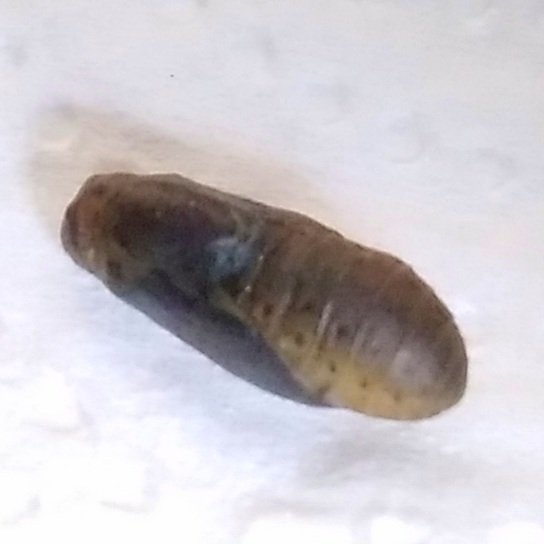
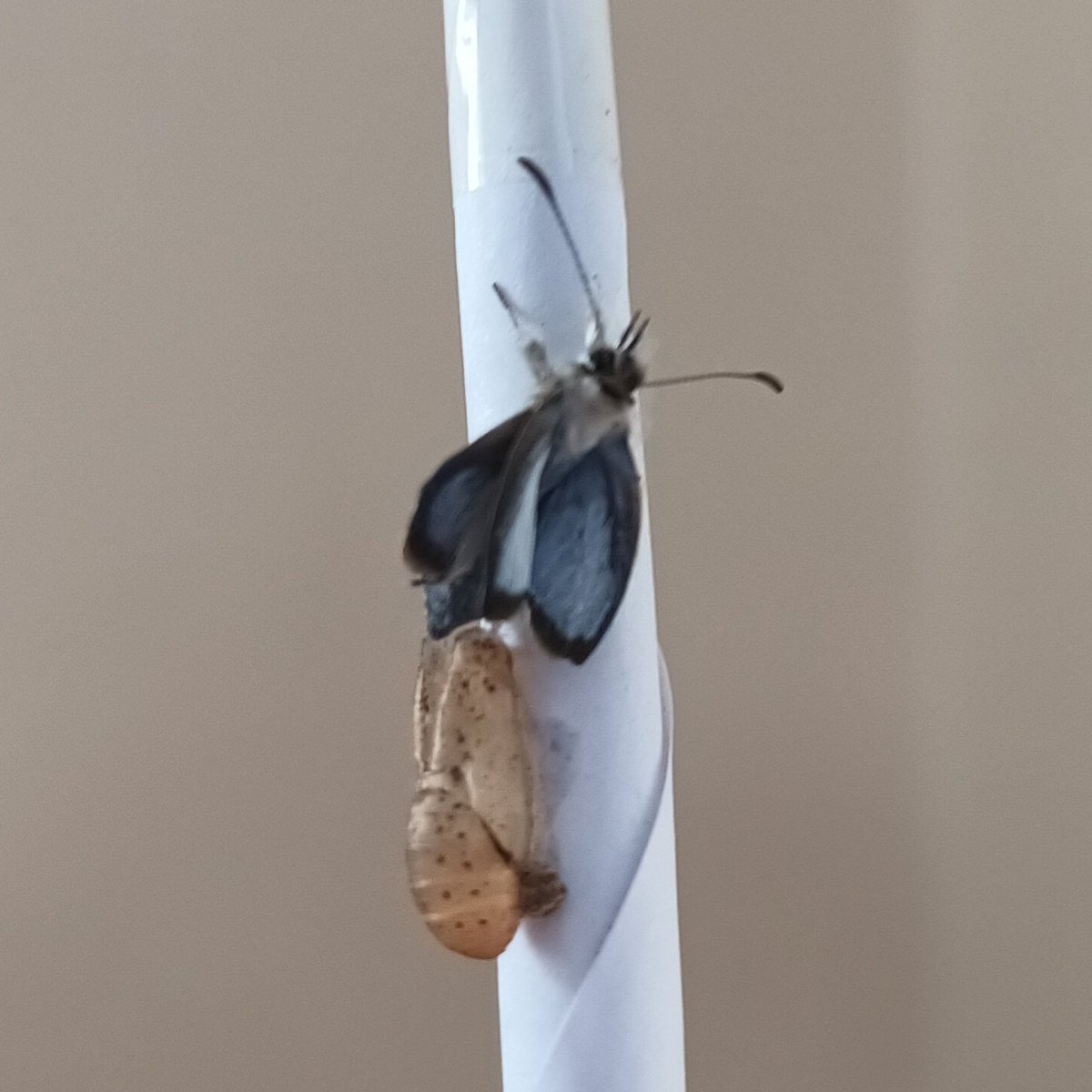
Proof of concept/UK first, Lespedeza Thunbergii a larval foodplant of Long-tailed Blue in Sussex. Observation of egg laying in September on plants from @hayloftplants with captive rearing of larvae on Lespedeza flowers through to pupation culminated with emergence of adult today.
@Hillborn13 An important insight, thank you. My interest stems from this post from Japan. Enthusiasts of this rare migrant butterfly to our Sussex shores might like to try Erythrina for themselves if their garden provides a mild microclimate. @BCSussex https://t.co/pwL5LtZefn
Is this your "must have" garden plant of the decade? My Lespedeza Thunbergii plants from @hayloftplants
hosting a female Long-tailed Blue this week. With the first Sussex brood moving north this year, Lespedeza might be the plant to draw the species into your garden in future.
@willsocr@maxando@BCDevon@BC_Dorset@Cornwall_BC@swcoastpath And on an alternative to Broad-leaved Everlasting Pea too, a great find. Question is, did she lay some eggs? Still some final racemes of Wisteria flowers appearing and worth keeping an eye on.