Research network studying fluids in the Earth's continental crust from nano to macroscale and diverse timescales. EU Horizon 2020-MSC grant agreement No 956127.
Fluids, and in particular water, next to the solid components represent a key component in the Earth's continental crust because water can act as a solvent, a catalyst enhancing chemical reactions, a transport medium for mass transport, and it controls the strength of rocks.
On our 2nd conference day, we explored fluids in the deep continental crust, the mobilization of critical elements, and the need for new resources in Europe, to support the energy transition.
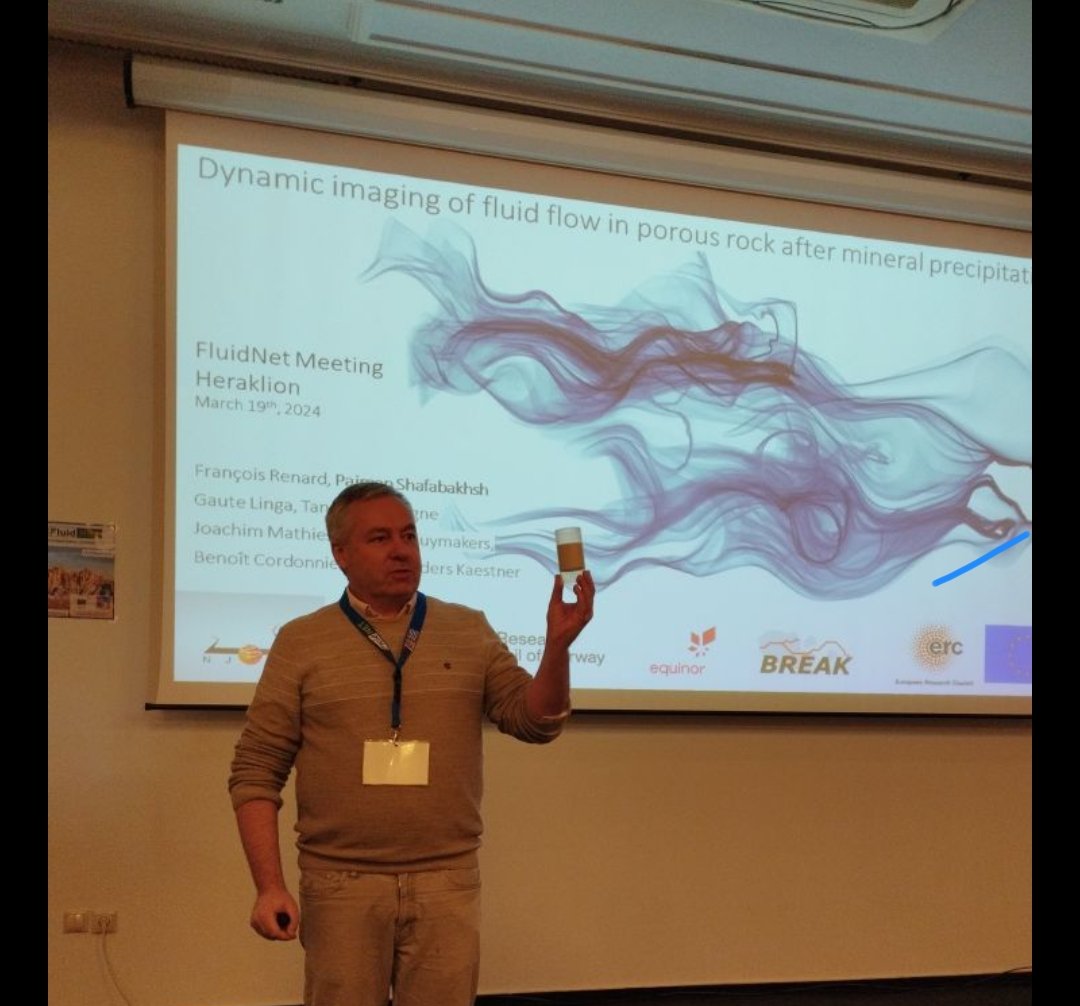
On our first conference day, talks ranged from fluid-rock interaction, fluid transport pathways, mineral precipitation, utilisation of AI, radioactive waste disposal, elemental mobility, isotopic geochemistry, earthquakes, alteration phenomena and ore deposits.
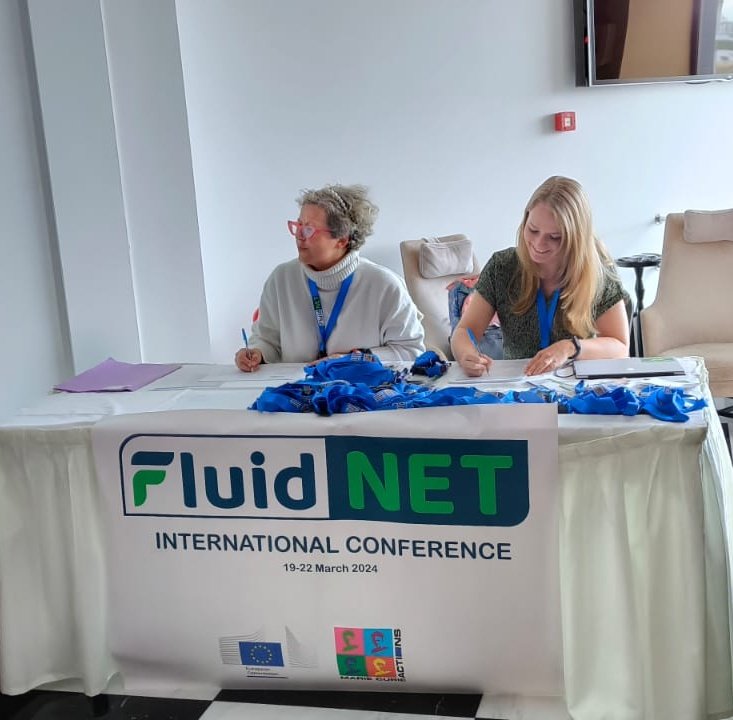
Yesterday, most participants arrived in Heraklion (Crete, Greece) and registered for the FluidNET international conference. In the following days, we will be posting many more updates with a short summary of the amazing science being shared at our event.
📢 Breaking News: Announcing #EXCITE2!! 📢
🔬4 more years of open-access microscope use for #sustainability#research! The @EXCITE_network has secured €14.5 million, which will allow researchers worldwide to make use of our state-of-the-art #microscopy facilities at no cost!
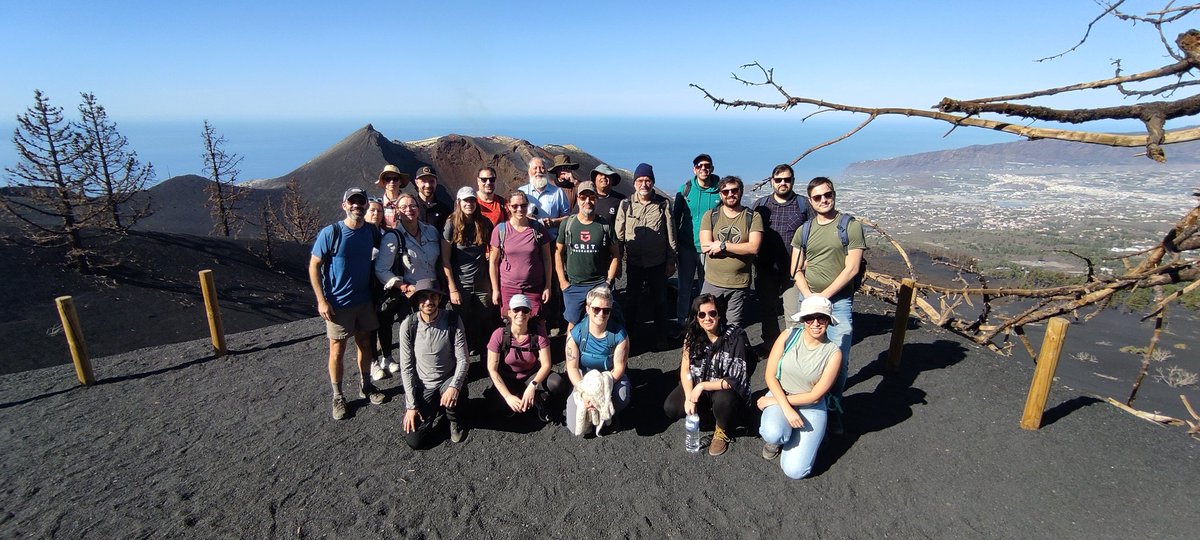
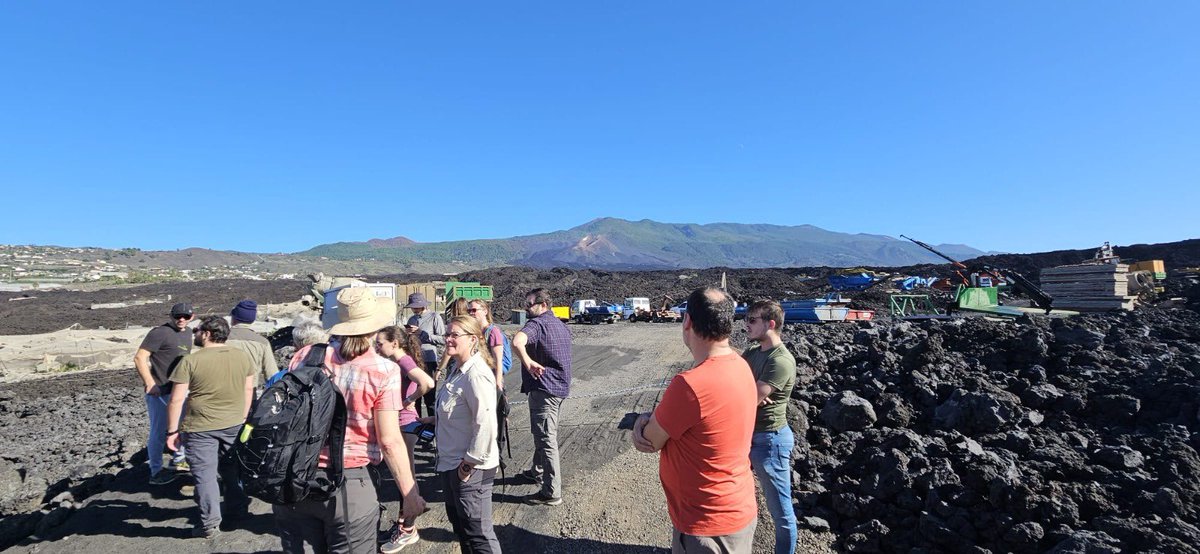
Last week we had an amazing training event about transferable skills in La Palma as well as a hike in the newest volcano of the island 🌋 we thank @LPRC_unplugged and @GeoTenerife for facilitating this
This week our colleagues co-organized the last workshop of @fluid_net @MSCActions project hosted in 🌴🇮🇨🇪🇸 Great training & field trip (thanks to @GeoTenerife 🙏🏻) with the participation of 12 PhD students from all over 🇪🇺 Good luck to all & hope to work together in the future!
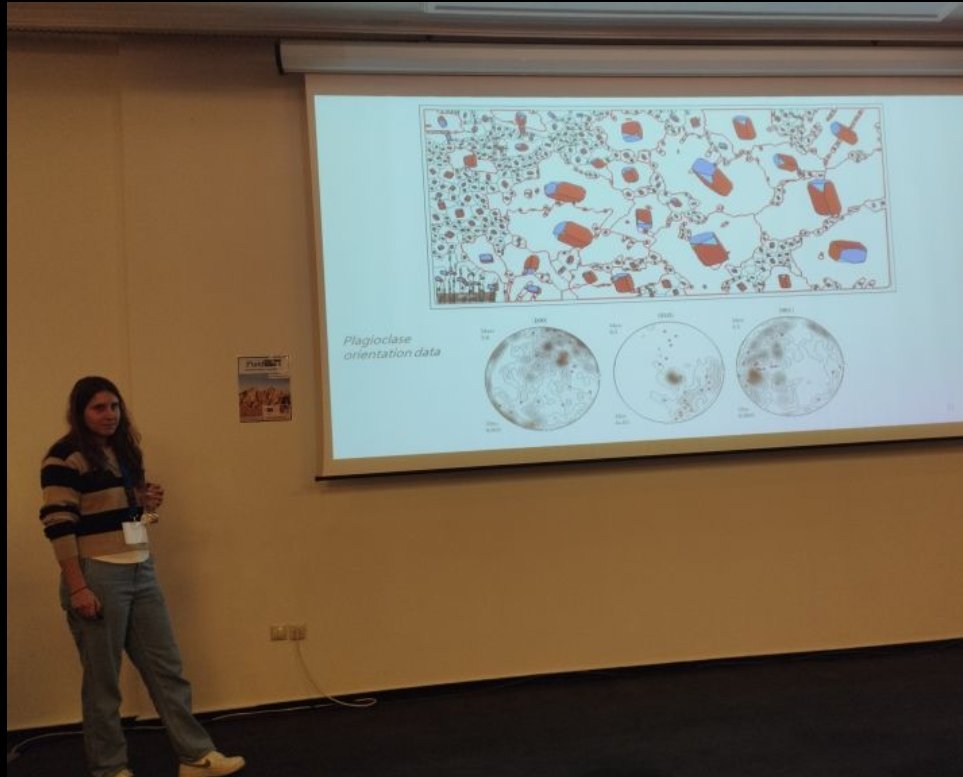
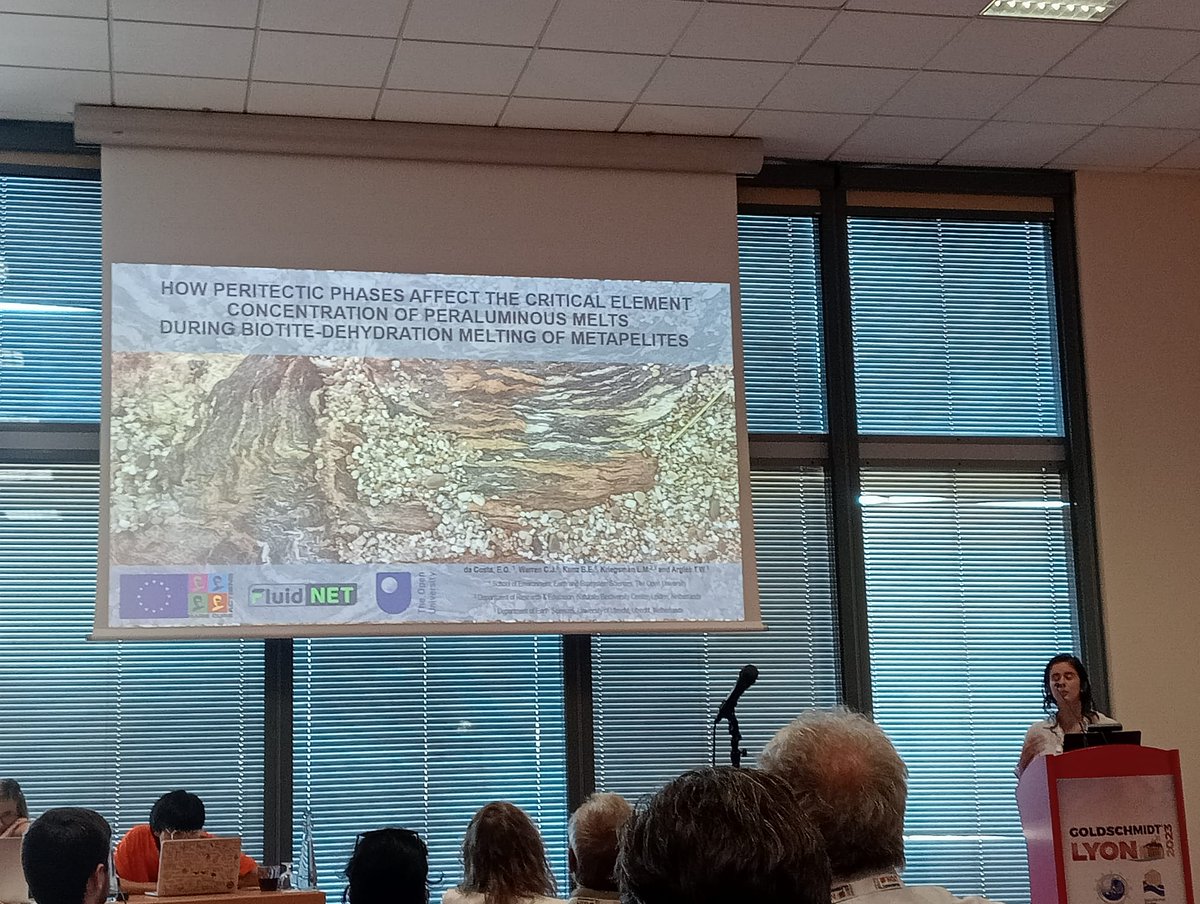
Last but not least, PhD student @EOdaCosta presenting her modelling results about how different peritectic phases affect the enrichment of melts in critical elements.
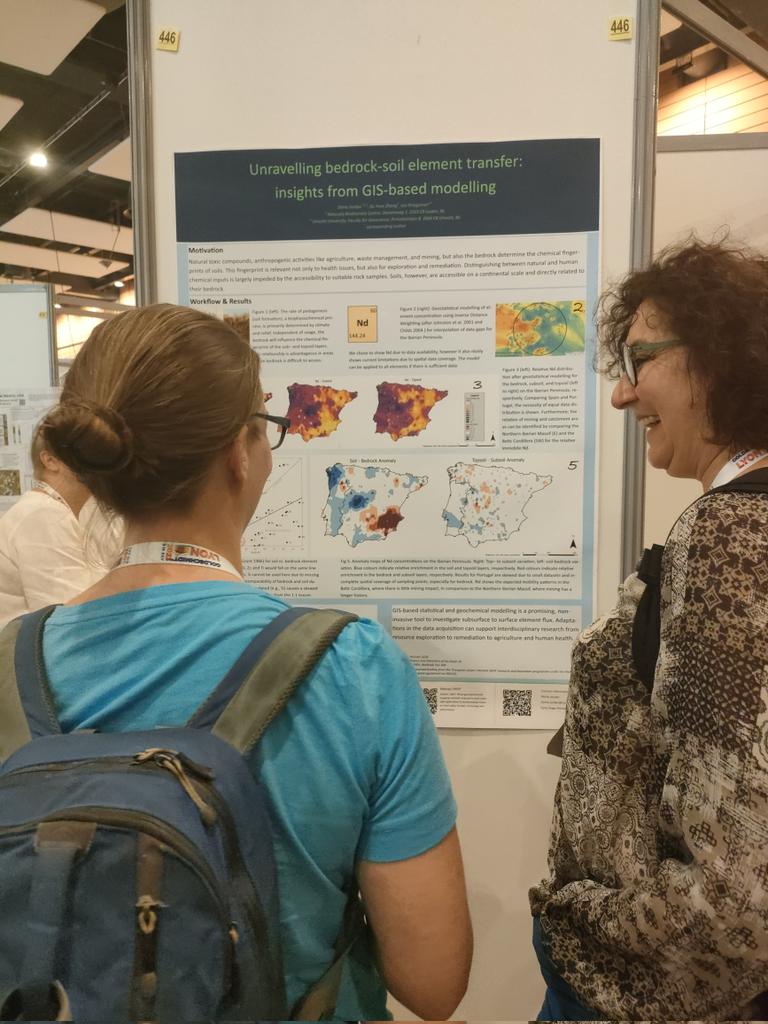
Another FluidNET Student with a poster - Dörte Jordan - showcased her research about modelling subsurface mass transfer using GIS built-in statistical modules. Discussions and feedback were vibrant and fruitful.
Also on Tuesday, another PhD student from fluidNET - Maude Julia - presented her experimental results about the replacement of calcium carbonate for cadmium capture @goldschmidt2023
We are so very happy to announce we will host a FluidNET International Conference covering topics related to fluids in the Earth: from the nanoscale to deep crustal metamorphism.
The conference will be held in the Aquila Atlantis Hotel, Heraklion, Crete 🇬🇷, over 3 full days, Tuesday – Thursday 19-21 March 2024 with a field trip on Friday 22 March 2024.
🌍Free Drop-In Event: Flowing Forces, Sat 27th May.🌎
Our visiting researchers have been busy creating amazing activities and talks for our event on Saturday!
🌏For more info about the day, visit: https://t.co/i78odPCUBM
#family@kidsinmuseums@familyfuninbrum@ArtsConnectWM
After one week of public engagement training, FluidNET ESRs will be delivering activities about the crust, minerals and fluid flow in the Lapworth museum in Birmingham.
Check out more in the link below:
https://t.co/DPiXFMWz5M
A massive thankyou to @jurassicg1rl and Richard Holliman from @OU_EEE for an engaging and exciting day of research engagement and science communication training with @fluid_net