this stanford professor co-founded an $11 Billions robotics startup at just 34
Chelsea Finn teaches CS224R, Stanford's deep reinforcement learning course, and co-founded Physical Intelligence
the course covers:
→ imitation learning
→ policy gradients
→ Q-learning
→ offline reinforcement learning
→ teaching robots new skills from demonstrations
the key idea for robot learning is how to teach a robot what to do from demonstrations — and why even small mistakes can add up until the robot fails
start with this lecture: RL for Robots
key timestamps:
04:54 - why robots still need human help
16:54 - why long robot tasks are hard
22:19 - forward-backward reinforcement learning
28:06 - teaching robots to reset themselves
42:36 - learning to repeat tasks on their own
52:34 - learning and adapting without a reset
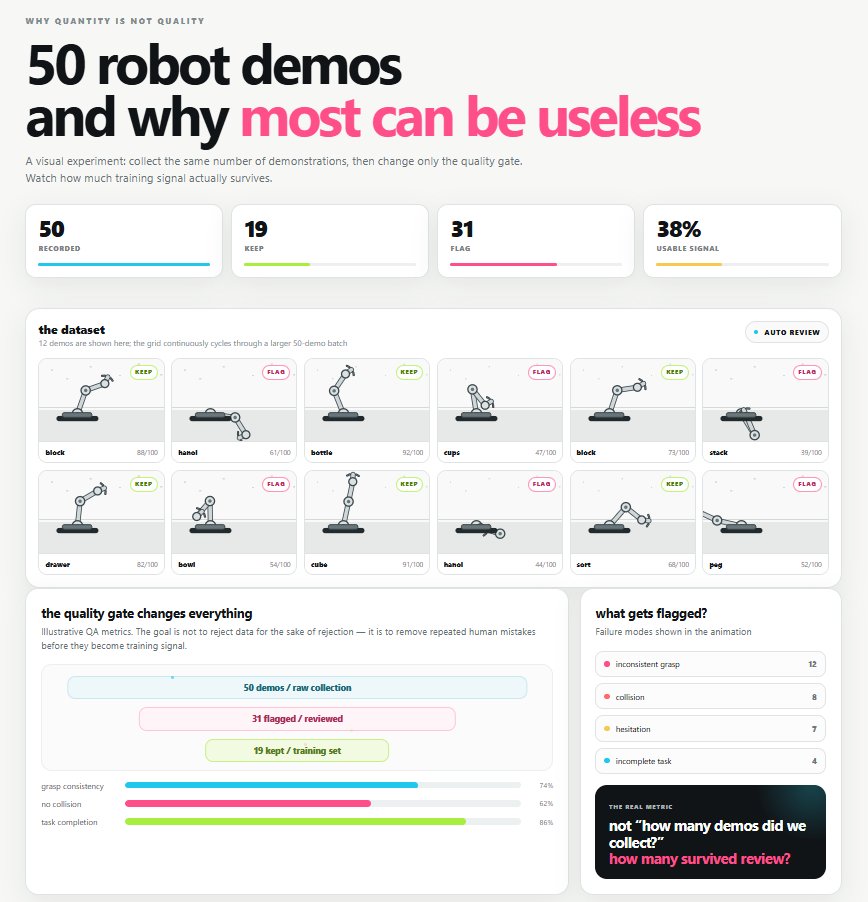
50 robot demos is the tutorial
50 good demos is a dataset
LeRobot literally tells beginners to record ~50 demonstrations
so i would use the 50 to answer 5 questions
not just to hit the quota
1. HOW CONSISTENT IS THE OPERATOR?
record the same task 10 times
look at:
grasp position
approach angle
speed
number of corrections
trajectory length
if every demonstration solves the task differently
you aren't collecting one behavior
you're collecting 10 behaviors
2. HOW MUCH OF THE WORLD DOES THE DATA COVER?
don't put the cube in the same place 50 times
change:
starting position
object orientation
distance from the robot
background
lighting
otherwise the policy can memorize the scene instead of learning the task
this is one of the biggest problems in imitation learning
the model learns from the states you showed it
then makes a small mistake
that mistake puts it into a state it never saw
then the next prediction is worse
then worse again
one small error compounds
3. LABEL THE FAILURES
don't delete every bad demo
split them into:
success
failure
suboptimal
recovery
a failed grasp followed by a clean recovery can contain useful information
a collision followed by someone manually resetting the robot probably doesn't
the difference matters
4. DON'T RANDOMLY SPLIT THE DATA
this is a sneaky one
if you randomly split frames from the same trajectory
your train and test sets can contain almost identical states
you think the policy generalized
when it actually saw almost the same scene during training
split by episode
better:
train → different episodes
test → completely held-out starts
5. TEST THE THING YOU DIDN'T TRAIN ON
this is where the 50 demos finally become useful
train on:
cube at positions A–E
then test on:
position F
train with normal lighting
test with different lighting
train with one object orientation
test with another
measure:
success rate
failure mode
recovery rate
number of retries
because this is the question that matters
not:
"did my robot learn the task?"
but:
"what happens when the world changes?"
research on imitation learning makes the same point from a different angle
data quality isn't just about having more examples
it's about whether the dataset keeps the learned policy close to states it can actually handle :chatgpt-content-reference{index="2"}
that's why i'd rather see:
50 demos
→ 37 clean
→ 8 suboptimal
→ 5 failures
with every failure explained
than:
500 demos
→ 500 recordings
→ no idea why the robot fails
the dataset is not the 50 videos
the dataset is the decisions you make about them
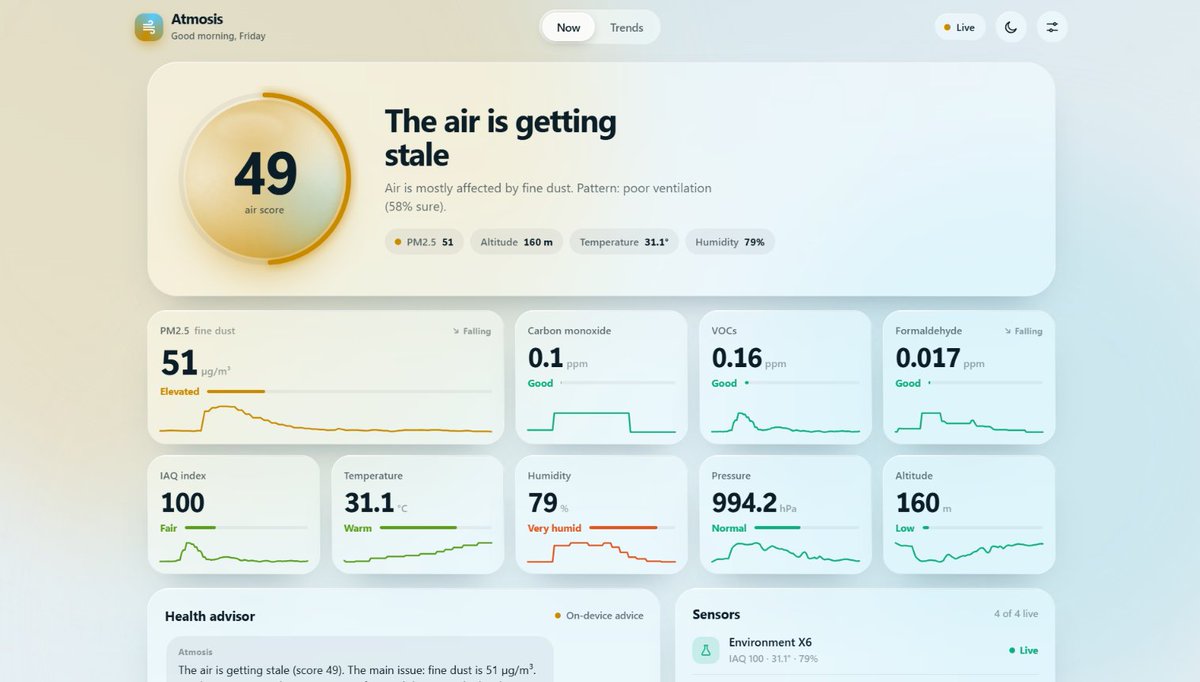
3 sensors → 9 environmental signals → 93.1% validation accuracy
and the LLM never sees the raw sensor stream
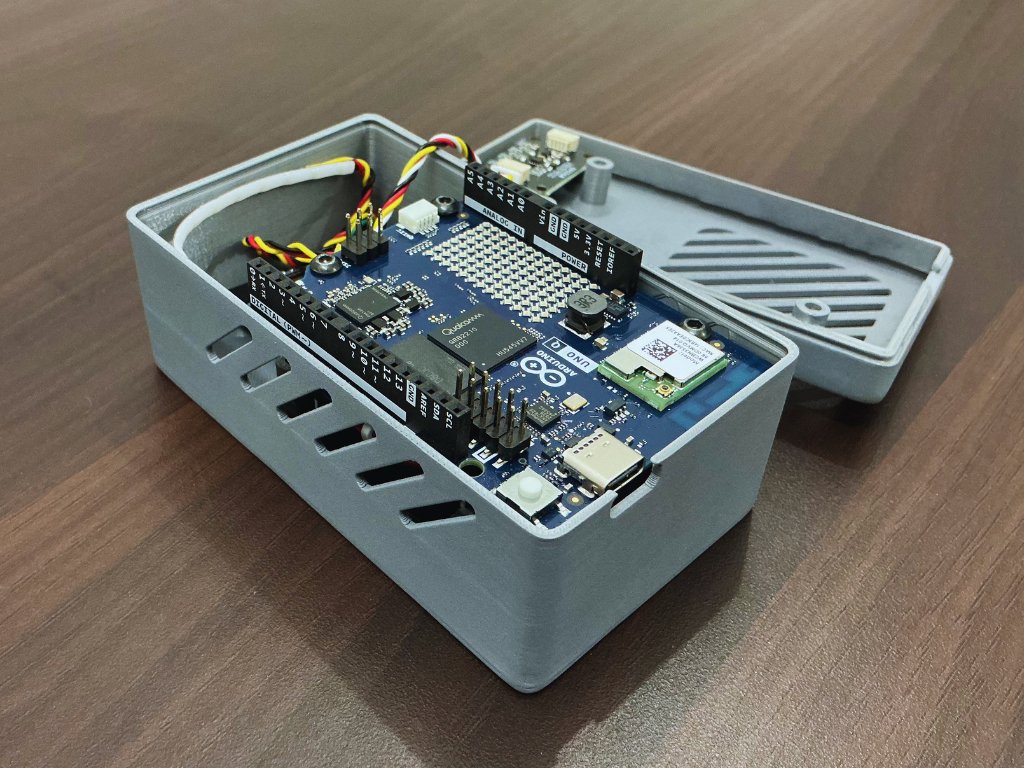
this is how Atmosis turns an Arduino into an environmental intelligence system
the hardware is surprisingly simple
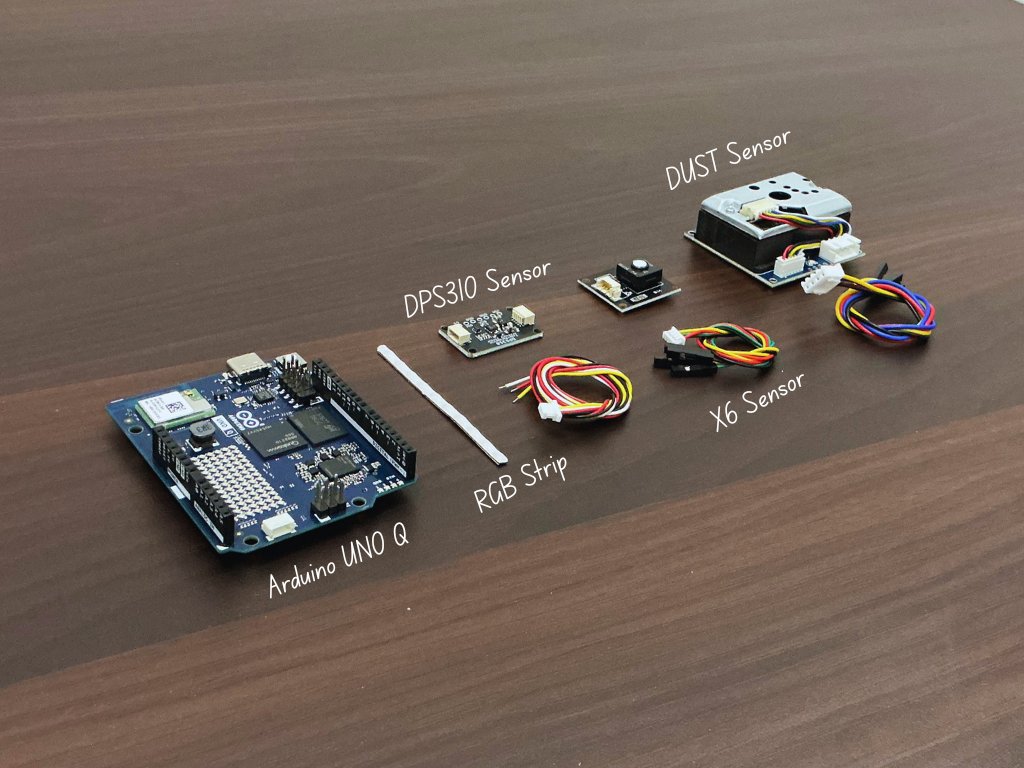
→ Arduino UNO Q
→ Waveshare X6 sensor
→ Waveshare dust sensor
→ DPS310 pressure sensor
→ WS2812B RGB strip
but the UNO Q is doing something interesting
it has 2 completely different processors
the STM32U585 handles the real-time layer
the Qualcomm QRB2210 runs Linux and handles the heavy stuff
so the architecture is basically:
sensors
→ STM32
→ 1-second data frames
→ Linux
→ Edge AI
→ Gemini
→ dashboard / Telegram
the STM32 continuously reads 9 parameters:
IAQ
TVOC
HCHO
CO
temperature
humidity
PM2.5
pressure
altitude
and it doesn't just dump numbers into an AI
the firmware first calculates an air-quality score
each pollutant gets a sub-score from 100 → 0
the final score is the lowest sub-score
so one dangerous pollutant can't get hidden behind 8 good readings
the board also handles the safety layer locally
PM2.5 alarm → 150 µg/m³
CO alarm → 9 ppm
and those alarms keep working even when Linux or the internet goes down
the data is sent from the microcontroller once per second
every 30 seconds the board also sends a health report
the ML part is where it gets really interesting
the model doesn't look at one sensor
it looks at all 9 simultaneously
each training window:
3 seconds
5 Hz
1 second stride
the current dataset produced 141 training windows
those became 135 input features
then a small neural network:
135 inputs
→ 20 neurons
→ 10 neurons
→ 3 output classes
30 training cycles
0.0005 learning rate
result:
93.1% validation accuracy
the classes are:
clean air
indoor pollution
poor ventilation
and the model runs locally on the UNO Q as a quantized int8 C++ library
then comes Gemini
but this part is deliberately separated from the ML model
Gemini doesn't decide whether the air is dangerous
it gets the already-processed environmental state
and turns it into something a human can understand
for example:
"PM2.5 is rising while ventilation is poor"
→ open a window
→ run the purifier
→ avoid the room until conditions improve
and it can send the result directly to Telegram
there's even a local web dashboard showing:
live readings
air score
detected patterns
trends
system status
AI recommendations
the entire project is documented as 36 build steps
from designing the enclosure in Fusion 360
to 3D printing
to sensor assembly
to data collection
to training
to deploying the model
to running the dashboard
what i like most is the architecture
Sense
→ Understand
→ Interpret
→ Respond
the microcontroller handles what must be reliable
the Linux processor handles what needs compute
the ML model recognizes patterns
the LLM explains them
instead of asking:
"what is the PM2.5 value?"
the system asks:
"what is changing
what does the pattern mean
and does something need to happen?"
that's a much more interesting way to build an AI device
i put this together in 30 minutes and have already made $10k on Polymarket in the weather market
this started as a tiny $ESP32 satellite globe
and i realized it could become a weather signal for Polymarket
the hardware is ridiculously simple
→ Adafruit QT Py ESP32-S2
→ 240×240 ST7789 TFT
→ 128×64 OLED
→ microSD
→ 1 button
that's it
the ESP32 checks the NSMC satellite availability API every 15 minutes
when a new frame appears:
→ downloads the global infrared image
→ saves the original PNG to microSD
→ decodes it locally
→ maps it onto a rotating 3D Earth
→ calculates the real day/night terminator
→ stores the frame in the archive
that's:
96 frames per day
672 frames per week
2,880 frames in 30 days
and the archive is actually replayable
1 click → 24 hours
2 clicks → 7 days
3 clicks → 30 days
so this isn't just a pretty weather display
it's a tiny local satellite database
the same ESP32 also tracks the ISS
it downloads the ISS TLE from CelesTrak once every 24 hours
then AioP13 propagates the orbit locally
the globe shows:
60 minutes before the ISS
+
60 minutes after it
and the OLED can show:
azimuth
elevation
pass predictions
visibility
even the image decoder has an interesting optimization
PNGdec's default buffer can corrupt some satellite images
so the project raises the allocation to 2,624 buffered pixels
large retained buffers are pushed into PSRAM
so the ESP32 still has enough internal memory for Wi-Fi and TLS
all of this is running on a tiny embedded board
and here's where it gets interesting
take those 2,880 satellite frames
add:
cloud coverage
cloud movement
cloud-top temperature
historical observations
weather forecasts
now turn the data into probabilities
21°C → 18%
22°C → 51%
23°C → 31%
then compare that against prediction-market prices
for example, Polymarket's London temperature market had:
22°C → 48%
23°C → 26%
21°C → 25%
with $16.8K+ traded
and the market resolves using the highest NOAA temperature reading from London City Airport
so the satellite isn't the oracle
it's another information source
the entire pipeline becomes:
satellite
→ ESP32
→ image archive
→ feature extraction
→ weather model
→ probability
→ market price
30 minutes of hardware
15 minutes per new satellite frame
30 days of local history
and potentially $10K on the other side of the signal
this is the kind of embedded project i'd actually build
not another LED blinking demo
8 robotics accounts that show what actually broke, what they changed, and what finally worked
some build humanoids
some train robot models
some work on controls
some build the hardware itself
here are the accounts i would keep on my feed:
1: JIM FAN - @DrJimFan
NVIDIA robotics researcher
posts actual robot experiments, papers and demos
recently showed a robot model running with 8,000 timesteps of context and work on robots improving themselves
2: CHELSEA FINN - @chelseabfinn
co-founder at Physical Intelligence
one of the best people to follow for robot learning, RL and general-purpose robots
her recent talk covered the reliability problem, learning from failures and robots working autonomously for hours
3: SERGEY LEVINE - @svlevine
one of the key names in modern robot learning
posts about imitation learning, RL and why methods like action chunking actually work
4: PIETER ABBEEL - @pabbeel
robot learning + AI
great account for papers, new robotics systems and where research is heading
5: RUSS TEDRAKE - @russ_tedrake
MIT robotics
controls, locomotion, manipulation and the engineering side of robotics
6: KAROL HAUSMAN - @karolhausman
Physical Intelligence
robot learning, foundation models and general-purpose robotics
7: SHURAN SONG - @shuransong
robotics + manipulation
worth following for work on dexterity, robot learning and real hardware
8: HUY HA - @haqhuy
robotics researcher working on simulation, control and robot design
often posts the actual experiments, not just the paper title
the pattern i noticed:
the useful accounts don't just announce new models
they show:
what failed
what changed
what worked
and what they learned
that's exactly what you want in your feed if you're trying to become better at robotics
not more "10 courses you need to take"
more real robots
more experiments
more failures
more numbers
save this list before the algorithm buries it
THIS MIT ROBOTICS LECTURE IS 20 YEARS OLD
and some of the engineering lessons still sound like they were written for SpaceX today
MIT's 2005 lecture "EVA and Robotics on the Shuttle" breaks down how astronauts and robotic systems had to work together in one of the most complex machines ever built
interesting parts to watch:
[00:00] why EVA wasn't even part of the original Shuttle plan
[15:00] how the payload bay doors were designed with redundancy and manual EVA backup
[30:00] why engineers had to train for mechanical failures instead of assuming the system would always work
[45:00] the systems-engineering problem behind EVA and why changing one part of the spacecraft affects everything else
[60:00] how robotics changes what astronauts can actually do in space
the hardware is old
the engineering loop isn't
design
test
operate
fail
fix
repeat
that's exactly the mindset i used to build my 12-month roadmap for becoming job-ready in aerospace and robotics
MIT lecture ↓
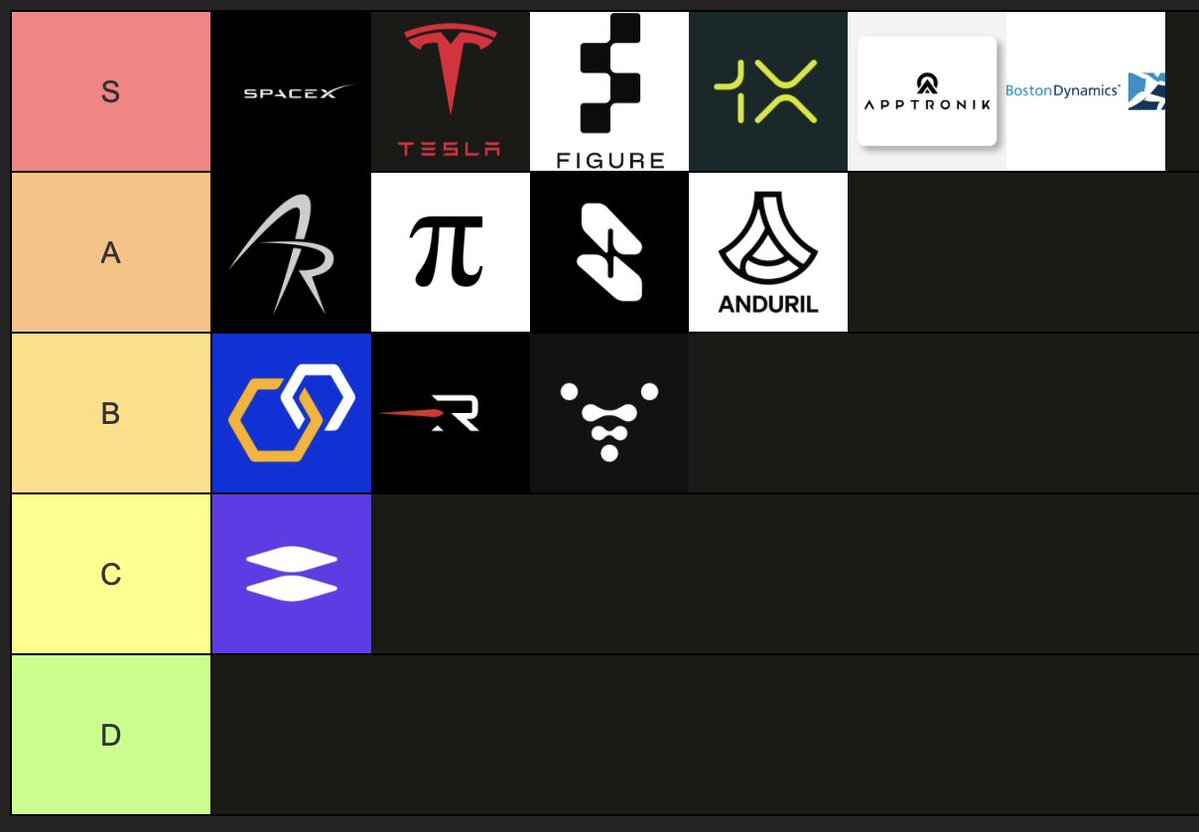
I MADE A TIER LIST OF 13 COMPANIES YOU CAN JOIN IF YOU WANT TO BUILD ROCKETS, HUMANOID ROBOTS OR AUTONOMOUS SYSTEMS
not based on valuation
not based on hype
I ranked them by the engineering work, number of openings, scale and access to real hardware
S TIER
the companies where you can work directly on some of the hardest problems in robotics and aerospace
- SPACEX
$140K+ starting salary for many engineering roles
13,000+ employees
rockets, spacecraft, propulsion, GNC and manufacturing
you can work on Starship, Falcon, Dragon or Starlink
- TESLA
134,785 employees worldwide
Optimus roles list up to $330K base salary + stock and cash awards
you can work on mechanical systems, thermal design, simulation, controls and AI
- FIGURE
$1B+ raised
200+ employees
humanoid robots + AI
the goal is to build the intelligence that makes the robot useful
- 1X
87+ open roles
$100M+ raised in its latest funding rounds
AI, robot learning, robotic controls, hardware, manufacturing and robot operations
- APPTRONIK
$935M raised in its Series A
Apollo humanoid + robotics AI
the company is now moving from prototypes toward commercial deployment
- BOSTON DYNAMICS
30+ years of robotics development
Atlas + Spot
current openings include humanoid robotics software, Atlas data operations, simulation and mechanical engineering
A TIER
companies doing cutting-edge work, but with a more specific focus
- ROCKET LAB
8+ launches in 2025
$436M+ revenue in 2025
rockets, satellites, propulsion, software and launch systems
- PHYSICAL INTELLIGENCE
$400M raised in its Series A
robot learning and foundation models for physical AI
the goal is to make one AI system work across many different robots and tasks
- ANDURIL
$2.5B raised in its latest funding round
10,000+ employees
autonomous systems, aircraft, software, sensors and defense hardware
B TIER
smaller or more specialized teams where the work is still very hands-on
- AGILITY ROBOTICS
$400M+ raised
60,000 sq ft Physical AI facility in Fremont
Digit humanoid + large-scale robot deployment
- RELATIVITY SPACE
$1.3B+ raised
reusable rockets + large-scale additive manufacturing
- SKILD AI
62 open roles
$300M raised in its latest funding round
general-purpose robot intelligence across AI/ML, robotics, software, hardware, operations and data
C TIER
strong engineering teams, but less direct overlap with humanoids and robotics
- SIERRA SPACE
$1.7B+ raised
2,000+ employees
spacecraft, satellites and mission systems
one current embedded software role lists $156K–$215K base salary
and here's what surprised me
you don't need to start at the S tier
you don't even need to start as a research engineer
>mechanical engineering
>controls
>software
>manufacturing
>testing
>simulation
>data
>technician work
all of them can become an entry point
the goal isn't to collect certificates
it's to build something real enough that one of these companies can see what you can do
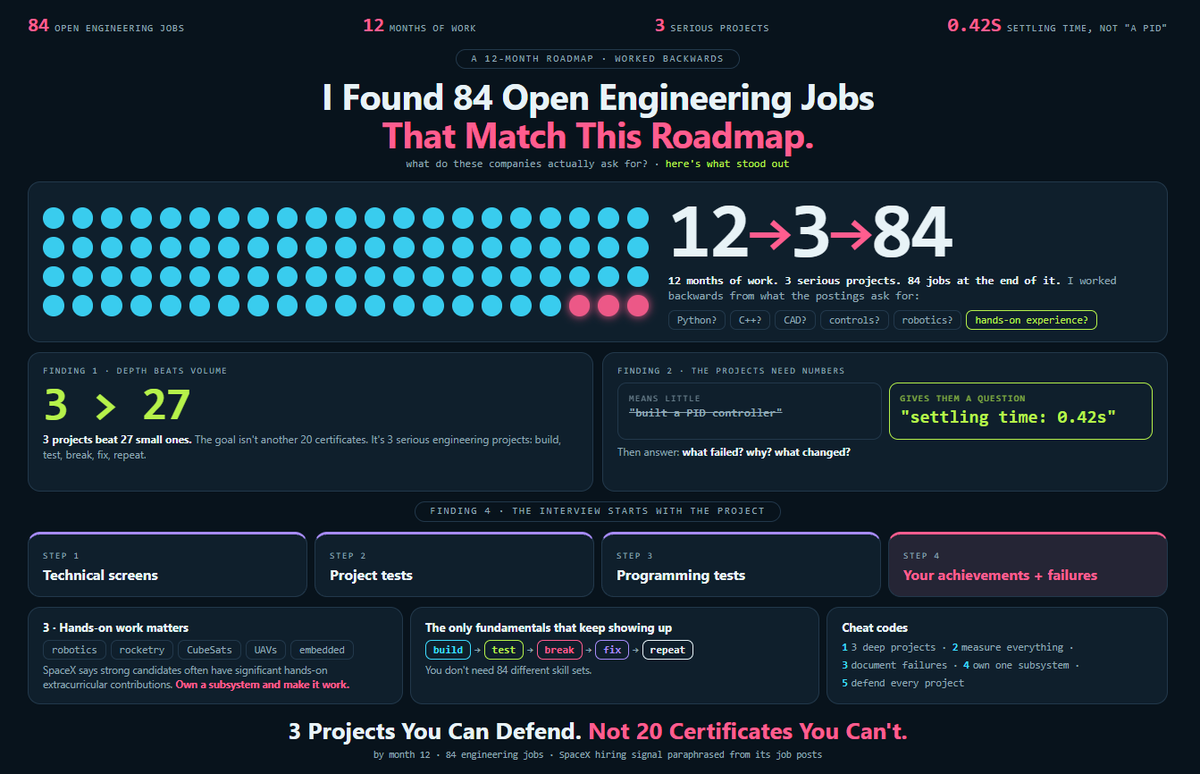
I FOUND 84 OPEN ENGINEERING JOBS THAT MATCH THE SKILLS IN THIS ROADMAP
12 months of work
3 serious projects
84 jobs at the end of it
so i worked backwards:
what do these companies actually ask for?
Python?
C++?
CAD?
controls?
robotics?
hands-on experience?
here's what stood out:
1: 3 projects beat 27 small ones
the goal isn't another 20 certificates
it's 3 serious engineering projects
build → test → break → fix → repeat
2: the projects need numbers
built a PID controller" means little
settling time: 0.42s" gives an interviewer something to ask about
what failed?
why?
what changed?
3: hands-on work matters
SpaceX says strong candidates often have significant contributions to hands-on extracurricular projects
robotics
rocketry
CubeSats
UAVs
embedded systems
own a subsystem and make it work.
4: the interview starts with the project
technical screens
project tests
programming tests
then questions about your technical achievements and failures
cheat-codes:
1. build 3 deep projects
2. measure everything
3. document failures
4. own one subsystem
5. make every project something you can defend
main insight:
you don't need 84 different skill sets
you need the engineering fundamentals that keep showing up:
build
test
break
fix
repeat
and one more thing
by month 12, you should have 3 projects you can defend — not 20 certificates you can't
THE MODELS KEEP GETTING BETTER.
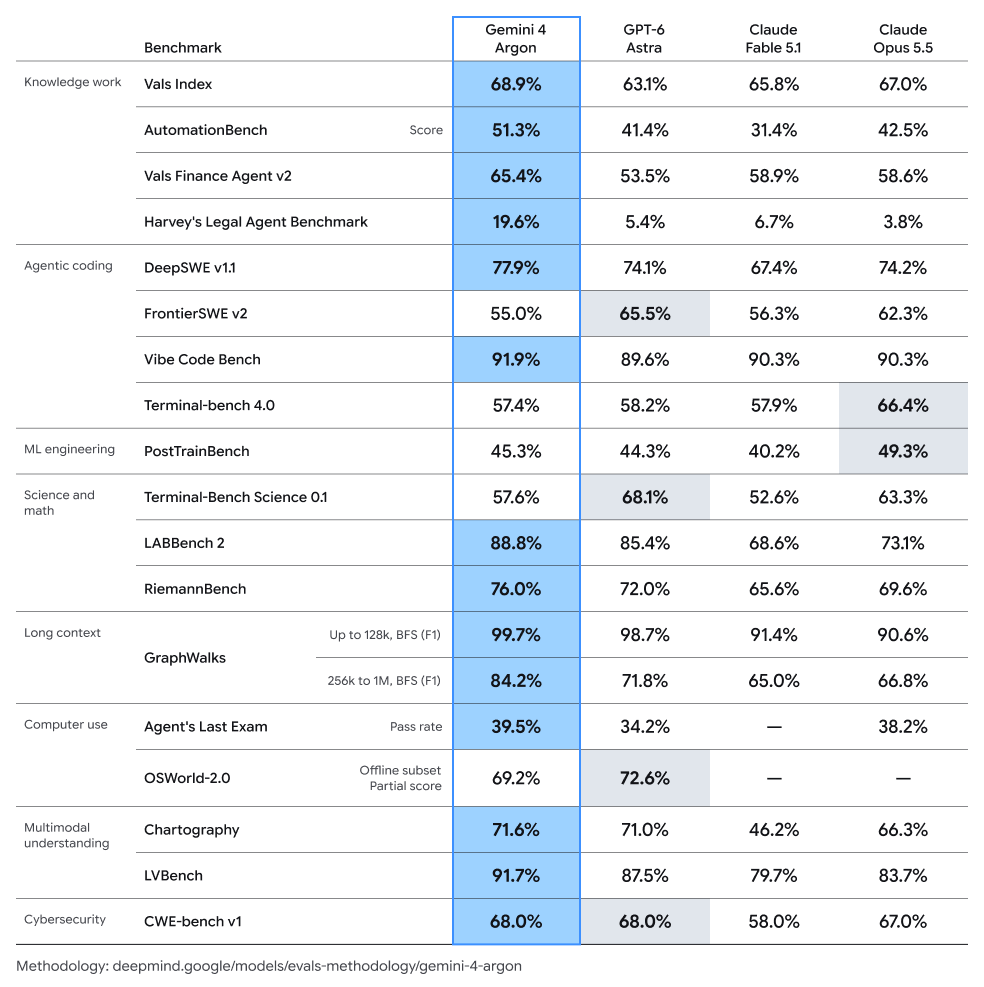
Gemini 4 Argon hits:
91.9% on Vibe Code Bench
88.8% on LABBench
99.7% on GraphWalks
coding, science, math, long context — the models are getting very good at working with information.
but there's a whole category missing from this table:
real robots.
because robot learning has a different bottleneck.
you can have the best model in the world
but if the demonstrations are bad, the model learns bad behavior
someone still has to collect the data
check it
fix it
repeat the task
and measure what actually worked
and you don't need a $10,000 lab to start doing it
an SO-101 leader + follower setup costs about $230
that's enough to start collecting real robot data, testing policies and building a portfolio
the industry is already paying people to do this:
$25/hr at Physical Intelligence
up to ~$48/hr for some Tesla Optimus data collection roles
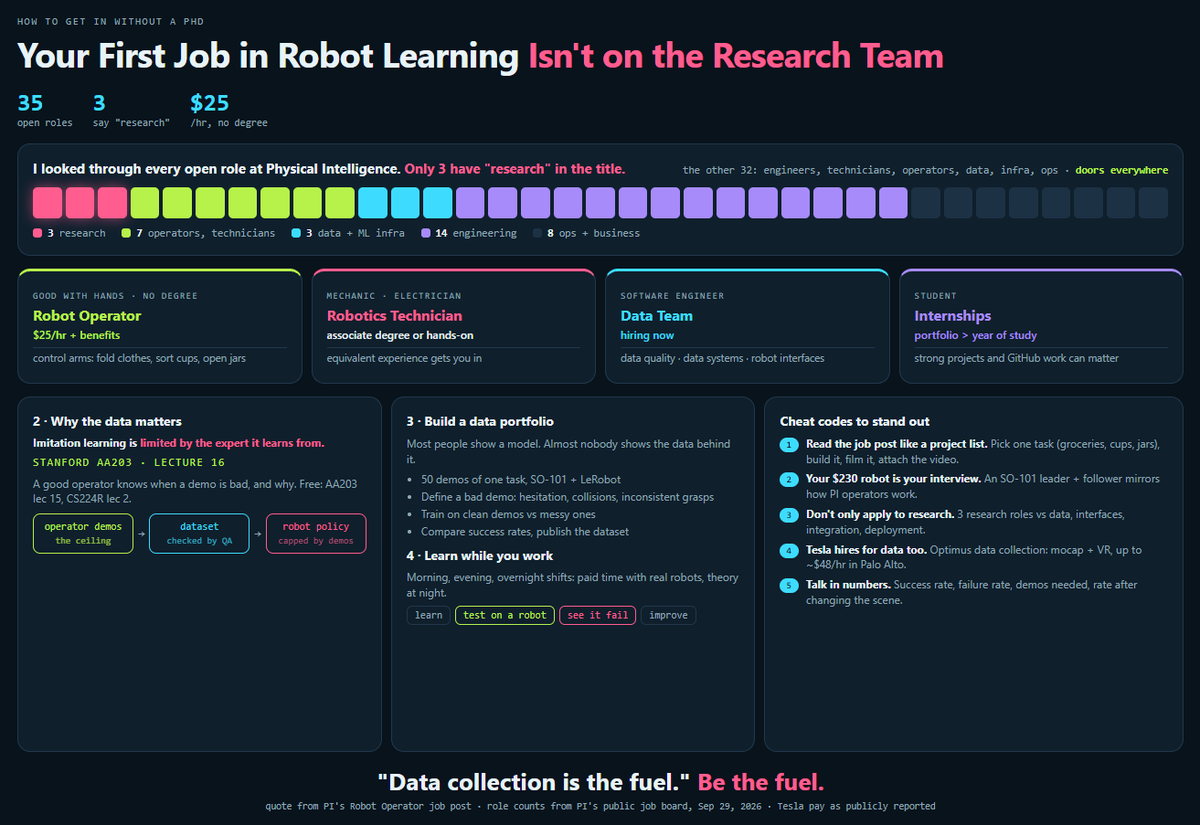
35 open roles at PI
only 3 have "research" in the title
the rest are engineers, technicians, operators, data, infra and ops
better models still need better data
How to get your first job in robot learning, without a PhD:
i pulled every open role at Physical Intelligence, one of the best-funded robot AI companies in the world
35 openings
only 3 have "research" in the title
the other 32: engineers, technicians, robot operators, data, infra, ops
so the door into robot learning isn't the research team. it's everything around it
here's my workflow for walking through it:
1: pick your door by what you already are
- good hands, no degree → robot operator. PI pays $25/hour + benefits and lists no degree. you teleoperate robot arms: folding clothes, sorting cups, opening jars
- mechanic or electrician → robotics technician. PI asks for an associate degree or "equivalent hands-on experience"
- software engineer → data. PI is hiring for data quality, data systems and robot interfaces right now
- student → internships. PI's mechatronics intern post says students below the usual level can still be considered with "exceptional projects, GitHubs, portfolios"
2: learn what the data is for
in Stanford's AA203 lecture 16, at 0:50, the lecturer says imitation learning is "capped in terms of performance" by the expert it copies
read that again
the person giving the demonstrations is the ceiling of the model
an operator who knows why a demo is bad is worth more than one who just hits the quota
that knowledge is free: AA203 lecture 15 and CS224R lecture 2
3: build a data portfolio, not a model portfolio
everyone shows a trained policy
almost nobody shows the data behind it
- record 50 demos of one task on an SO-101 arm with LeRobot
- write a rubric: what makes a demo bad — hesitation, collisions, a different grasp every time
- train one policy on clean demos, one on messy demos
- publish both success rates and the dataset on the Hugging Face hub
that one project speaks the language of the data team, the operator team and the research team at the same time
4: keep learning at night
PI's operator shifts run morning, evening and overnight
a paid shift inside a robot learning company + 2 hours a day of the free Stanford path
you learn the theory at night and see it fail on real robots by day
cheat-codes to stand out:
1. read the job post like a syllabus
PI's operator post lists the exact tasks: bagging groceries, sorting cups and plates, opening jars, folding clothes, installing light bulbs
pick one
do it on your own arm
put the video in your application
2. your $229.88 arm is the interview
PI's operators "lead robot movements with your arms (the robot mirrors your actions)"
that's exactly what an SO-101 leader + follower pair does
$229.88 in parts, official list
3. apply to the data team, not the research team
3 research openings vs data quality, data systems, robot interfaces, integration, deployments
do the math
4. Tesla pays for data too
Optimus data collection operators have been listed at up to about $48/hour in Palo Alto
they wear a motion-capture suit and a VR headset while collecting data for the robots
5. talk in numbers
success rate
success rate after one change in the scene
demos needed
that's the language robot learning teams actually use
main insight:
PI's own job post says it plainly: "Data collection is the fuel that drives our mission"
my read:
robot learning isn't only bottlenecked by people who can design models
it's also bottlenecked by people who can produce, check and fix the data those models learn from
and one more thing
if imitation learning is capped by the expert, then the best operators aren't doing the boring job
they're setting the ceiling for the whole model...
While all of Twitter is talking about Dior and Taco Tuesday - here’s a practical 12-month plan to build a SpaceX-level portfolio
Not certificates
Not “another course”
Build. Test. Break. Fix. Repeat.
A bookmark ≠ action
THIS GUY BUILT A ROBOT AND ENDED UP AT SPACEX
Joshua Mora Sanchez recently joined @SpaceX as a Test Reliability Engineer
Look at what he was building before getting there ↓
6-wheel rover
real hardware
robotics
testing
iteration
This is what a SpaceX-ready portfolio actually looks like
So I mapped out the path:
Python → C/C++ → electronics → embedded → controls → ROS 2 → autonomous robotics → AI
12 months
3 serious projects
No certificate collecting
I put the entire roadmap here ↓
ANTHROPIC LEAKED A FILE SHOWING HOW TO TRAIN YOURSELF FOR SPACEX-LEVEL ENGINEERING
12 months
Not 4 years of collecting certificates
Python → C++ → electronics → controls → ROS 2 → autonomous robots → computer vision → AI
The roadmap tells you exactly what to build:
$0 simulations
$20–30 multimeter
ESP32
closed-loop motor
2-axis robot
autonomous rover
robot learning project
And the final portfolio isn't:
“passionate engineer with 17 certificates”
It's:
3 real systems
test data
failure analysis
GitHub history
measurable results
Build. Test. Break. Fix. Repeat.
I turned the entire roadmap into a 60-step guide ↓
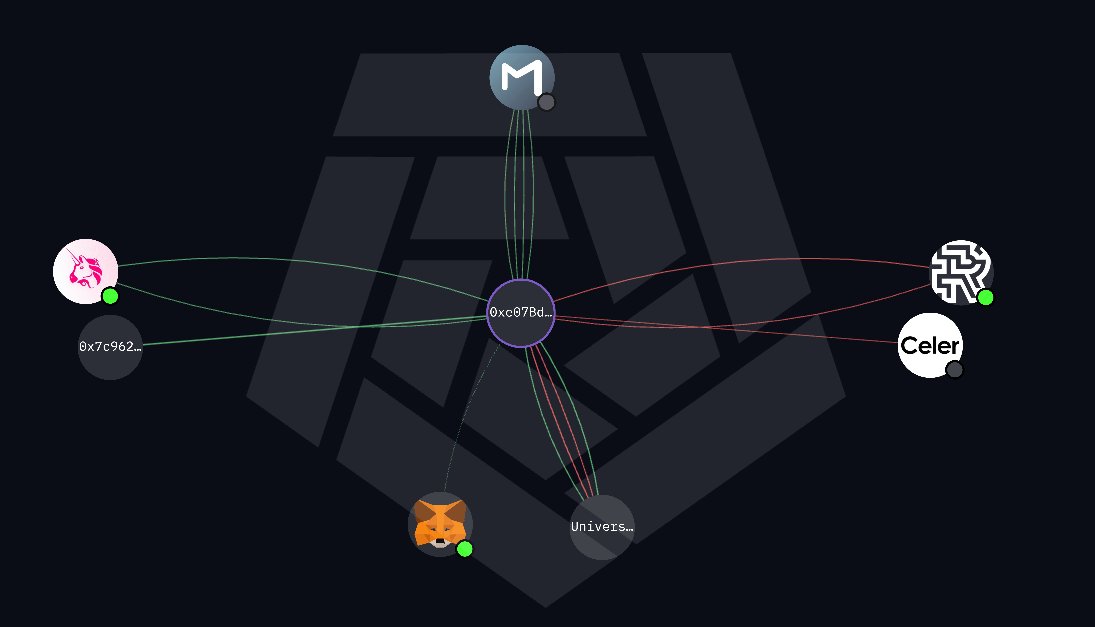
Bitget-linked funds are moving through one central hub.
Bitget-linked wallets
0xe07Bd590E1198666230932BAd5db3DbBE21e7d57
Uniswap / Universal Router
Mayan Finance
Celer
new wallets
$8.3M BNB
$1.5M USDT
$770K USDT
$400K USDT
$200K+ USDT
this is what laundering can look like onchain:
aggregate the funds
swap assets
bridge across chains
split into fresh wallets
the goal is simple:
make one traceable flow look like hundreds of unrelated transactions.
bitget wallets just moved ~$170m in under an hour
not to another labeled exchange wallet
to one fresh address
then that address started splitting it
10k eth
another 10k eth
$19.7m usdt0
$12.9m usdc
3k xaut
12.7k bnb
hot wallet in
cold wallet in
new wallets out
the interesting part isn’t the headline
it’s the sequence
labeled bitget addresses feed a hub
the hub fans out to fresh wallets
stables start turning into eth
that’s usually the dump phase, not a routine reshuffle
bitget hasn’t confirmed anything
people are already saying withdrawals are stuck
if this is what it looks like, eth eats the first hit
not because the chain broke.
because stolen size and exchange fear both hit the same exit.
@XYZCryptos@variational_io the interesting part is that the first account being down $7K doesn't necessarily mean the strategy failed
if the second account farmed enough points to offset that loss, the real variable is the implied $ value of each point