This is why:
1. Funding decisions for PIs must take into account recommendation letters from former PhD graduates and postdocs. Because funding is used to pay for more students and postdocs, it should be allocated only if the PI knows how to manage people correctly.
2. Universities should hire senior professors only after collecting 5-10 recomm. letters from their former graduates, randomly selected.
3. Students should get university-level (or country-level) training in how to select advisors and avoid toxic PIs.
4. Universities should create internal funds and programs for the students who need to switch groups or get financial security while they’re trying to find a new employer. It should be mandatory if the university wants to receive funding from the government (that comes from taxes).
5. Private funders should stop funding “hot research topics” as much as they do these days. Instead, if they start helping students who are already in crisis (by offering fellowships or other support), they will make A LOT bigger impact on the academic community and entire society.
6. In any department, fellow professors should HELP students who got into toxic groups and need support. Not avoid them.
7. At department meetings, the topics of toxicity and mismanagement must be discussed as often as possible. Believe me, your students don’t care about the “strategic plans for the department”, “teaching rotations”, etc that you keep discussing there. All they care about is wellbeing. Everything else comes second. Ensure you are raising awareness and making the right emphasis on what is truly important for the students.
8. Finally, reduce tenure requirements. A lot of issues stem from the load the young PIs have to withstand. Reduce the load on PIs and you will reduce the load on students and postdocs.
Don’t ignore mismanagement. Don’t ignore toxicity.
Even if it doesn’t happen in your lab.
@AcademicChatter #AcademicTwitter #phdchat
There are now many tools to help connect model organism and clinical researchers. GSA President Hugo Bellen has launched a new webinar series to introduce these and other tools for exploring gene function across humans and model organisms. Sign up now! https://t.co/MQzOLYO6uk
Two postdoc positions available in my group, official ads to come!
One position focused on the role of mutational biases in adaptive protein evolution.
The other position on modeling epistasis observed in high-throughput experimental data.
E-mail / DM if interested!
Our lab is looking for PhD students to work in the exciting area of Parkinson's disease using mouse models. If you are keen on joining a young and dynamic group, consider applying https://t.co/qYvQyQErl2. Last date 20th November. Please RT & share with prospective students.
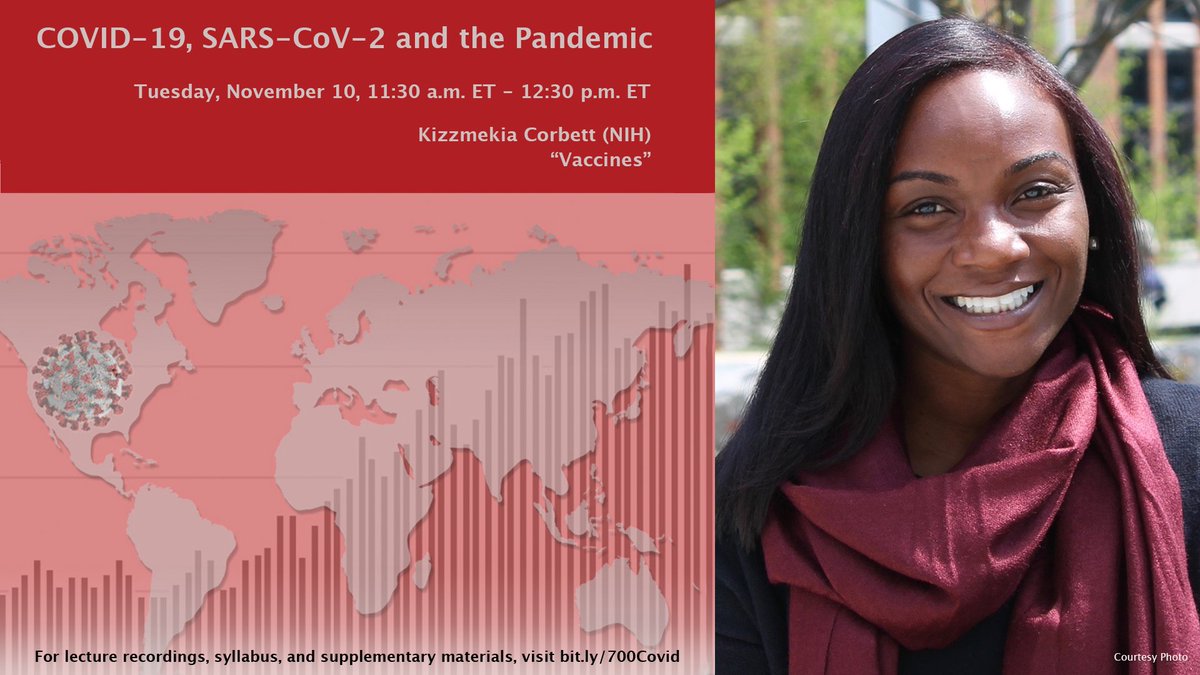
Today in MIT's publicly available course on the science of the pandemic, learn about efforts to develop vaccines for COVID-19 from Dr. Kizzmekia Corbett @KizzyPhD at 11:30 a.m. ET: https://t.co/tOGknIp6lP
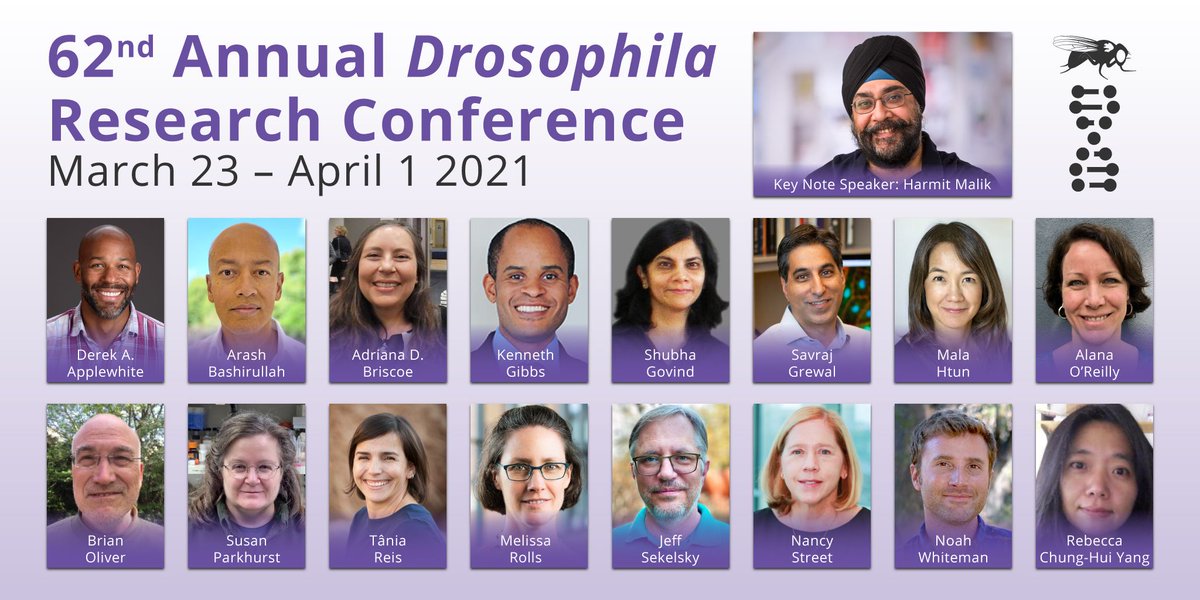
Registration is now open for #Dros21! Don't forget to submit your abstract by Dec 3 and propose workshops by Nov 2. https://t.co/1tx7e5DKm7 #Drosophila
As someone using Drosophila to try to work out generalizable functions of the nervous system, with particular interest in memory, I have to say that it gets very tiring being frequently asked how it relates to mammals and then the work not being cited by those working in mammals.
It's a big day @USCLONI! We just launched a new smartphone app, Schol-AR, that has the power to revolutionize how scientific data is shared. @TylerArdPhD built Schol-AR so researchers can embed data viz in papers, posters & more using AR. More here: https://t.co/aX621DtG9N @USC
This is the first time that we cycle a ventilated patient on cvvhd with femoral line. Despite nurses concern that the line will be blocked or the machine will give an alarm, we successfully cycled this patient for 45 minutes without any problems. #effortXtrial#Malaysia