Imagine sending a text message in 1943.
During WWII, the teletype machine was the backbone of military communication. It allowed units to send and receive typed messages across continents over wired or shortwave radio circuits. Pictured here is a teletype operator in Morocco. https://t.co/G7IdZWWwaK
62 years ago this week, President John F. Kennedy announced that nuclear missile bases had been discovered in Cuba and that the missiles had the potential to attack the United States. This 1962 photo captured the missile sites: https://t.co/3pxrDUlVid
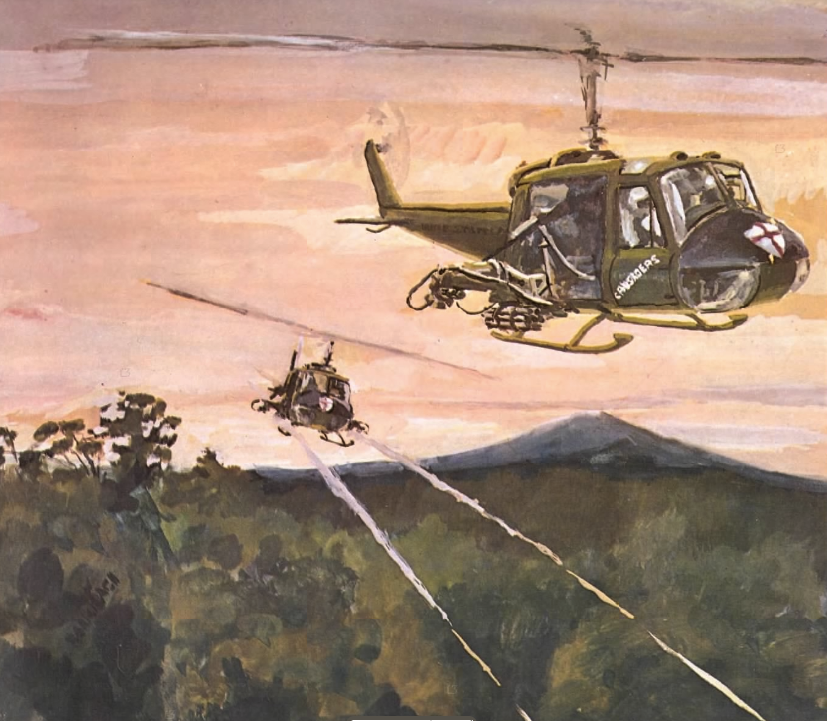
While most soldiers carried rifles during the Vietnam War, a unique group reached for paintbrushes and sketchbooks. Through the Combat Art Program, soldier-artists documented the war in a way that camera lenses couldn't always capture.
Explore pieces from the 9th Infantry Division Combat Art program here: https://t.co/phvr0C2Lvc
Interested in reading the primary sources that shaped a nation? George Washington's correspondence is now available in Full-Text Search. Dive into transcribed letters, orders, and thoughts that documented the birth of modern democracy. https://t.co/bCMxnZLbqF
A brief escape from the skies.
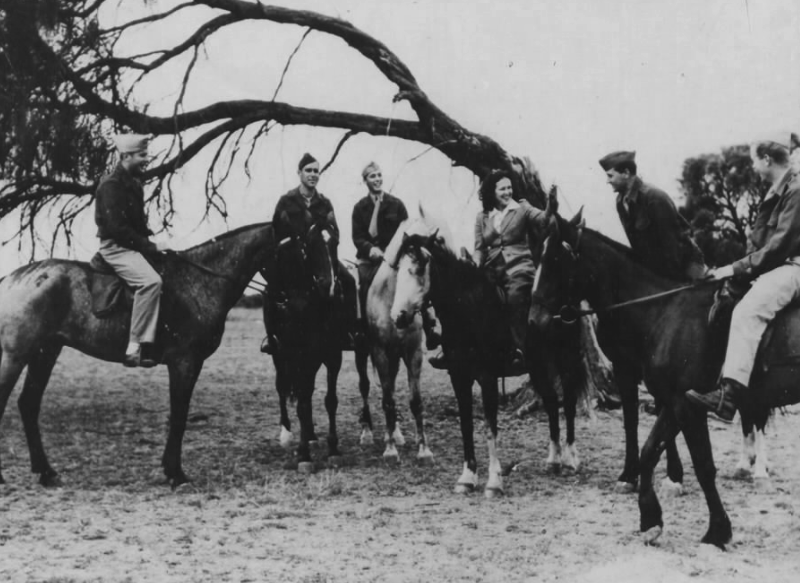
During WWII, service members often found solace in unexpected places. Here, Allied Air Force personnel enjoy an afternoon of horseback riding while on leave in Australia. It was a rare moment of rest and relaxation amidst the demands of wartime service. https://t.co/auldfYSnaT
Earl R. Chapman was the Army's "Fighting Chaplain" during WWI. Chapman put himself through college by teaching boxing lessons and brought his skills to the battlefield. https://t.co/zdR7P7vC4E
Happy Birthday to the U.S. Navy! The Navy was founded on October 13, 1775, when the Continental Congress authorized two armed vessels to intercept British supply ships. Today marks the Navy's 251st birthday!
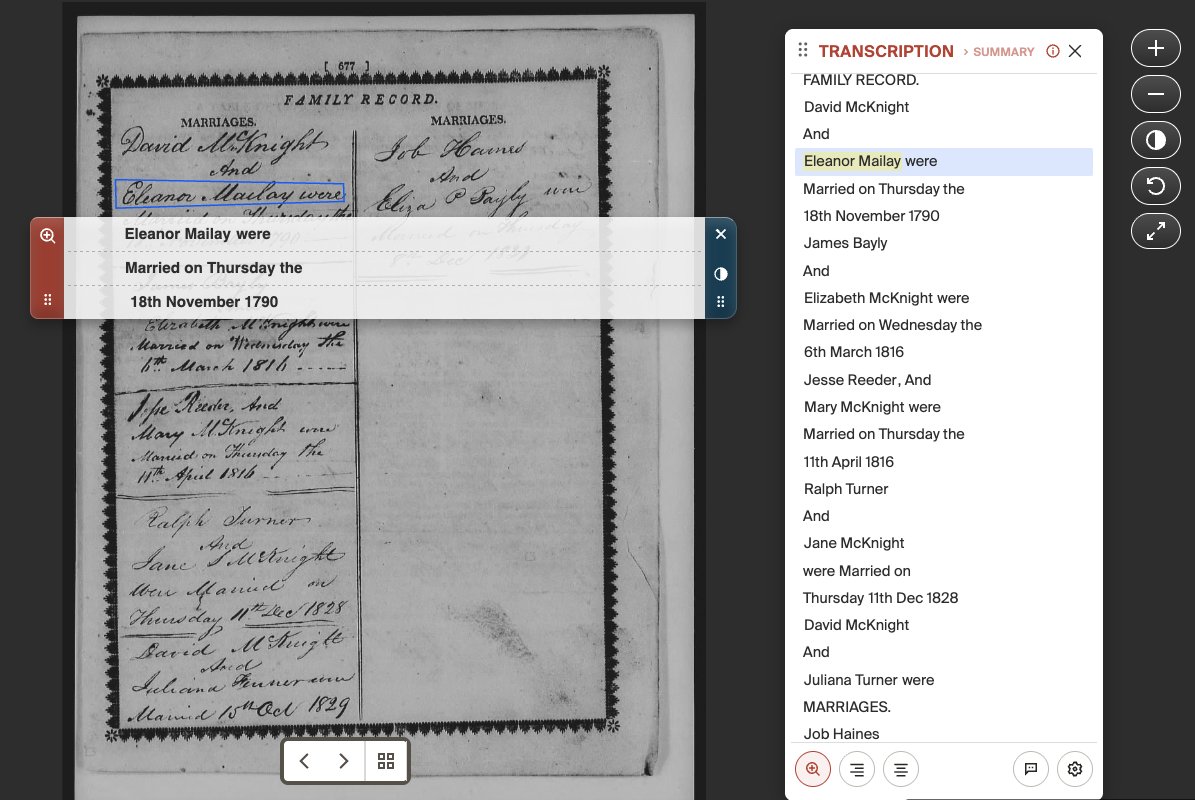
That magical transcription device is called the Glider. You can drag the Glider down the page, and it will transcribe the text below it on the fly. The Glider is part of our new patent-pending Transcription Viewer, now available in Revolutionary War Pension Files: https://t.co/nO09sg8LwS
Researching a Revolutionary War veteran? Fold3 just launched an EPIC improvement in our Rev War Full-Text Search pensions! The transcription quality is amazing, and handy linking lines allow you to quickly compare the original manuscript and transcription. https://t.co/B85Gss2cVg
We have some BIG news! Our Full-Text Search Revolutionary War pensions just got a massive upgrade. Our new Transcription Viewer is unlike anything you've seen and will make transcribing historical manuscripts easier than ever before. Learn more on our blog! https://t.co/tcTRxzBmBR
For many veterans, the fight didn't end in 1918.
WWI veteran Michael M. Corbett's Army record listed him as "slightly wounded"—omitting that he'd been gassed. He spent the next 7 years fighting the invisible damage before passing away in 1926. https://t.co/97agXLiDQa
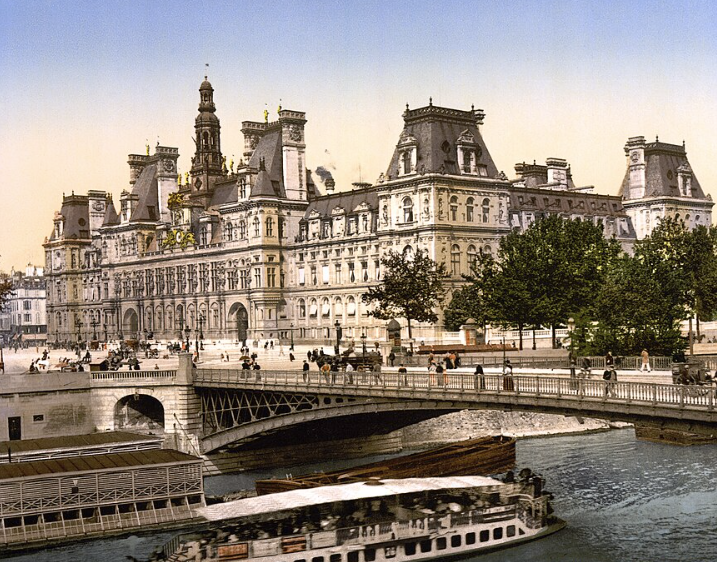
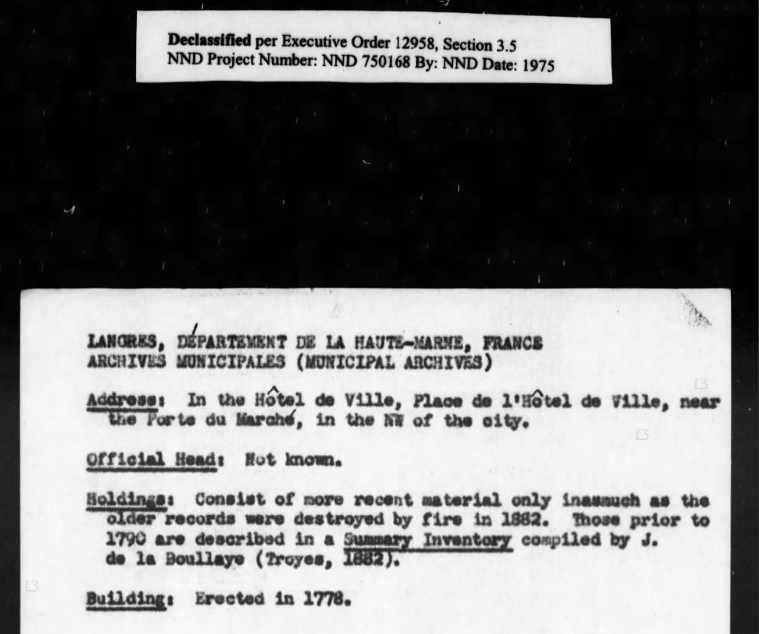
The Roberts Commission was a presidentially appointed body tasked with protecting works of cultural value during WWII. The Hôtel de Ville in Paris, pictured here, was among the locations the commission sought to protect. See the Roberts Commission files here: https://t.co/Vu6mWiaejo
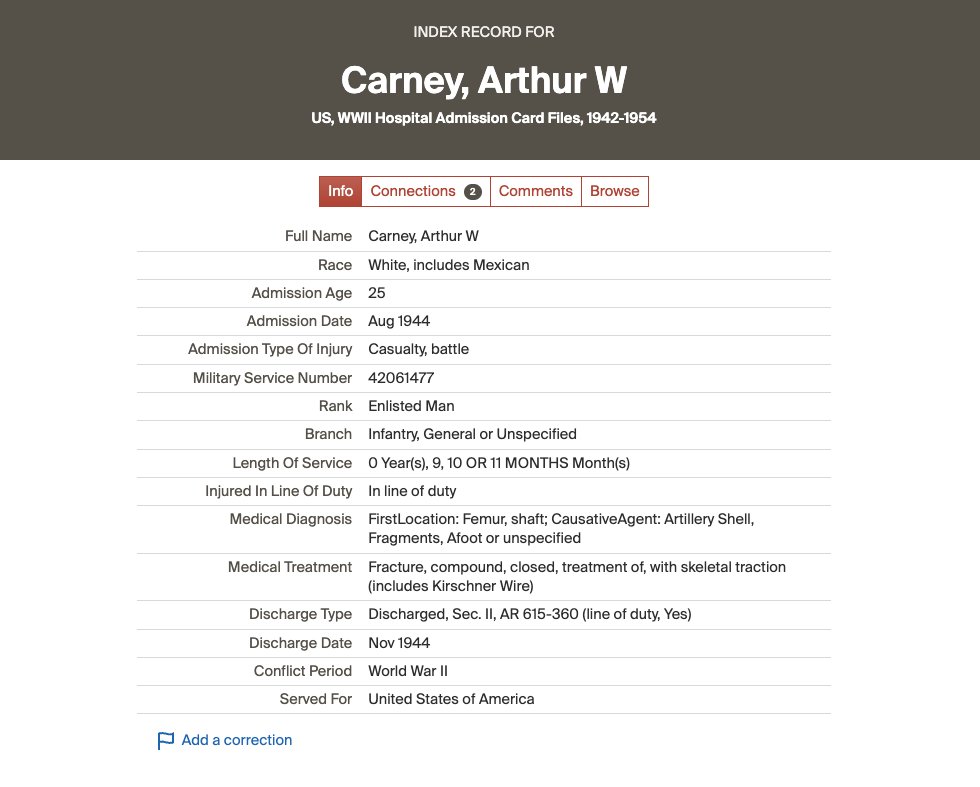
Hollywood actor Art Carney was drafted into the Army in 1944 and landed at Normandy.
Carney was wounded by a piece of shrapnel that shattered his leg in August 1944, leaving it three-quarters of an inch shorter than his other leg. He walked with a limp the rest of his life: https://t.co/Y9cWbhxX4k
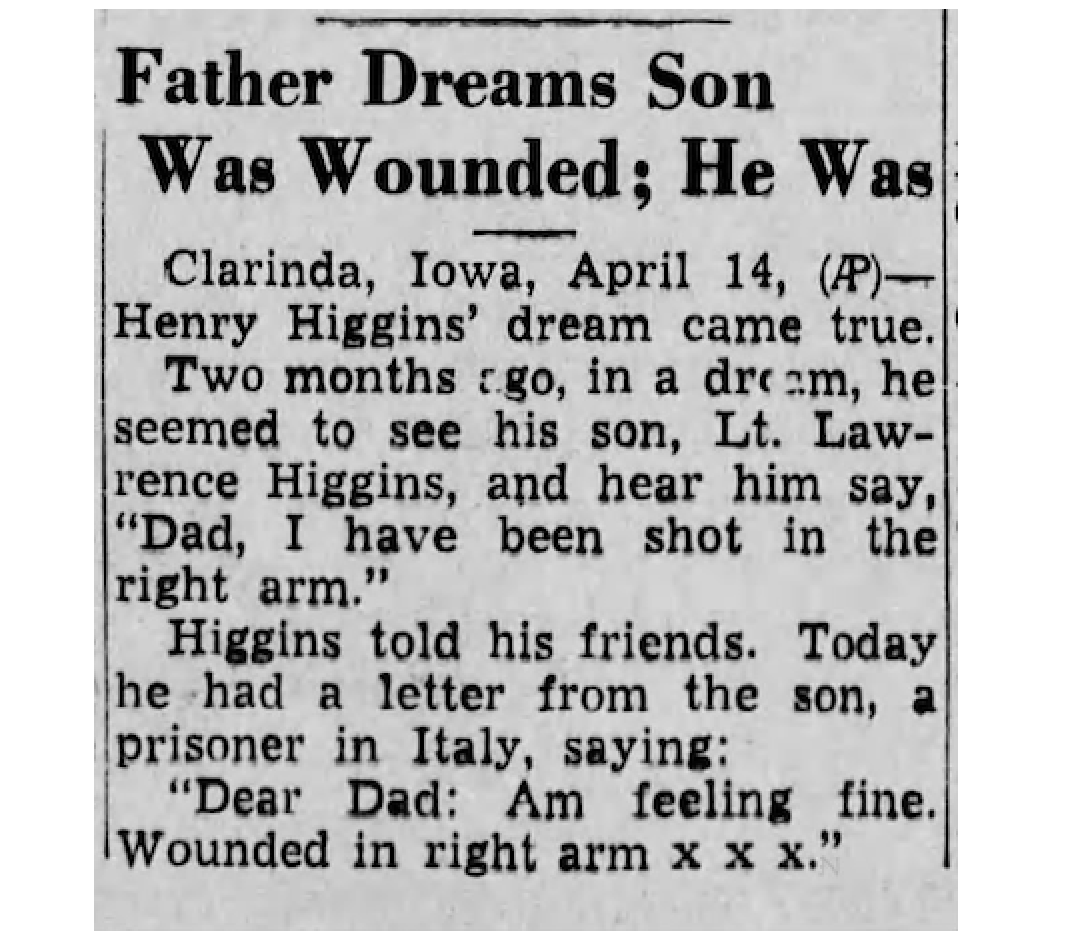
During WWII, an Iowa father dreamed his son had been wounded in the right arm. He later received a letter confirming his fear. Lt. Lawrence Higgins was wounded, captured, and taken POW, but returned home safely in 1945. (Harrisburg Telegraph 4-14-1943): https://t.co/df97ZgTqPF
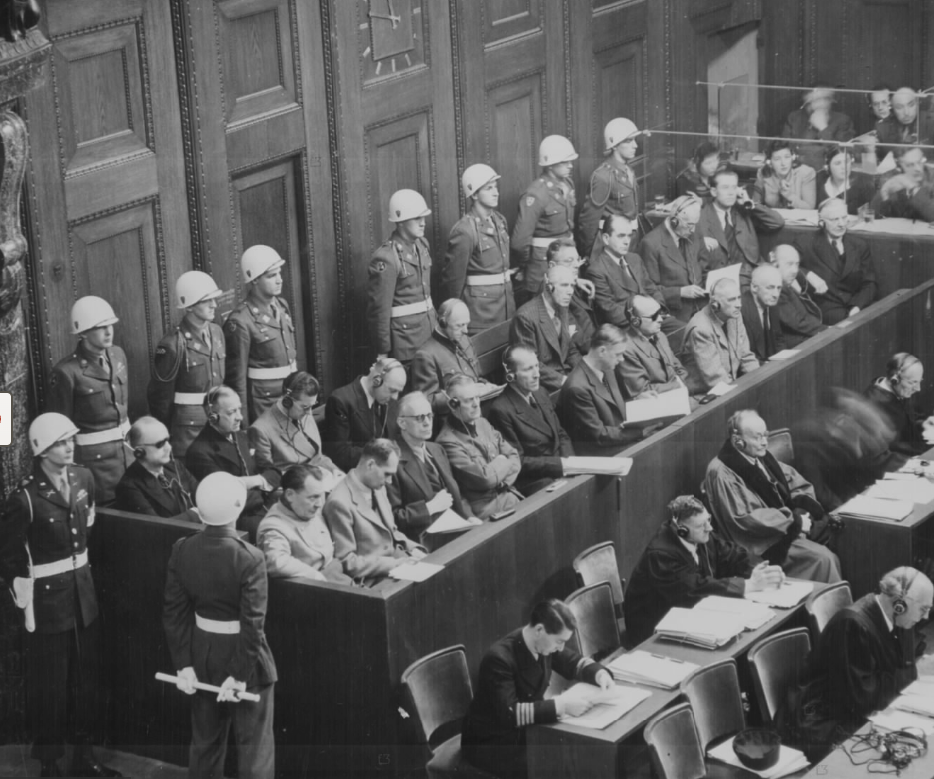
80 years ago today, 12 top Nazi officials were sentenced to death as the historic Nuremberg Trials came to a close.
In a powerful stand for international justice, judges and prosecutors from four Allied nations (US, UK, USSR, France) united to hold war criminals accountable. https://t.co/rPOdULmPe5
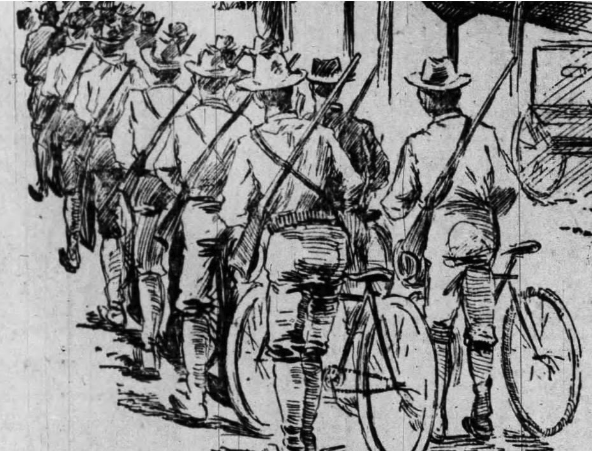
Did you know that in 1897, the 25th US Infantry Bicycle Corps conducted a bicycle experiment, pedaling 1,900 miles across the United States? The experiment ended at the outbreak of the Spanish-American War. Learn more about the "Iron Riders" on our blog: https://t.co/yZoxBOY5AI
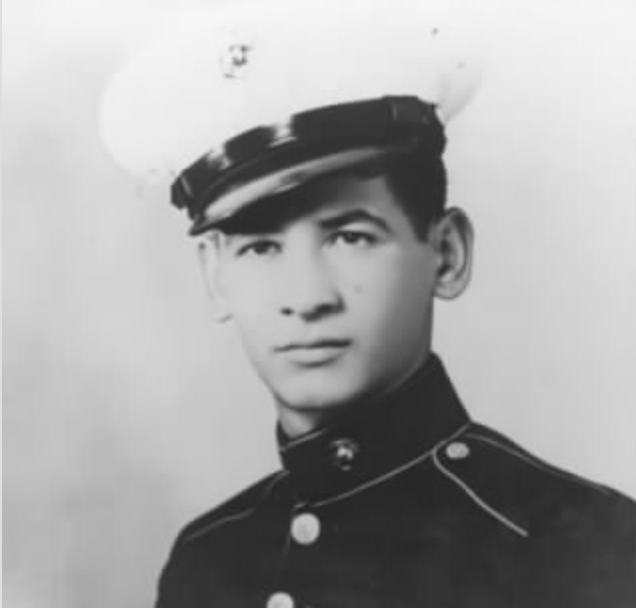
Honoring Medal of Honor recipient PFC Eugene Arnold Obregon
On Sept 26, 1950, in Seoul, the 19-year-old Marine ran into heavy fire to rescue a fallen comrade, shielding him with his own body and holding off an enemy platoon until he was killed. https://t.co/DJCmtCAQ9Y
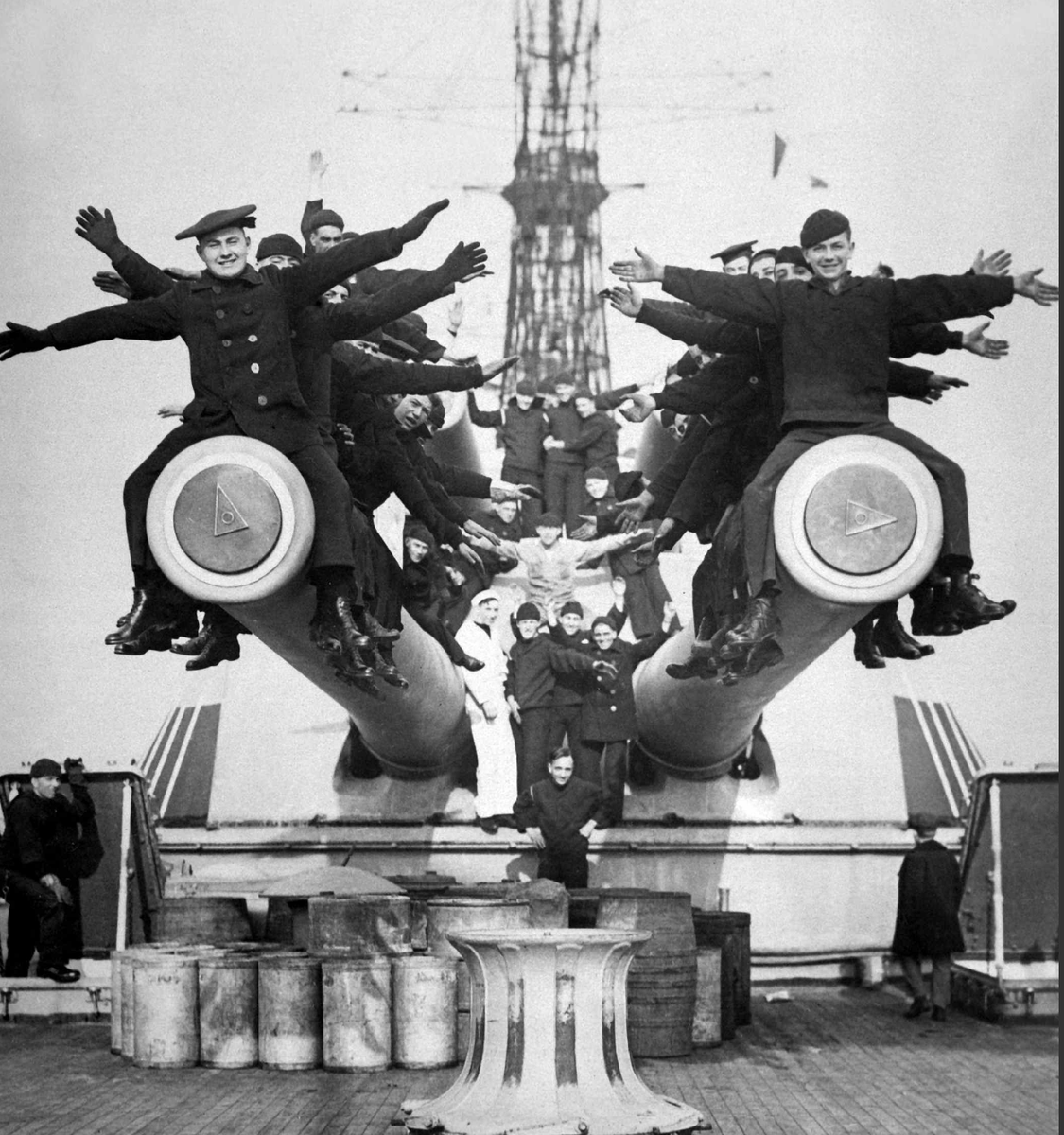
American sailors (nicknamed "Gobs") straddled the massive 14-inch guns on the USS Texas during WWI. Even during wartime, these guys found a way to show off a little high-seas humor! https://t.co/IwlqYg5QnG
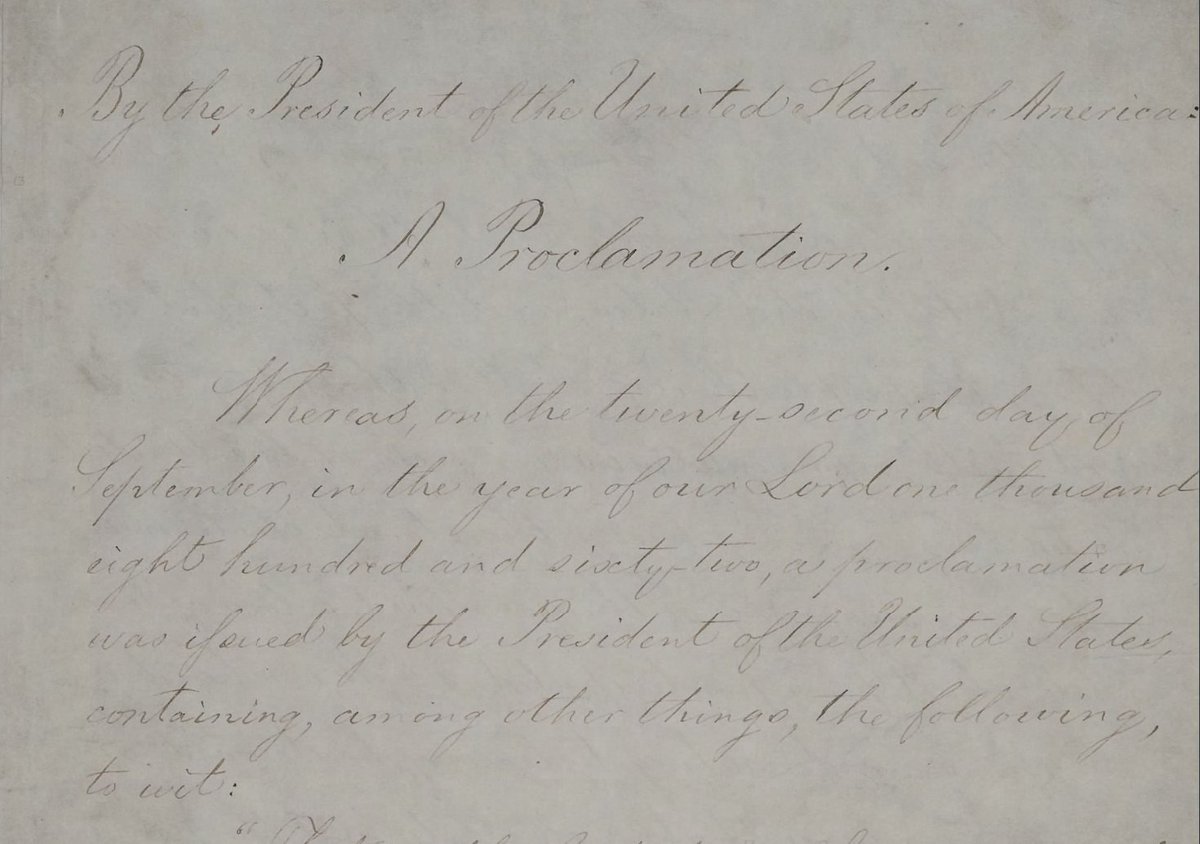
Faded with time, but monumental in impact.
#OnThisDay in 1862, Lincoln issued the Preliminary Emancipation Proclamation after Antietam.
See the Emancipation Proclamation here: https://t.co/9GS9VI7ZVP
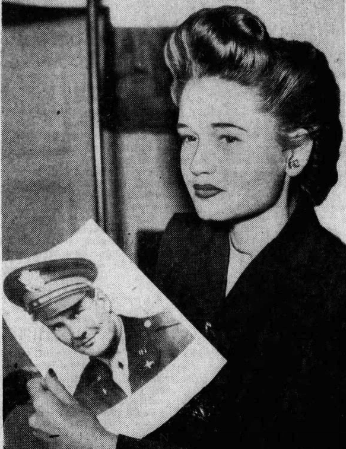
Presumed dead after his plane exploded over Burma in 1943, Lt. Harold W. Goad's wife, Helen, accepted his posthumous medals and eventually remarried. 18 months later, she got the news: Harold was alive in a Rangoon POW camp.
Helen annulled her 2nd marriage and welcomed him home. (photo from L.A. Examiner, 5-9-1945): https://t.co/2xURZFBkvw