US healthcare workers must be prepared to care for incarcerated people.
Unfortunately, few of us are taught how to do this.
For 19 years, I have answered ethics questions, including re: patients in prison.
Here are 7 pieces of ethical advice to protect your patients.
🧵👇
@Morbidful Talking about surviving
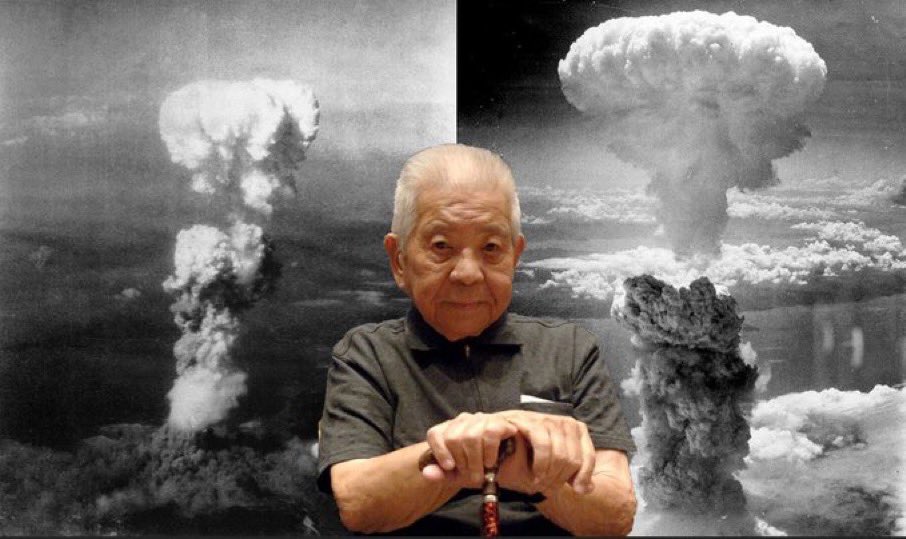
In 1945, Tsutomu Yamaguchi survived the atomic blast at Hiroshima, dragged himself to an air raid shelter, spent the night, caught the morning train so he could arrive at his job on time in Nagasaki, where he survived another atomic blast.
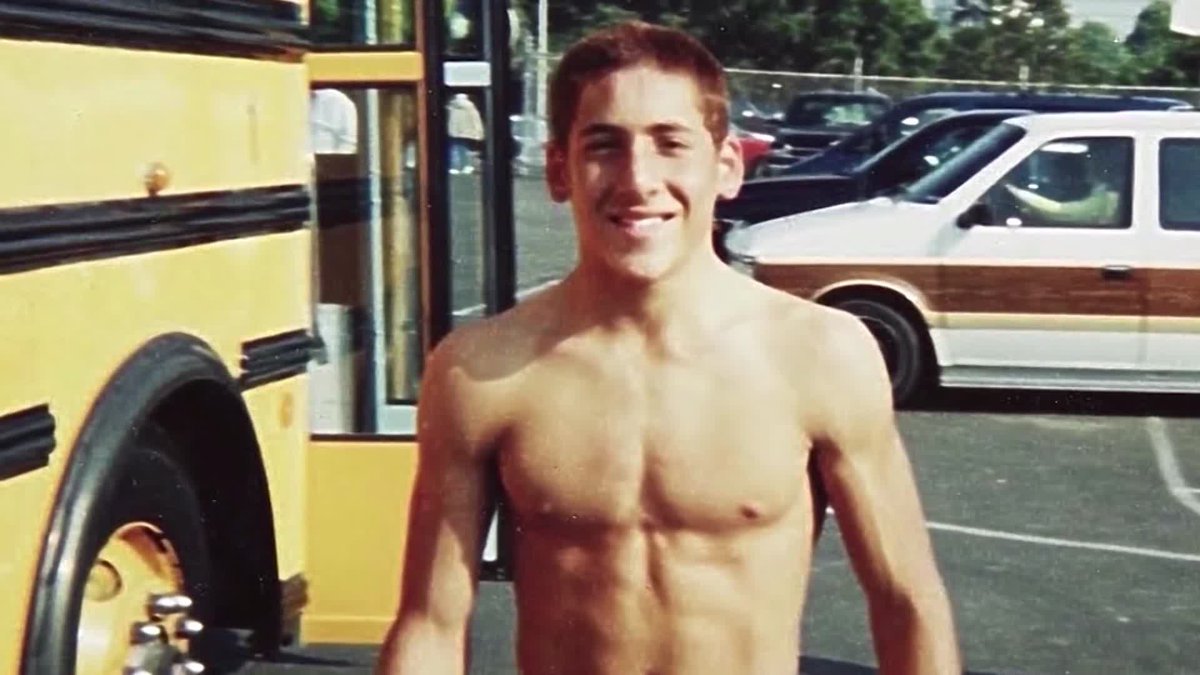
On September 25, 2000, 19-year-old Kevin Hines attempted to end his own life by jumping off the Golden Gate Bridge. Plunging over 220 feet at a speed of 75 miles per hour, he hit the water below, shattering three of his vertebrae and narrowly missing severing his spine by two millimeters. Despite the odds, he miraculously survived the impact.
Upon realizing he was still alive, an intense will to live surged within him. Yet, the weight of his clothes continuously pulled him beneath the surface of San Francisco Bay. For what seemed like an eternity, he struggled to resurface briefly, gasping for air, just enough to hold on to life.
Suddenly, he felt an unusual force from below lifting him above the water's surface, where he remained until the Coast Guard arrived. It was only later that he discovered the mysterious presence keeping him afloat: a sea lion had been supporting his body until the rescue boat arrived, as eyewitnesses had observed.
His story gained major media coverage and he has since become a motivational speaker and advocate for suicide prevention.
Always ask yourself:
“What evidence would convince me that I’m wrong?”
If the answer is, “nothing,” then you are not adhering to the rules of science or logic.
- @LogicofScience
Watch this mind-blowing dynamic MRI and look what happens to the airway with various head and neck positions
This is why basic airway maneuvers save lives!
#FOAMed
On September 11, 2001, firefighter Gary Box, then 35 years old and serving in Brooklyn, tragically disappeared without a trace amidst the chaos of the terrorist attacks.
He hadn't spoken to his father that fateful day, and his body remained unrecovered, leaving his fate shrouded in uncertainty.
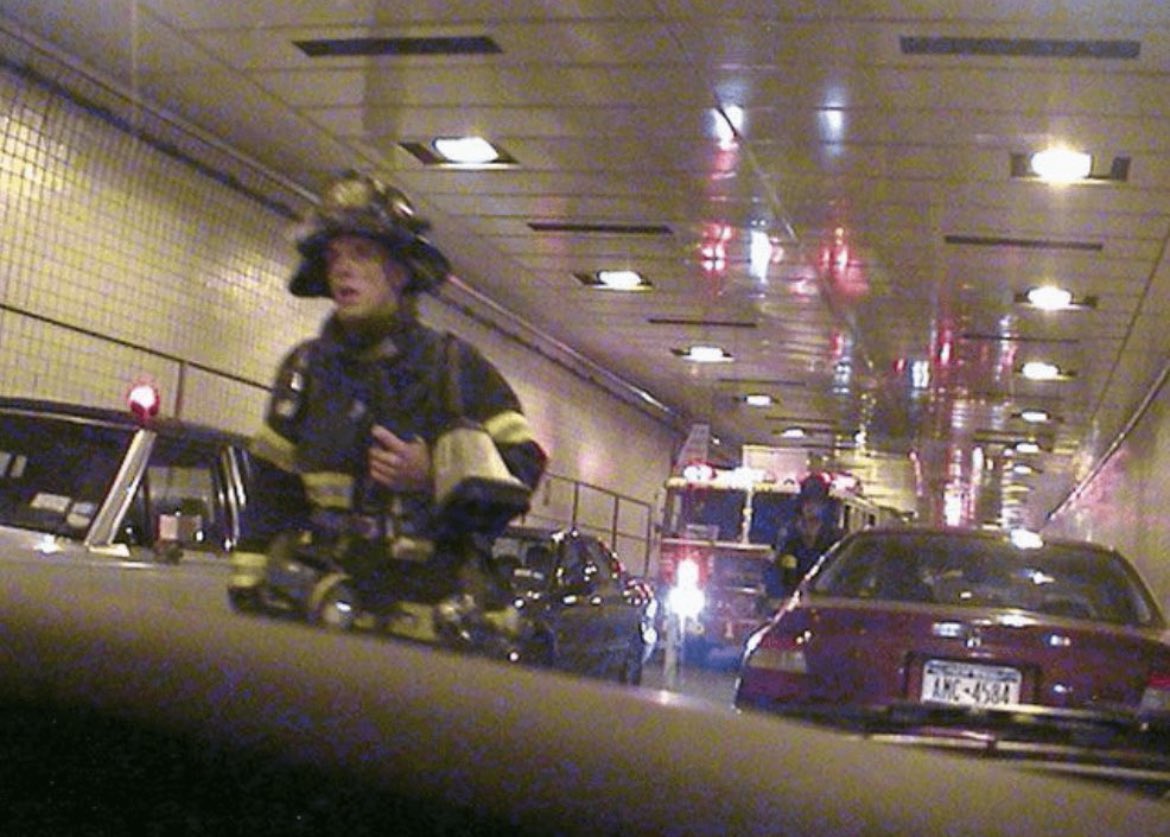
Eight years later, in 2009, Gary's sister Christine visited the Tribute Center, where an employee inquired if she was searching for someone specific. She mentioned her brother Gary, prompting the employee to direct her to a photograph within the Brooklyn Battery Tunnel, mistakenly bearing Gary's name.
However, the pictured firefighter was Brian Bilcher, another brave member of Gary's fire squad who had also perished on that tragic day.
This discovery ignited Gary's father's determination to uncover a similar image of his son.
He tirelessly combed through photo archives at the National 9/11 Museum and explored the memorial's website, which allowed users to upload their 9/11 photos. After an exhaustive five-hour search one night, he went to bed, drained both physically and emotionally.
The following morning, his wife Helen summoned him to the living room during breakfast, revealing a photo of a firefighter running through the Brooklyn Battery Tunnel toward the Towers amidst trapped cars.
This time, it was Gary.