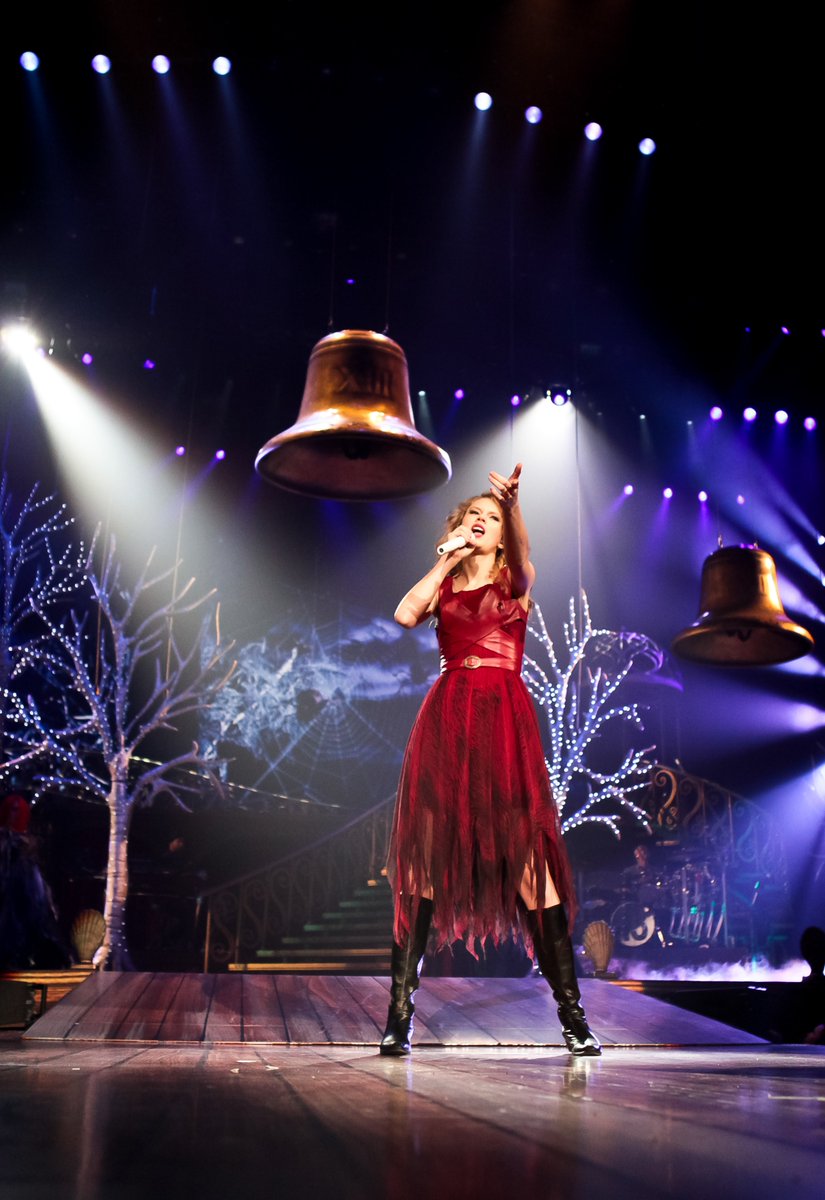
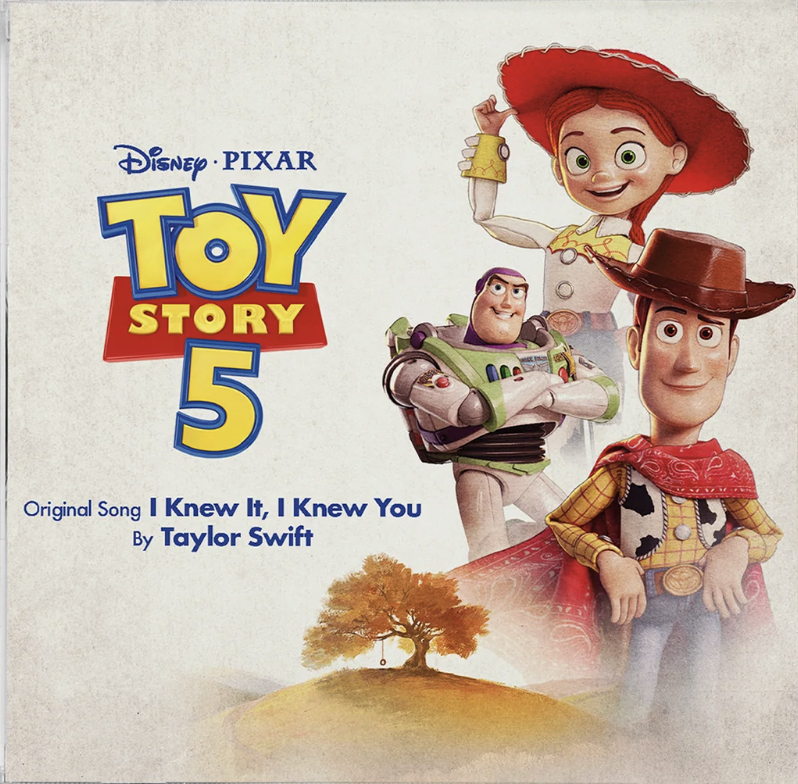
We knew it, we knew you wanted to hear the Acoustic and Piano versions of “I Knew It, I Knew You.” Each version features unique vocals and production. Download now on iTunes and Amazon Music! https://t.co/KGe5sonpes
‘I Knew It, I Knew You’ by Taylor Swift has broken the record for biggest first-day streams by a soundtrack single in Apple Music history.
It also scores the biggest Country debut of 2026.
Writing this song felt like a musical departure and coming home at the same time. Creating something for Jessie was a new challenge and also felt like second nature all at once. And being a @toystory kid from the age of 5 til now… is an adventure I plan to be on, to infinity and beyond.
Thank you to the brilliant Andrew Stanton for imagining me for this, all those years ago when you wrote this newest film. Thank you to the incomparable @RandyNewman or the gorgeous sonic tapestry of songs and scores you’ve meticulously woven over the years. You created the Toy Story musical world, and we are lucky to get to live in it.
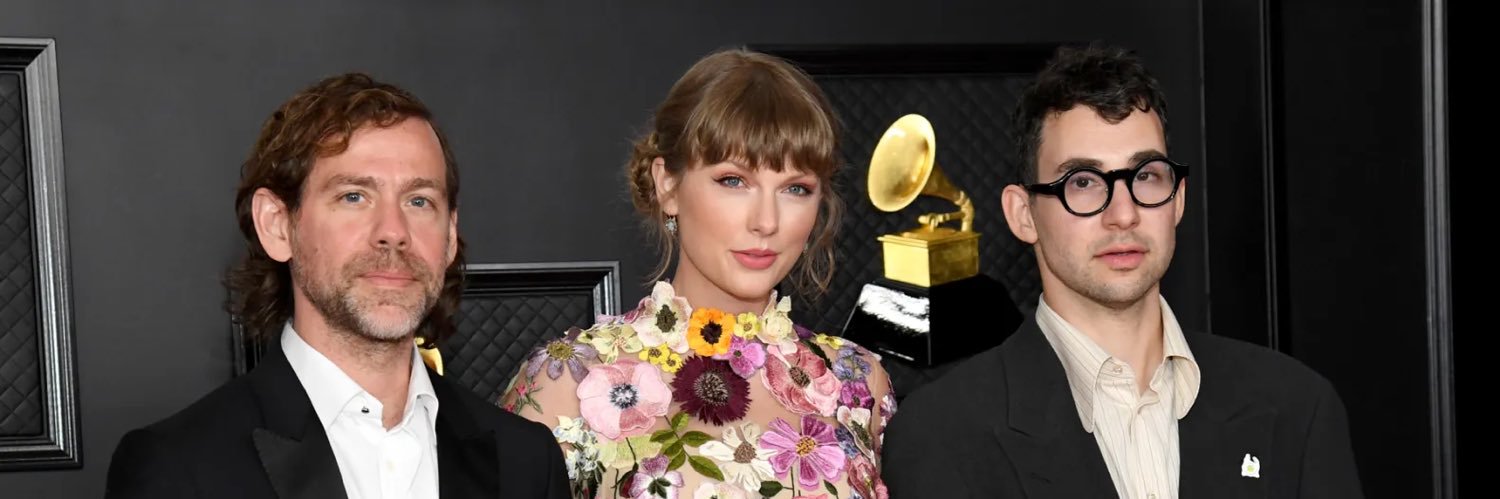
By we, I mean myself and my pal @jackantonoff. We wrote this with so much adoration for these characters that made us laugh and helped us learn lessons and think outside the backyard all throughout our childhoods. “I Knew It, I Knew You” from Toy Story 5 is out everywhere now. 🤠🐴
https://t.co/2JaaQvxHjp
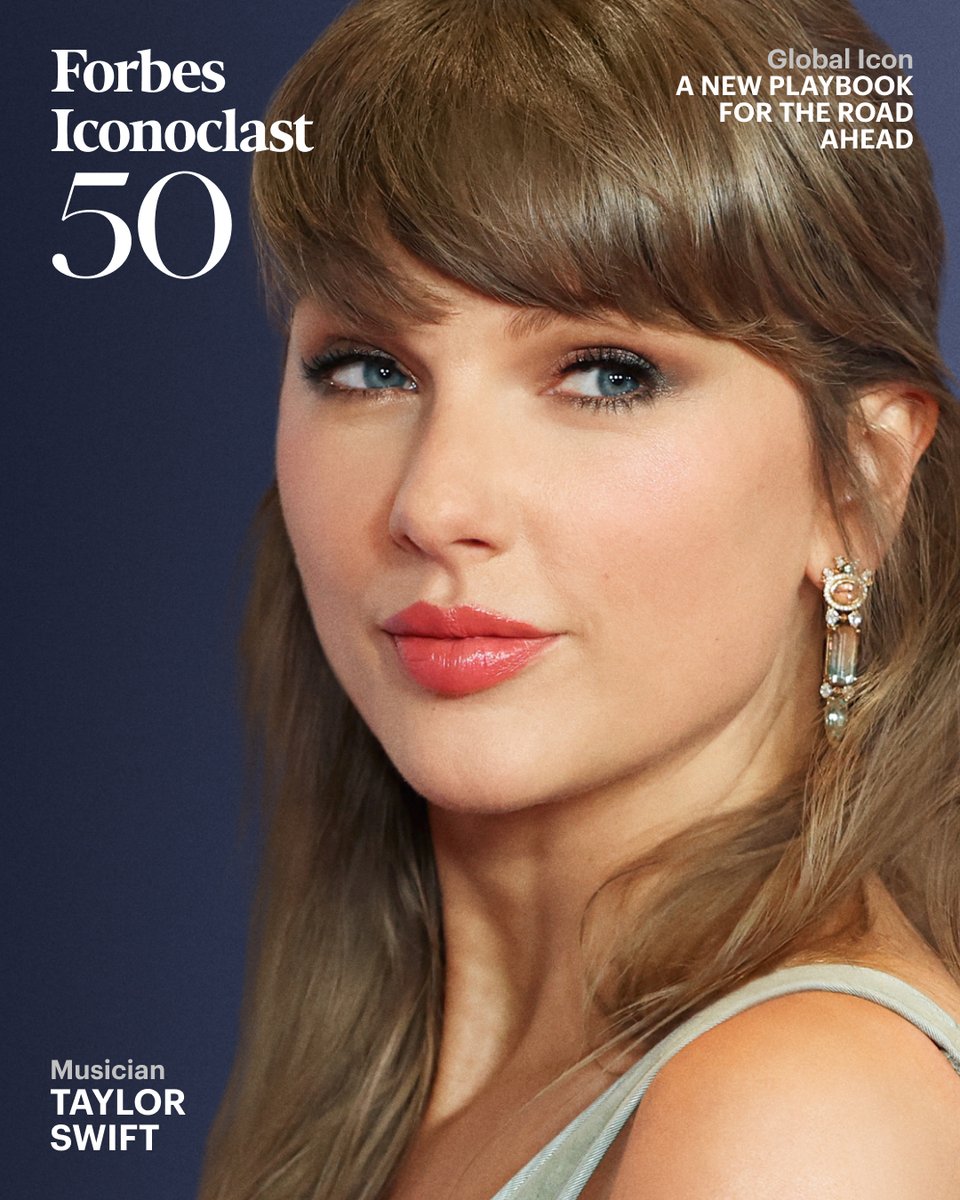
Taylor Swift didn't just break records—she took ownership of them. The Forbes Iconoclast List member leveraged her star power to buy back her original masters for $360 million, doubling her net worth to $2 billion by March 2026. She is officially the richest female musician in history.
See how she and others made the #ForbesIconoclast50 list here: https://t.co/npegh7oECw Presented by Corient
Photo: Frazer Harrison via Getty Images
‼️| Taylor Swift is set to have the most #1’s on Billboard Hot 100 in one year for the second time:
— 2023: “Anti-Hero”, “Cruel Summer” and “Is It Over Now?”
— 2026: “The Fate of Ophelia”, “Opalite” and “I Knew It, I Knew You”
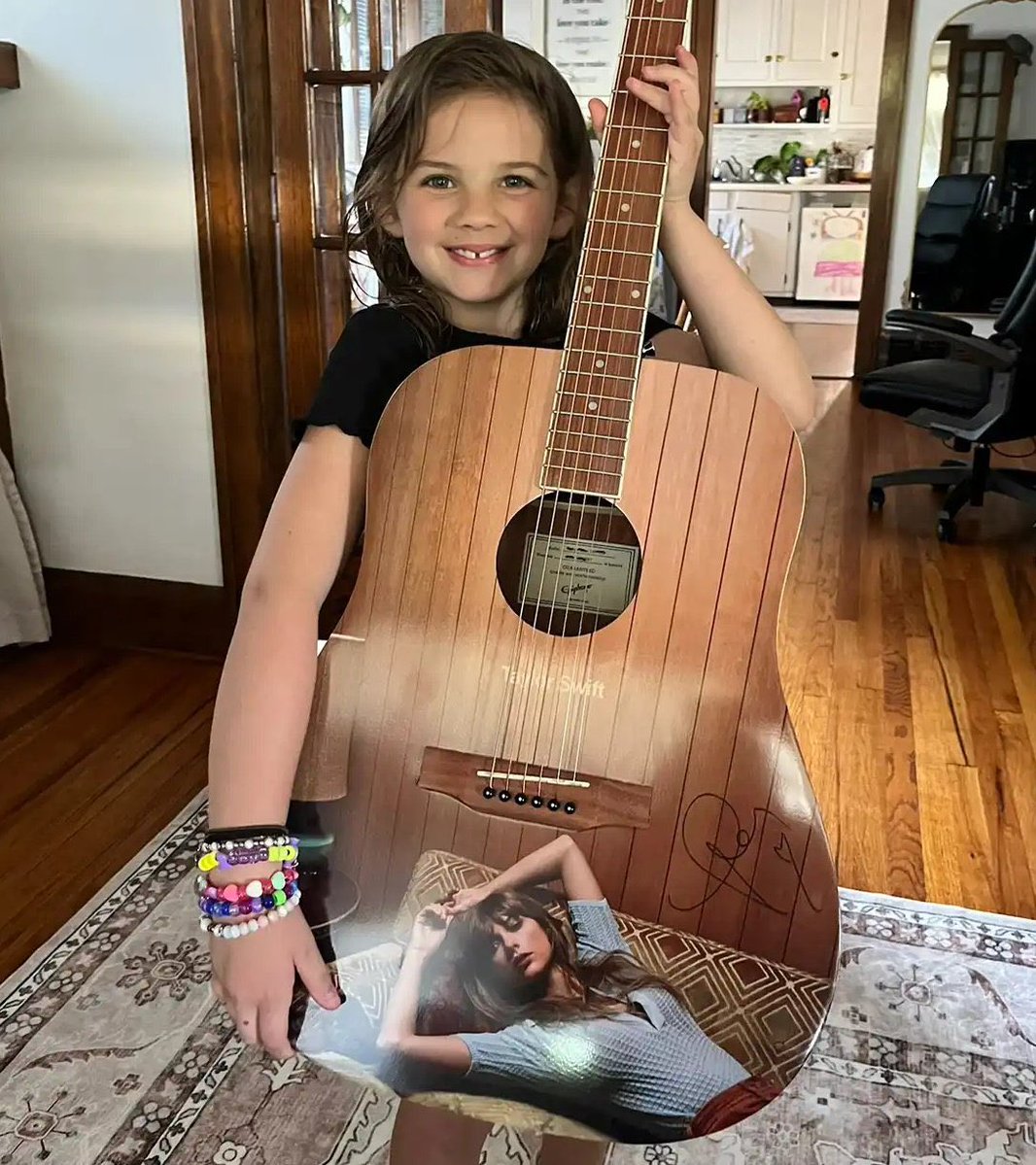
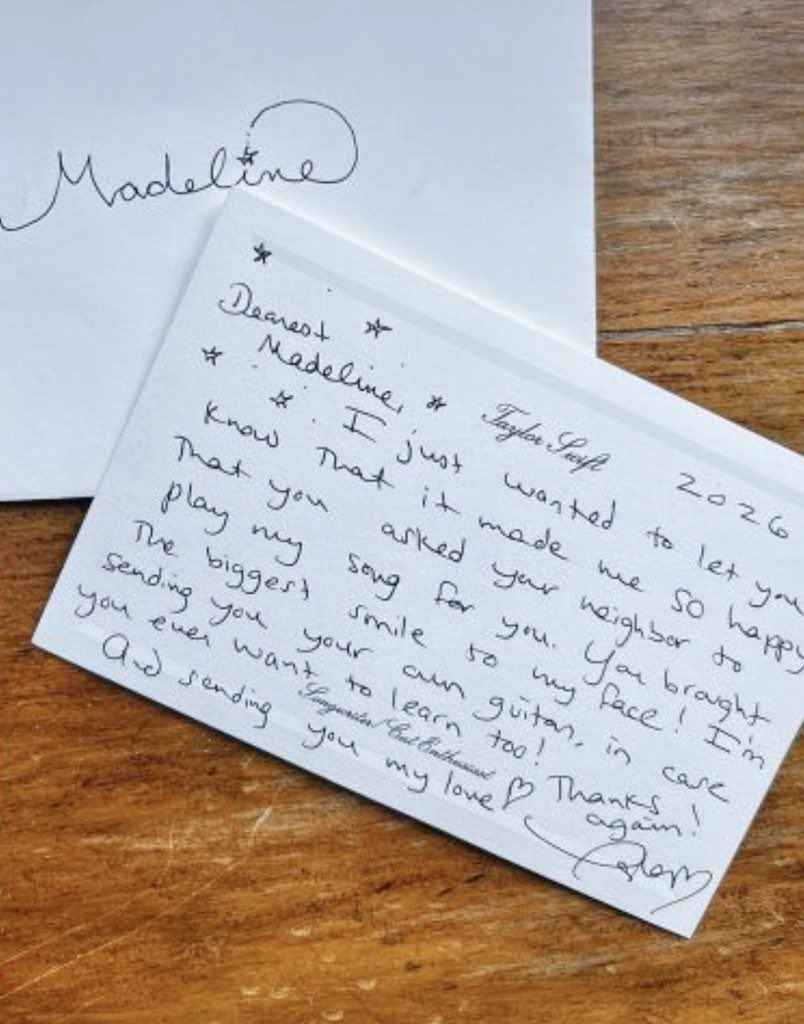
Taylor Swift gifted an autographed guitar and handwritten letter to a young fan:
"I just wanted to let you know that it made me SO happy that you asked your neighbor to play my song for you. You brought the biggest smile to my face! I’m sending you your own guitar, in case you ever want to learn too!"
It was a Monday in early August 2023. The exhausted truck drivers of Taylor Swift's Eras Tour thought they were heading to a routine production meeting before the Los Angeles shows.
They had no idea what was coming.
Scott Swift walked in. Taylor's father didn't say much—he just began handing out envelopes. When the drivers finally peeked inside, some thought the check said $1,000. Others read $10,000. The third driver stared at his and said out loud: "This has to be a joke."
It wasn't.
$100,000.
Each driver. Nearly 50 of them. The industry standard bonus from the biggest stars? $5,000 to $10,000. Taylor had given them more than ten times that.
But here's what made it matter most: these drivers weren't wealthy. They lived in truck cabs. They hadn't seen their families in 24 weeks. They were people who would never own homes—until now. Until that envelope.
That moment of shock and tears? It was just the beginning.
Across the entire Eras Tour, Taylor quietly handed out $197 million in bonuses. The dancers. The band. The riggers. The lighting and sound technicians. The caterers. Every single person who built the show—they got bonuses, handwritten notes, and wax-sealed letters. When dancers opened theirs on camera in her docuseries, they broke down crying. Some couldn't believe she was real.
"If the tour grosses more, they get more," she explained simply. These people work hard. They deserve it.
But the crew bonuses weren't the only quiet revolution happening.
Starting in March 2023, in every city where the tour touched down, a call came to local food banks. Taylor wanted to donate. No press conference. No announcement. No photo op. One donation fed 75,000 meals. Another provided hundreds of thousands of pounds of fresh produce. Across the tour, the total reached millions of meals—possibly more—all delivered in silence.
She never posted about a single one.
And it wasn't new for her.
In March 2020, when the pandemic locked down the world, Taylor scrolled through social media posts from fans who were breaking. A photographer about to lose everything. A person staring down eviction. She sent direct messages with rent money—$3,000 here, $13,000 there. Some fans got enough for months of bills. She read the Washington Post. She noticed the names. She helped.
She never announced it.
Years later, in October 2025, a two-year-old named Lilah—fighting a cancer so rare that only 58 families in America had ever known it—was filmed by her mother dancing to a Taylor Swift song. Lilah called Taylor her friend. A few days later, the GoFundMe received a $100,000 donation.
The note said: "Sending the biggest hug to my friend, Lilah! Love, Taylor."
Mike Scherkenbach has worked with the wealthiest people in music. He's seen the bonuses. He's seen the behavior. He's watched billionaires guard their money jealously.
What he saw with Taylor was different.
The biggest tour in history grossed $2 billion. The artist behind it became a billionaire from her own songwriting. And then she signed her name onto hundreds of envelopes by hand and sent enough money back to the people who built her dream that they cried opening their letters.
That isn't strategy. That isn't a publicity stunt.
That's what happens when someone, somewhere along the way, remembered what matters.