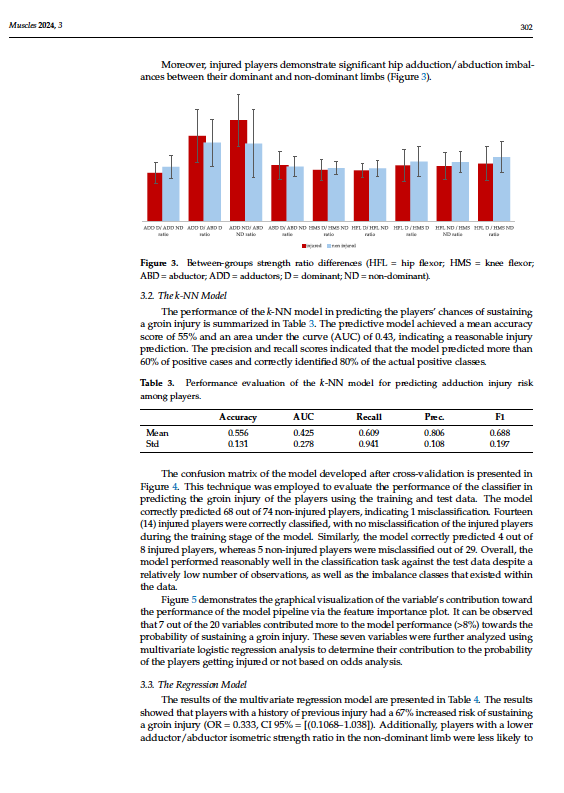
⚽️Hip Muscle Strength Ratios Predicting Groin Injury⚽ 💥Players=less likely to get injured by 76% for each ⬇️ of the adductor/abductor isometric strength ratio (non-dominant limb). Previous injury=67% ⬆️ risk of reinjury💥
👉 Kekelekis et al. 2025 🇬🇷
���️ https://t.co/jWYy6SJGqg
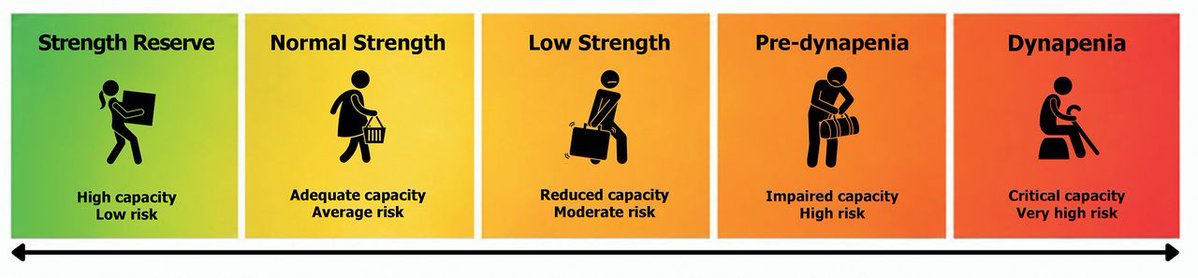
🚨 The strength–risk continuum 💪
Reframing muscular weakness as a clinically relevant risk marker
Popular ✅ Make sure to check out the STRONG framework for practical implementation
➡️ https://t.co/65CBWbPS9x
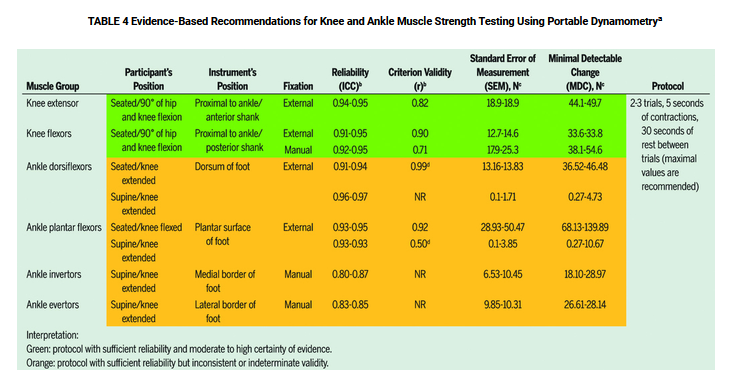
Can we rely on our dynamometry measurements for knee and ankle strength 🤔
Our October #Review with meta-analysis attempts to provide some answers and further guidance on how to produce the best clinical results
Read it ➡️ https://t.co/KMxGIffFqP
#yourJOSPT
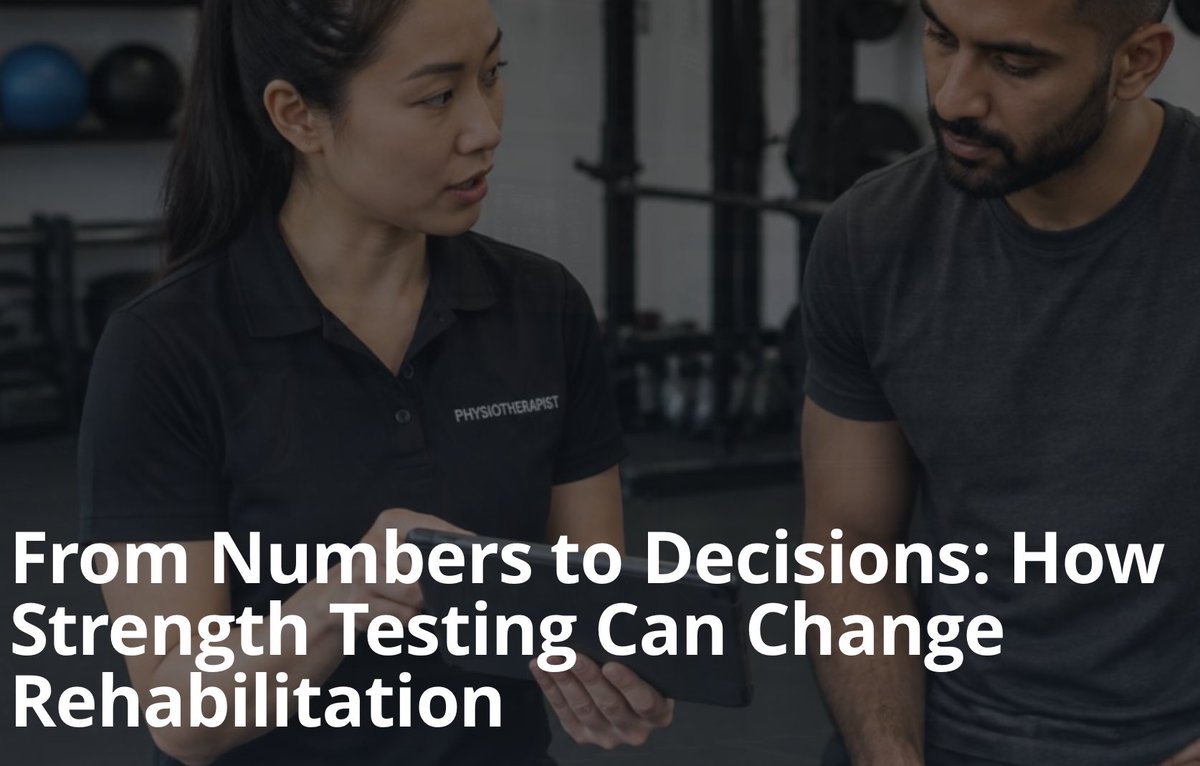
New blog post!
One of the biggest changes I’ve seen in rehab over the past decade is the increasing use of objective strength testing, which is a positive step. However, testing is often performed without detailed thought 🤔
Here’s ‘why’ to test, maybe
https://t.co/NL7Hkw2S3h
The Dynamic Strength Index (DSI) compares an athlete’s peak force during a countermovement jump with their peak force during an isometric mid-thigh pull.
Ive had the pleasure of being on a podcast & residency zoom this week talking RFD.
Let me just say who gives a hoot about rate when our pt's/athletes don't even have force in the first place. Just look at the data. Were not good at the force part. Need strength FIRST.
Now OPEN for enrolment
Do you want some help:
🗺️ Navigating the field of dynamometry?
👌🏼 Understanding the critical methodological factors between good & useless tests?
🫵Choosing the right HHD for your practice?
DM me for a discount code
& go here 👇🏼
https://t.co/5gKhGmMmNd
WHICH DYNAMOMETER?
🌟 Brand new, online HHD comparison tool⭐️
Delighted to announce my new project. I felt it was about time clinicians had a resource where they could go to compare all the major HHDS - so I built it!
Free
Useful protocols
Unbiased
https://t.co/qJNmR1XcPs
Delighted to share my open access paper:
Mastering the use of hand-held dynamometry in clinical practice
Intended to help clinicians simply navigate quality assessment & measurement science amid growing marketing hype & dynamometry device options.
https://t.co/QD5XDcu201
@TaylorEDouthit Hi Taylor, generally don���t use belts for supine. I do cue the patient to hold on to the edge of the table to stabilize themselves though. I find that position is generally more repeatable. I always worry how much help the contralateral limb is giving in side lying too.